What Cornelius's 1959-2011 Housing Stock Means for Your Garage Door
Most Cornelius homes went up between 1959 and 2011, median 1998, with cold winters that strain torsion springs, cables, and seals on original garage doors.
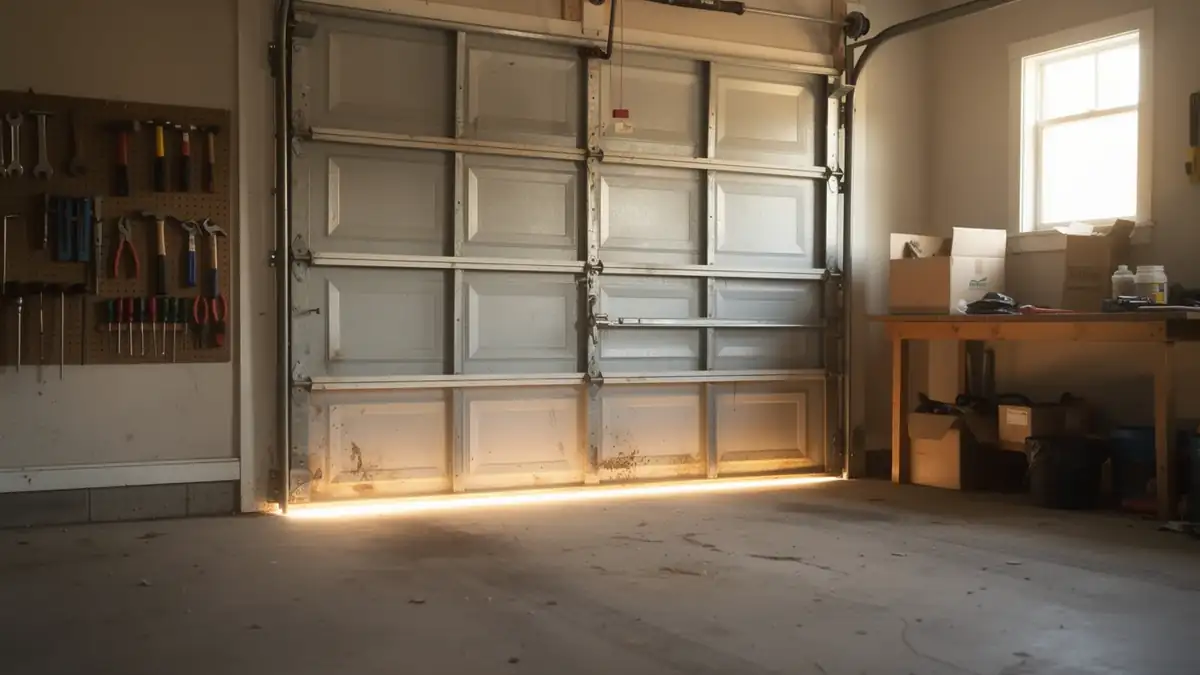
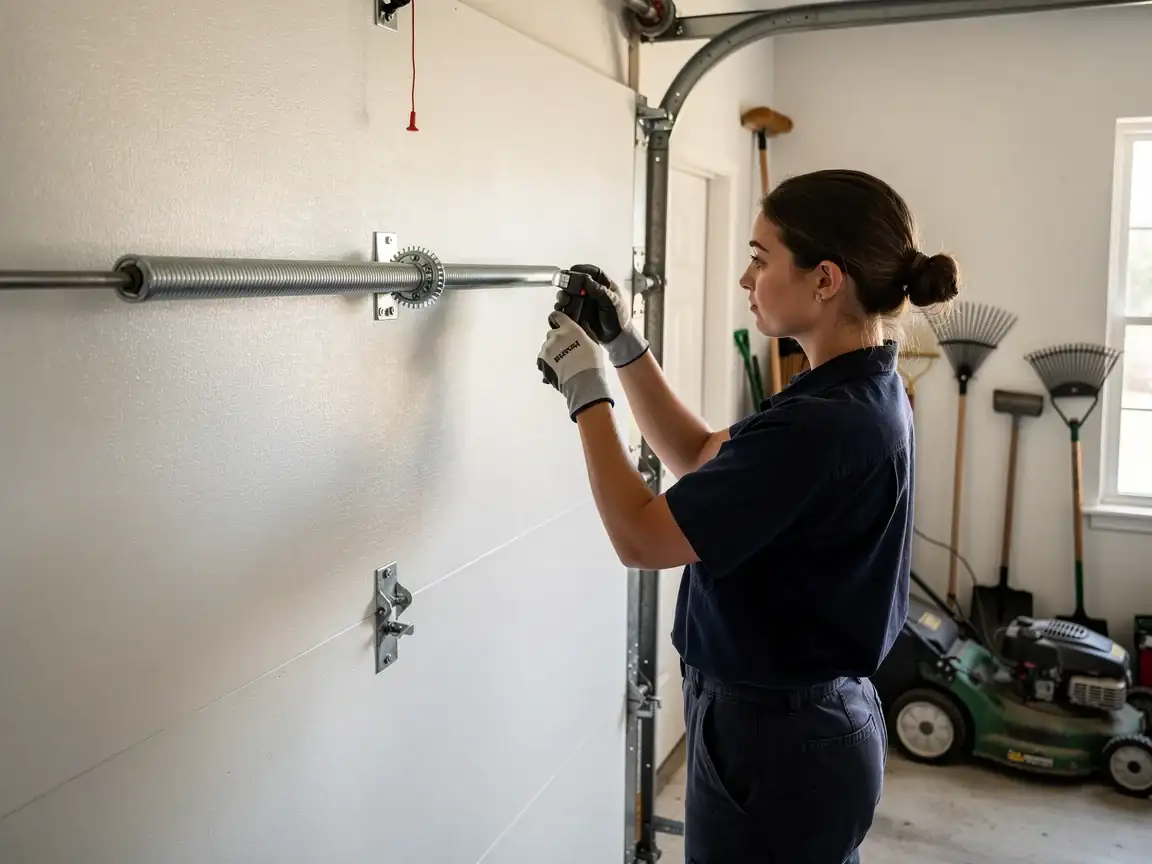
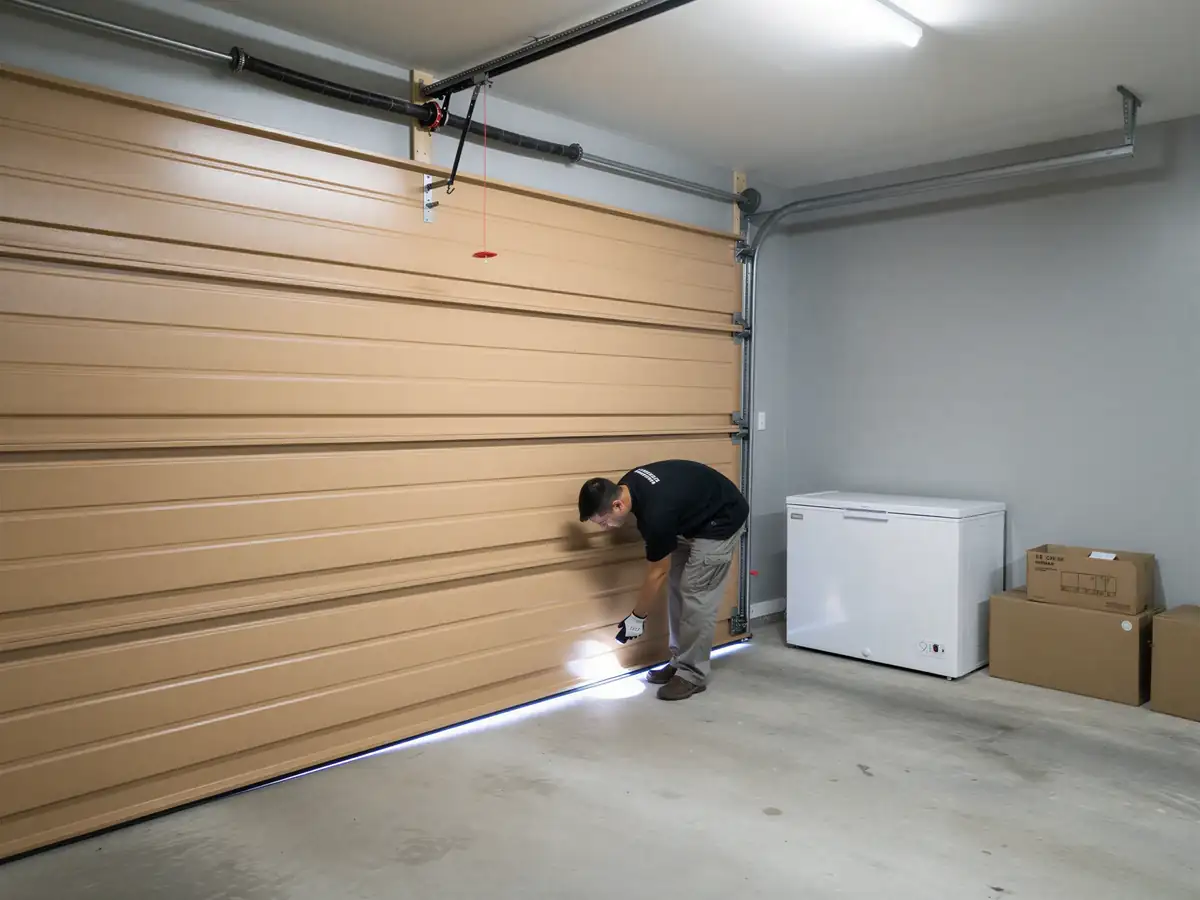
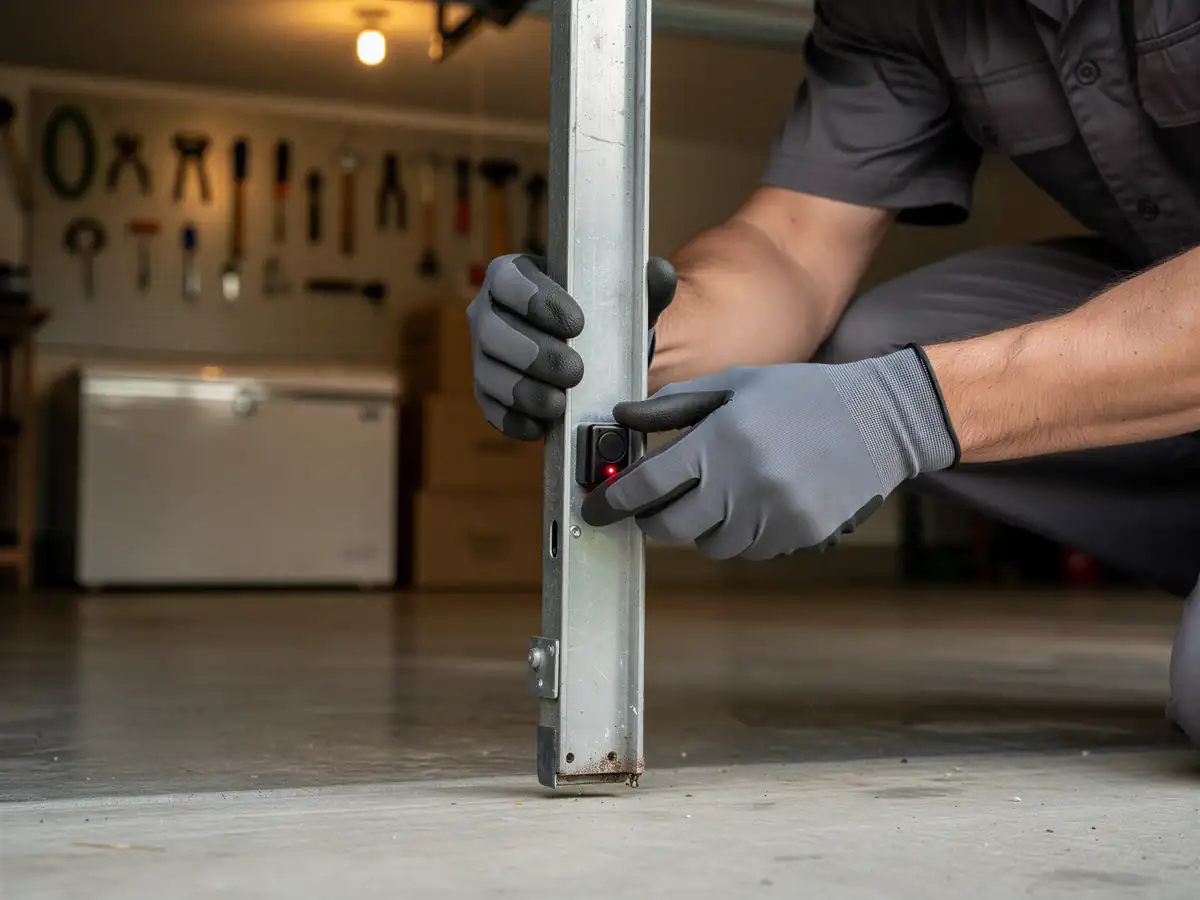
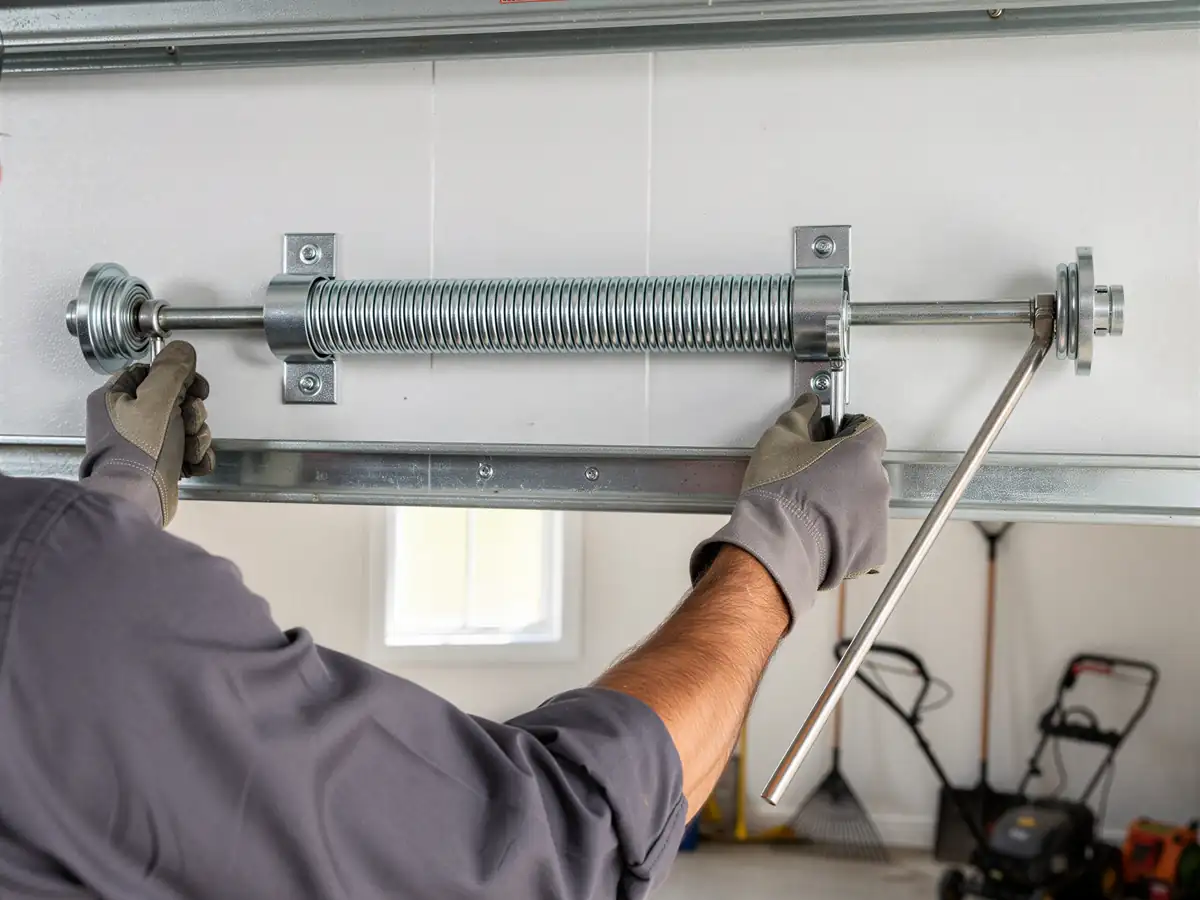
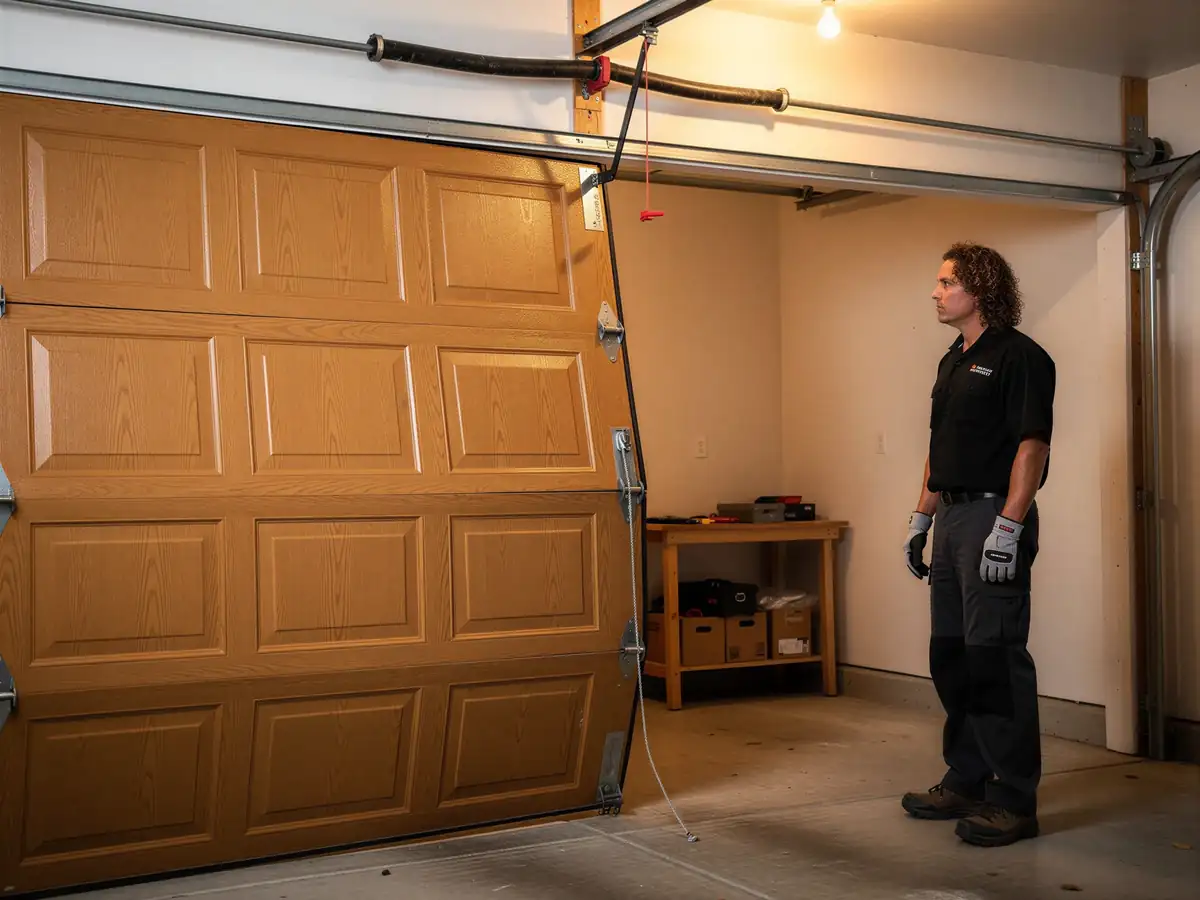
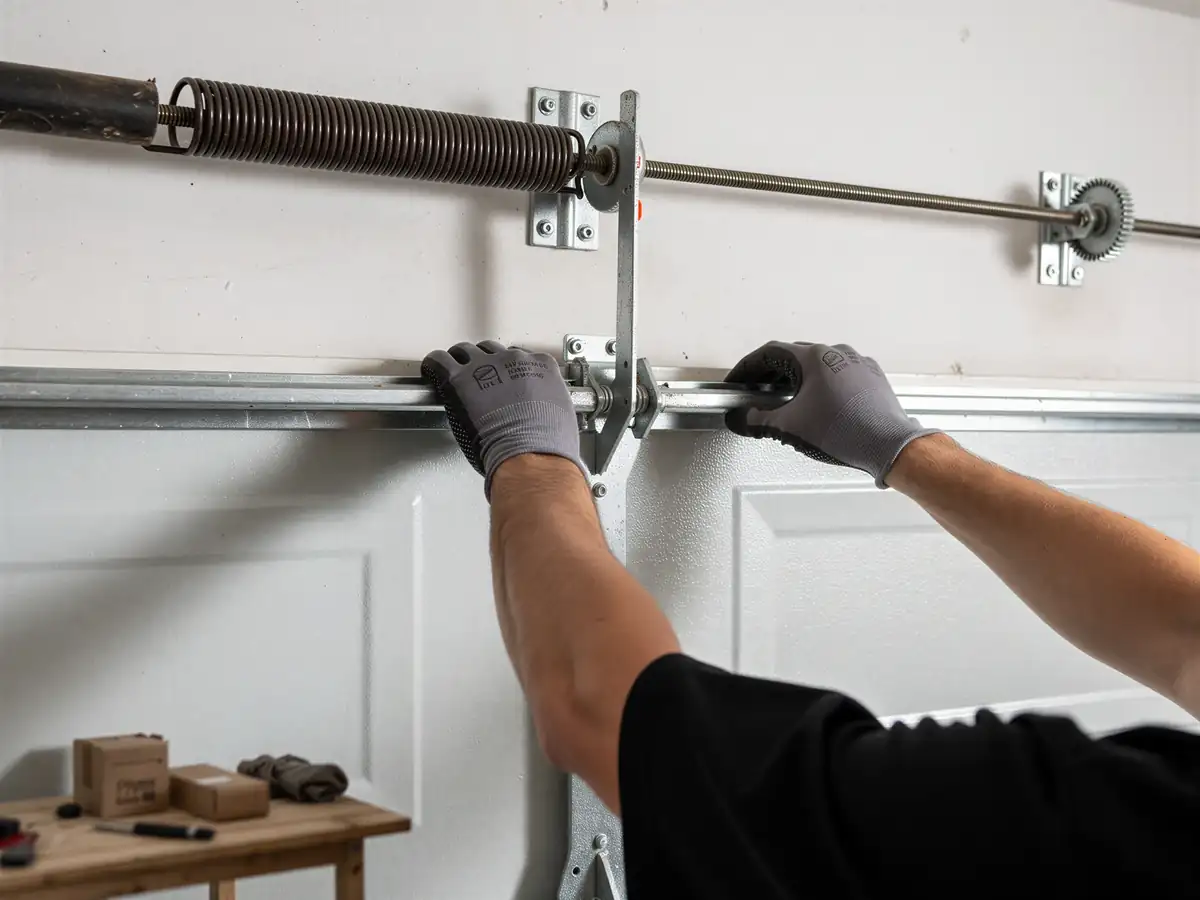
Cornelius homes mostly went up between 1959 and 2011, with the median landing at 1998, and that matters because the door hardware installed during that run is now anywhere from 15 to 65 years old. Start at the torsion spring above the door. If it's the original, it's wound steel that's taken thousands of open-close cycles without ever being swapped, and a visible gap in one coil means it's close to snapping. Check the bottom seal next. Houses built across the 1980s and 90s pockets of Cornelius commonly got a plain vinyl astragal that hardens and cracks with age, and a cracked seal lets in both cold air and water. Run a hand along the track for rust bloom, especially near the bottom rollers, since galvanized track from that era wasn't always hot-dipped the way newer track is. Last, watch the door come down. If it drifts to one side or doesn't sit flat, a cable has likely stretched. None of this takes tools beyond a flashlight and five minutes, but a spring under tension is not something to touch by hand.
The Problem
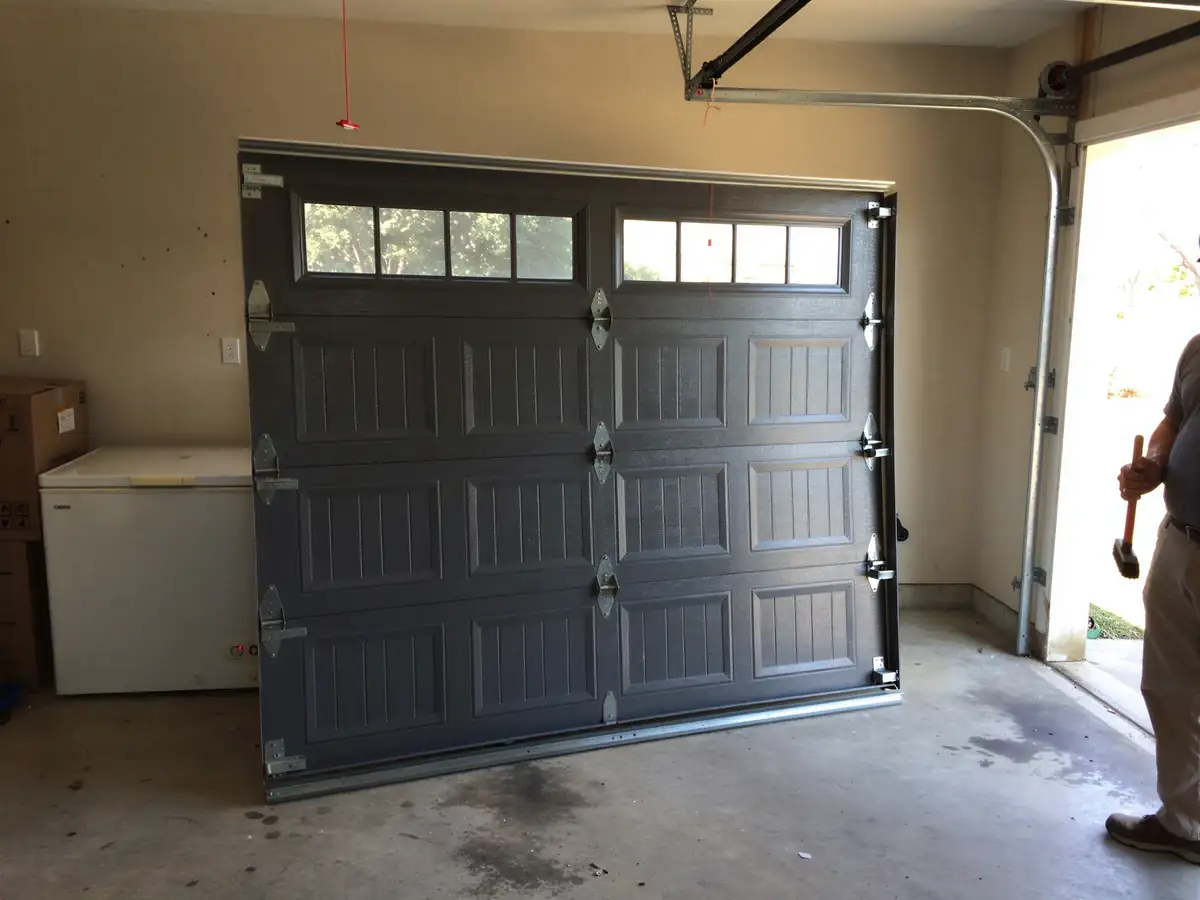
The issue isn't that these doors were built badly. It's that a door installed when a Cornelius house went up in, say, 1985 or 1998 was built to a lighter spec than what goes in today, with a thinner steel skin, less foam, and hardware sized for a lighter cycle count than three-plus decades of daily use. Add in that most owners never touch the springs or cables until something fails outright, and you get a lot of doors in town running original torsion springs that are well past the wind-count they were rated for. The symptom is rarely dramatic. It's a door that's gotten louder, a remote that needs two tries, an opener that strains before it lifts. Those are fatigue signs, not random glitches, and they trace straight back to parts that have simply been in service since the house itself was new.
What Local Conditions Do
Cornelius sits in a cold-moderate climate band, which means winters cold enough to freeze condensation on a steel door but not cold enough to crack concrete the way a harder freeze zone would. That cycle still works on hardware. A track bracket lagged into a jamb back when a house was built in the 1980s or 90s goes through repeated contraction and expansion every winter, and over three decades those lag screws back out a sixteenth of an inch at a time until the bracket has play in it. Moisture that collects on a cold steel panel overnight also finds any gap in an old weatherstrip, and once water sits at the bottom corner of a non-insulated door built before double-wall construction was standard, the steel starts to pit from the inside out. None of this happens fast. It's the kind of wear that shows up as a five-minute annoyance for years before it becomes a Saturday morning the door won't open at all.
Leaving It Alone
A door that's loud or slow isn't an emergency, and we won't tell you it is. Plenty of doors from the 1980s and 90s stock around Cornelius keep working for years past when the spring should've been swapped, just noisier and harder on the opener motor each season. Where we draw the line is the spring itself. A torsion spring at the end of its life doesn't usually bend or weaken gradually, it snaps, and it does that under full tension, which is why we don't recommend adjusting or replacing one yourself regardless of how handy you are. Everything else on this list, from a cracked seal to a loose bracket, is worth watching rather than panicking over. If the door is original to a house built in the 1990s and has never had the springs serviced, that's the one item we'd move up the list, because the parts holding a 150-pound door off the floor are not where you want a surprise.
How it works
From “it’s stuck” to “it’s fixed”
1
Tell us what’s wrong
Describe the symptom - won’t open, loud bang, opener runs but the door won’t move.
2
On-site diagnosis
A technician tests the door under power and by hand and finds what actually failed.
3
Clear, up-front plan
You get the fix that’s needed and what drives the cost - before any work starts.
4
Repaired & tested
The repair is done, the door is set true and tested, and the work area left clean.
Not sure which repair your door needs in Cornelius, NC? Describe what it’s doing - every job starts with a diagnosis.
How do I know if my garage door spring is original to the house?
If the house was built in the 1980s or 90s and the spring has never been serviced, it's almost certainly original. Look for a date sticker near the spring cone, or check the wind coil spacing for uneven gaps, which signals fatigue. Without a service record, age the door by the house's build year and assume the spring is near or past its rated cycle count.
Why is my garage door louder in winter than summer?
Cold-moderate winters shrink steel and harden old lubricant on rollers and hinges, so metal-on-metal contact increases right when temperatures drop. If the door is original to a house built decades ago, the rollers themselves may have worn flat spots, which makes the noise worse specifically in cold months.
Should I replace or repair a door from the 1990s?
It depends on what's failing. A cracked seal or worn rollers are cheap fixes on an otherwise sound panel. If the steel skin is pitted from years of moisture sitting at the bottom corner, or the panel itself has rusted through, replacement usually makes more sense than patching a door that's outlived its coating.
Ready to get your garage door sorted?
Tell us what it’s doing and where you are in Cornelius - we’ll take it from there.