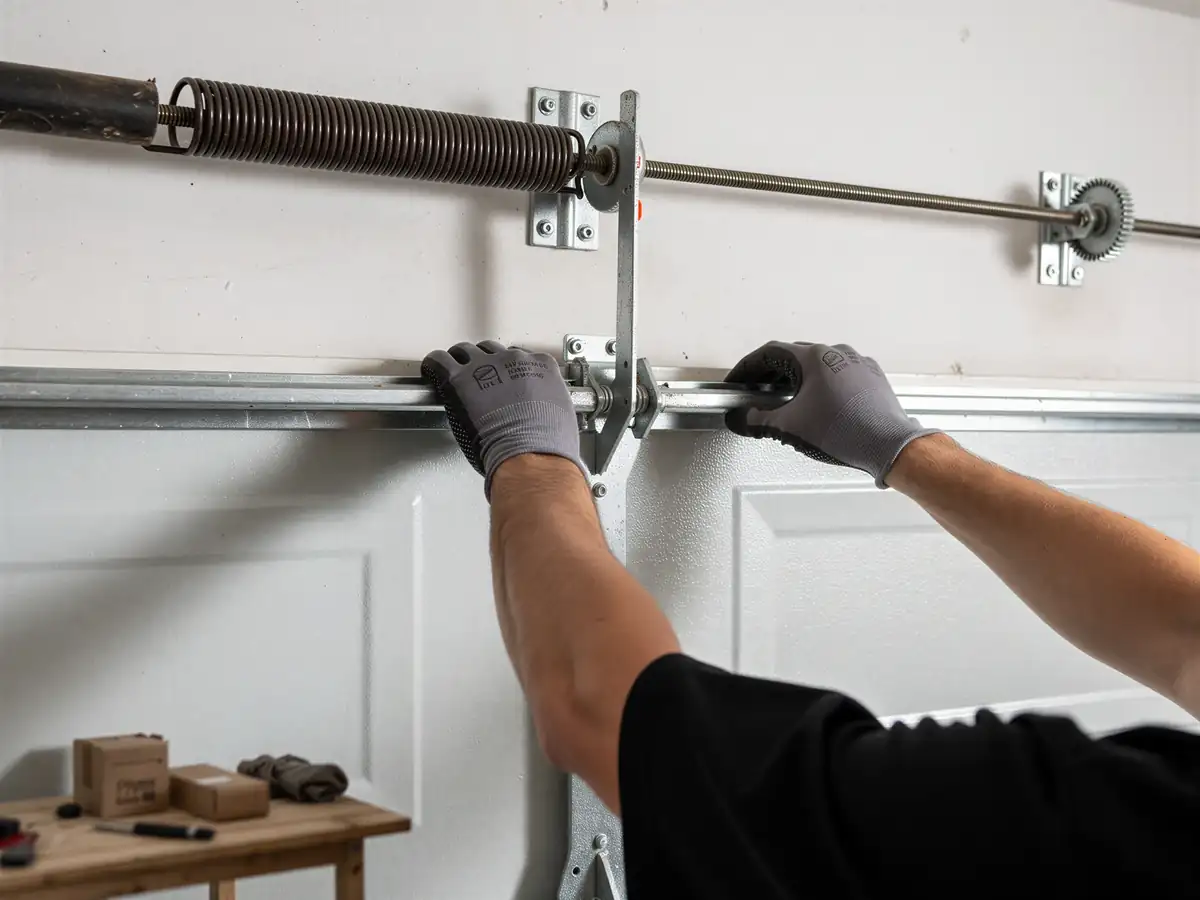
Why It Happens Here
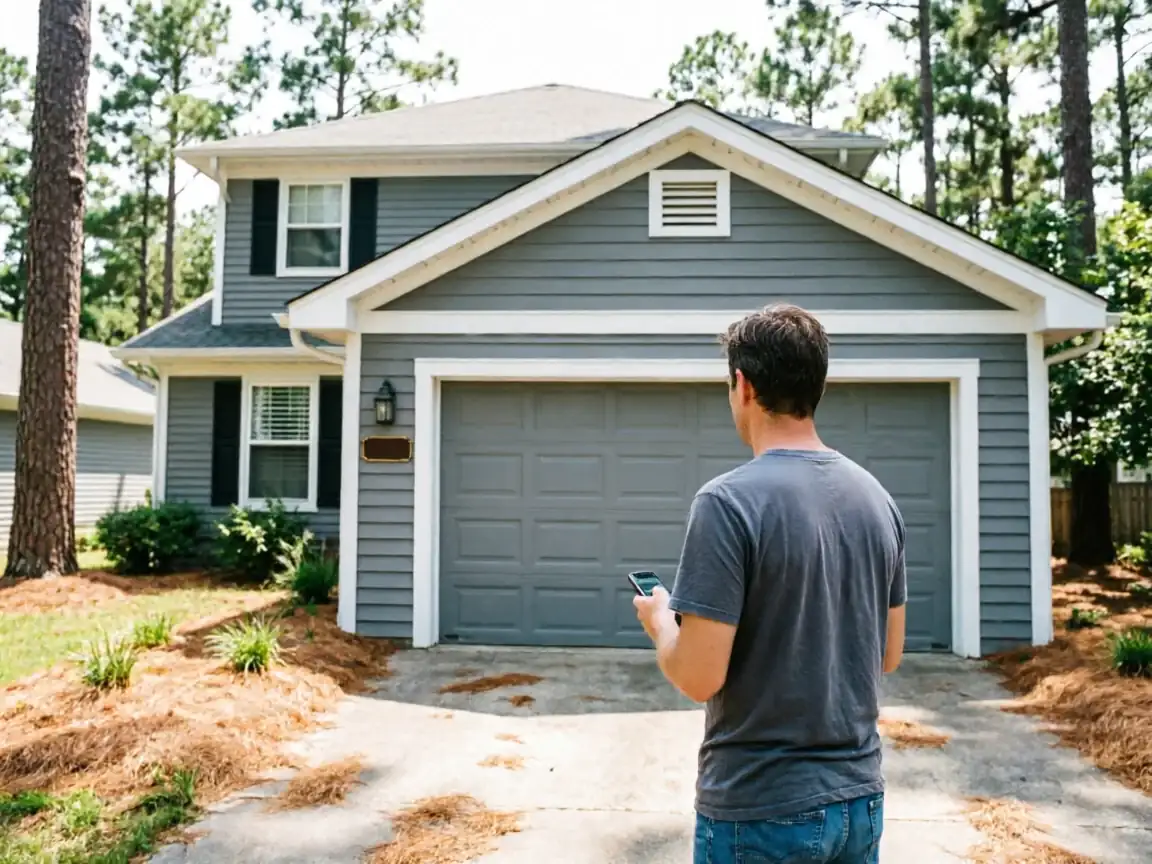
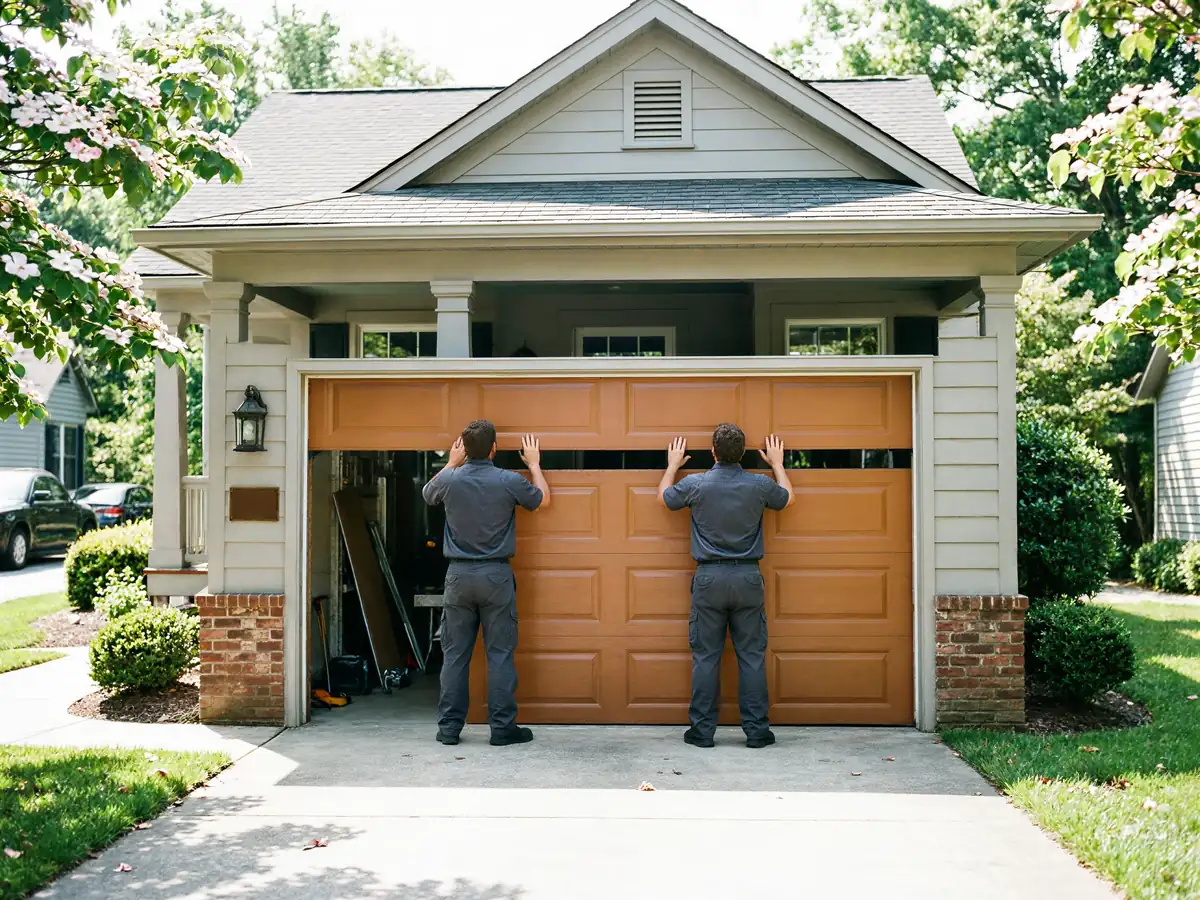
Most garage doors in this service area sit on houses built between 1959 and 2011
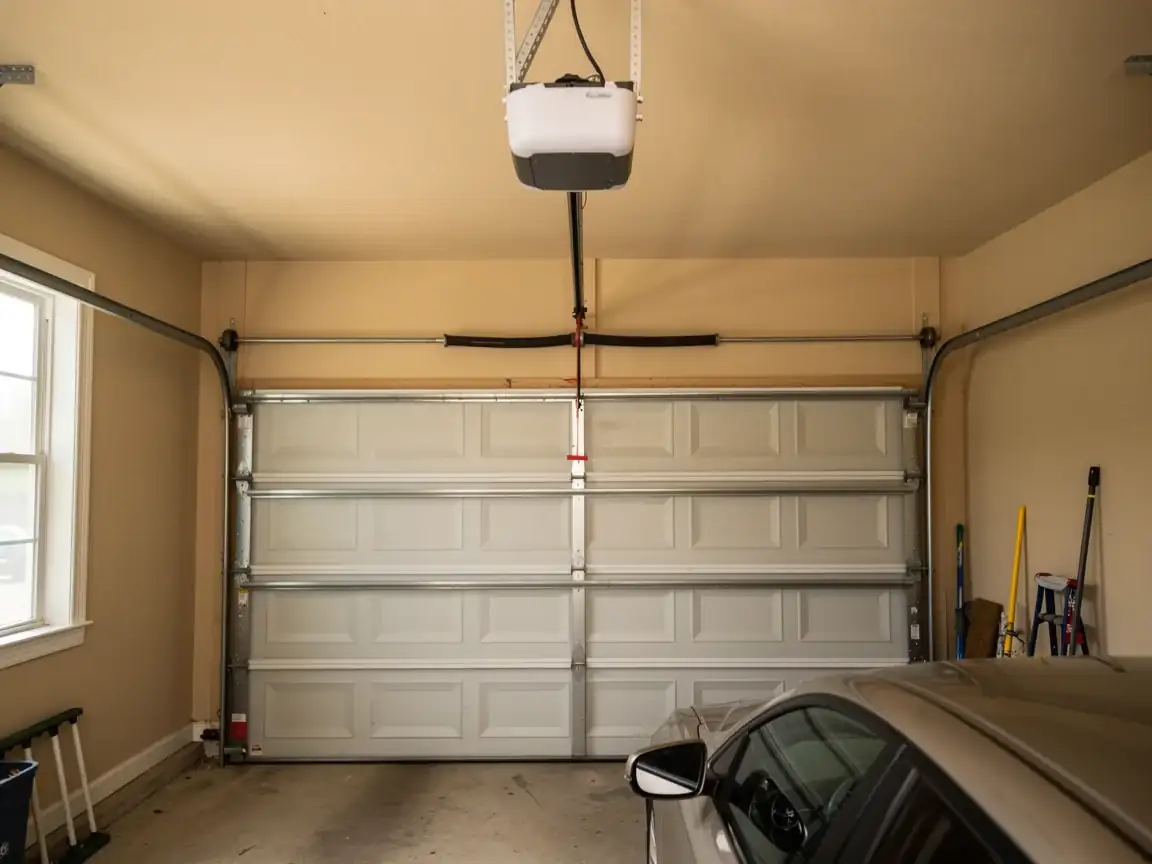
With the bulk of the stock dating to the 1980s and 90s across the eighteen named communities we cover. That matters because a door installed in, say, 1994 is now thirty years into a torsion spring's duty cycle, and the original hardware on those builds was never meant to run maintenance-free forever.
The climate band here is cold-moderate
Which means real freeze-thaw cycles every winter without the deep sustained cold that forces everyone to insulate everything. That swing is actually harder on a door than steady cold. Steel contracts, grease thickens, nylon rollers get brittle, and the spring that held tension fine in October starts binding by February. On a house built in the 1980s or 90s, the factory lubrication on the track and the original spring coating are long gone, so that seasonal swing hits bare metal.
Newer builds toward 2011 tend to have better-sealed bottom brackets and factory nylon rollers
So the failure mode shifts from rust and binding toward worn weatherstripping and opener sensor drift instead. Either way, the fix depends on knowing which decade your door came from, not a generic once-a-year checklist.
What It Costs
We don't have a flat number to quote here, and we'd rather tell you that than make one up. What a maintenance visit runs depends on the door's age, whether the torsion spring needs replacing outright versus just lubricating, and how many panels and rollers are showing wear. A door from the 1980s or 90s stock common across this area usually needs more than a quick lube job by now - the springs are near or past their rated cycle count.
With median household income in the service area at $76,158 across 45,713 households, we see a real mix of owners who want a full annual tune-up and owners who want us to flag only what's actually failing and leave the rest. Both are reasonable. We'll tell you straight whether a part has a few years left or whether it's cheaper long-term to replace it now than to keep servicing it every winter.
The honest limitation: we can't price a job sight unseen over the phone. Spring size, drum type, and opener model all change the number, and guessing wrong either way isn't fair to you.
The Symptom
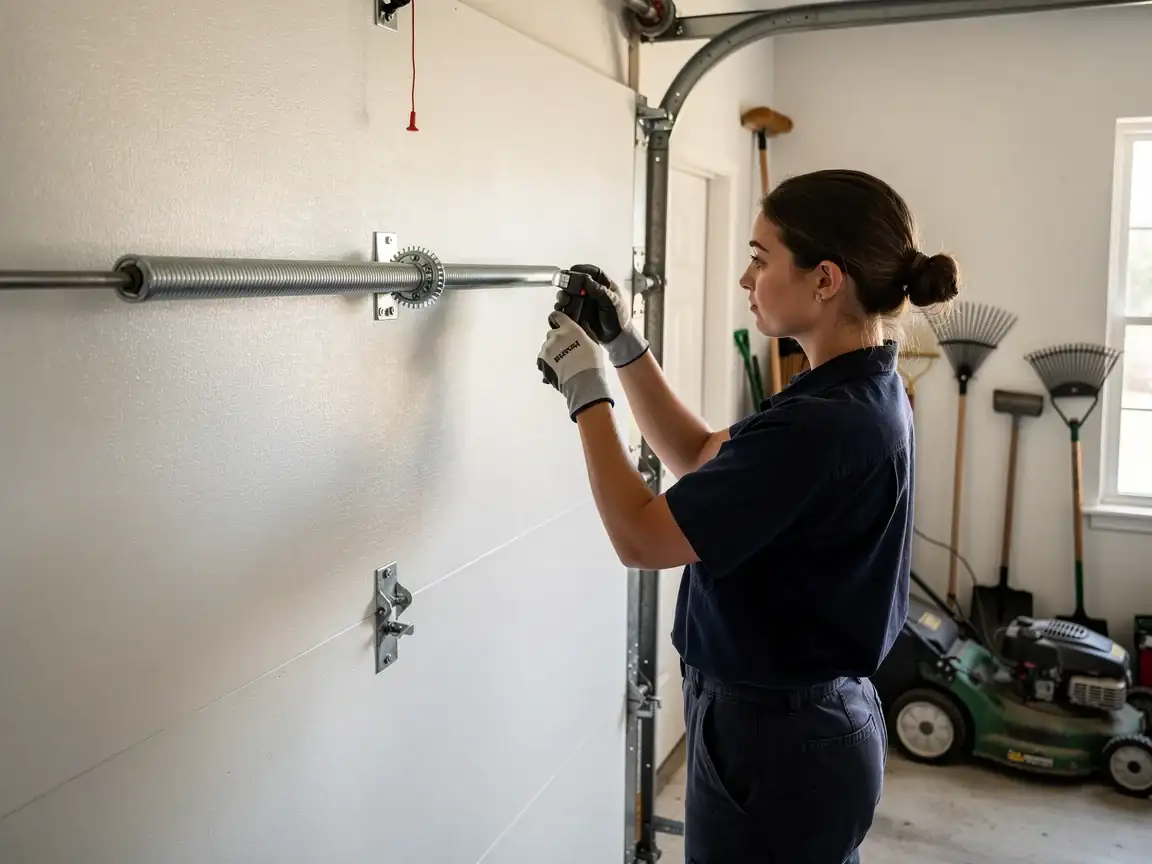
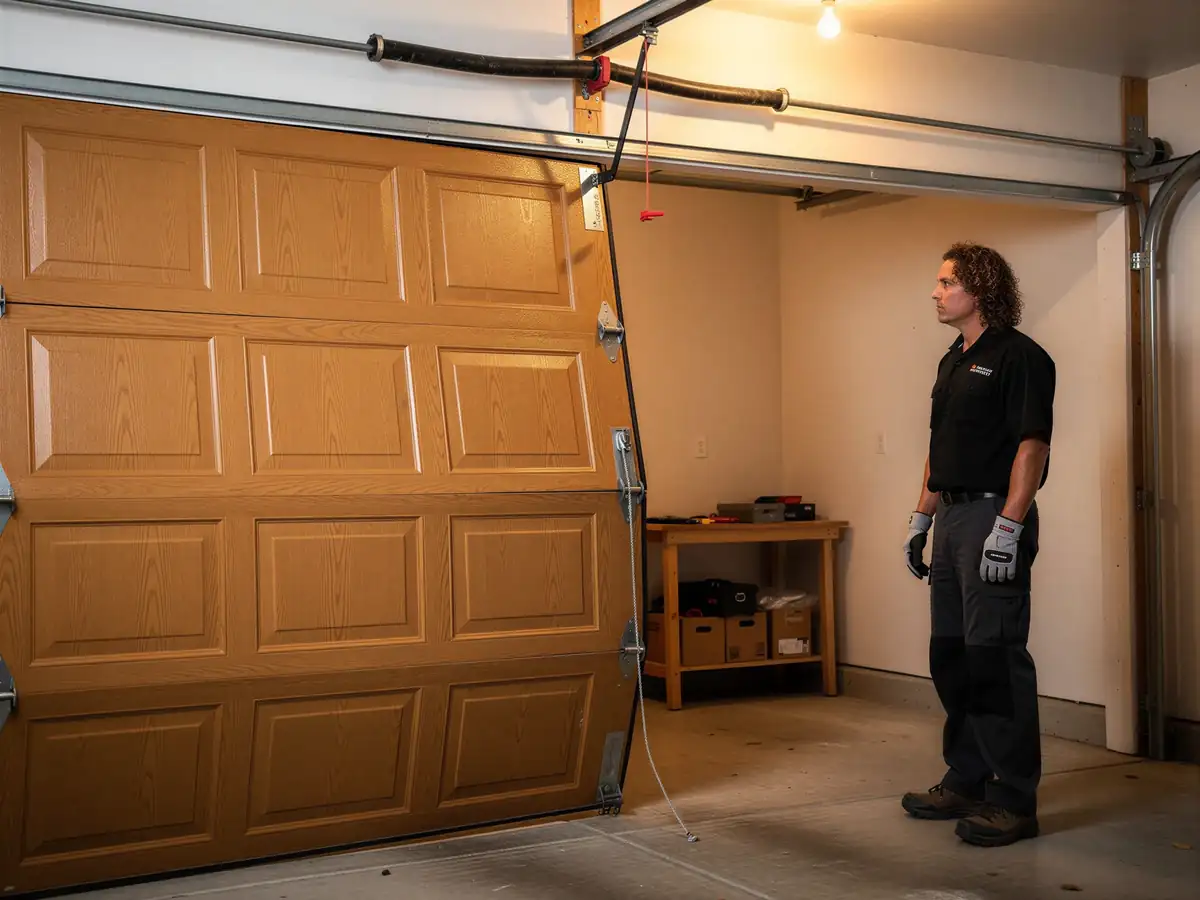
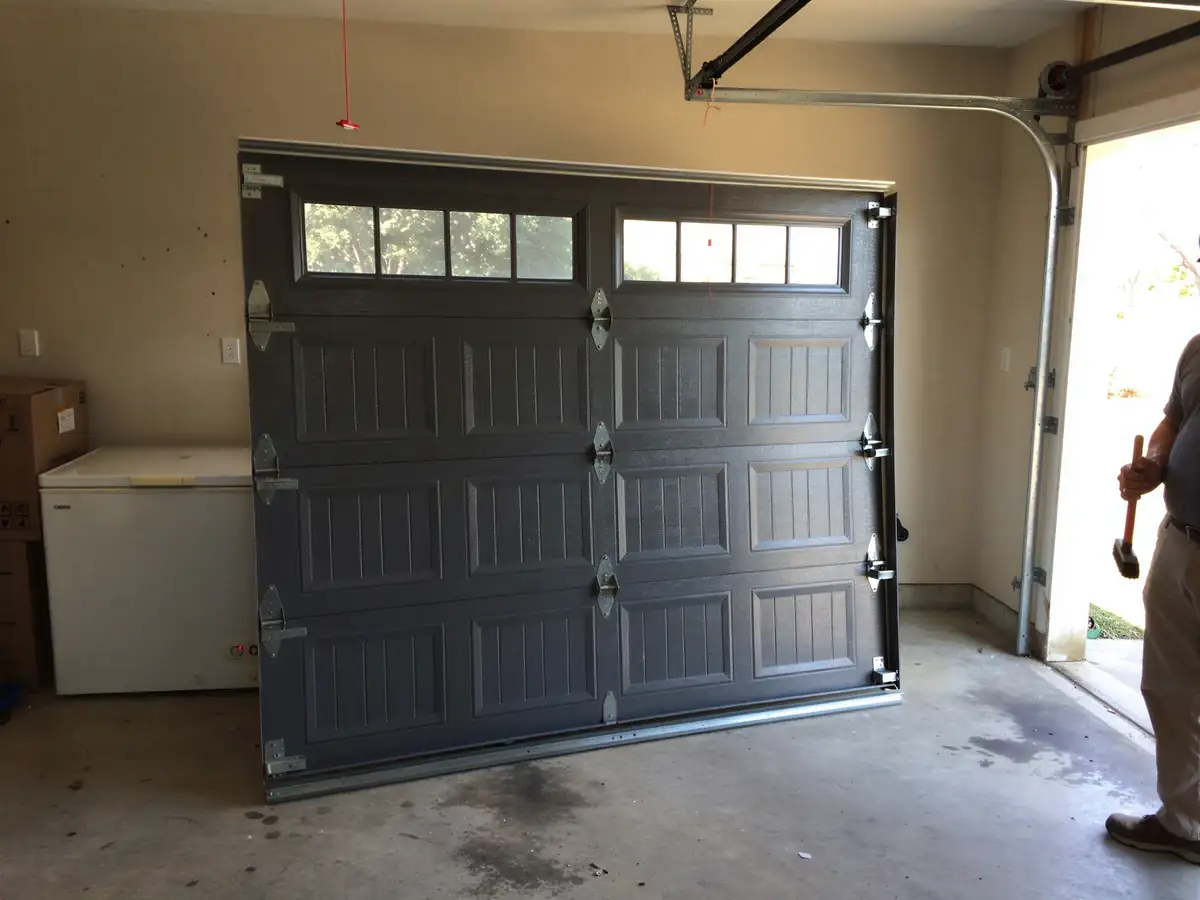
The most common call we get isn't a door that won't open at all - it's a door that's gotten loud or slow. Rollers grinding in the track, a shudder partway up, the opener straining longer than it used to. On the 1980s and 90s builds that make up most of this area's housing, that's usually the torsion spring losing tension after decades of cold-moderate seasonal swings, combined with dry rollers that were never relubricated.
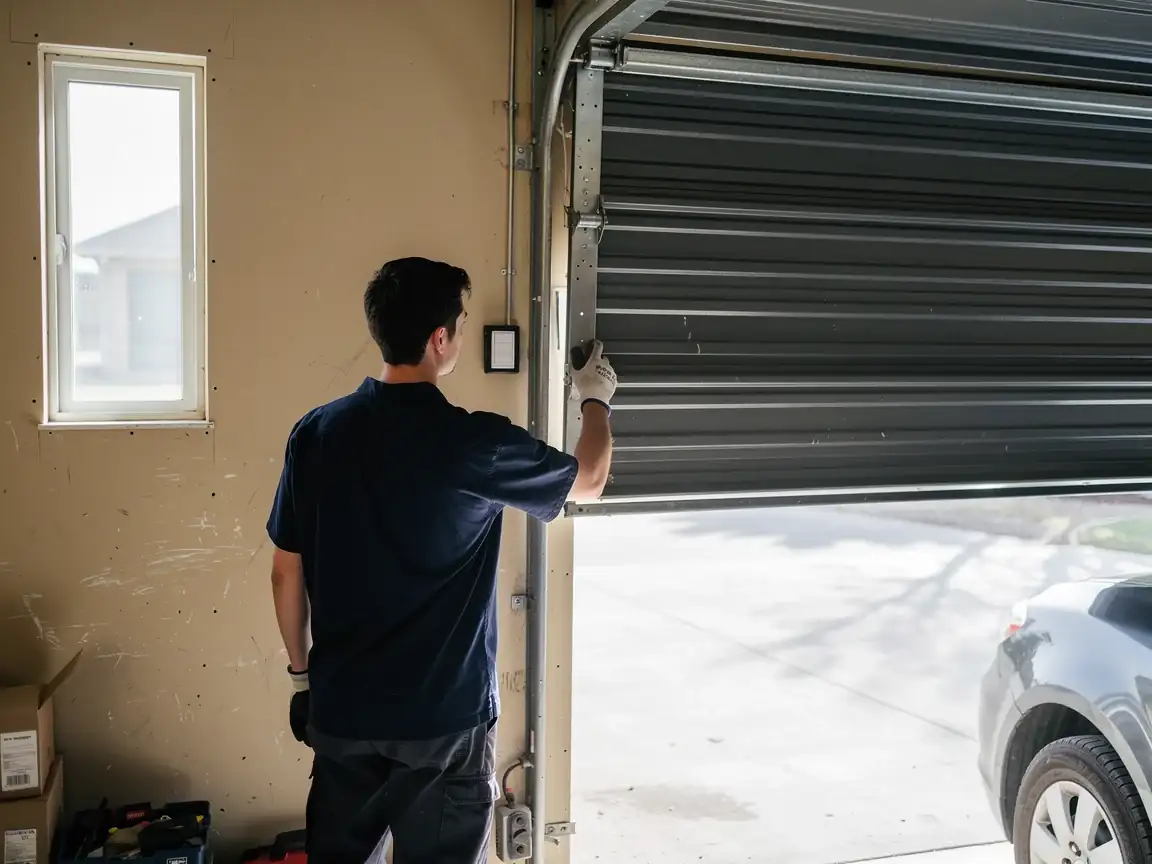
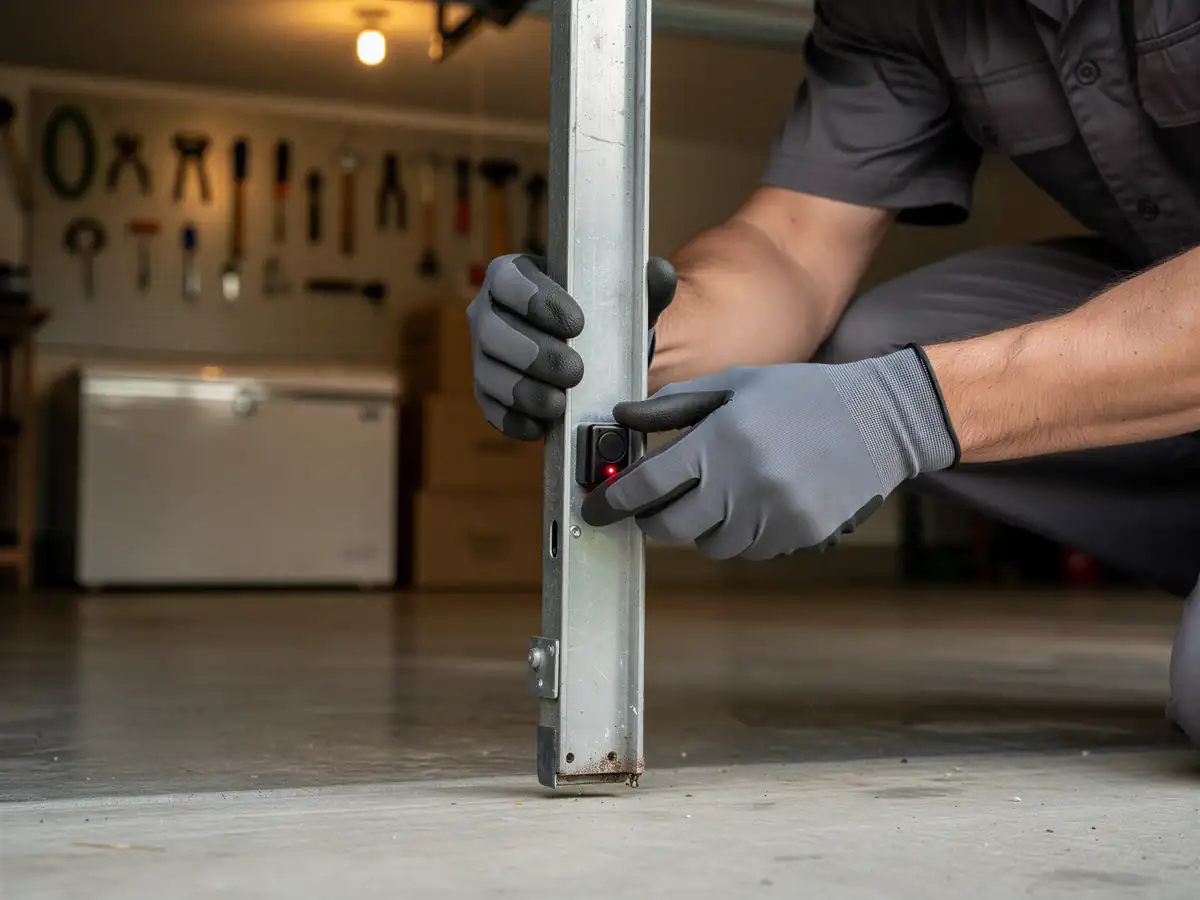
A second common pattern: the door reverses or won't fully close, which on houses from this era is often a sensor that's drifted out of alignment rather than anything mechanical. Owners sometimes assume the whole opener is dying when it's a thirty-second fix.
If your door is newer, built closer to the 2011 end of the range, the symptom looks different - usually weatherstripping that's gone stiff and is letting cold air in along the bottom seal, rather than spring fatigue. Either way, catching it as a noise or a slowdown before it becomes a dead spring or a jammed track is what a maintenance visit is actually for.
What Is on the Truck
For a service area where houses run from 1959 to 2011 construction with the heaviest concentration in the 1980s and 90s
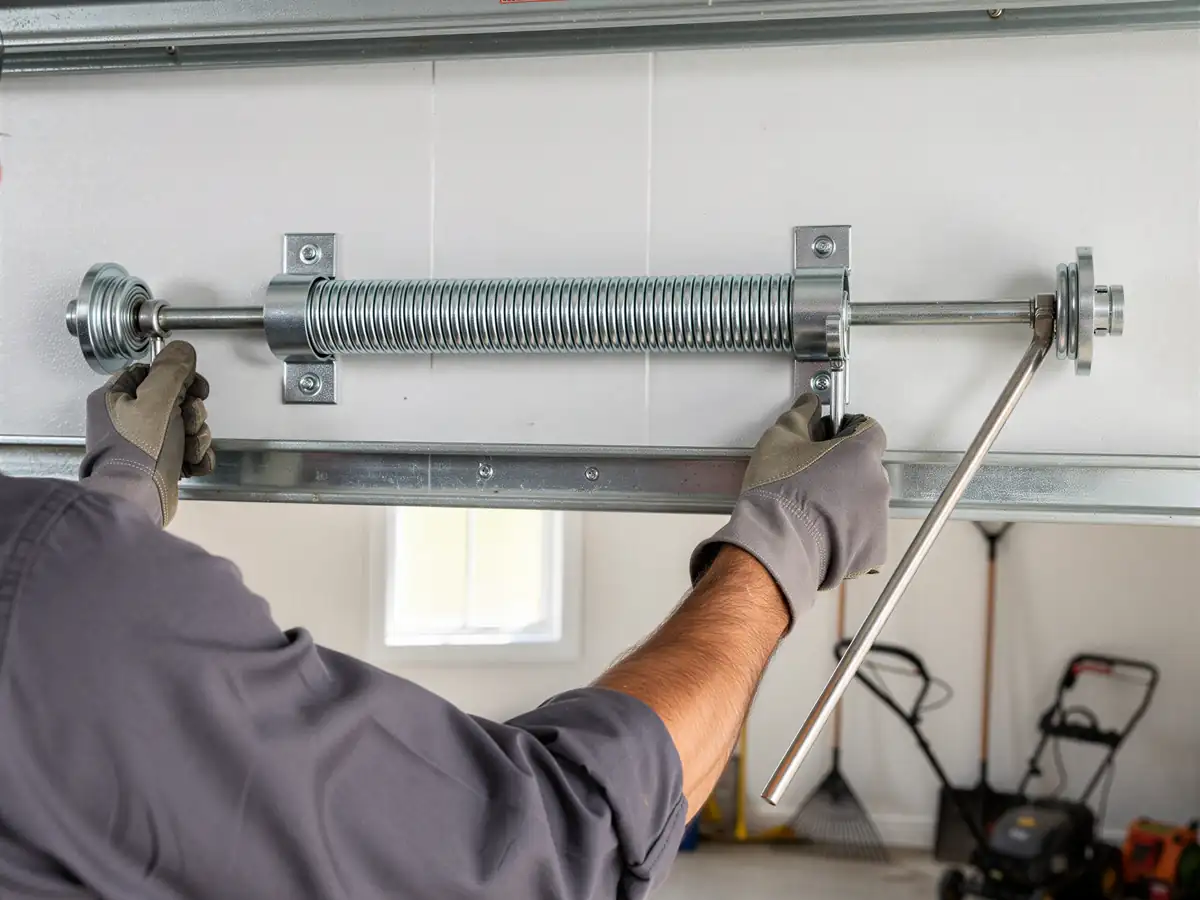
The truck carries torsion springs sized for that era's standard door openings, along with the nylon rollers and lift cables that wear out first on doors that age. We stock lubricant rated for the freeze-thaw swings a cold-moderate climate puts a door through, not the lighter grease made for warmer regions - it doesn't gum up the same way in a February cold snap.
We also carry sensor alignment brackets and weatherstrip in common widths
Since those are the parts behind the slow-close and cold-draft calls we get most. What we don't carry on every truck is specialty hardware for doors well outside the standard sizes built during this period - if your door is an outlier, that part may need to be ordered in rather than installed same-visit.
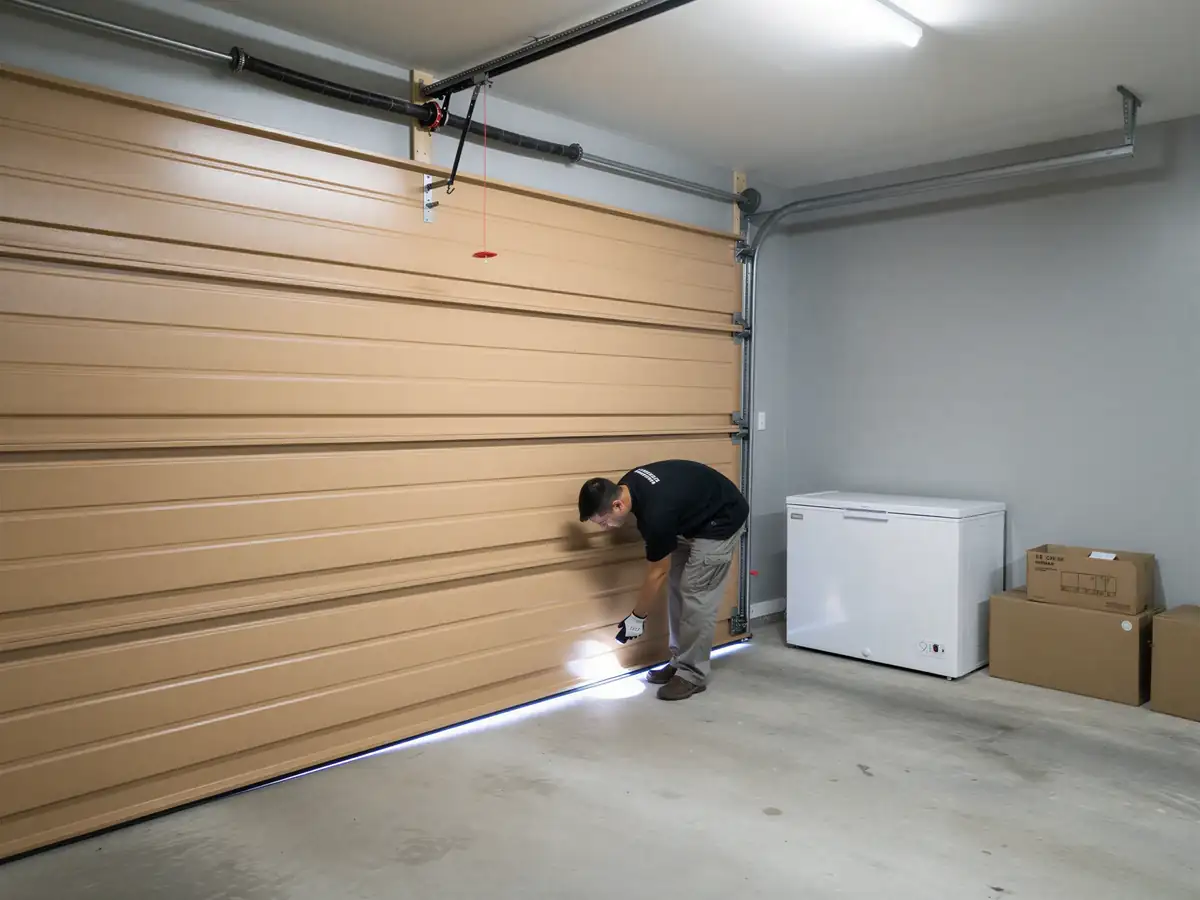
A maintenance visit means checking spring tension, lubricating track and rollers
Testing opener force and sensor alignment, and tightening the hardware that loosens from years of use - not a sales pitch for a new door unless the one you have is actually past fixing.