Why It Happens Here
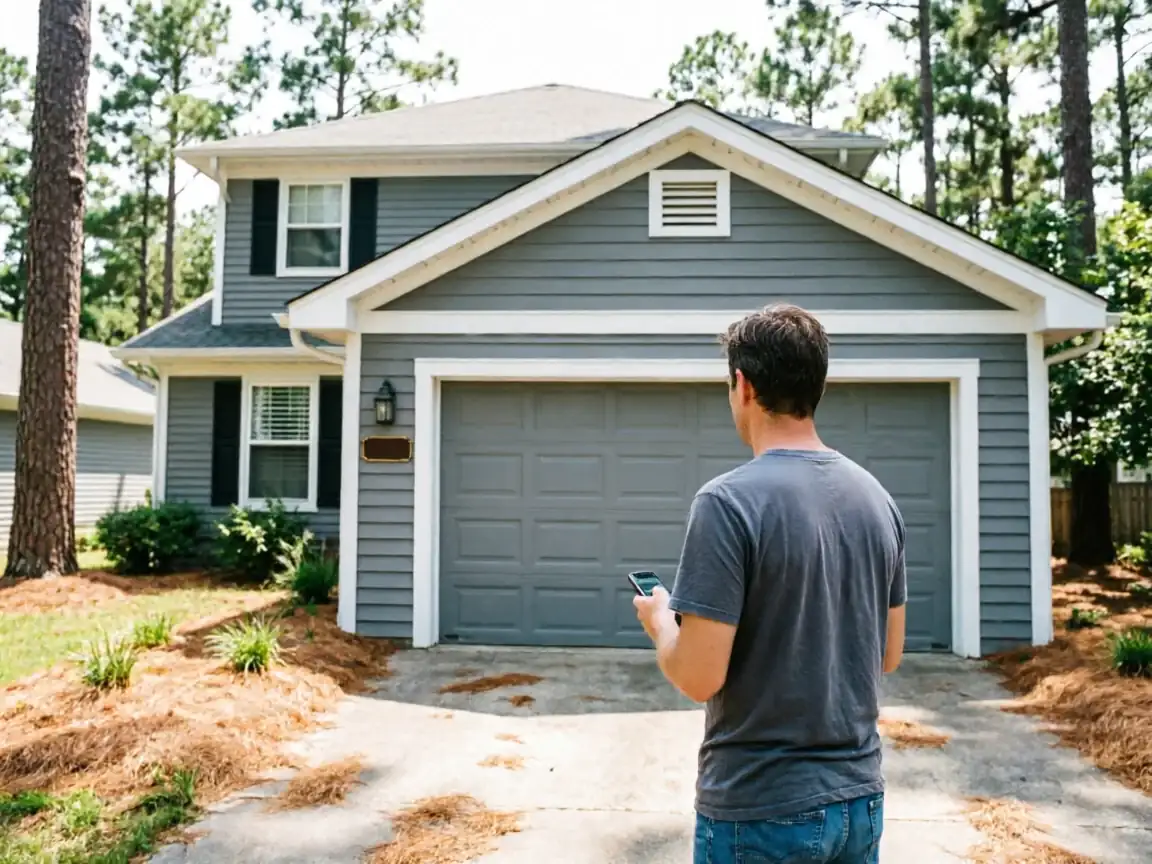
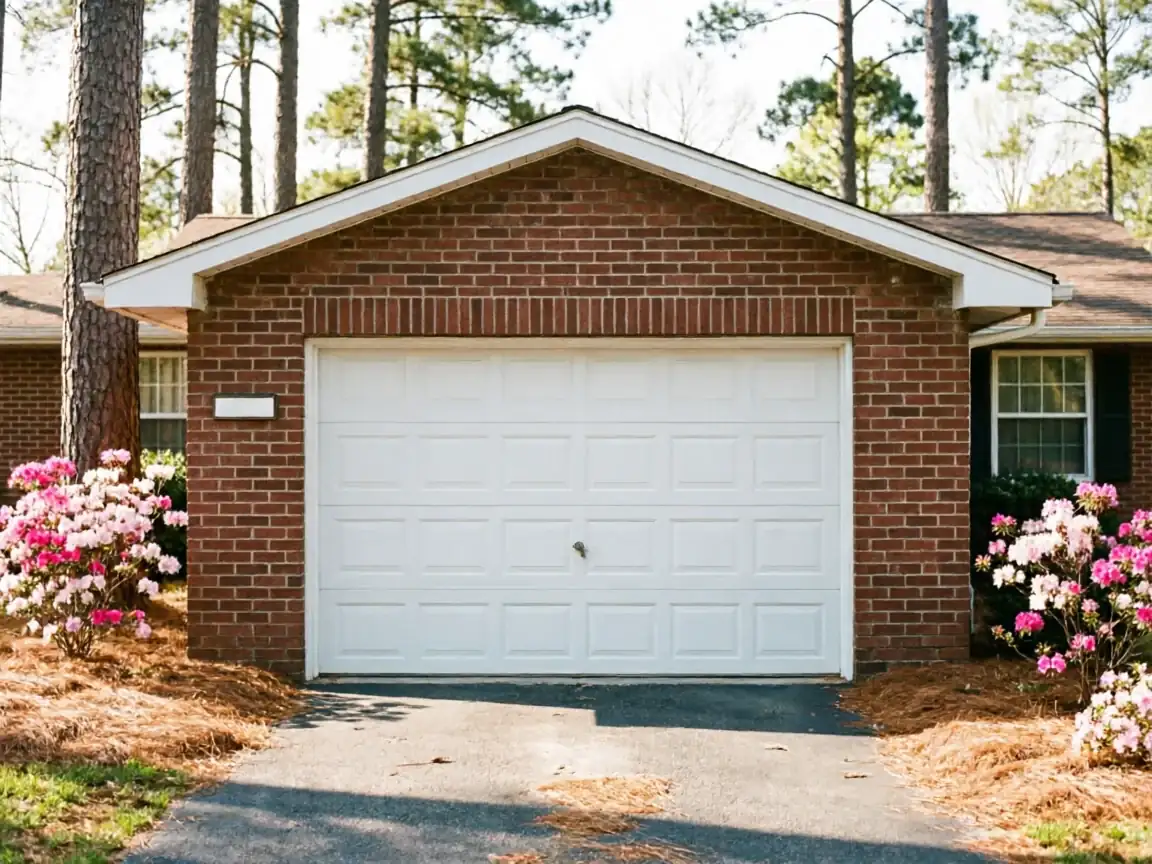
Most of the houses we work on in this service area went up between 1959 and 2011
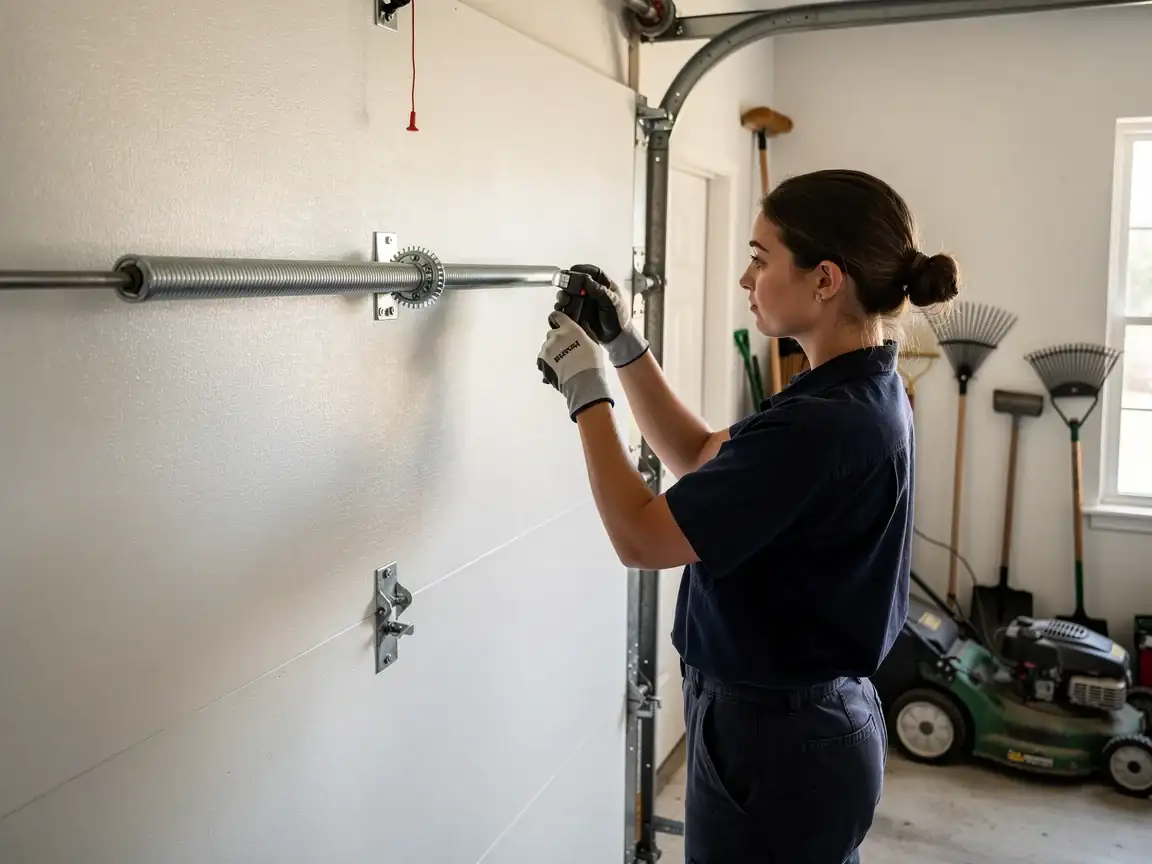
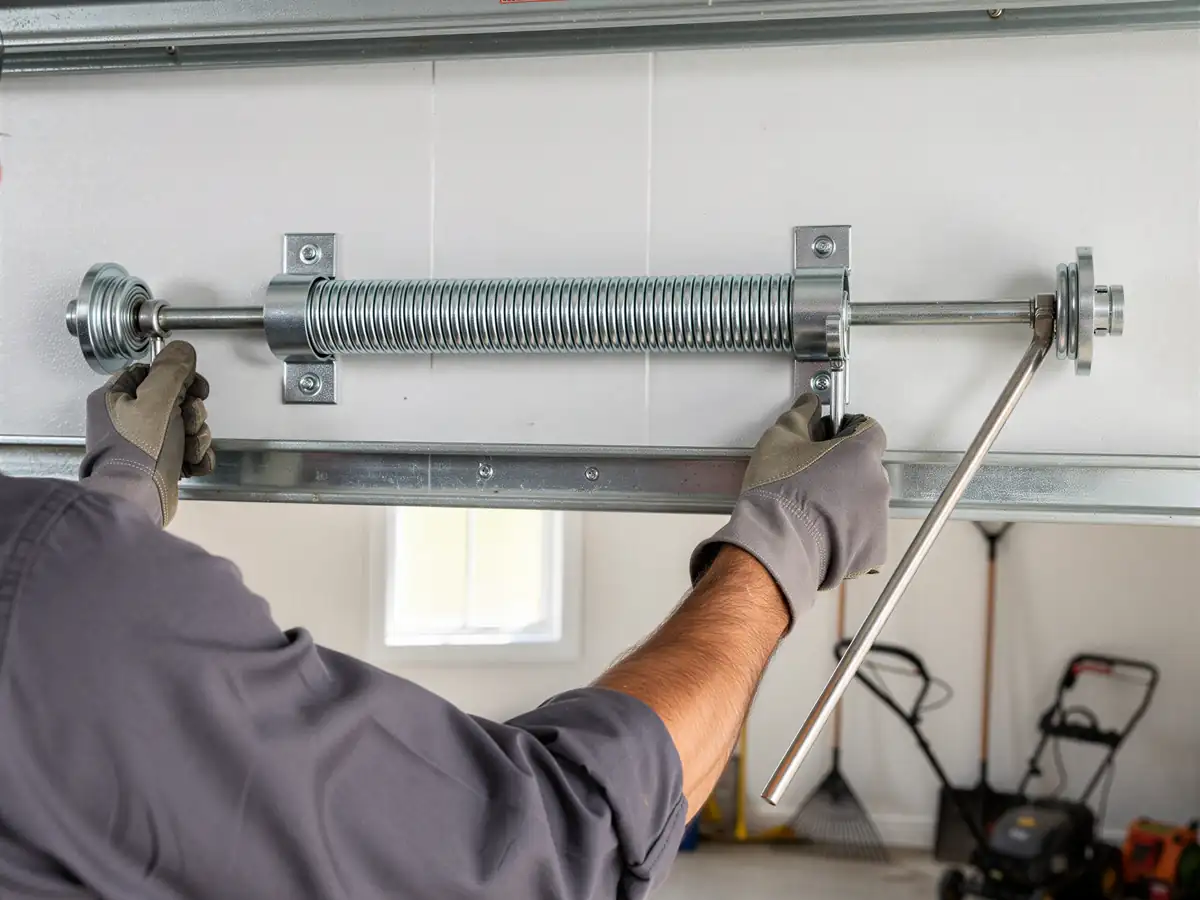
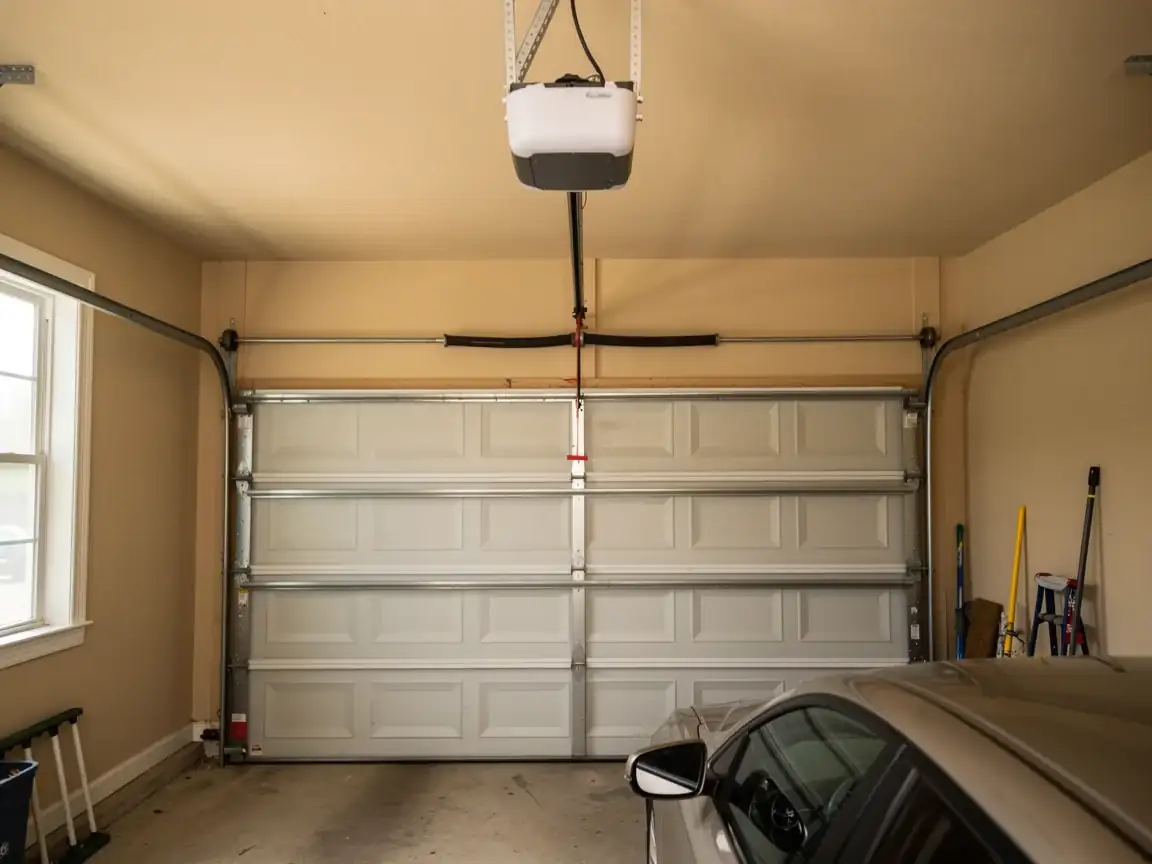
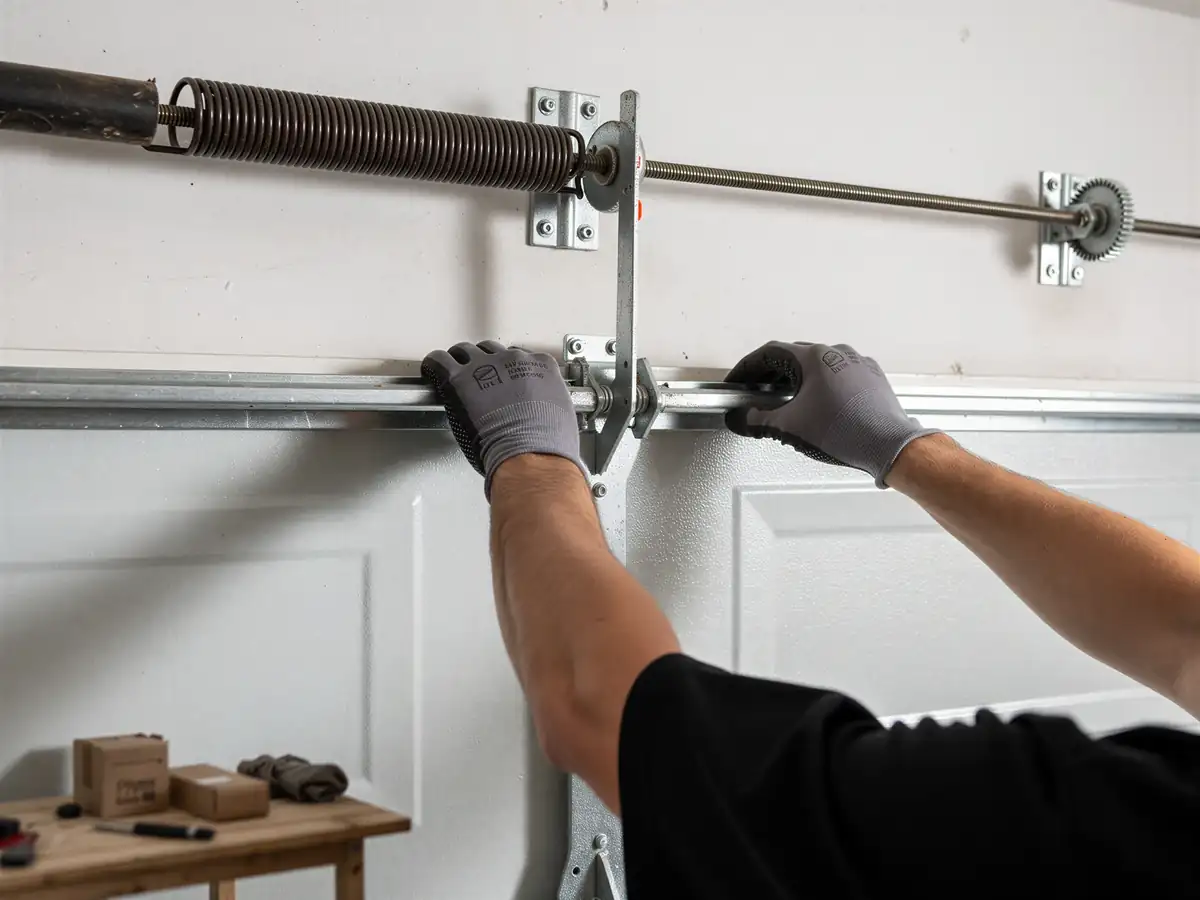
With the bulk of the stock dating to the 1980s and 90s across the 18 named communities we cover. That era of construction leaned hard on extension-spring door systems with lift cables running over pulleys at each top corner - a design that's cheap to build and fine for fifteen or twenty years, then starts to show its age all at once.
The cable itself is a bundle of thin steel strands wound tight and coated
On a door that's been going up and down for two or three decades, that coating cracks, the strands underneath start to rust from the inside, and the cable goes from strong to frayed without much warning in between. Add the moderate cold winters this part of the Piedmont gets - freeze-thaw cycles that stiffen the galvanized coating and make it more prone to cracking rather than flexing - and you've got a cable that's lived a harder life than a newer door thirty miles south would.
We see this most on original hardware that's never been touched since the house was built
If nobody's replaced the cables once, and the door is pushing twenty-five or thirty years old, a snapped or badly frayed cable isn't bad luck. It's just the part reaching the end of what it was built to do.
What It Costs
We're not going to put a number here we can't back up region-wide, because cable repair pricing depends on things that change door to door - whether it's a single cable or both, whether the drum or pulley got damaged when the cable let go, and whether the springs took any of the shock. What we can tell you is how the job scales: a clean single-cable swap on a door that's otherwise sound is the smallest version of this job, and it gets bigger fast if the cable snapped under tension and bent the bottom bracket or chewed up the track on its way down.
One honest limitation: if a cable snaps while the door is open, the door can drop hard and take other parts with it - rollers, brackets, sometimes the panel itself. That turns a cable call into a bigger repair, and there's no way to quote that over the phone before we've had eyes on it. We'll always tell you straight whether you're looking at a cable swap or something more, before we start any work.
The Symptom
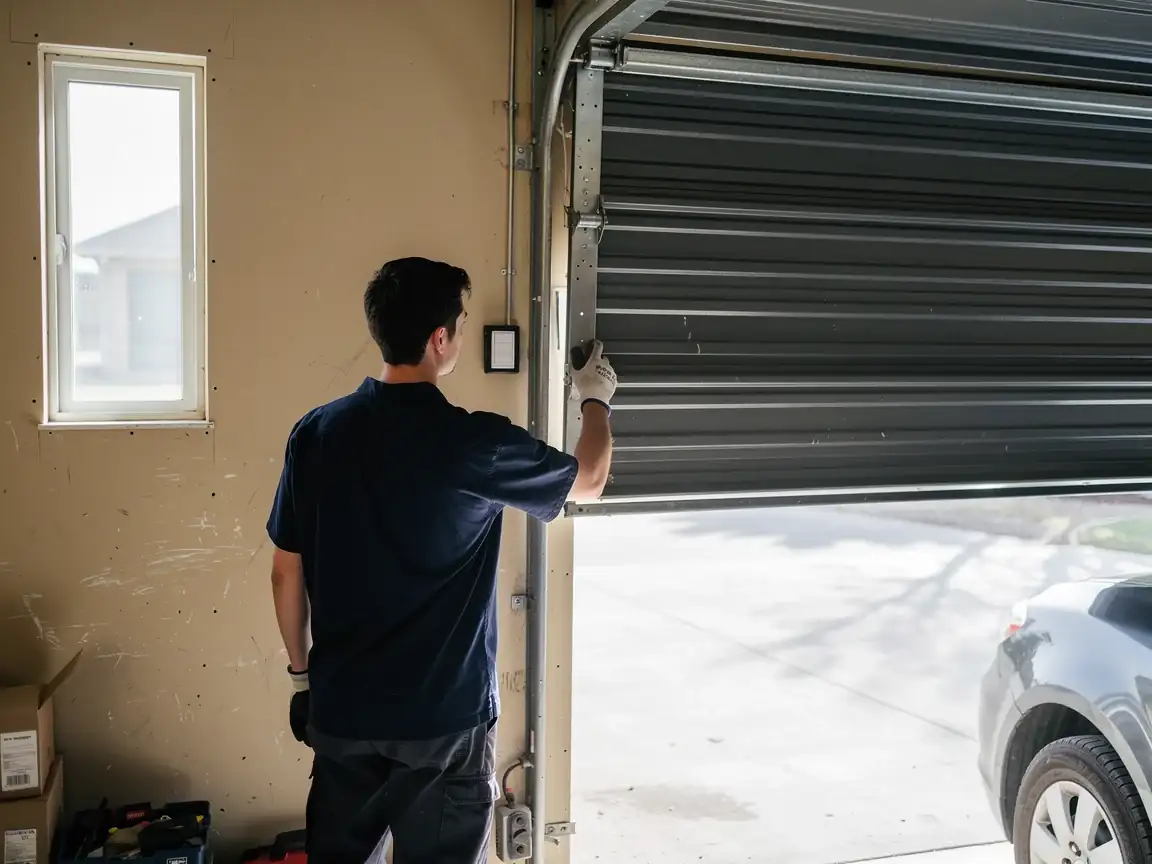
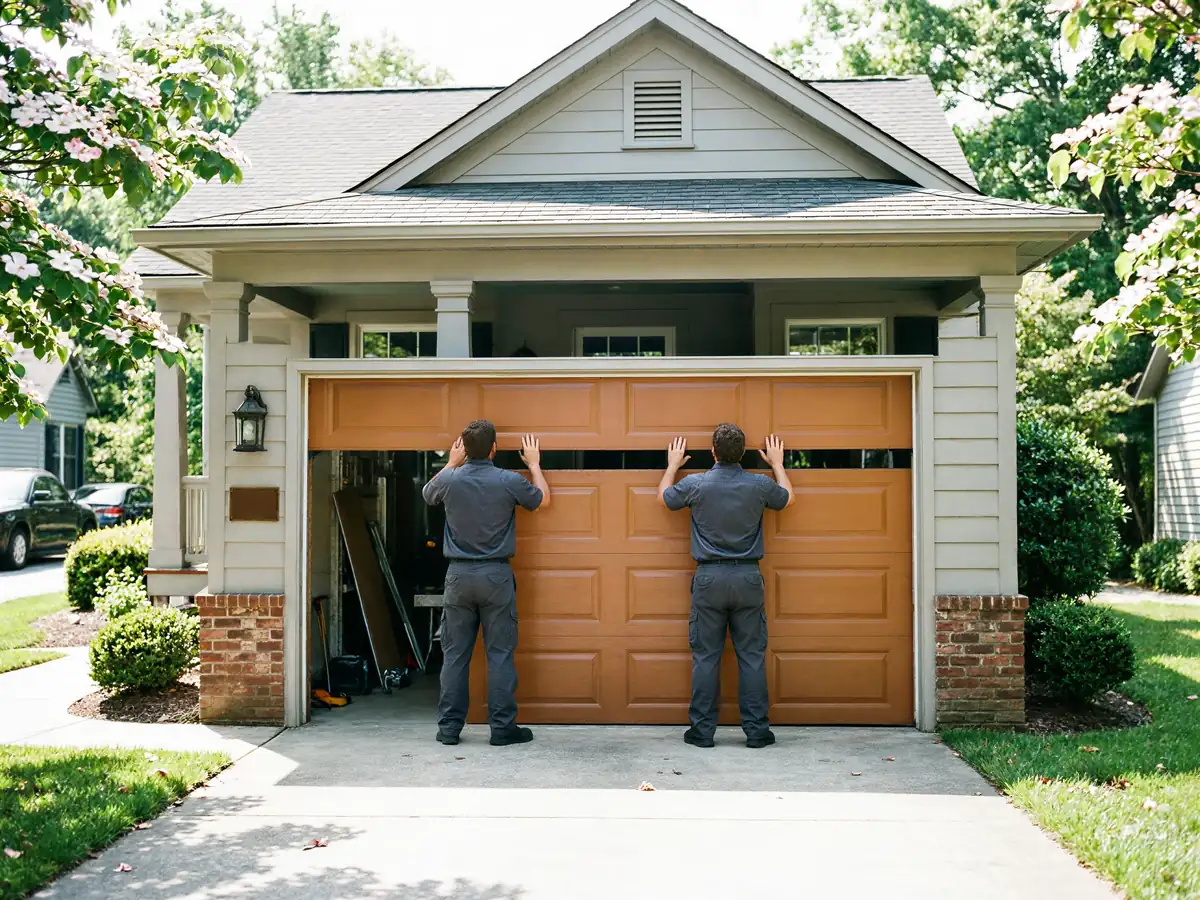
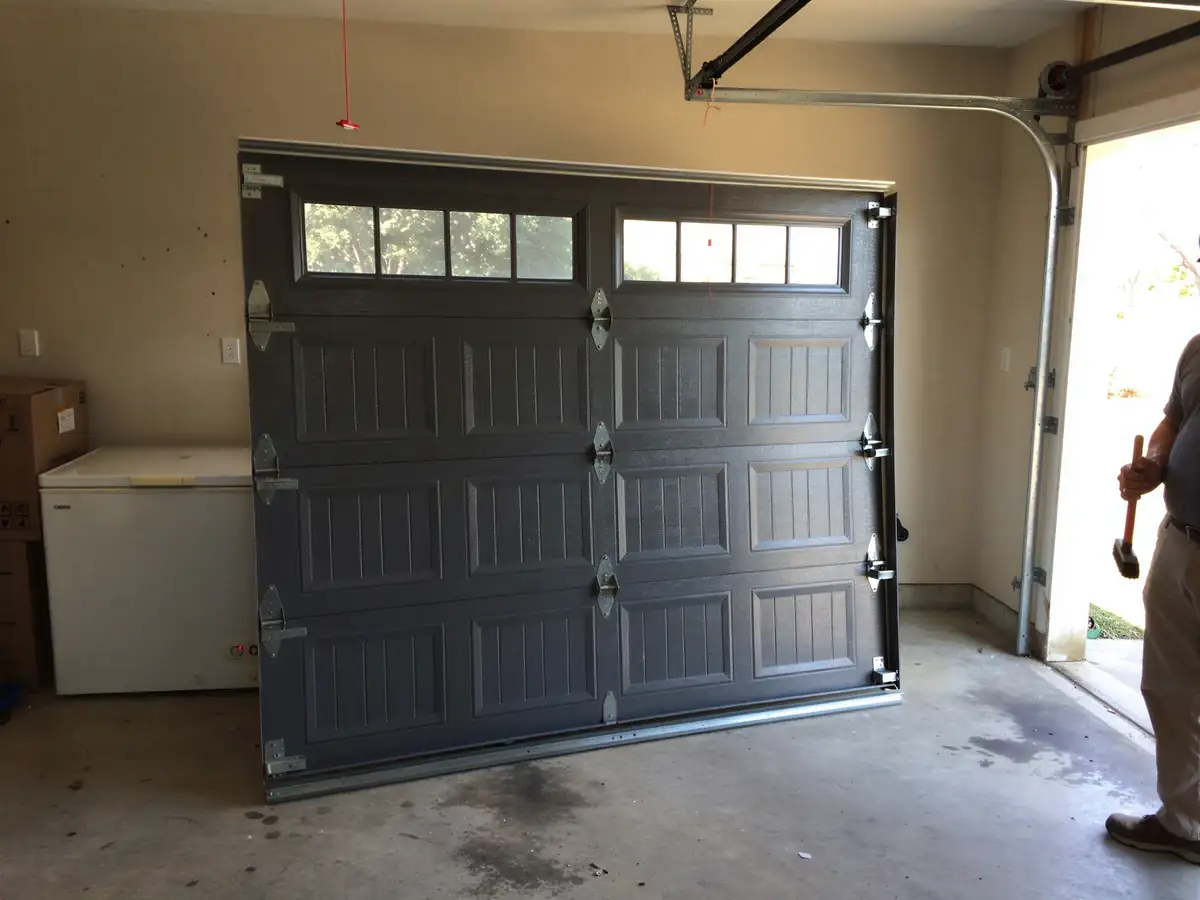
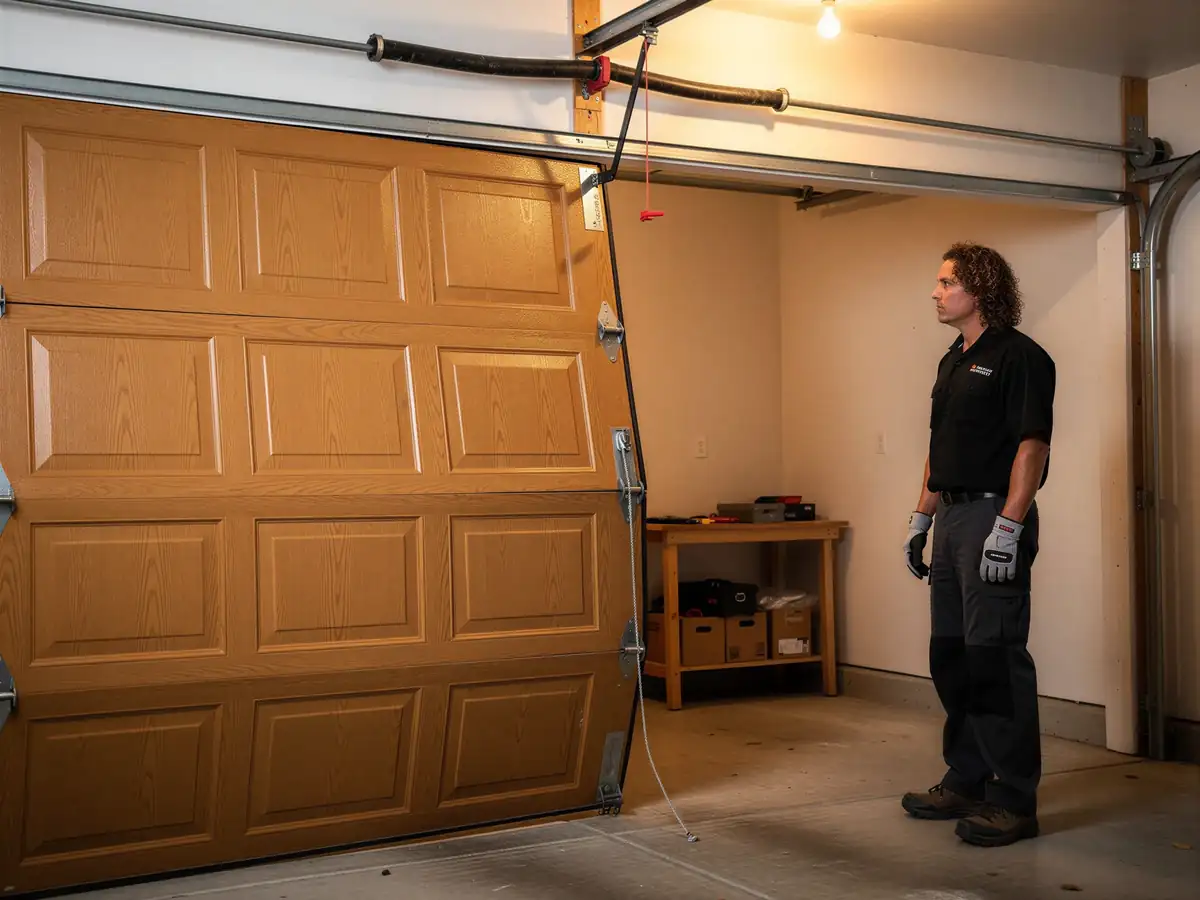
The classic sign is a door that drops unevenly - one side sags lower than the other, or the door tilts in the opening like it's hanging from one corner. That's usually one cable still holding while the other has let go or is stretched past where it should be.
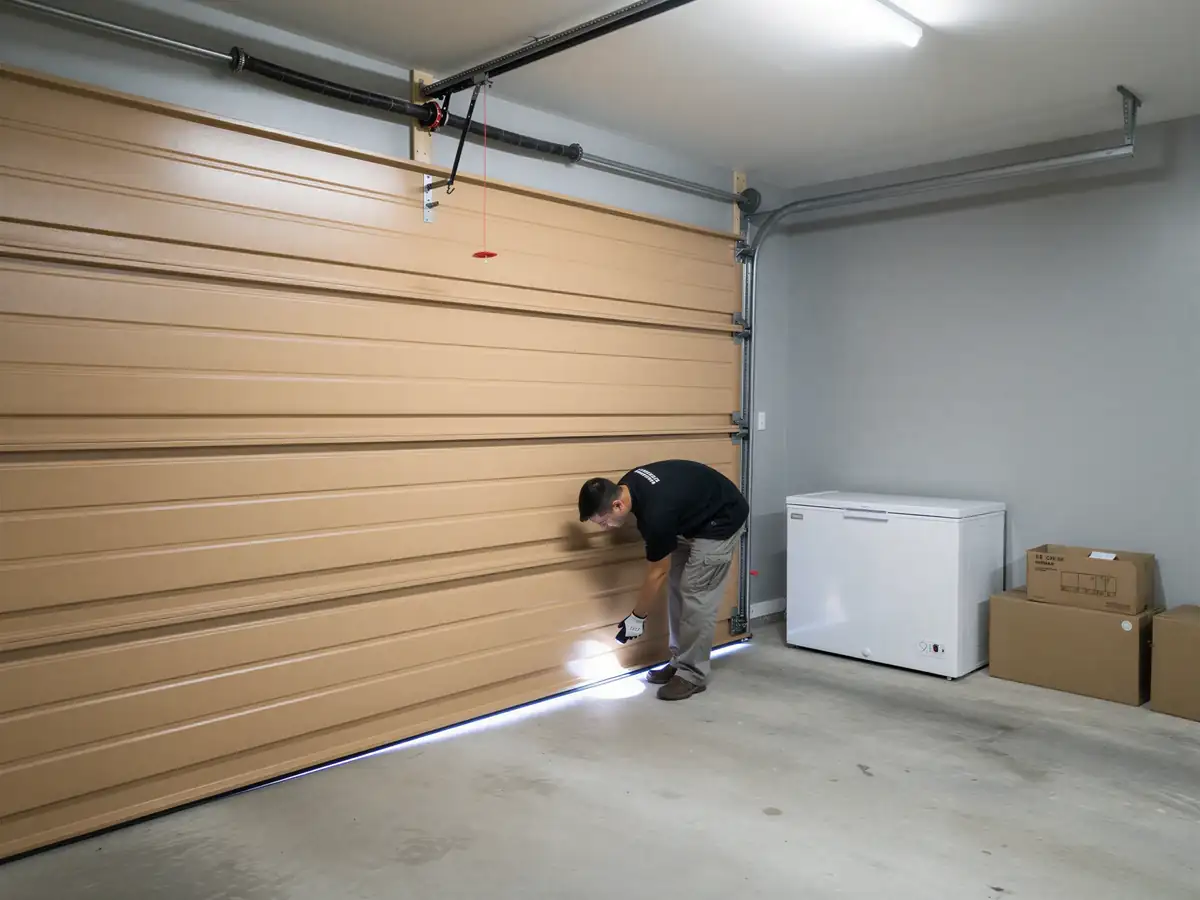
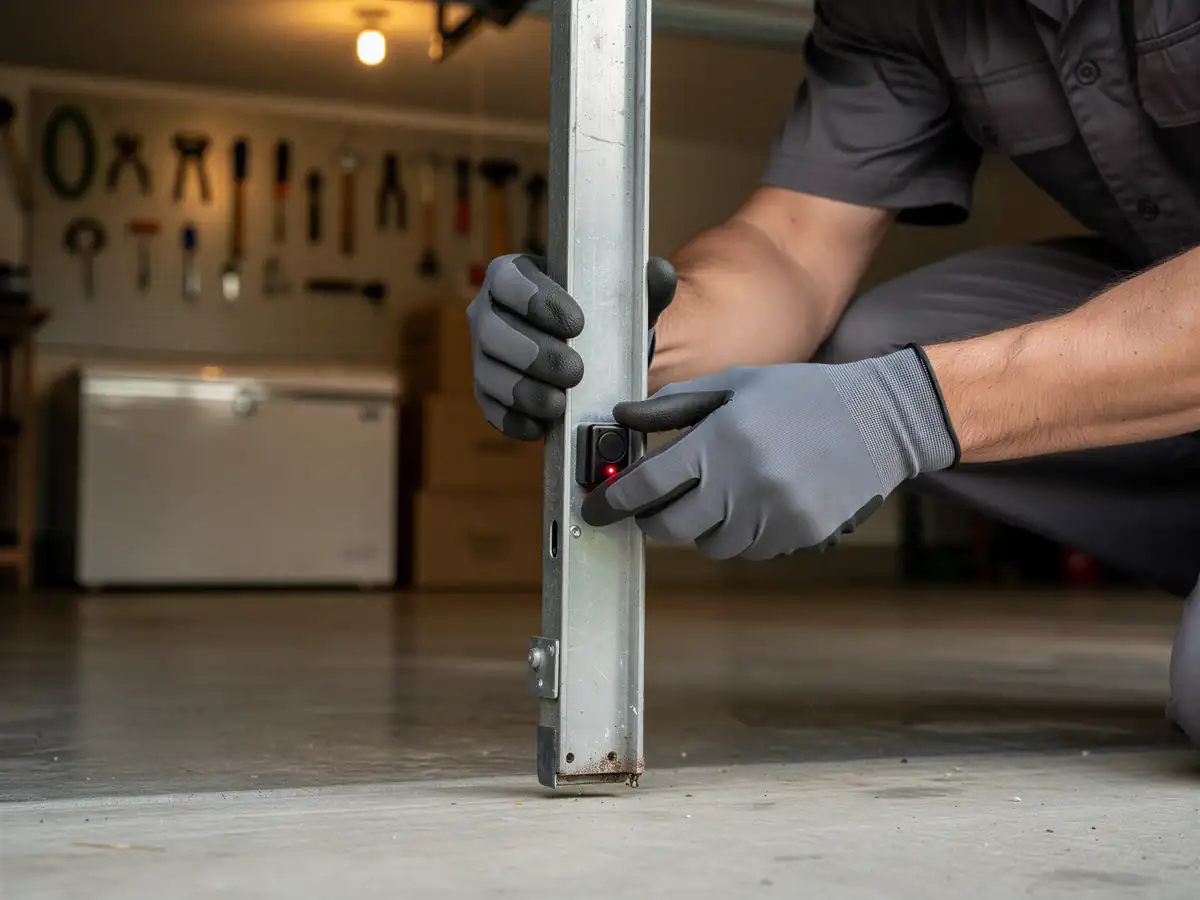
Sometimes it's less dramatic: a fraying cable will leave thin wisps of steel wire around the bottom bracket or drum, visible if you look up at the corners with a flashlight before the thing actually fails. You might also hear a snapping or popping sound right as the door was closing, followed by it refusing to move, or moving and then stopping hard partway.
A door that won't budge at all, with the opener straining and not lifting it, is often a full cable break rather than a spring problem - the opener can't do the lifting job the cable and springs normally share between them. If your door is on original hardware from the 80s or 90s and you're seeing any of this, don't keep running the opener trying to force it. That's how a cable job turns into a track and roller job.
What Is on the Truck
For cable repair calls across this service area
The truck carries galvanized aircraft cable in the common gauges used on residential extension and torsion systems, matched to standard drum and track sizes found on doors built from the 1960s through the 2000s - which covers the range of housing stock we run into from Davidson out to Troutman and Harrisburg.
We also carry replacement pulleys, bottom brackets, and the fasteners that usually go with a cable failure
Since a snapped cable under tension often takes a bracket or pulley with it on the way down. Cable is one of those parts we stock in bulk rather than special-order, because it's a high-failure item on older doors and there's no reason to make a homeowner wait on it.
What we don't carry pre-loaded on the truck is specialty or oversized cable for commercial doors or unusual non-residential track setups
That's a different animal and we'll tell you up front if that's what you're dealing with rather than try to force a fix with the wrong gauge.