Why It Happens Here
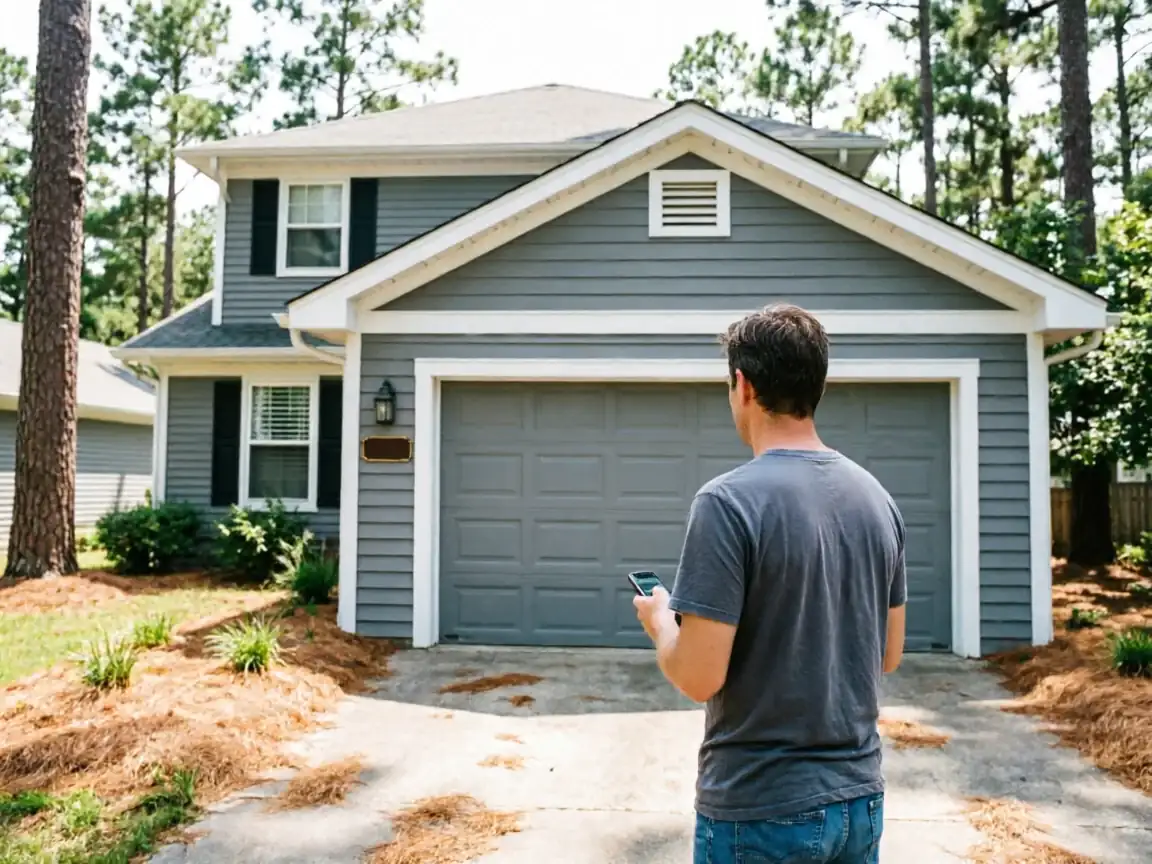
Most of the garage doors we work on in Cornelius sit on houses built between 1959 and 2011
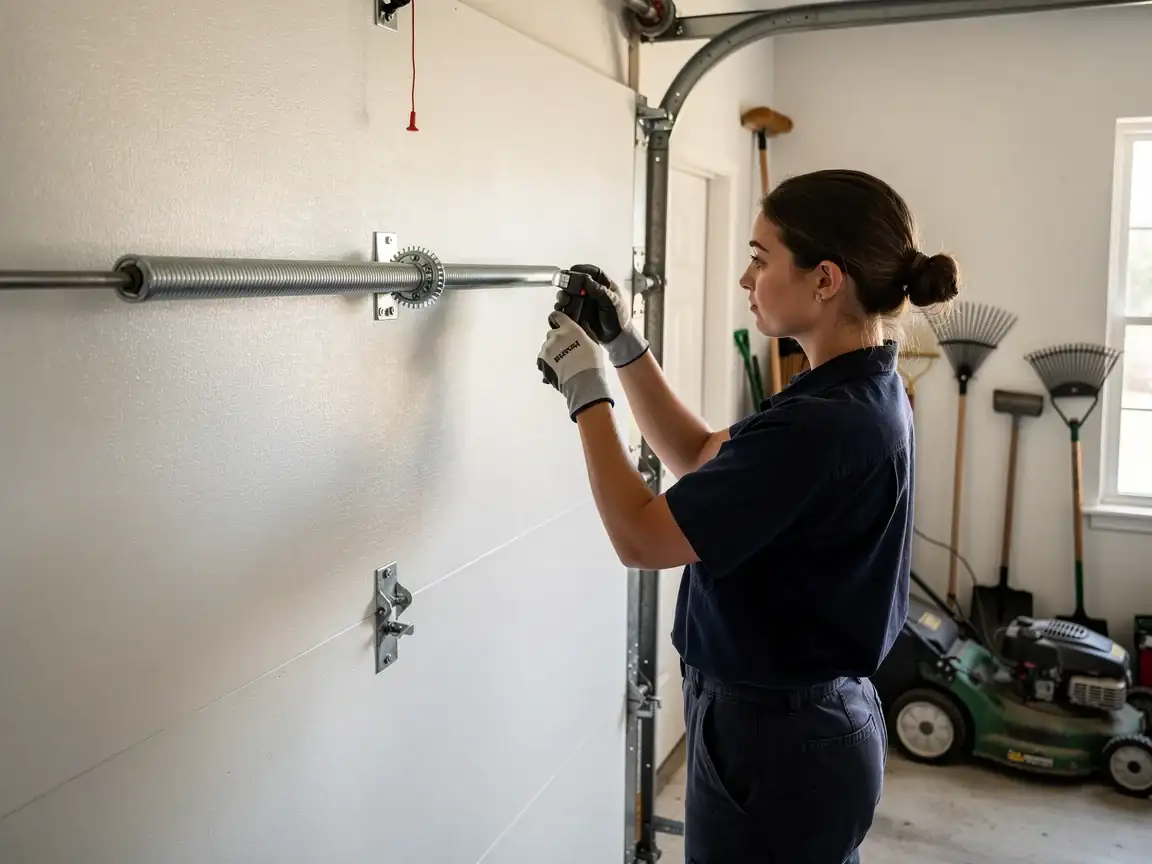
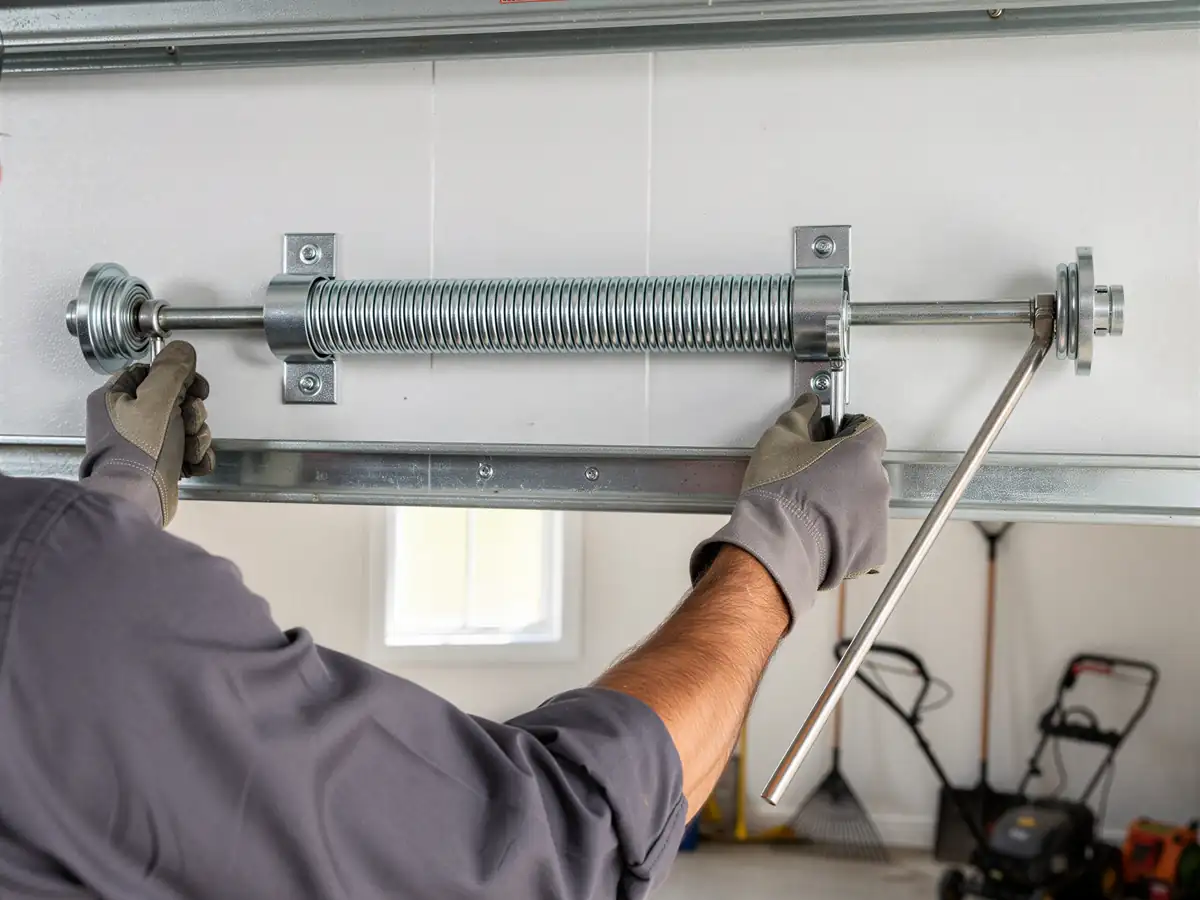
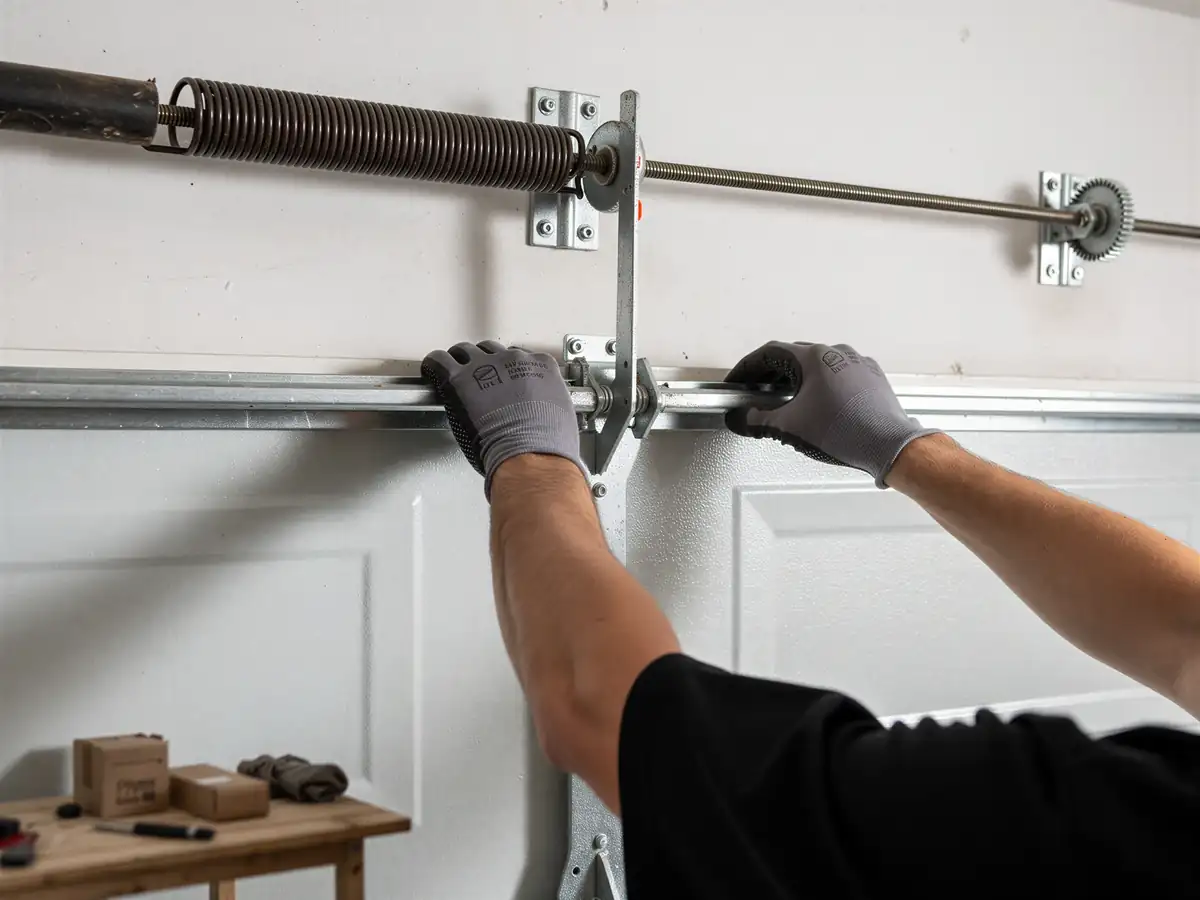
With the bulk of that stock going up in the 1980s and 90s across the area's eighteen named neighborhoods. That matters because torsion springs, rollers, and openers all have a service life measured in cycles, not years, and a house built in 1985 is now thirty-plus years into daily door lifts. The springs installed at construction are long past due, even on doors that still look fine from the driveway.
The climate here is cold-moderate, not harsh
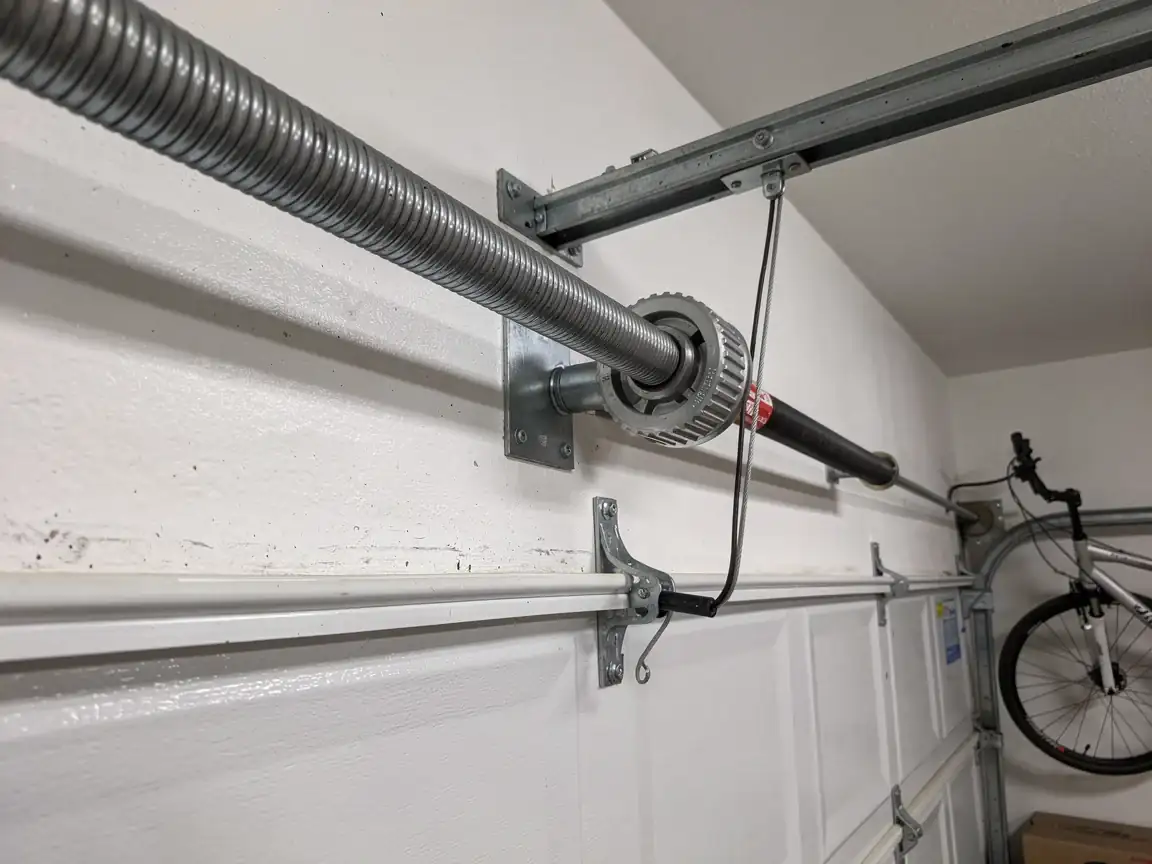
But it still swings enough through the year to stiffen grease in bearings and tighten steel cable just enough to change how a door tracks. On an original torsion spring that's already fatigued, that seasonal tightening is often the push that finally snaps it. We see this pattern over and over in the same age bracket of house: a door that worked fine in October and won't lift in January, not because anything broke overnight, but because thirty years of cycles and one cold stretch landed on the same week.
What It Costs
We're not going to put a number on this page that we can't back up, because the honest answer is that cost depends on what's actually wrong, not on your zip code. A single torsion spring swap on a standard double door is a different job than a full spring, cable, and roller replacement on a door that's been limping along for years. Opener age matters too - a strained motor that's been fighting a bad spring for months sometimes needs more than a new spring to run right again.
What we can tell you: we price the job after we look at the door, not over the phone from a description. Spring size, door weight, and how much else has worn alongside the spring all factor in. If a cable or roller is on its way out next to the spring, we'll say so before we close the door up, rather than have you call us back in six months for the next piece.
The Symptom
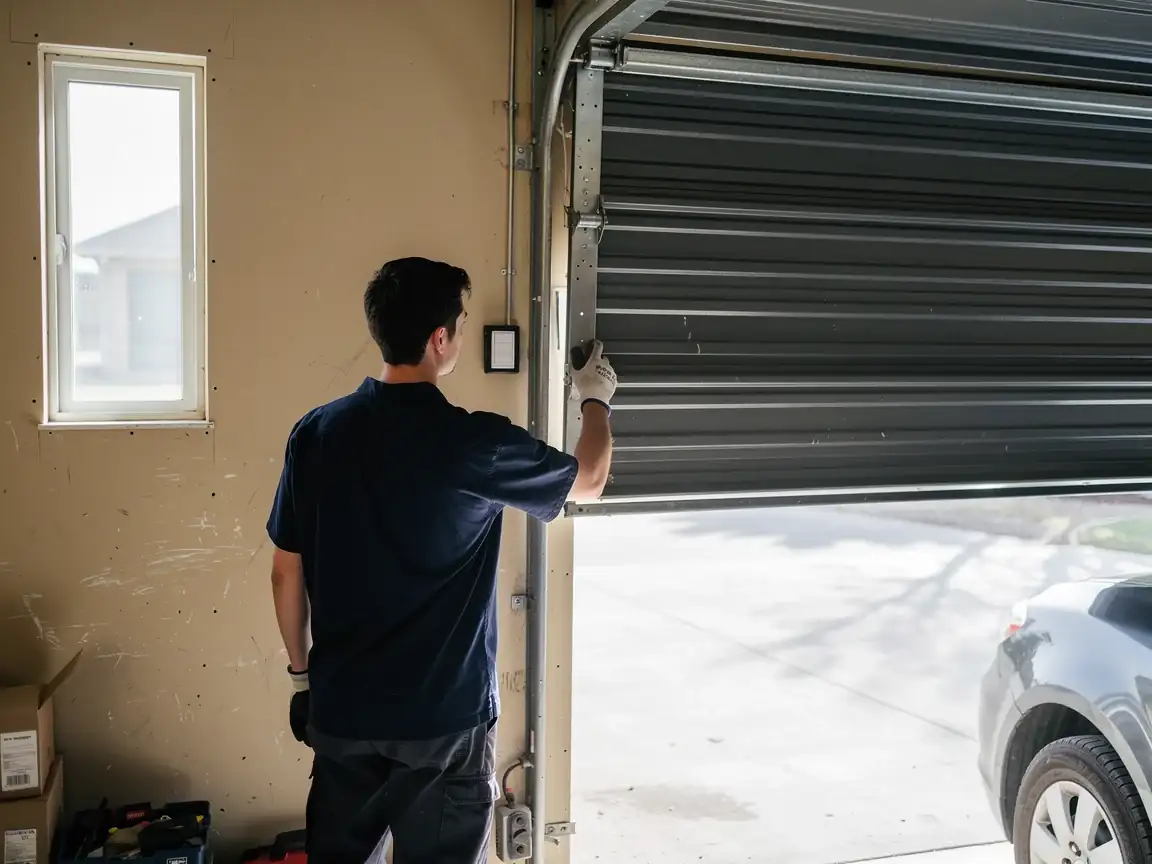
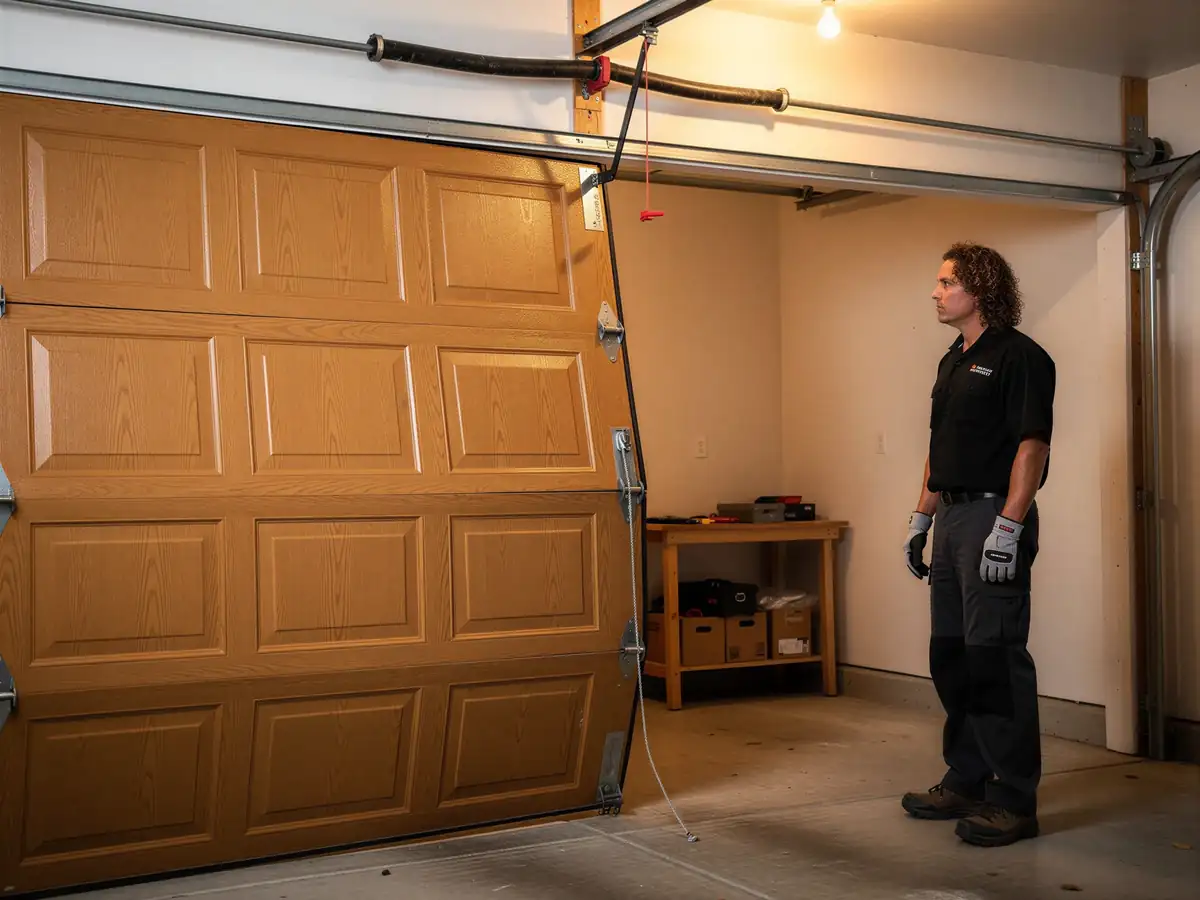
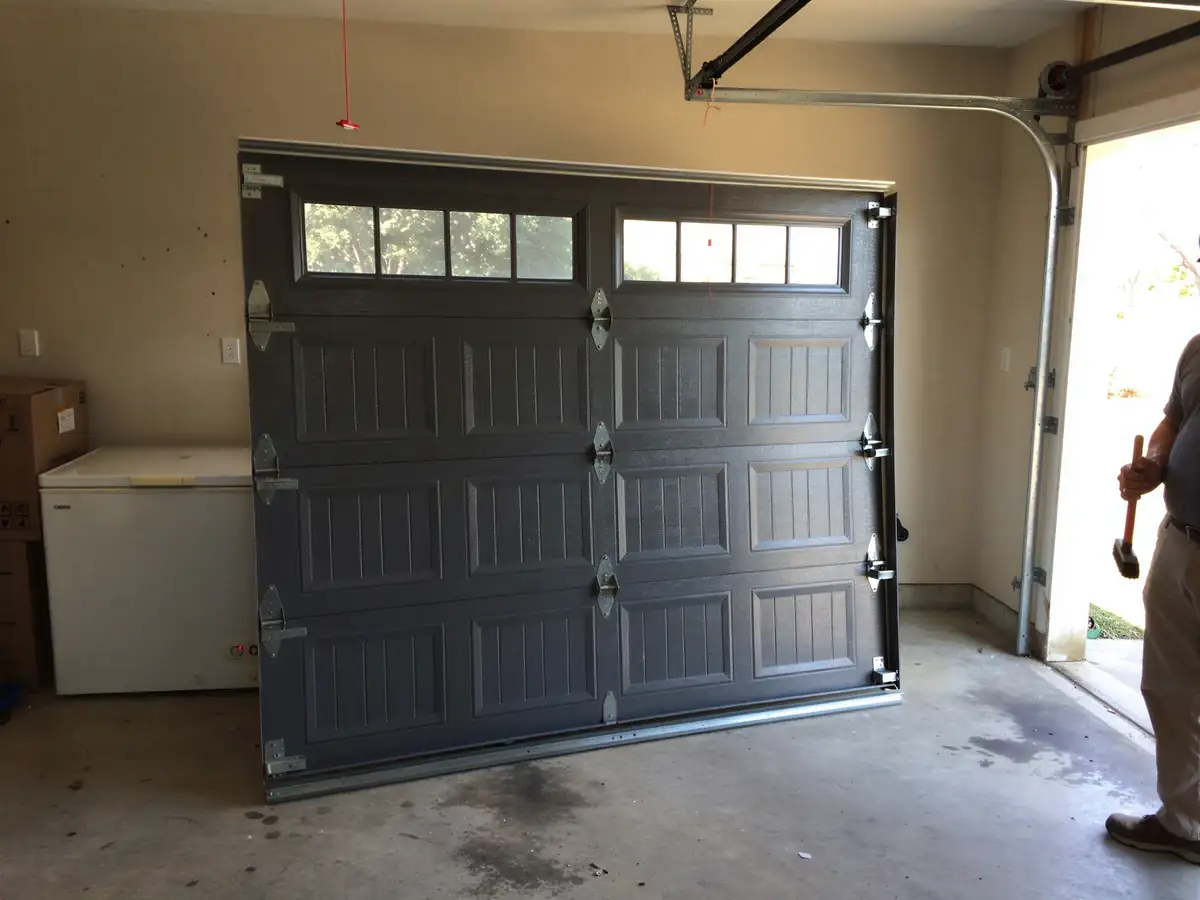
The classic sign in a Cornelius house of this era is a door that hesitates right at the start of the lift - it shudders, the opener strains, and then it either catches and finishes the lift slow, or it stalls and reverses. Sometimes you'll hear a loud bang from the garage days or weeks before the door actually quits; that's usually the spring giving out, not the opener.
A door that's heavy to lift by hand when you pull the release cord is telling you the spring has already lost most of its tension, even if the opener is still muscling it through. Don't keep running the opener through a dead spring - that's how a thirty-year-old torsion setup takes the opener motor down with it.
What Is on the Truck
For the age and style of door common on Cornelius houses built from the 1980s through the 90s
We carry torsion springs sized to the heavier double-door setups that era favored, along with galvanized lift cable, sealed rollers, and the hinges that wear fastest on steel sectional doors. We stock the opener parts that fail most on units old enough to be original to a 1980s or 90s build - drive gears, sensors, and the relay boards that give out before the motor itself does.
One limitation worth saying plainly
If your opener is a model old enough that the manufacturer no longer makes parts for it, we may recommend replacing the unit rather than chasing a part that's backordered for weeks. We'd rather tell you that up front than have your door sit half-fixed on the truck's next trip out.