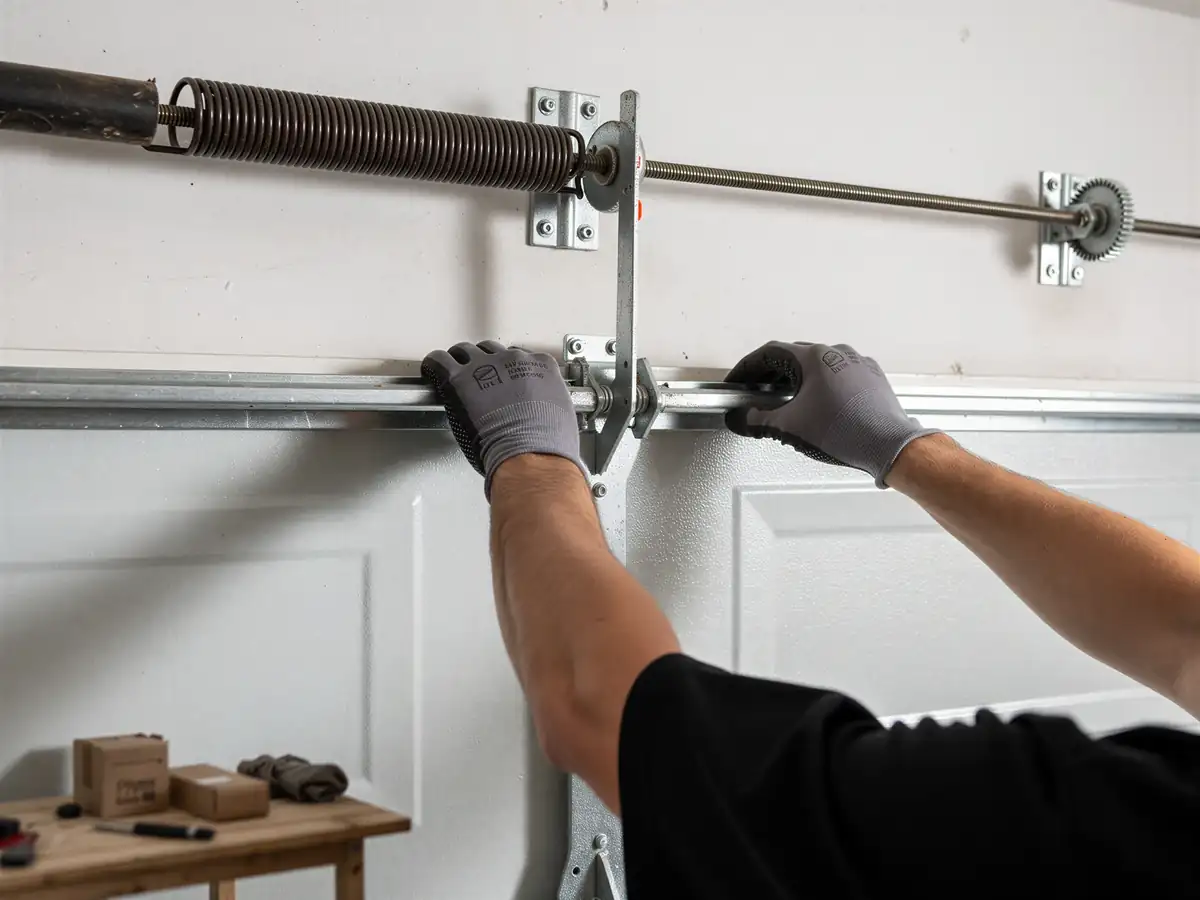
What That Noise From Your Garage Door Is Actually Telling You
Cornelius homes built mostly in the 1980s and 90s make specific noises as original hardware ages. Here's how to tell a cold-weather squeak from a real problem.
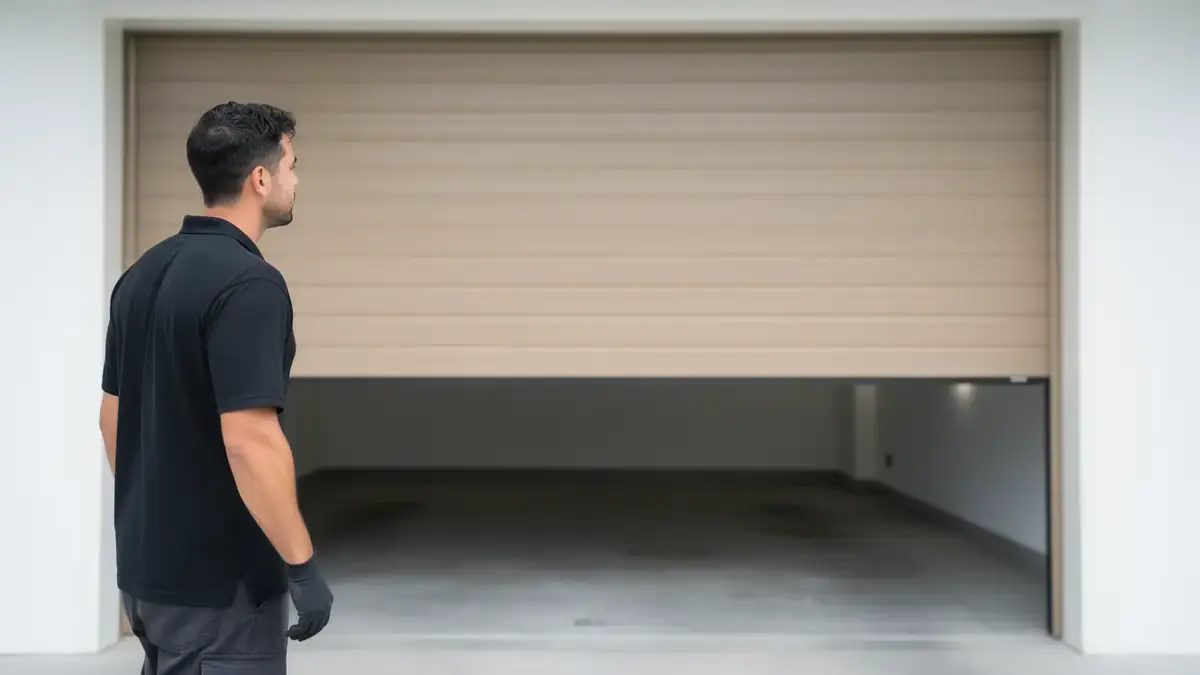
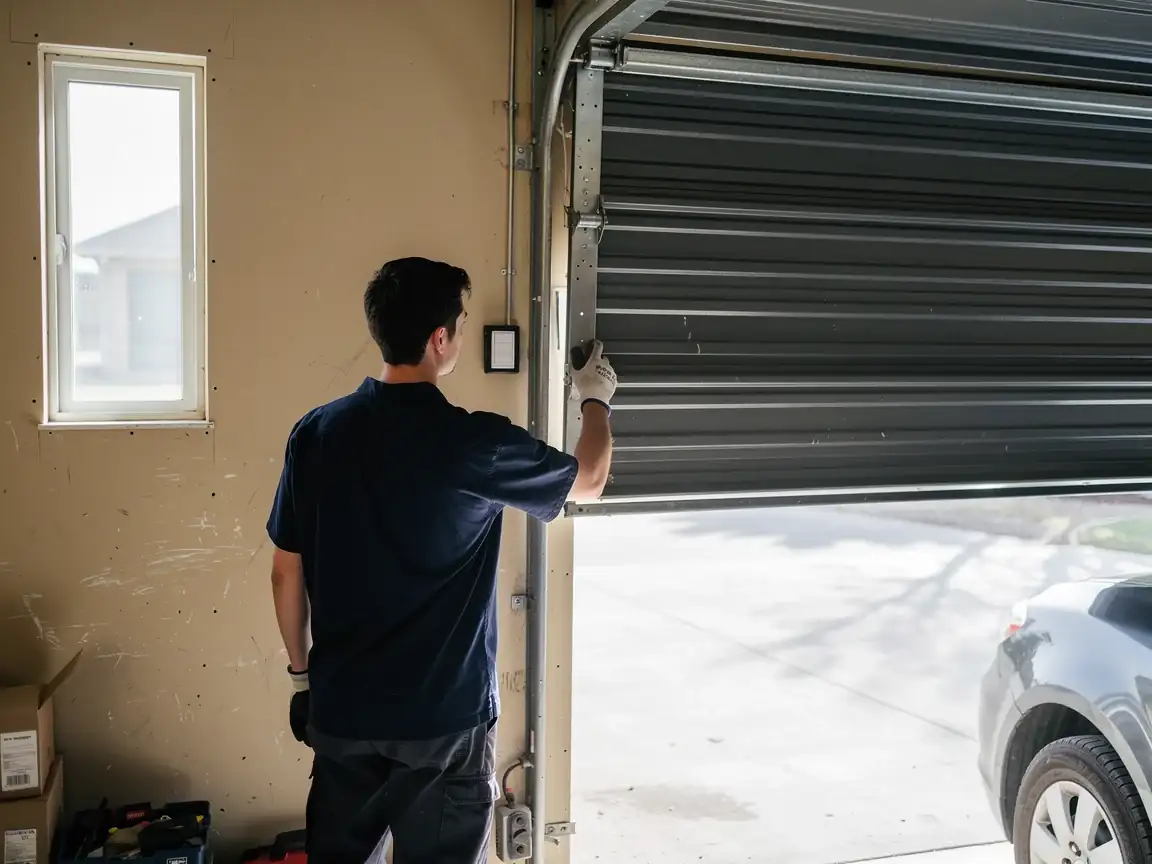
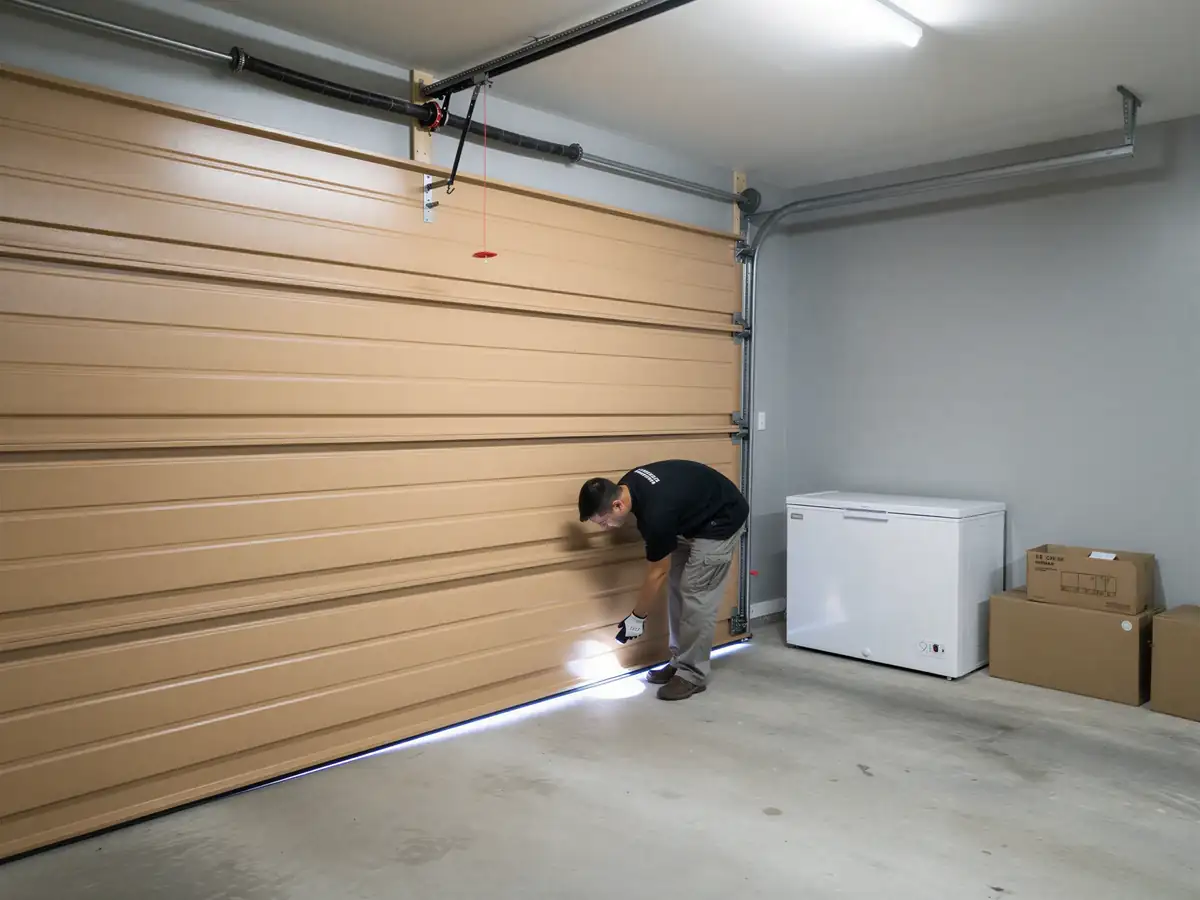
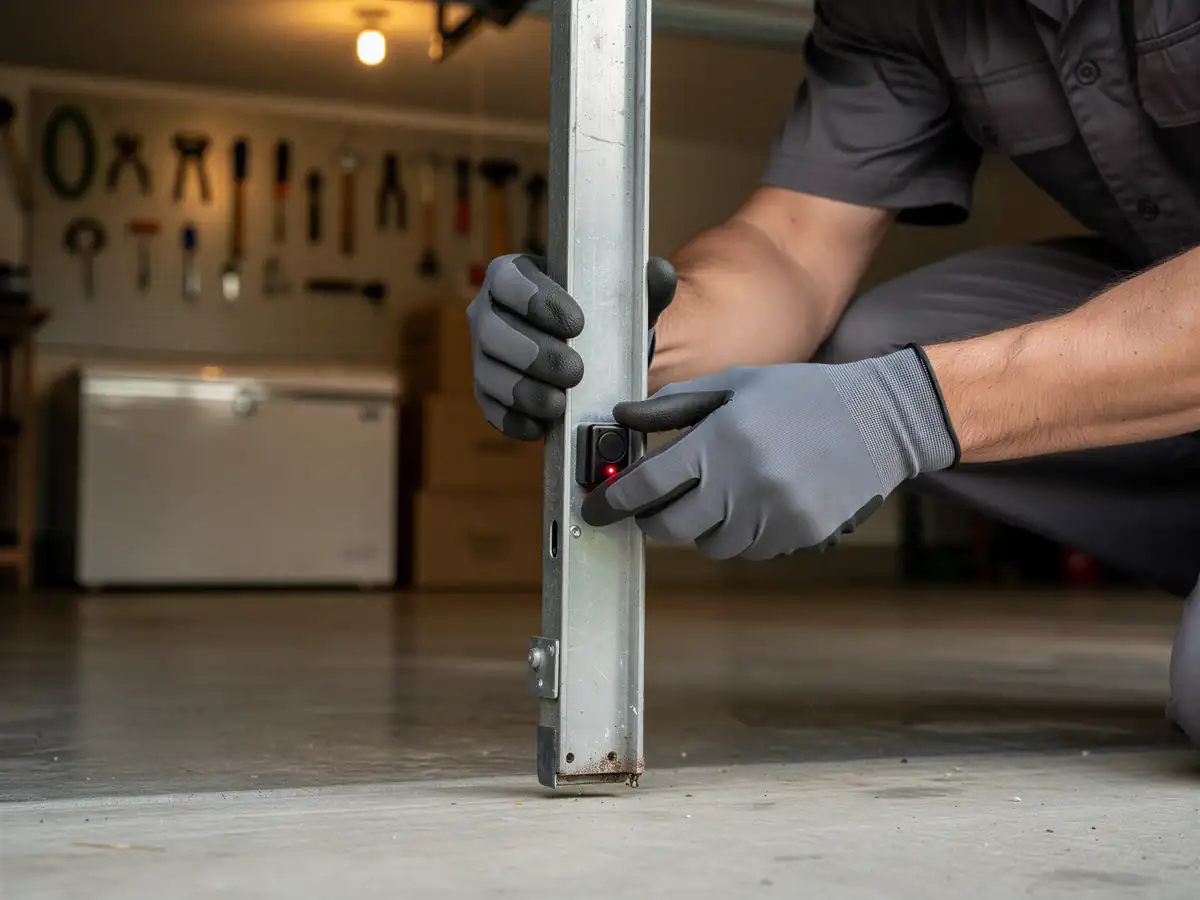
Most of the housing stock around Cornelius went up between 1959 and 2011, with the bulk of it dating to the 1980s and 90s. That matters because a door built in that window is old enough now that the original hardware - rollers, hinges, the spring itself - is past its rated cycle count, but not so old that everyone assumes it needs replacing. Start by opening and closing the door by hand with the opener disconnected. Listen for where the sound starts: at the bottom section as it lifts off the floor, partway up the track, or right at the header where the spring sits. A grinding sound low on the track usually means a roller is going. A sharp bang near the top, especially on a door in this age bracket, is often a stretched or worn end bearing plate, not the spring itself. Check the lift cables for fraying while you're at it - on 80s and 90s doors these are original more often than homeowners expect, since nobody thinks to replace a cable until it snaps. Write down where the noise happens in the door's travel before you call anyone. That detail saves a diagnostic trip.
The Problem
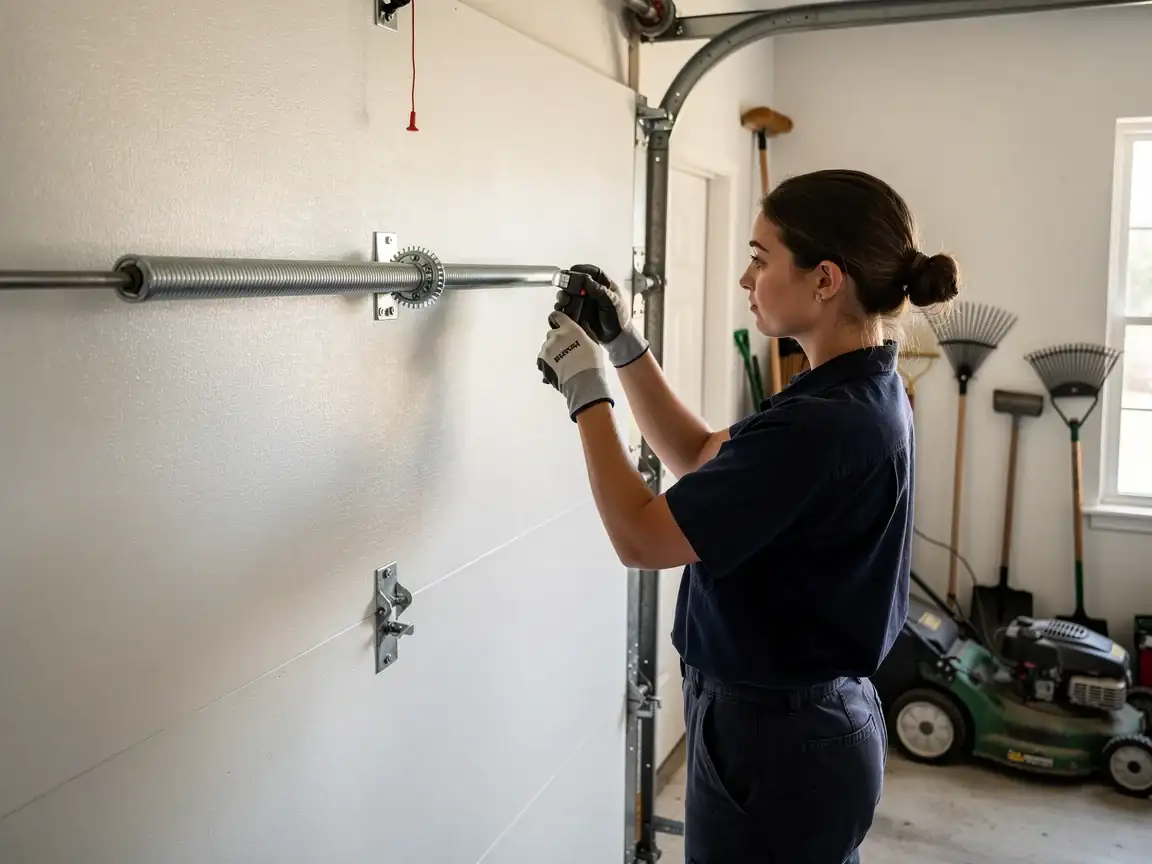
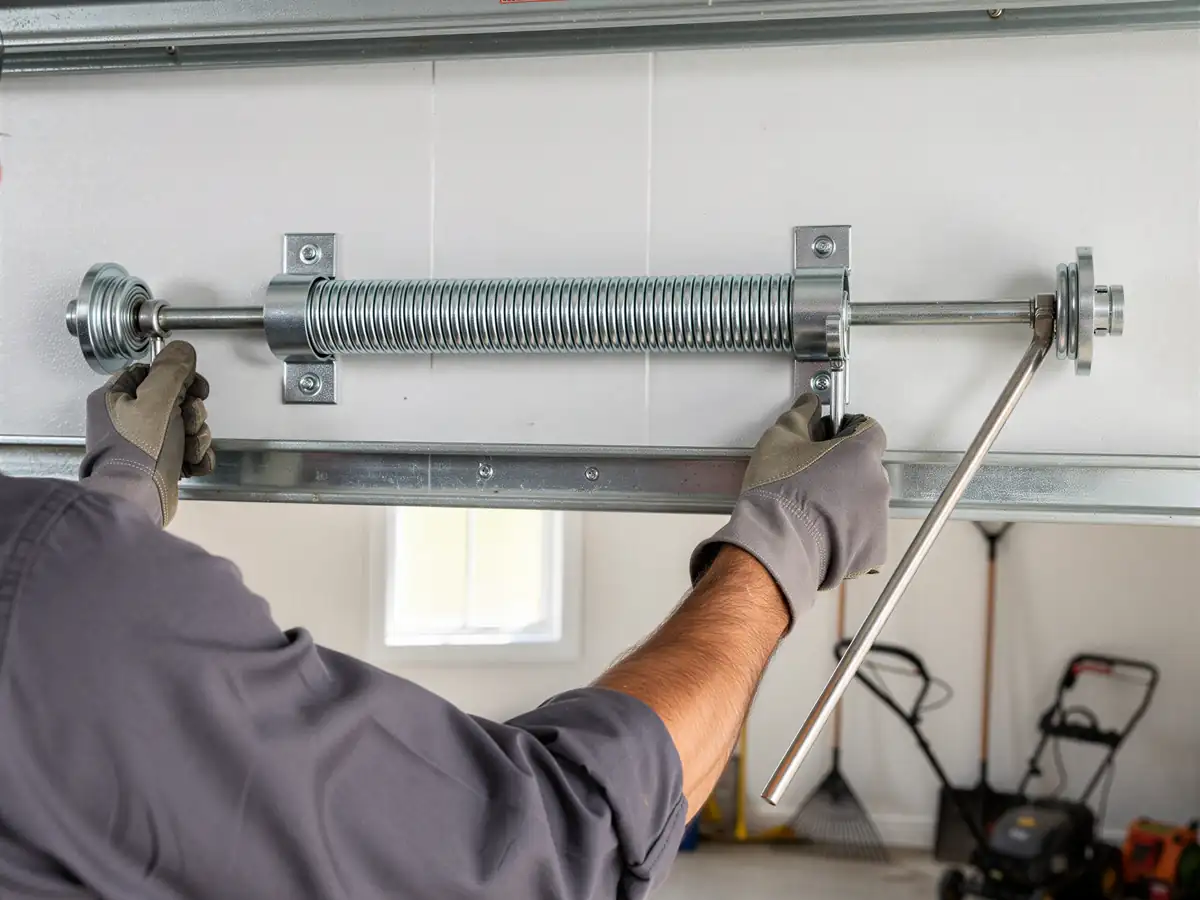
The age spread across this area - 1959 to 2011 homes mixed together inside the same neighborhoods - means there's no single fix that applies to every house. A door from the late 90s typically still runs steel rollers and a standard torsion spring sized for the door weight of that era. A door closer to 1959 or 1961 vintage, if it hasn't been replaced yet, may still be on a single spring setup that was never designed for the heavier insulated sections homeowners have since swapped in. That mismatch - original spring, newer heavier door - is a common source of a labored, straining sound on lift that owners describe as the opener 'working too hard.' It isn't the opener. It's a spring sized for a door that no longer exists. We see this pattern often enough in the mix of ages here that it's worth checking the spring's gauge against the door's actual weight before assuming the motor is failing.
What Local Conditions Do
Cornelius sits in a cold-moderate climate band, which means winters cold enough for metal to contract but not cold enough to crack it outright like a true northern climate would. What that temperature swing does is loosen fasteners over repeated seasons - the track brackets, the hinge screws - just enough that they rattle instead of staying tight. A squeak that only shows up on cold mornings and disappears by afternoon is almost always this: metal parts at slightly different temperatures moving against each other until the door's been open and shut enough times to work itself loose. It's not a sign of failure on its own. Condensation is the other side of it. On mornings after a cold night, moisture on the track can make a roller sound like it's grinding when it's actually just slipping on a wet surface. Run the door two or three times before concluding a roller needs replacing - if the sound clears up, it was moisture, not metal.
Leaving It Alone
Here's the honest limit: if the noise is new, intermittent, and tied to temperature or humidity the way described above, it often isn't worth a service call yet. Spraying anything on a noisy spring yourself is where we'd stop you - a torsion spring under tension is not a DIY lubrication job, full stop, and we don't recommend opening that housing without the right bars. But a squeaky hinge or a track bracket that's worked loose after a few cold snaps is something you can snug up with a wrench in five minutes. Given how mixed the housing ages are across this area, from 1959-built homes to ones finished as recently as 2011, there's real variation in what originalhardware is still on a given door, and that's exactly why we'd rather talk through what you're hearing before guessing at a part over the phone.
How it works
From “it’s stuck” to “it’s fixed”
1
Tell us what’s wrong
Describe the symptom - won’t open, loud bang, opener runs but the door won’t move.
2
On-site diagnosis
A technician tests the door under power and by hand and finds what actually failed.
3
Clear, up-front plan
You get the fix that’s needed and what drives the cost - before any work starts.
4
Repaired & tested
The repair is done, the door is set true and tested, and the work area left clean.
Not sure which repair your door needs in Cornelius, NC? Describe what it’s doing - every job starts with a diagnosis.
Cold-moderate winters here cause metal brackets and hinges to contract slightly, which loosens fasteners that were snug in warmer months. The squeak usually fades once the door's cycled a few times and the parts settle. If it's new every winter and disappears by spring, it's a tightening job, not a repair.
Is a grinding sound always the spring?
No. On mornings after a cold night, condensation on the track can make a roller sound like it's grinding when it's just slipping on moisture. Run the door a few times before assuming a roller or spring has failed - if the sound clears, it was wet metal, not worn metal.
My house is from the late 1990s - should I expect different noises than a newer house?
Likely yes. Housing in this area built in the 1980s and 90s often still runs original steel rollers and torsion springs sized for the door weight common then. Those parts are past typical cycle life now, so straining or grinding sounds show up more often on these than on homes finished closer to 2011.
Can I lubricate a noisy spring myself?
We'd rather you didn't. A torsion spring holds serious tension and isn't a safe DIY lubrication job without the right winding bars. Hinges, rollers, and track - fine to handle yourself. The spring housing is where we draw the line.
Ready to get your garage door sorted?
Tell us what it’s doing and where you are in Cornelius - we’ll take it from there.