Is Your Cornelius Garage Door Worth Fixing, or Is It Done
Cornelius homes mostly date to the 1980s and 90s, with stock running 1959 to 2011. Here's how to tell if your door's original hardware is worth repairing or past it.
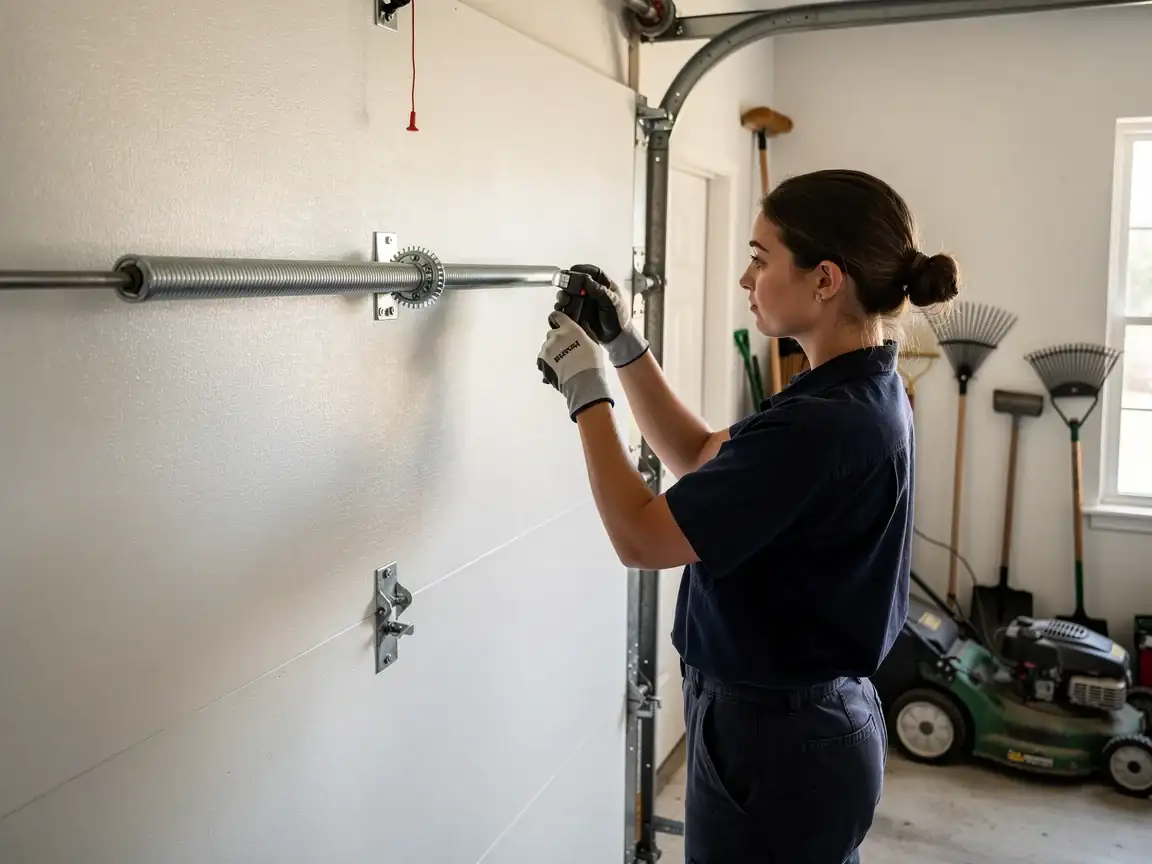
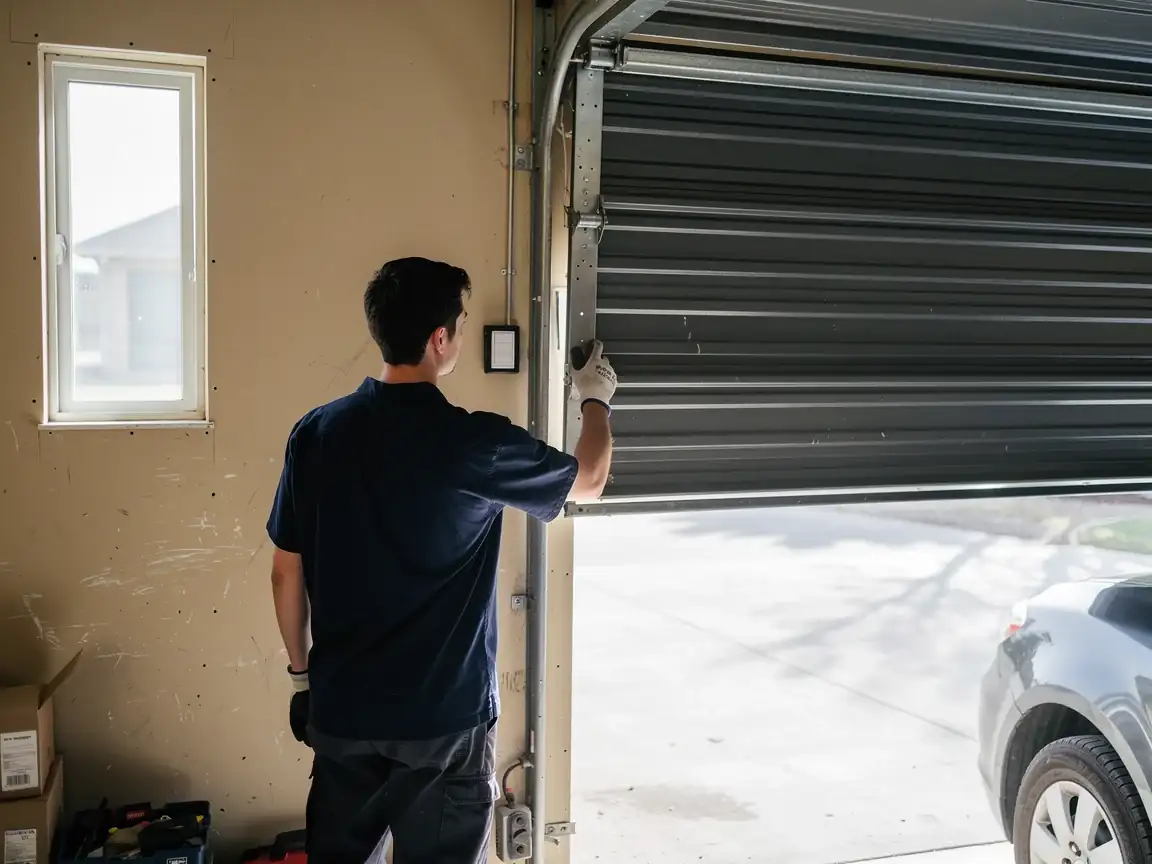
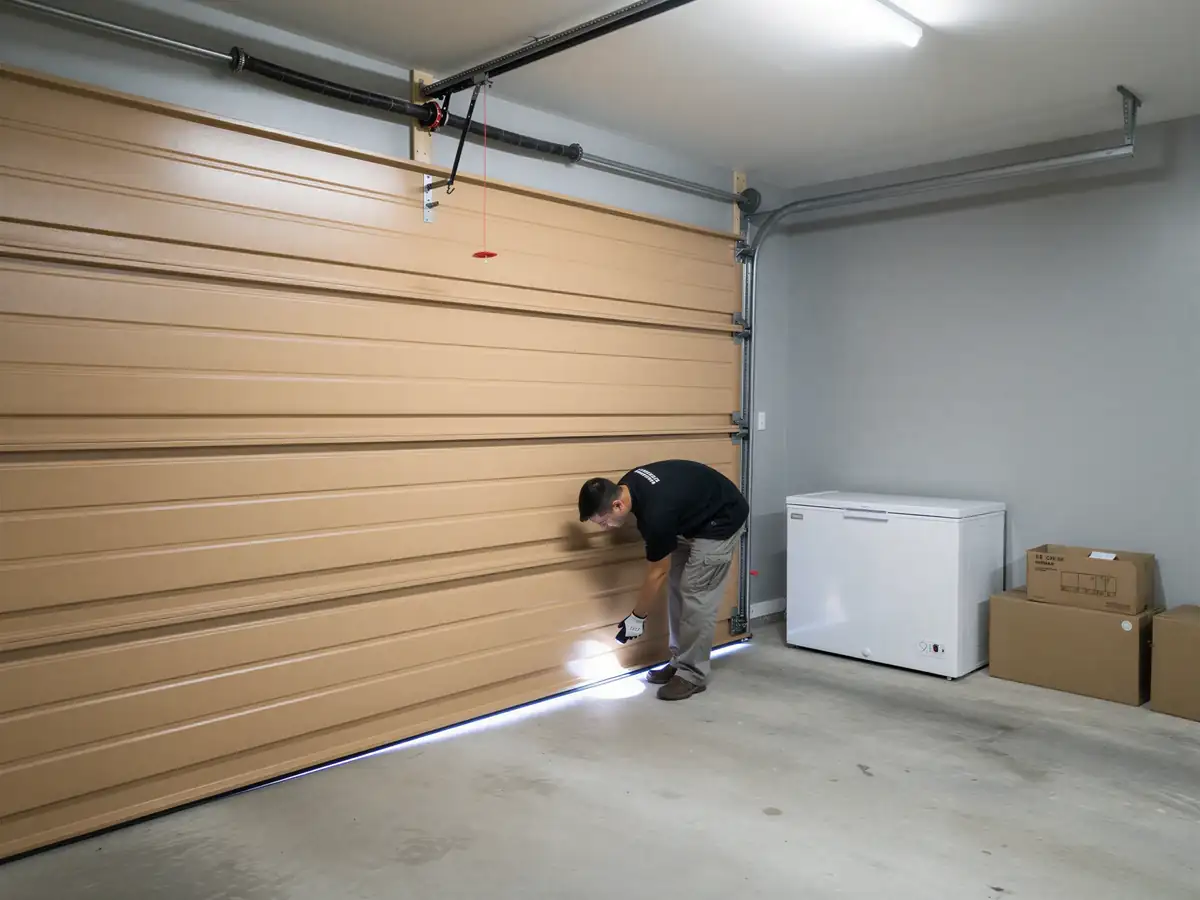
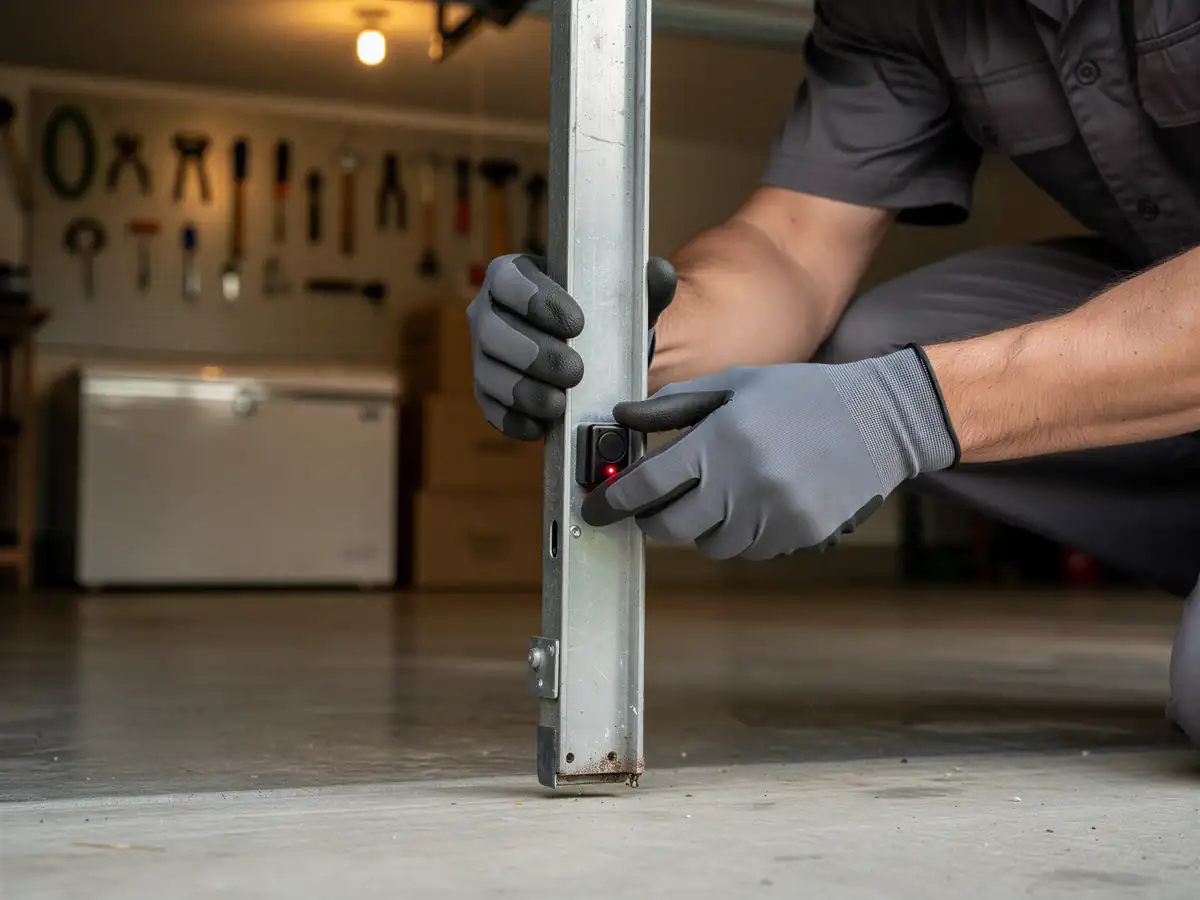
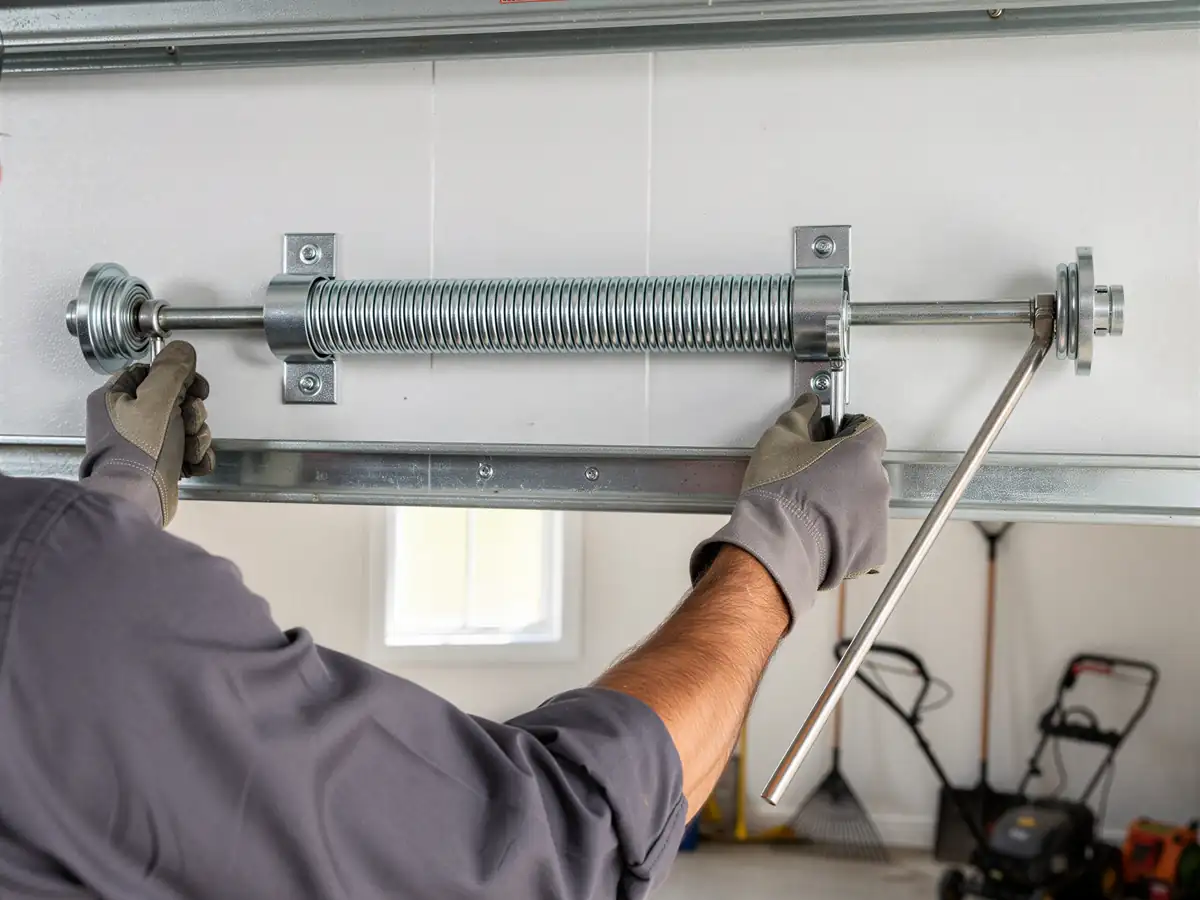
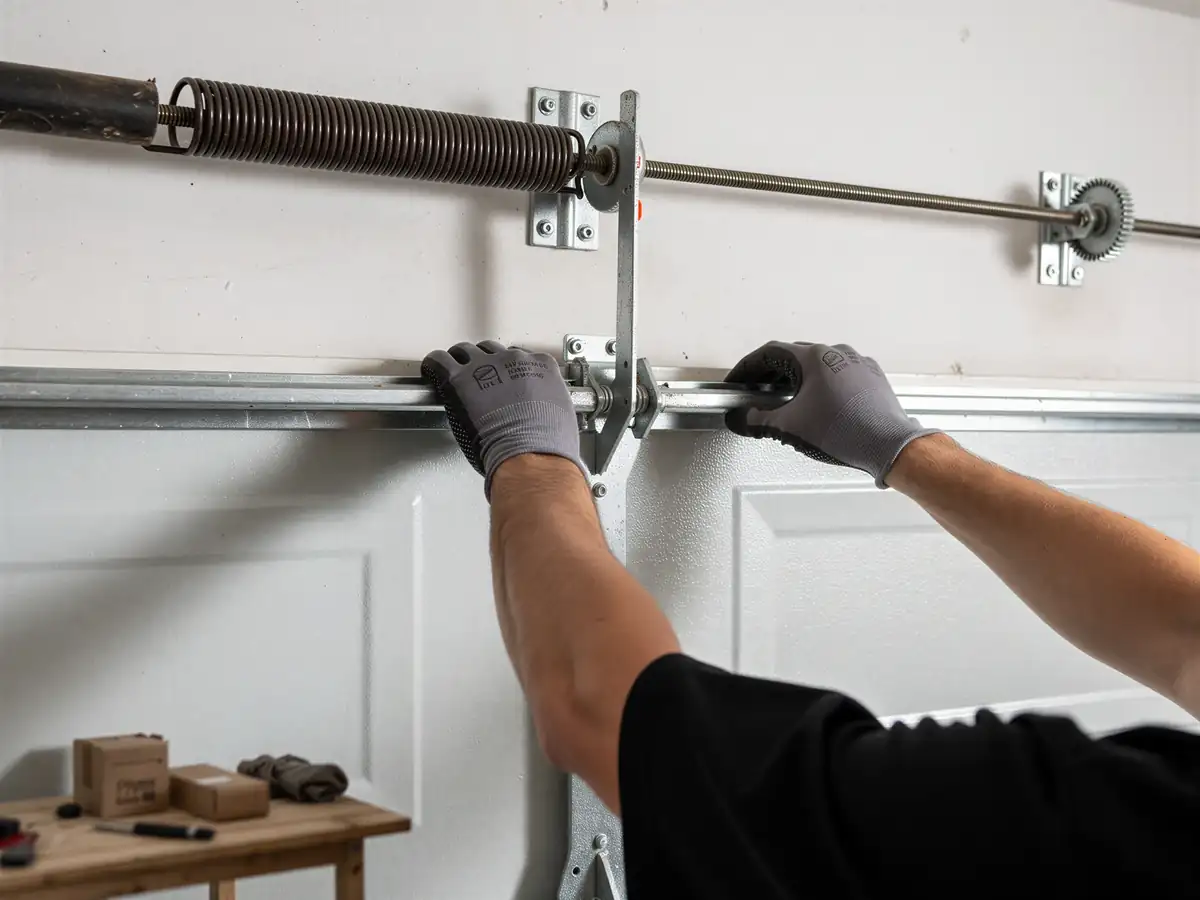
Start by looking at the springs. If your house went up anywhere in that 1980s-to-90s run that makes up most of the stock around here, there's a decent chance the torsion spring on the door is original or close to it - these things don't last forever, and a spring that's 20-plus years old is living on borrowed time even if it hasn't broken yet. Pull the emergency release and lift the door by hand. If it's heavy, uneven, or drops instead of holding steady, the spring is tired. Next, check the track for rust at the bottom few feet - standing moisture there during a wet winter leaves a mark you can see with a flashlight. Look at the rollers too. Metal rollers from a door this age usually sound like it when they turn, a grinding you can hear from the kitchen. None of this tells you the door is dead. It tells you which parts have been working the hardest and for how long, which is the real question before you decide what to do next.
The Problem
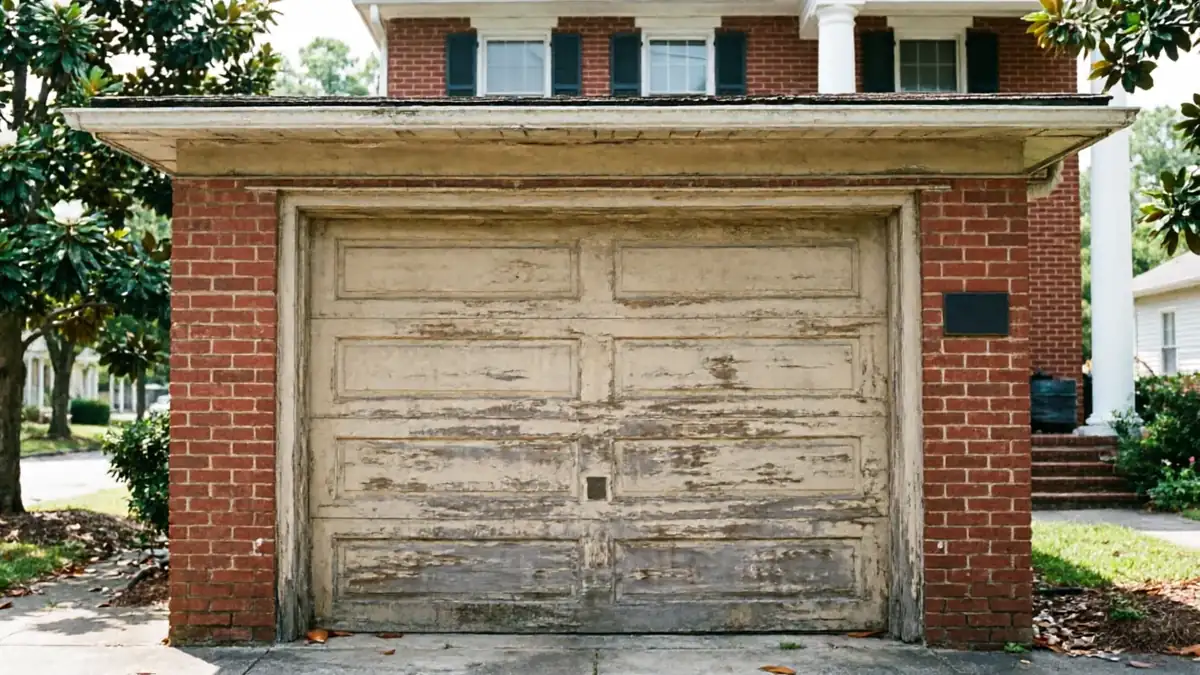
Across the service area, housing runs from 1959 up through 2011, with a median around 1998 - meaning a lot of doors out there are old enough to have gone through multiple rounds of hardware wear but not so old that owners think of them as antiques needing replacement. That's the gap where people get caught. A door from the late 90s doesn't look old. The panels are usually fine, the opener still runs, and the owner assumes a repair is a repair. But a spring sized for a door and a 25-year-old insulation package underneath is doing more work than it was built for, and the track alignment on a door that's shifted slightly over two decades isn't a one-bolt fix anymore. The honest issue is that the visible parts - panels, paint, the opener housing - age slower than the parts you don't see, and that mismatch is what leads people to spend money on a repair that doesn't actually solve what's wearing out.
What Local Conditions Do
This area sits in a cold-moderate climate band, which means real winter cold without the extreme swings of further north, but enough freeze-thaw cycling each year to matter. That cycle is hard on steel hardware - track bolts loosen as metal contracts and expands, and weatherstripping on an older door cracks and lets in cold air that nobody notices until the garage itself feels drafty. For a door built in the 1980s or 90s, that's two to three decades of expansion and contraction working on the same bolts and the same spring coils. It's not dramatic damage. It's slow fatigue, and it shows up as a noisier door, a slower close, or a spring that finally lets go on a cold morning when the steel is stiffest and least forgiving. None of that means the whole door needs replacing. It means the repair has to account for what three decades of that cycle actually did to the hardware, not just what's obviously broken.
Leaving It Alone
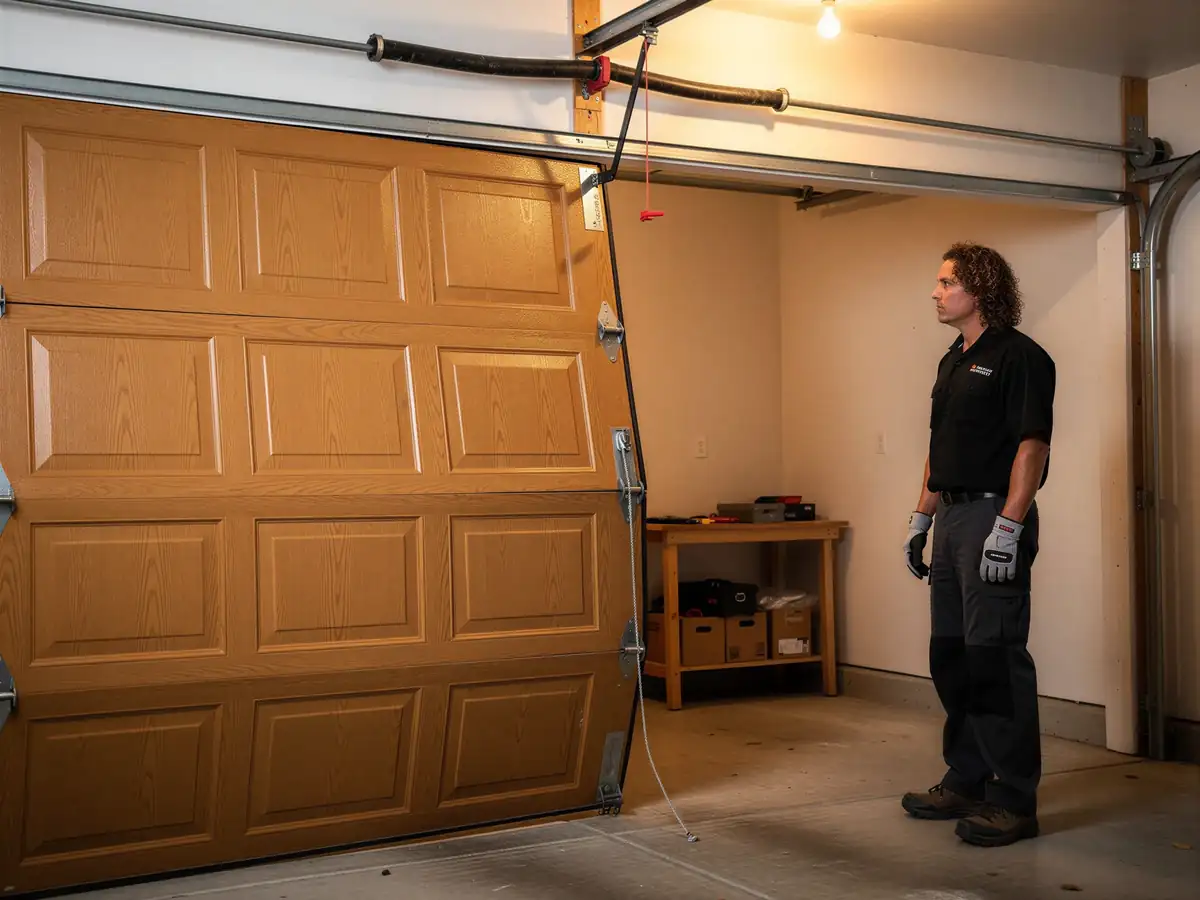
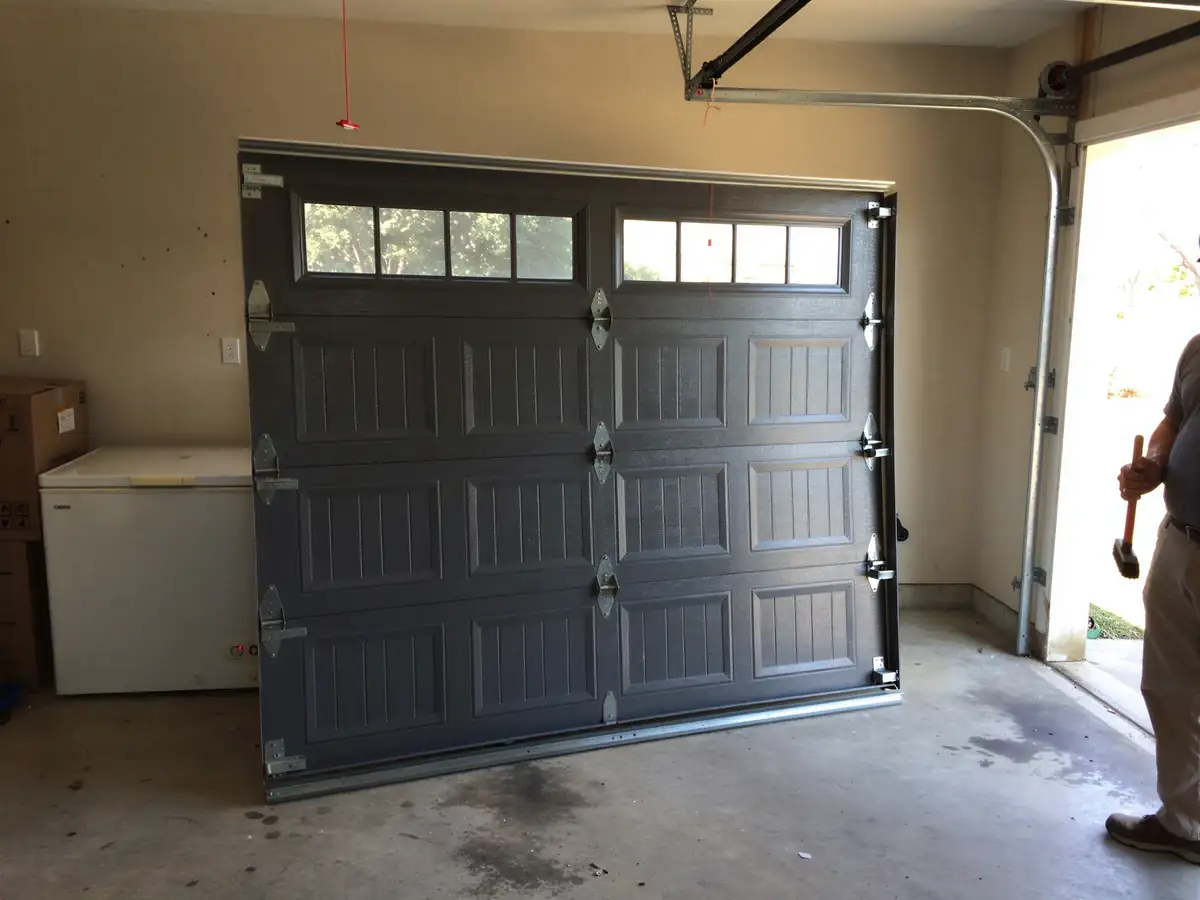
Sometimes the right call is to leave a door alone and just fix the one thing that's actually wrong. If the panels are straight, the opener runs quiet, and the only issue is a spring or a roller, that's a job worth doing on a door from this era - the housing stock here means plenty of doors in that 1980s-to-2011 range are structurally sound and just need the wear parts addressed. Where it stops making sense is when the track is bent in more than one place, the panels are rusted through at the bottom, or you're looking at a second major repair inside a couple years of the first. At that point you're paying twice for a door that was going to need replacing anyway. I won't tell a homeowner to replace a door that's fine just because it's old, and I won't talk someone into a third repair on a door that's already told you what it needs. That's the honest limit of what a repair call can fix.
How do I know if my garage door spring is original to the house?
If your Cornelius home was built in the 1980s or 90s, which covers most of the stock in this area, and nobody has mentioned replacing the spring, it's probably original. A spring that old showing rust, gaps between coils, or a door that feels heavy to lift by hand is close to the end of its life.
Does the cold around here actually affect garage doors?
Yes. This area sits in a cold-moderate climate band, and the freeze-thaw cycling each winter works on steel hardware over time - loosening track bolts and stiffening springs right when they're under the most load. It's gradual wear, not sudden damage, but it adds up over a couple decades.
Is it ever not worth fixing an older door?
If the track is bent in multiple spots, panels are rusted through, or you've already had one major repair recently and a second issue has shown up, you're usually better off replacing than repairing again. A door from the 1990s with sound panels and one bad part is a different story than one that keeps failing.
Ready to get your garage door sorted?
Tell us what it’s doing and where you are in Cornelius - we’ll take it from there.