Checking It Yourself
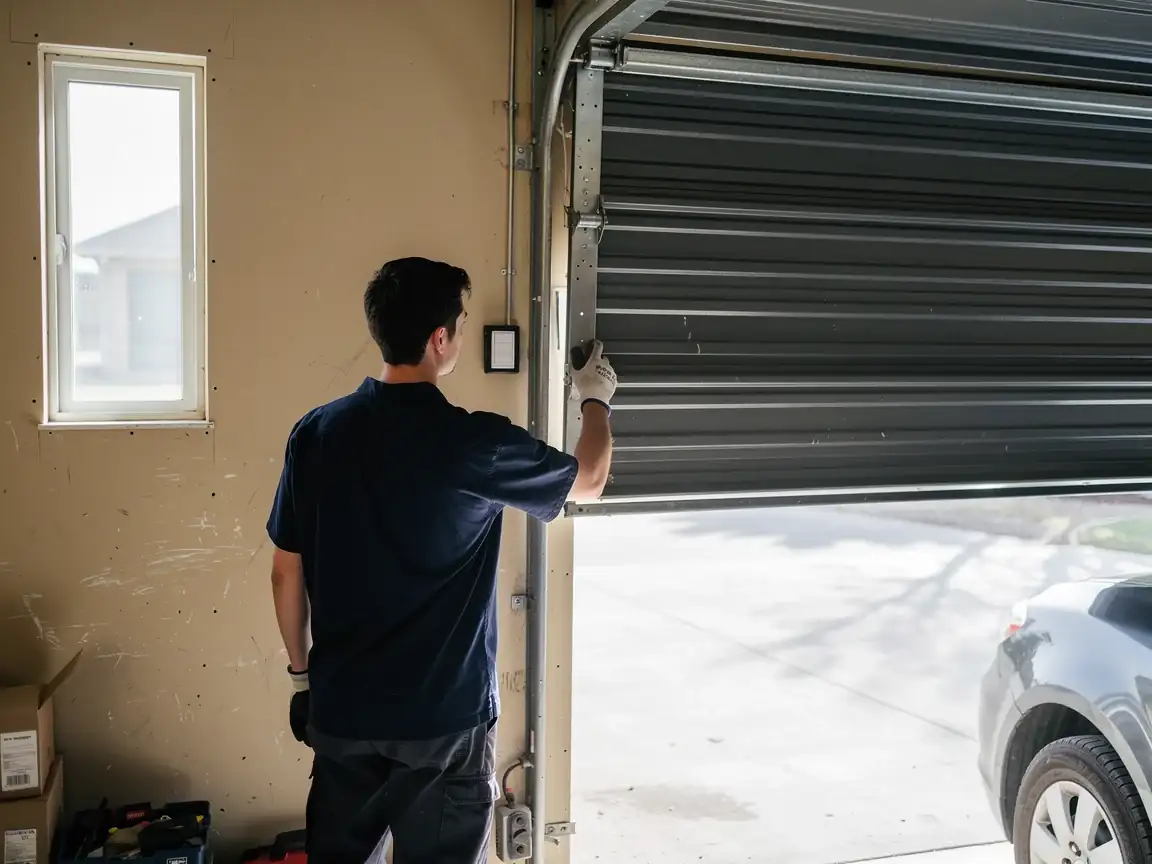
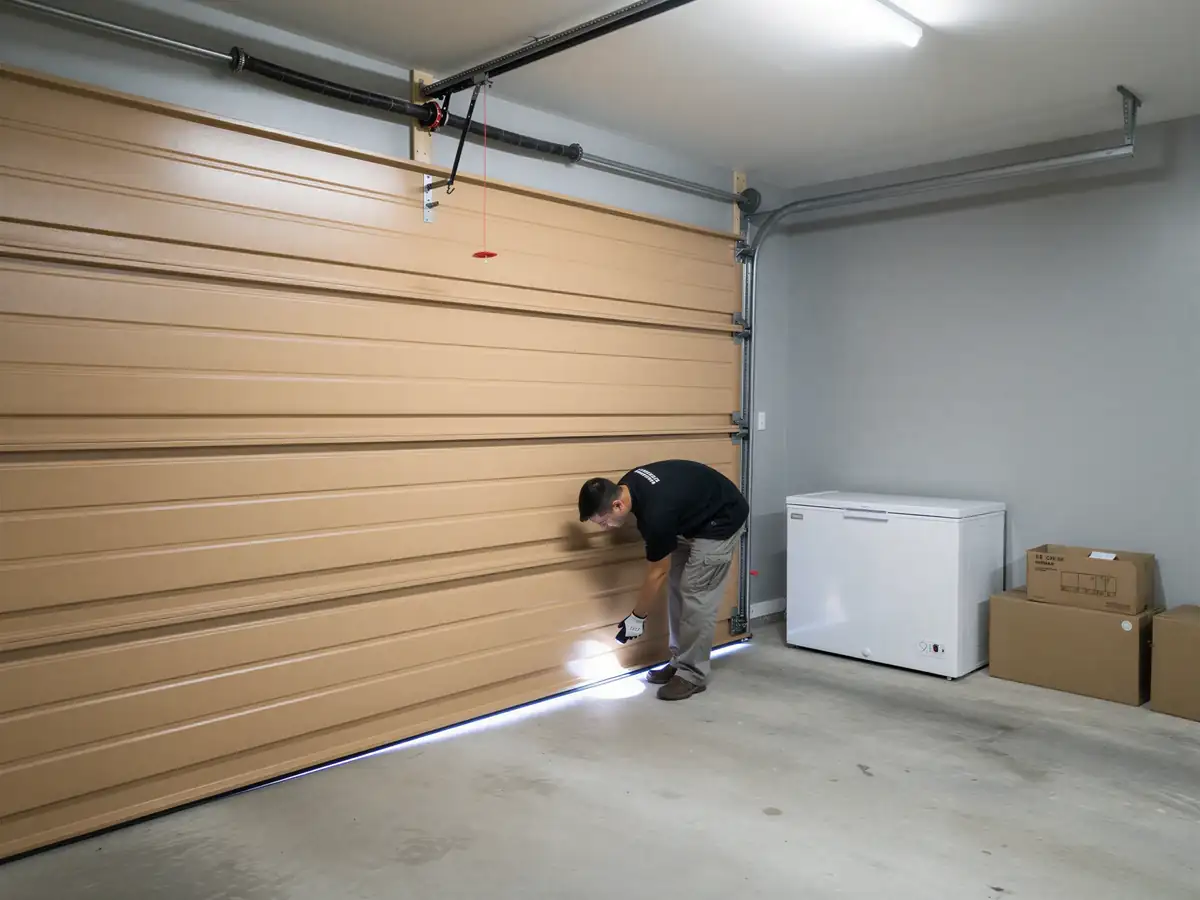
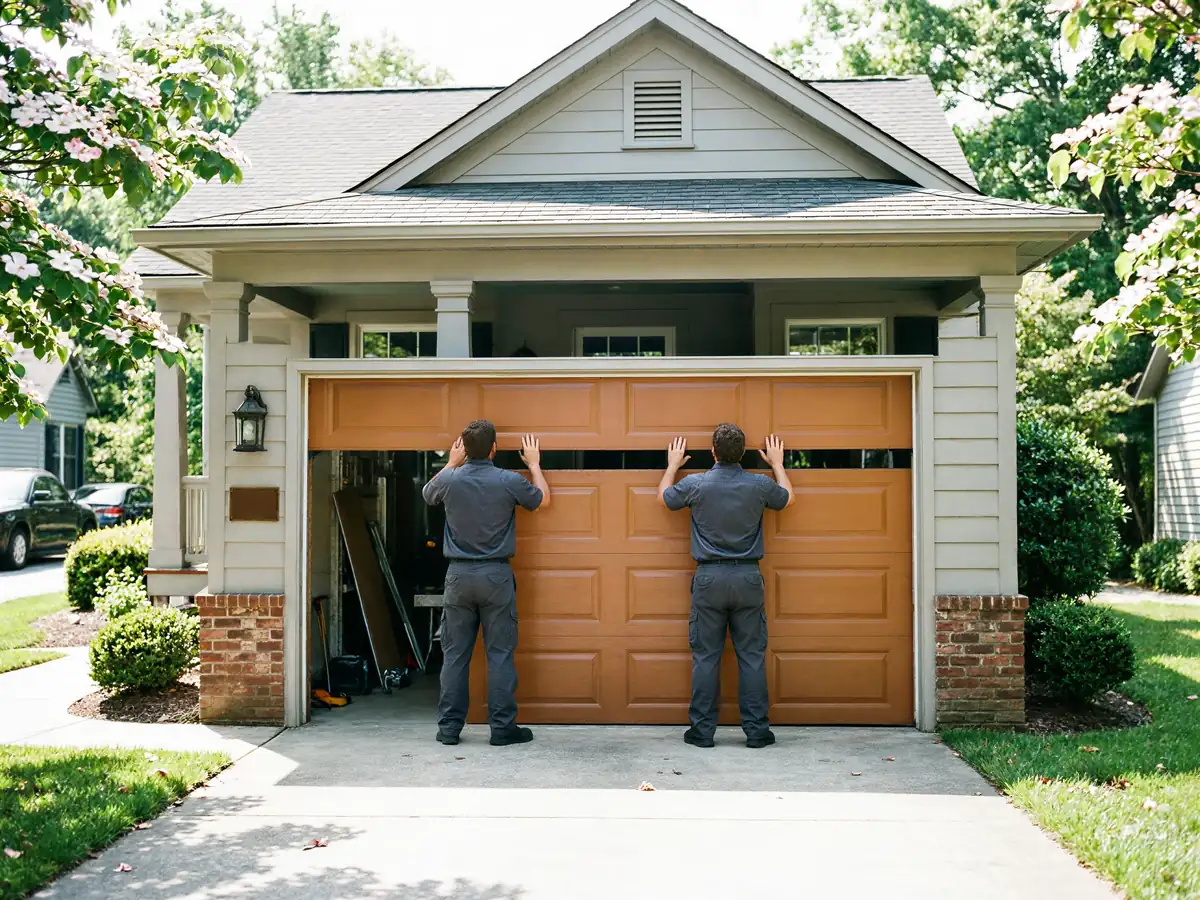
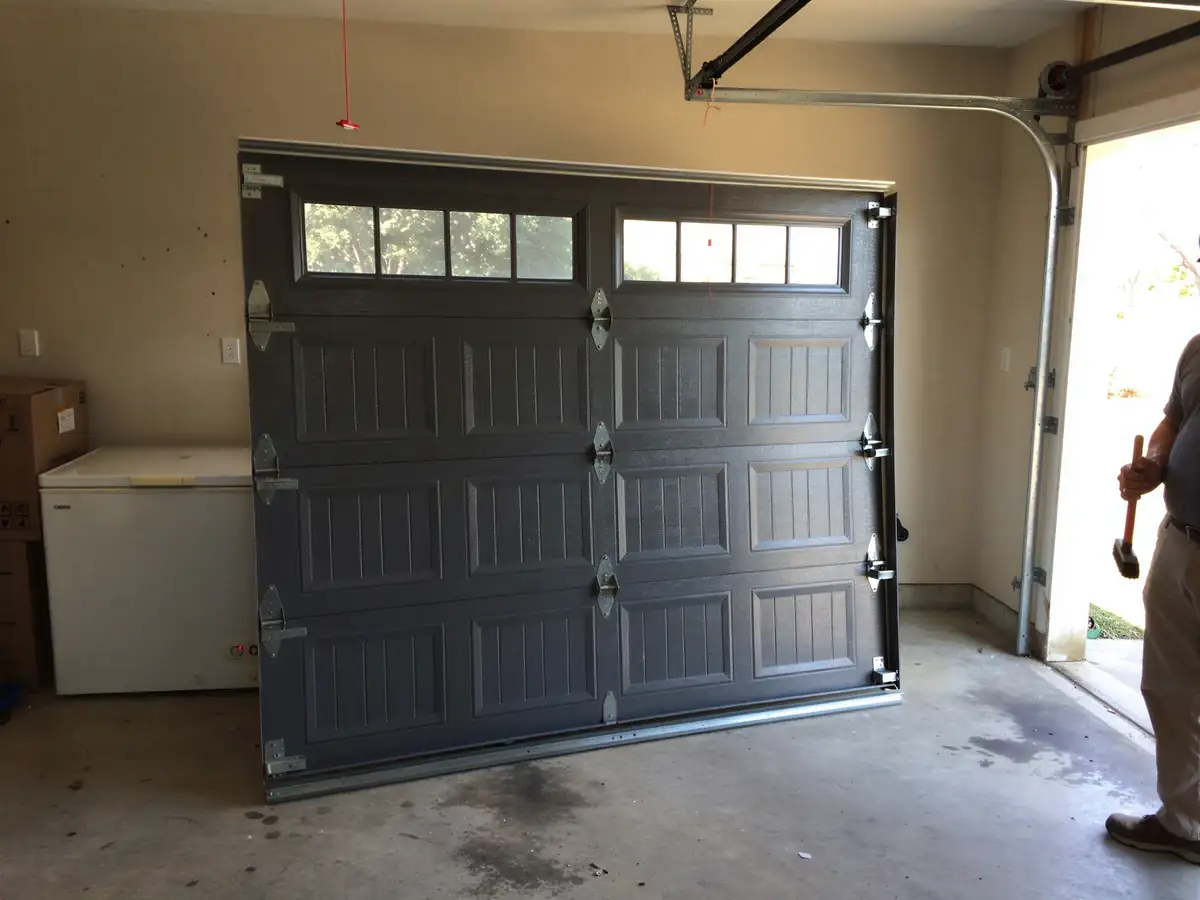
Before you call anyone, pull the manual release cord and see if the door moves smoothly by hand with the opener disconnected
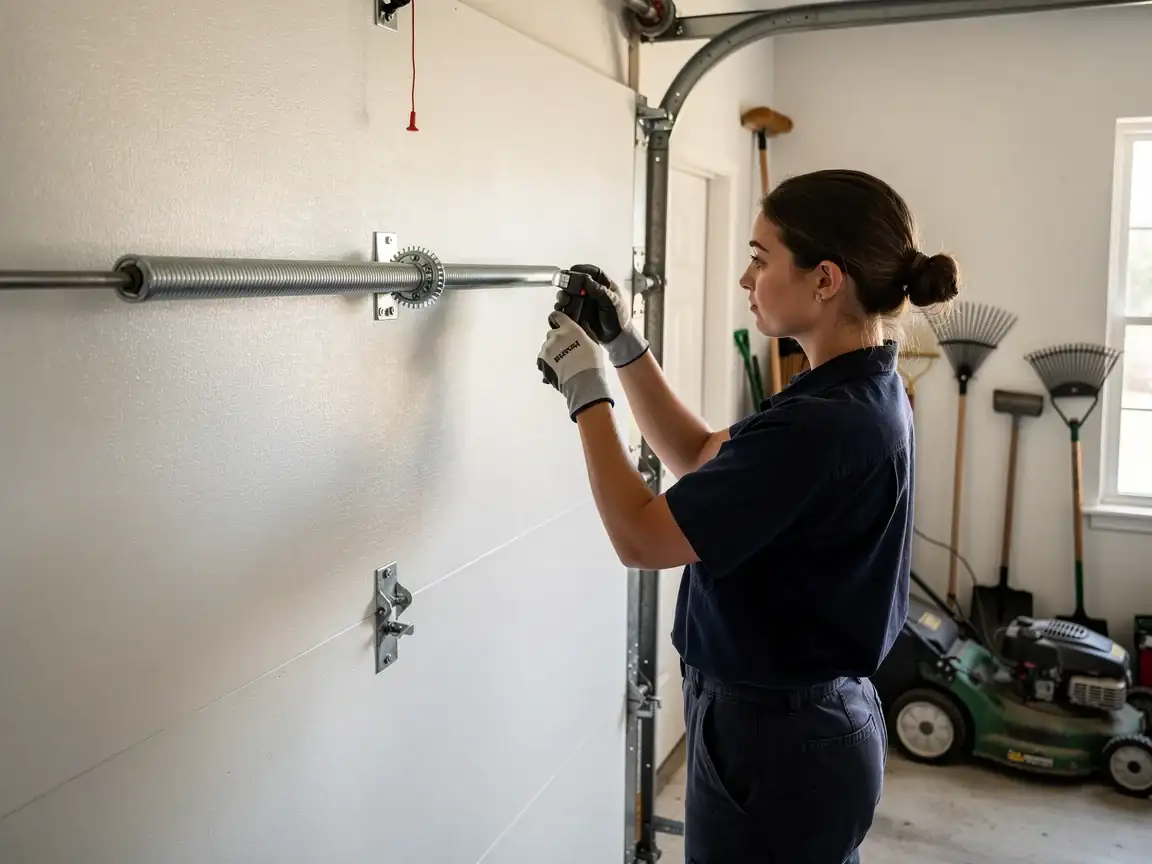
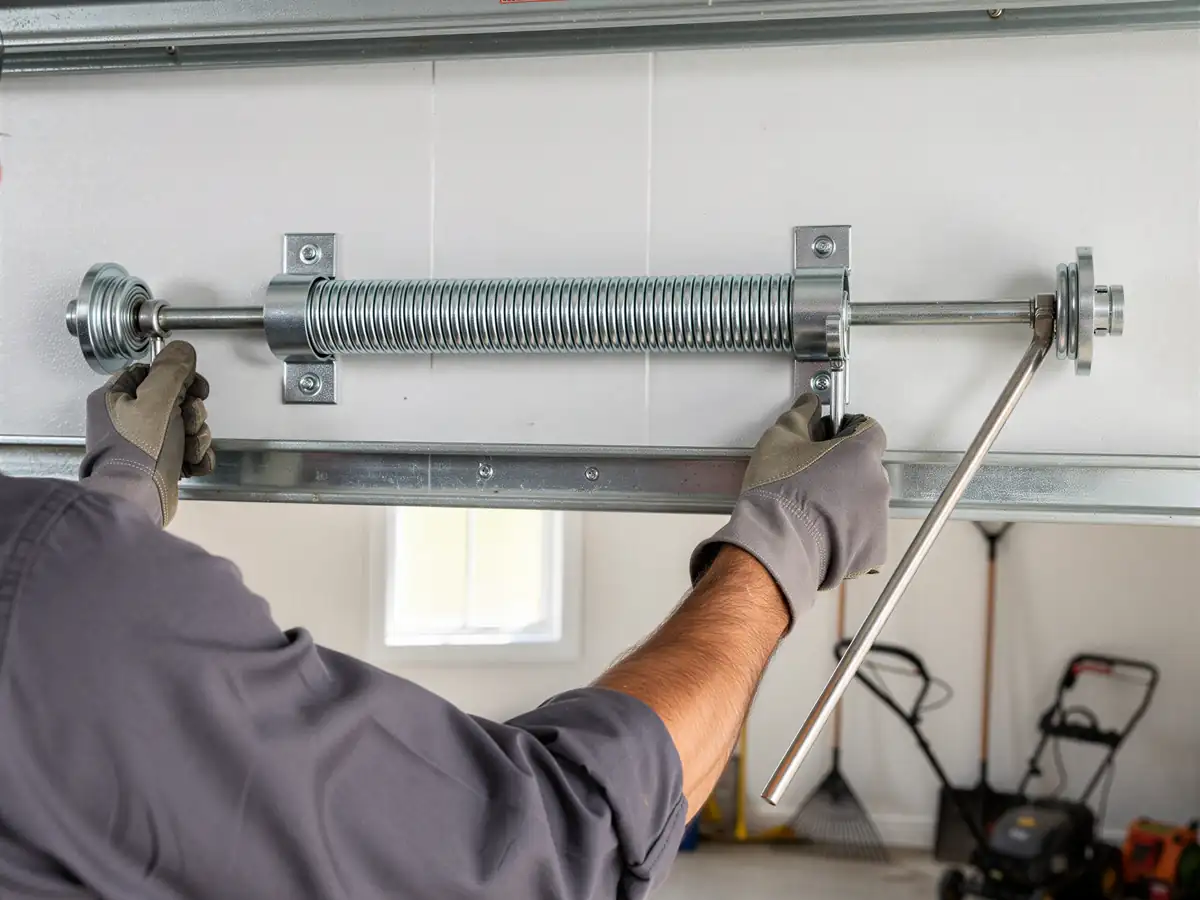
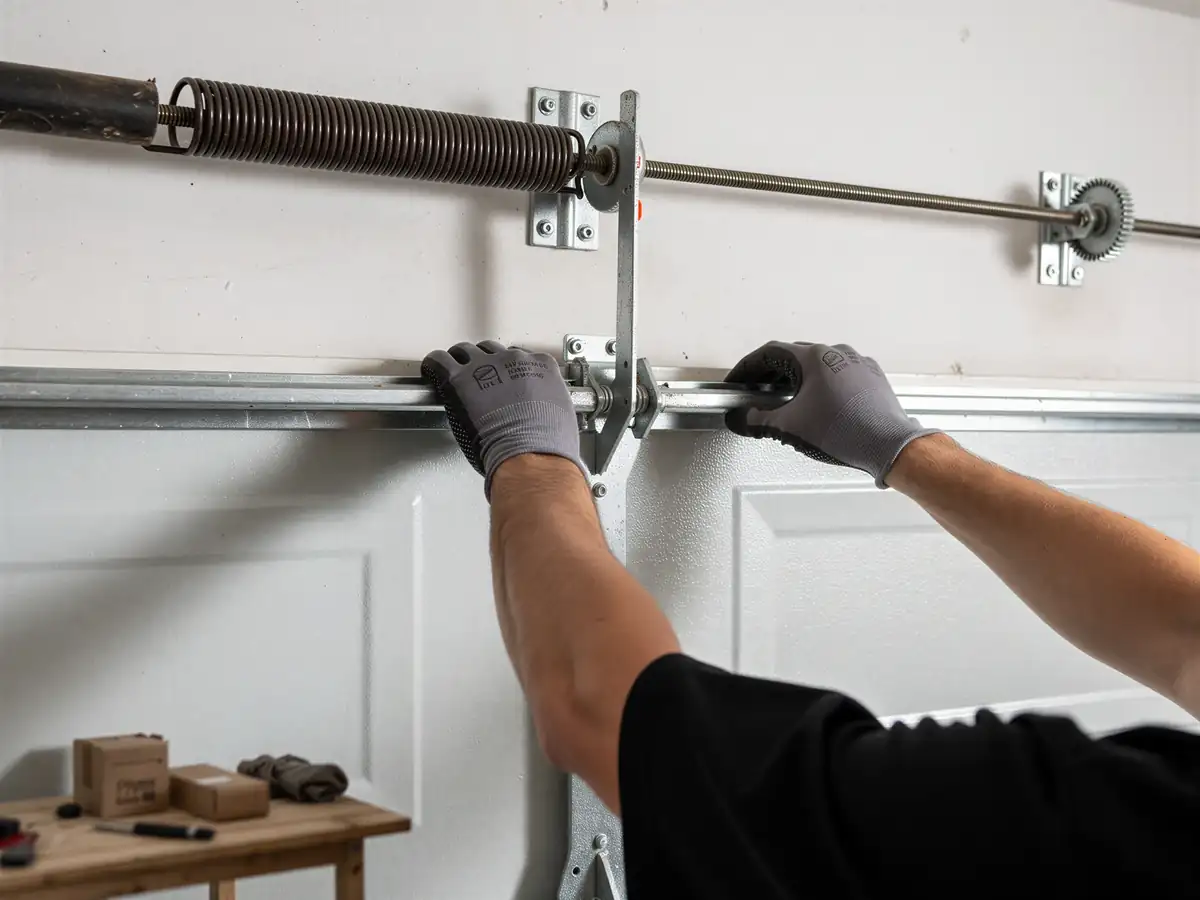
If it binds, sticks, or feels heavier on one side, the problem is mechanical, not electrical, and no amount of opener reprogramming fixes it. Look at the springs above the door - if it's a single door you likely have one torsion spring, if it's a double you likely have two. A gap in the coil or a spring that looks stretched is a spring near the end of its life, not something to lubricate and hope.
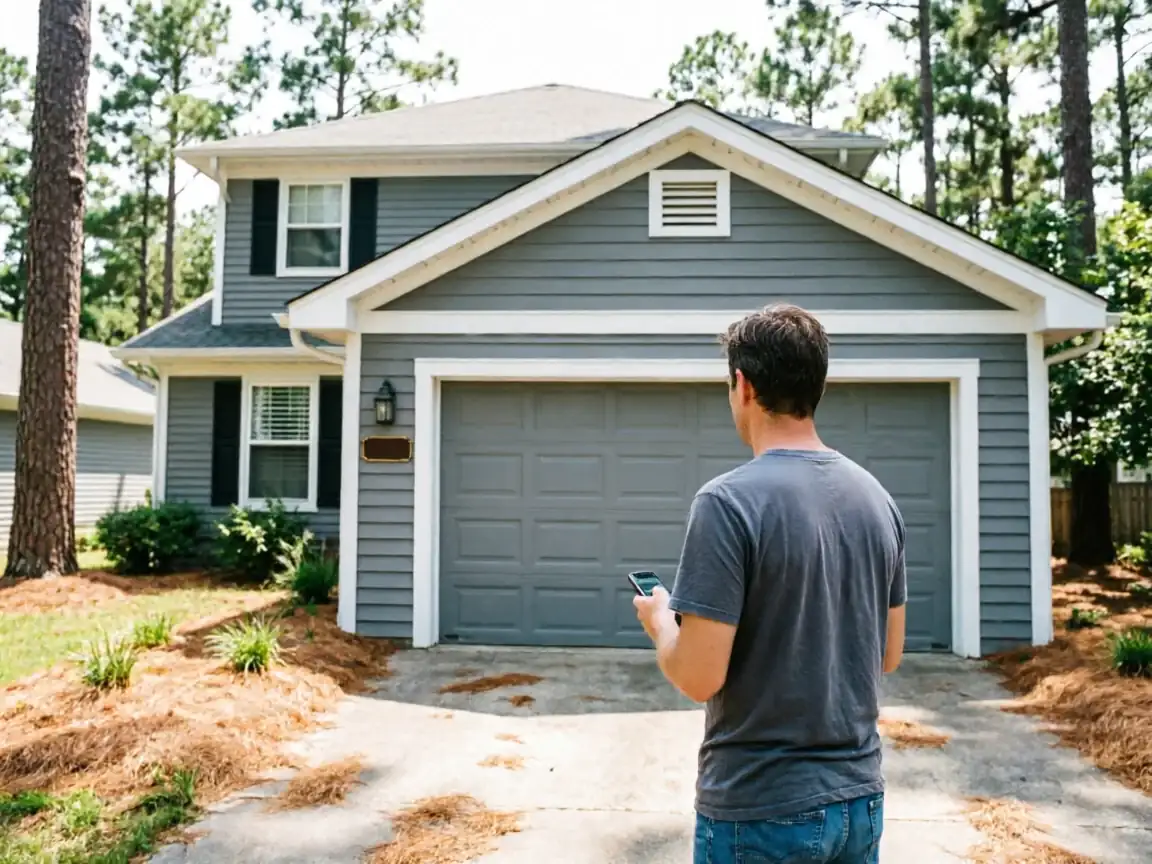
Most houses in this part of Cornelius and the surrounding areas went up between 1959 and 2011
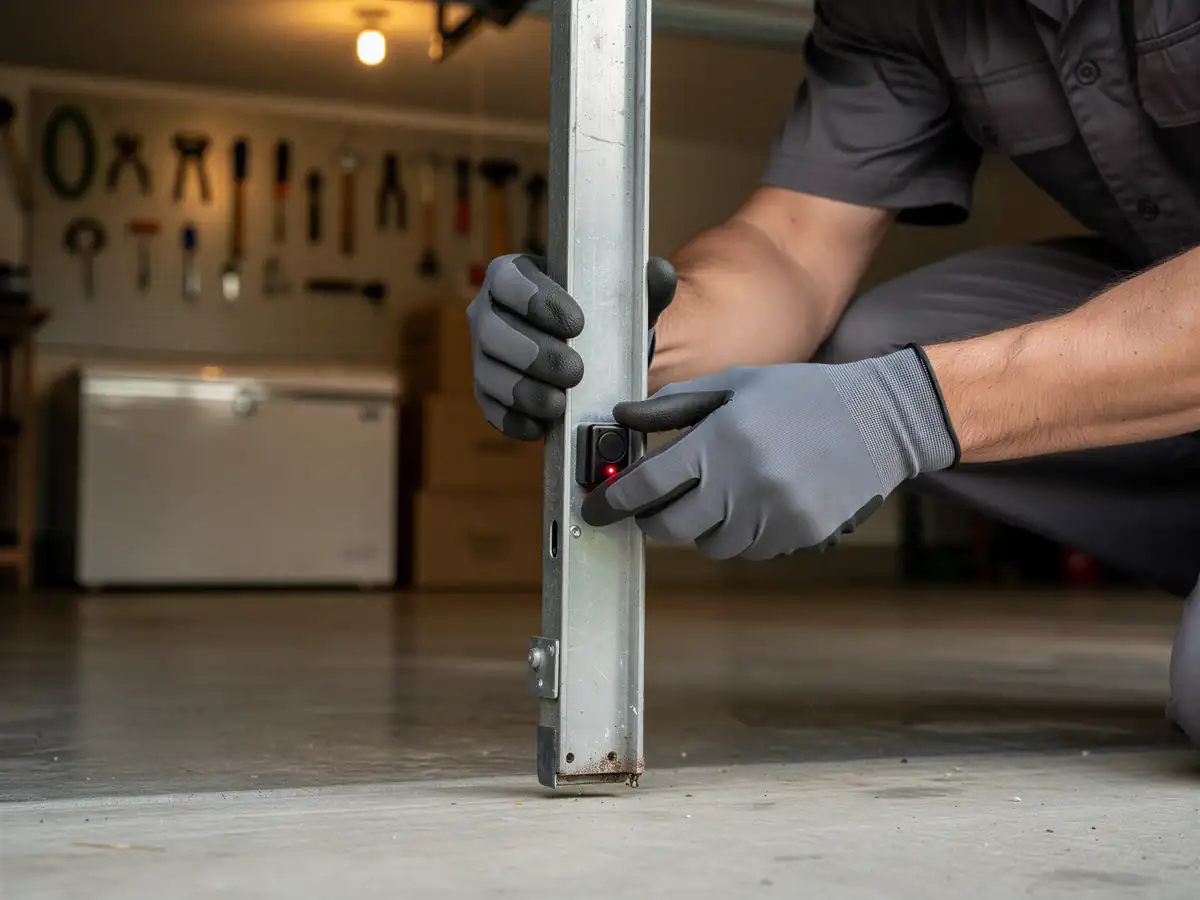
With the bulk of that stock dating to the 1980s and 90s. That matters because doors and openers from that build window are old enough that original hardware is wearing out but not so old that parts are impossible to find - yet. Check the rollers too: nylon rollers from that era crack and chip rather than wearing smooth, and that's a visible, honest sign you can catch before the whole track system starts rattling.
The Problem
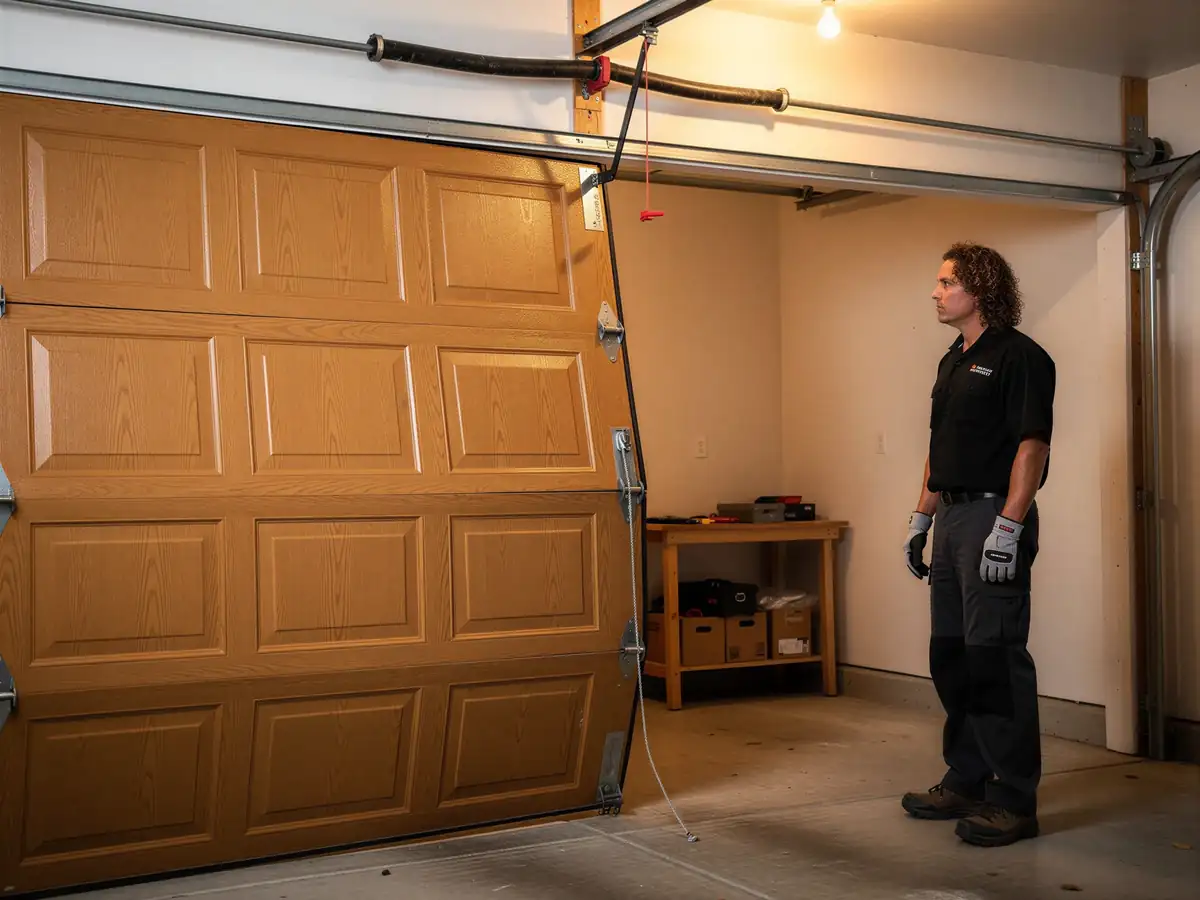
A torsion spring is rated for a number of open-close cycles, not a number of years, but in a house built in the 1980s or 90s that spring has likely seen 20 to 30 years of daily use by now, and most of those original springs were never upgraded. When it goes, it goes suddenly - usually with a loud bang and a door that won't budge or that slams down unevenly.
The other common call we get is from openers original to homes from that same window. The motor units from that era used mechanical limit switches and smaller gears that wear out or strip, especially once a door starts dragging on worn rollers or a slightly bent track. By the time a homeowner calls, it's often not one failed part but two or three wearing out together, because nobody replaces a spring, rollers, and an opener on the same day unless something forces the issue.
What Local Conditions Do
Cornelius sits in a moderate cold climate band, not the deep freeze further north and not the mild coast. That means steel hardware here goes through real seasonal swings - cold, damp mornings in winter and humid heat in summer - without the extreme cold that cracks metal outright. What that temperature swing does instead is work moisture into unlubricated springs and hinges, which speeds up rust on hardware that's already 20-plus years old in a lot of these 1980s and 90s-built houses.
It also means grease and lubricant choice actually matters here more than in a climate that's one temperature year-round - a lubricant that gums up in summer heat or stiffens in a cold snap accelerates wear on rollers and springs that are already working harder than they did when the house was new.
Leaving It Alone
Here's the honest part: not every noisy door needs a service call
If a door is loud but moving freely, cycling evenly, and the springs show no visible gap or stretch, you can often get by with cleaning the track and applying a proper garage door lubricant to hinges and rollers. We won't talk you into a spring replacement you don't need yet.
On the other hand, if your opener and springs are both original to a house built in that 1980s-to-90s window
And you're already looking at a cracked roller or a track that's pulling away from the wall, piecemeal repair starts costing more over a year than a straight replacement would. We'll tell you which situation you're in rather than guess over the phone - some of this you genuinely can't call without seeing the hardware in person.