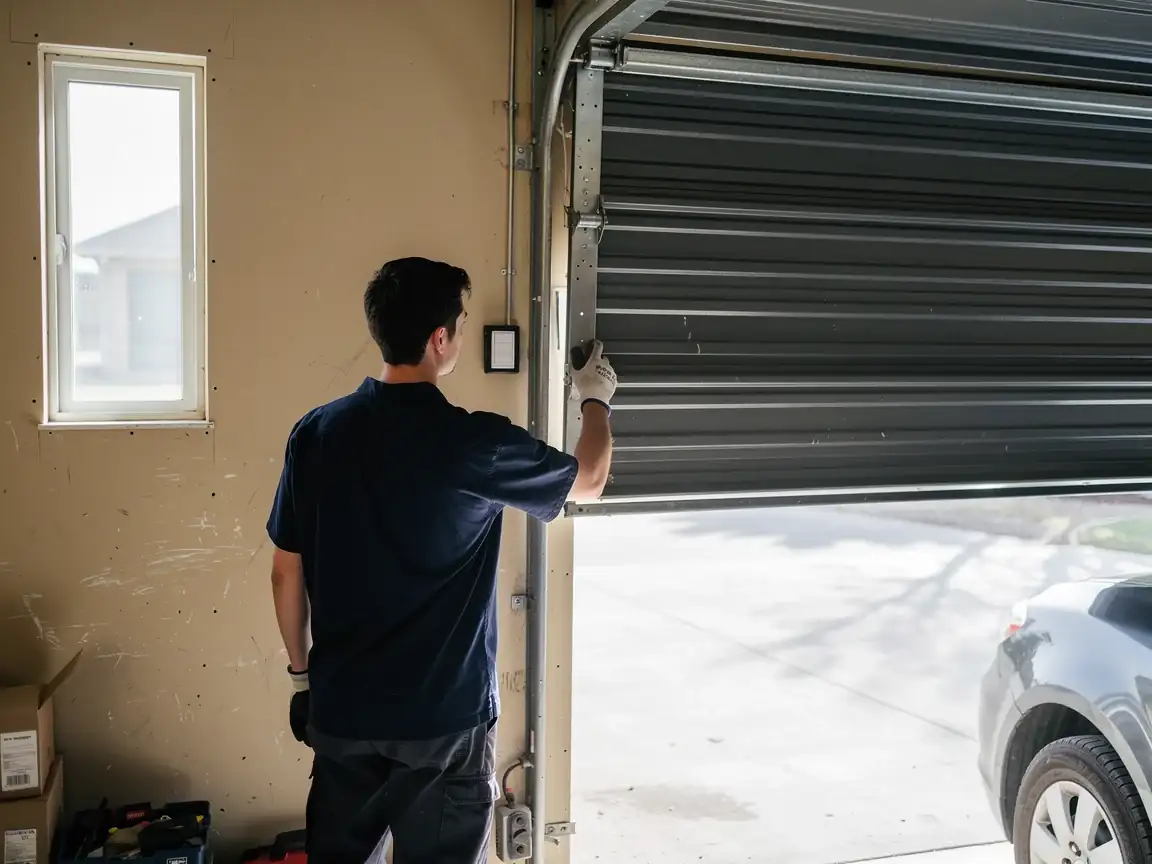
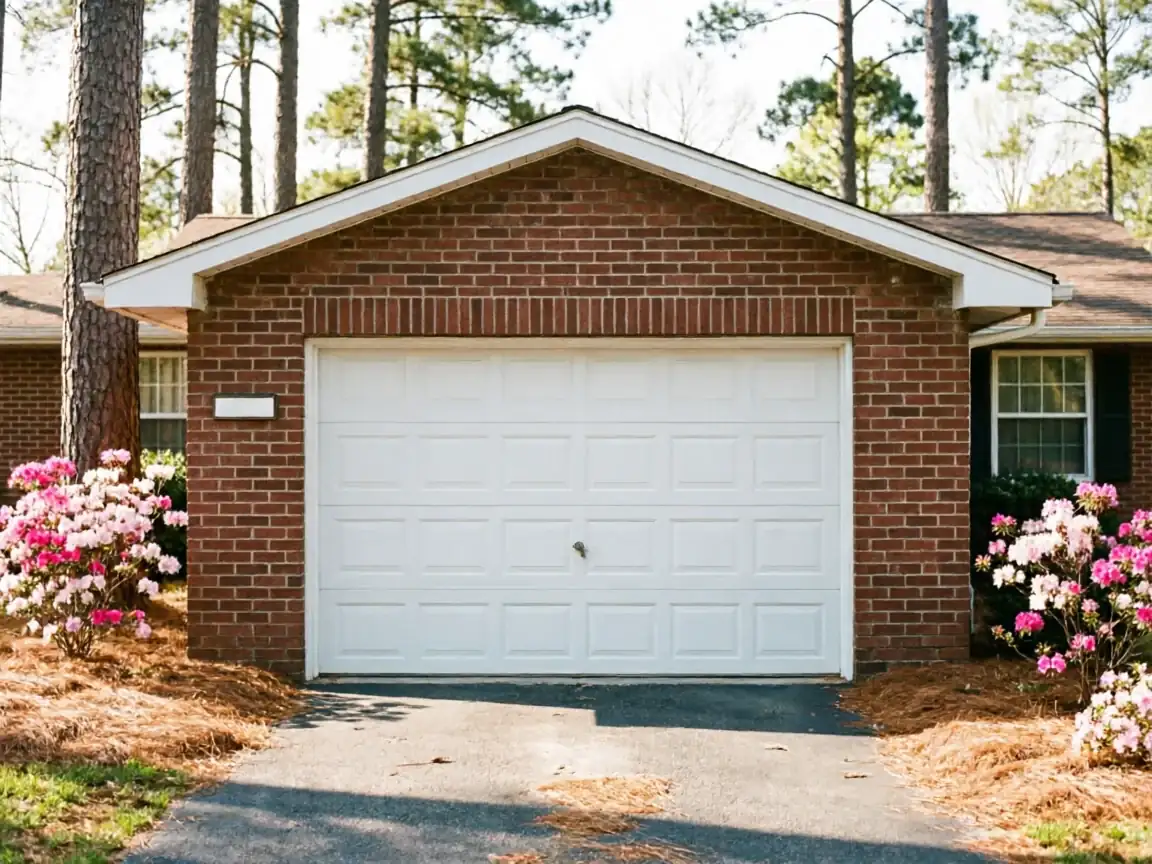
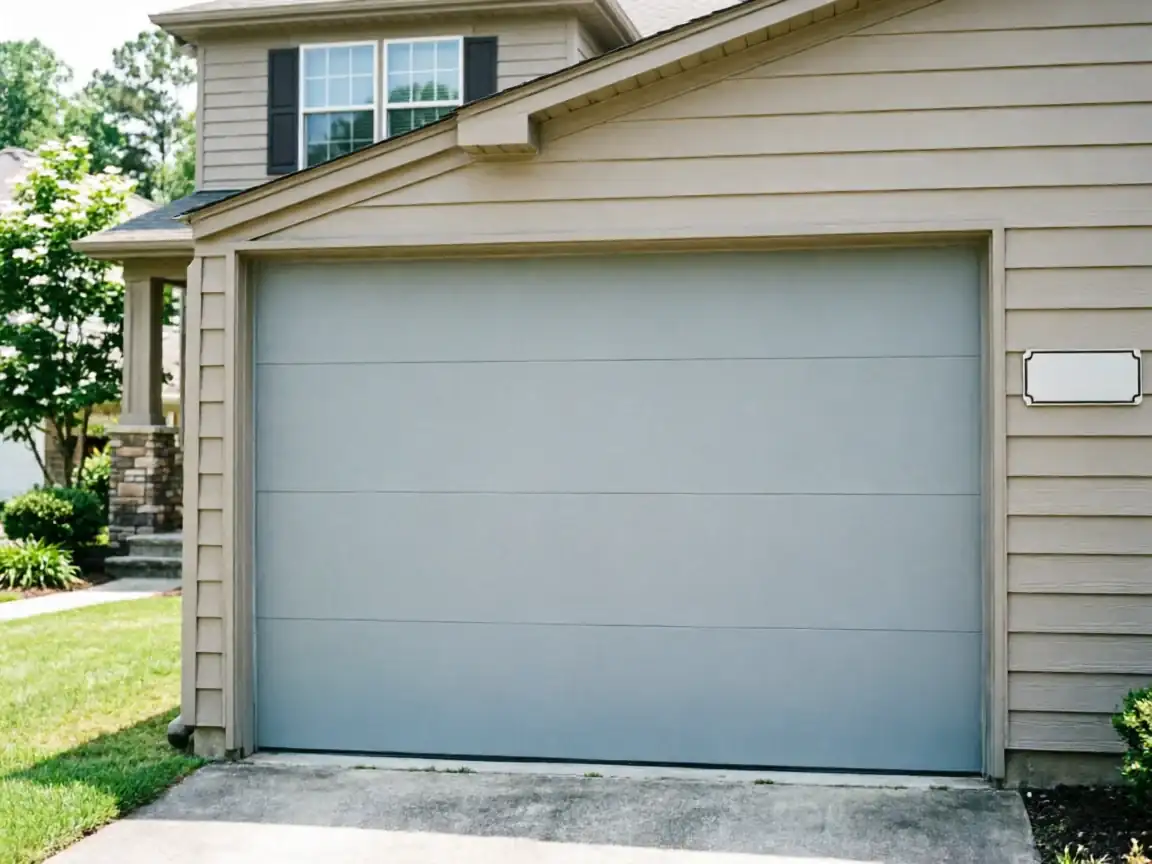
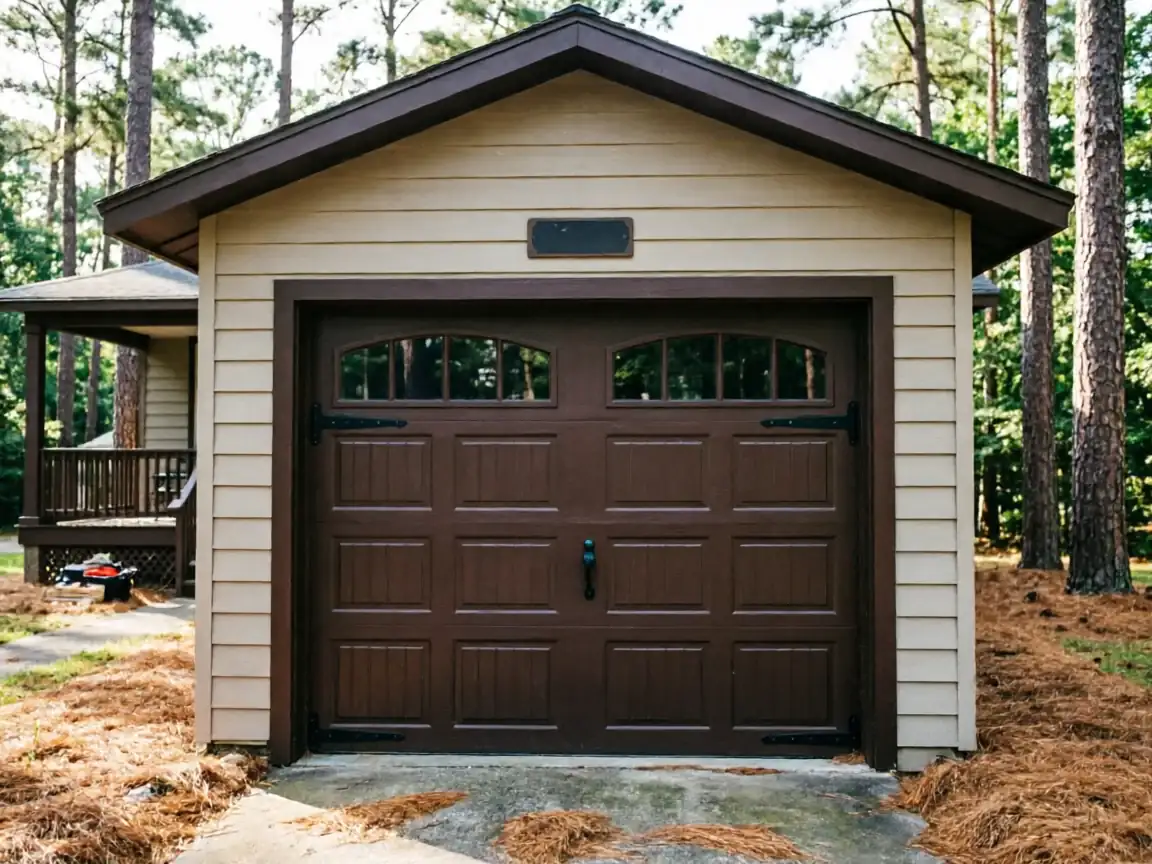
Serving Denver, NC from Cornelius, 10 miles out. We work on the 1990s-era torsion doors common in this area and know the cold-weather faults that go with them.
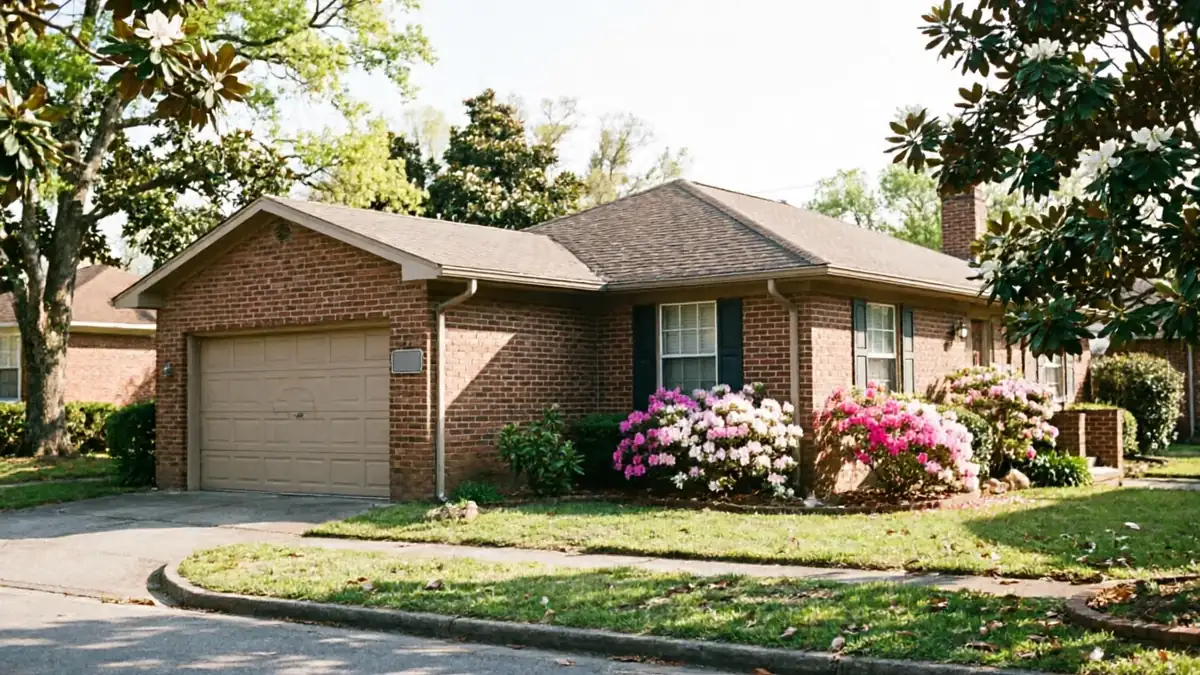
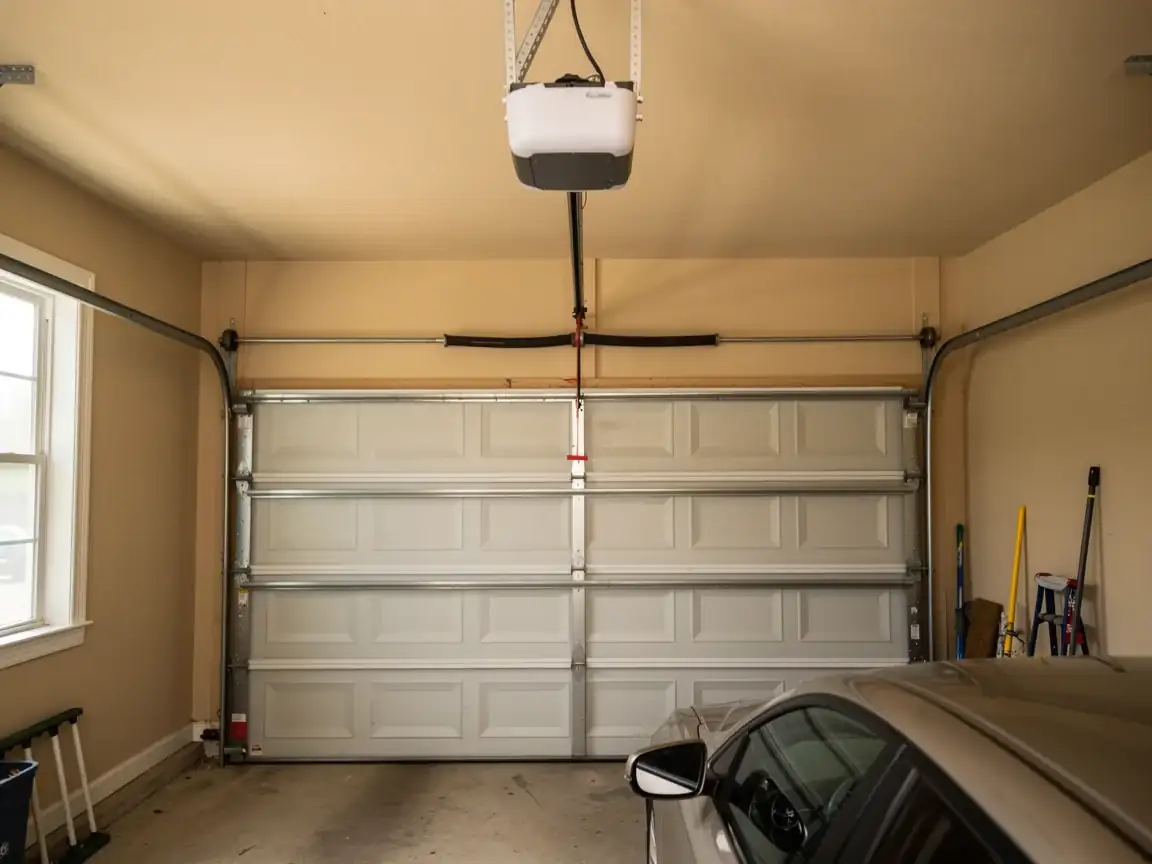
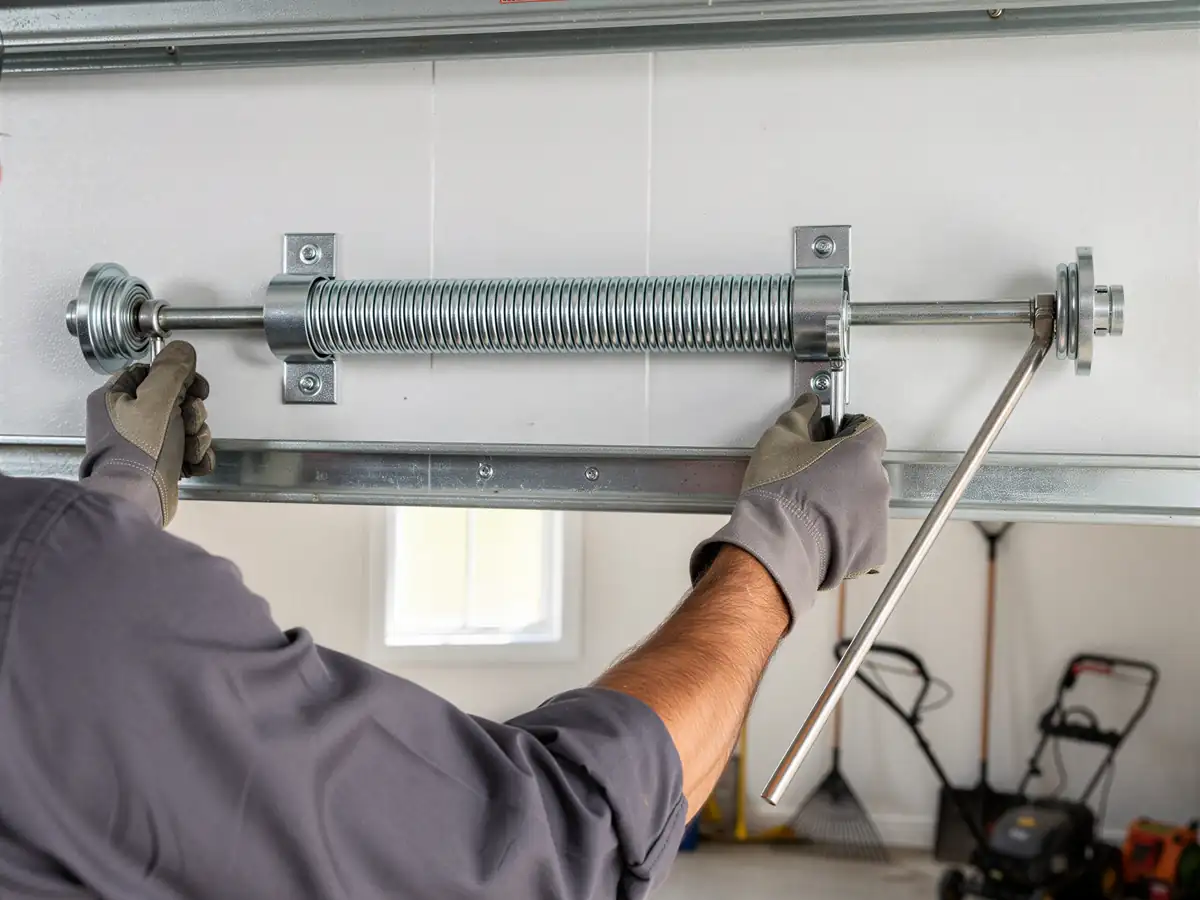
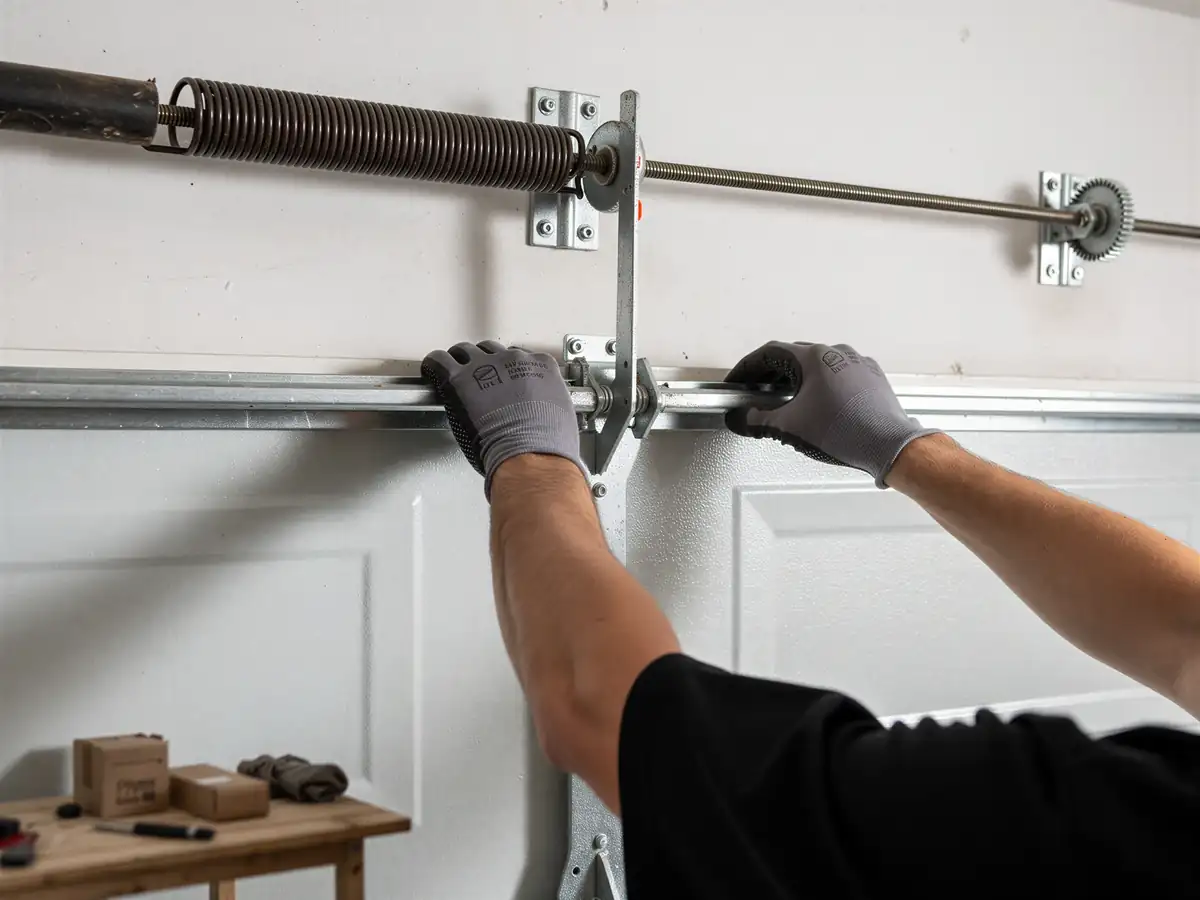
Denver sits about 10 miles out from our Cornelius shop, and the houses out here skew newer than a lot of what we see closer in. The median year built in this area is 1996, which puts most garages here on steel raised-panel doors with torsion springs mounted on a center shaft above the opening - not the older side-mounted extension spring setups you find in older pockets of the wider service area. That matters because the parts, the failure points, and the fix are different. A 1996 door usually has a factory-installed opener bracket that's held up fine, but the springs themselves are rated for a 7 to 10 year cycle life, so a house built in the mid-90s is due, or past due, for a spring swap by now. We also see a fair number of double-wide doors on these lots, which load the torsion bar harder than a single does and tends to show up as a loud bang or a door that won't lift evenly.
Timing on This Area
With roughly 986 households in this part of Denver, it's a smaller pocket than some of the other named areas we cover, so we don't run a dedicated truck out here every day. We schedule Denver calls around the Cornelius route, which is the honest answer if you're wondering why we can't promise a same-hour window. What we can tell you: this is a cold-climate area, not a mild one, and that affects torsion spring steel over time - repeated freeze-thaw cycling works on the metal fatigue that eventually snaps a spring, usually on the coldest morning of the week, which is also the worst time to be stuck with the door down. If your opener has started groaning or hesitating as the weather turns, that's worth a call before it fails outright rather than after.
What People Here Ring About
Given the 1996-ish median build year, the calls out of Denver run a specific pattern: torsion springs reaching end of life, openers original to the house finally giving up on the circuit board or the drive gear, and bent track from a door that's been run a little off-level for years without anyone noticing. We don't see much of the really old one-piece or side-mount hardware that shows up on pre-1980 houses elsewhere in the area - this stock is newer, so the fixes tend to be mechanical wear-and-tear rather than parts-obsolete problems. Household income here runs around $73,393, which tracks with what we see installed: mid-grade steel doors and standard-duty openers, not the premium insulated models you'd find in a newer custom build. That's useful context for repair-versus-replace conversations, since a mid-grade door at 25-plus years old is often cheaper to replace outright than to keep patching.
How That Shows Up in the Door
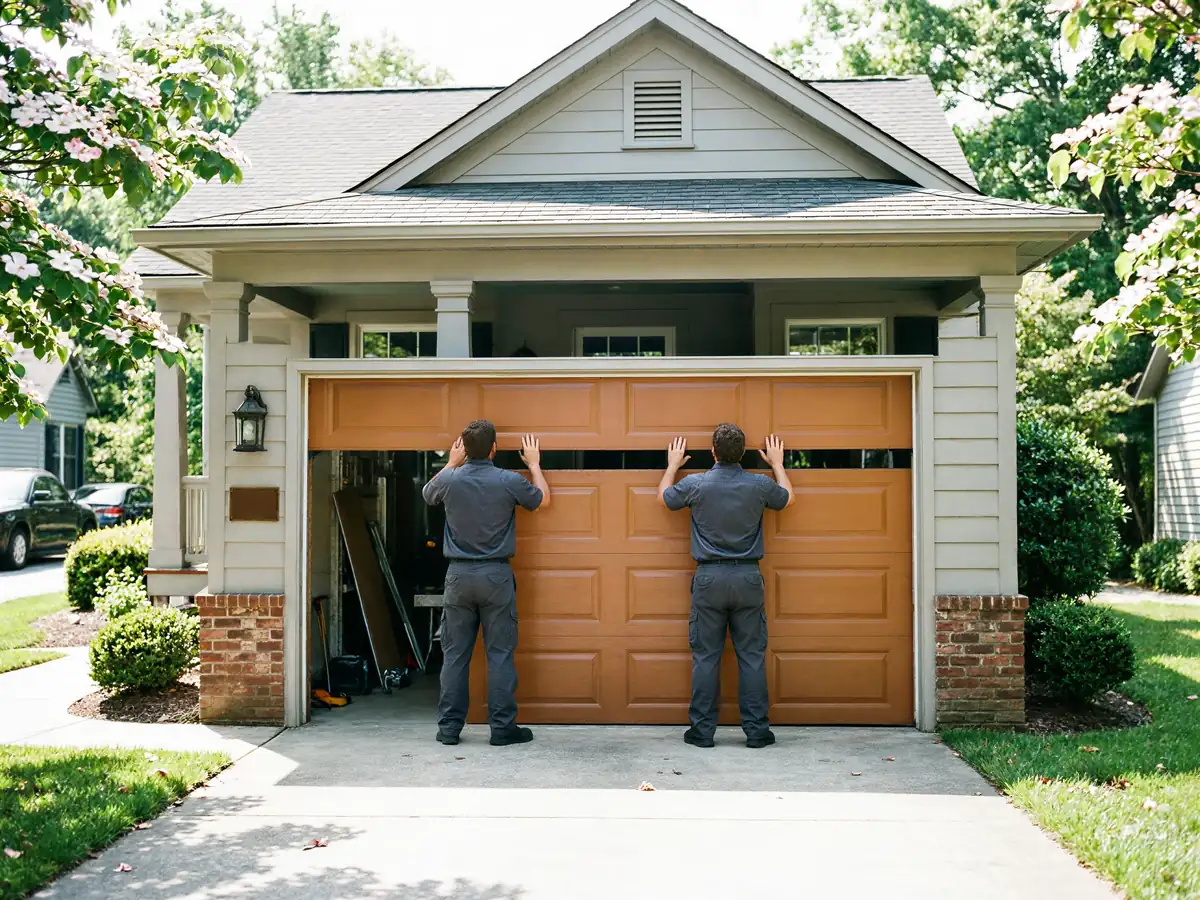
Put it together and a typical Denver call looks like this: a double-wide steel door from the mid-to-late 90s, torsion springs that have done their 7-to-10-year job and are now sagging or snapped, and an opener that's starting to strain against springs that can no longer help lift the weight. Cold mornings make it worse, since stiff lubricant and contracted metal add resistance right when the spring is already weakest. One limitation worth saying plainly: if the opener and springs are both failing at once, we'll usually recommend replacing both rather than patching one and leaving the other to fail again in a few months - it costs more up front but it's the only fix that actually holds. We don't install specialty wood-composite doors, so if that's what you're after you'll want a different outfit for that particular job.
How it works
From “it’s stuck” to “it’s fixed”
1
Tell us what’s wrong
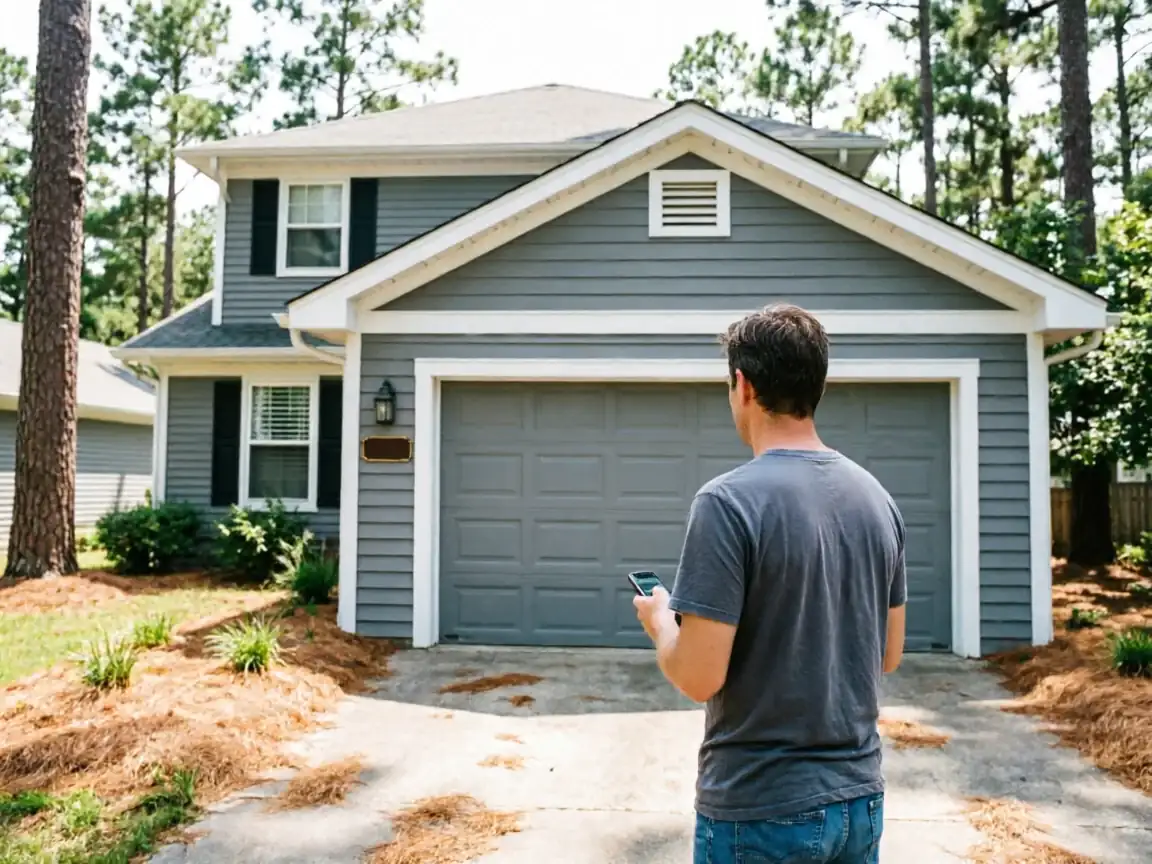
Describe the symptom - won’t open, loud bang, opener runs but the door won’t move.
2
On-site diagnosis
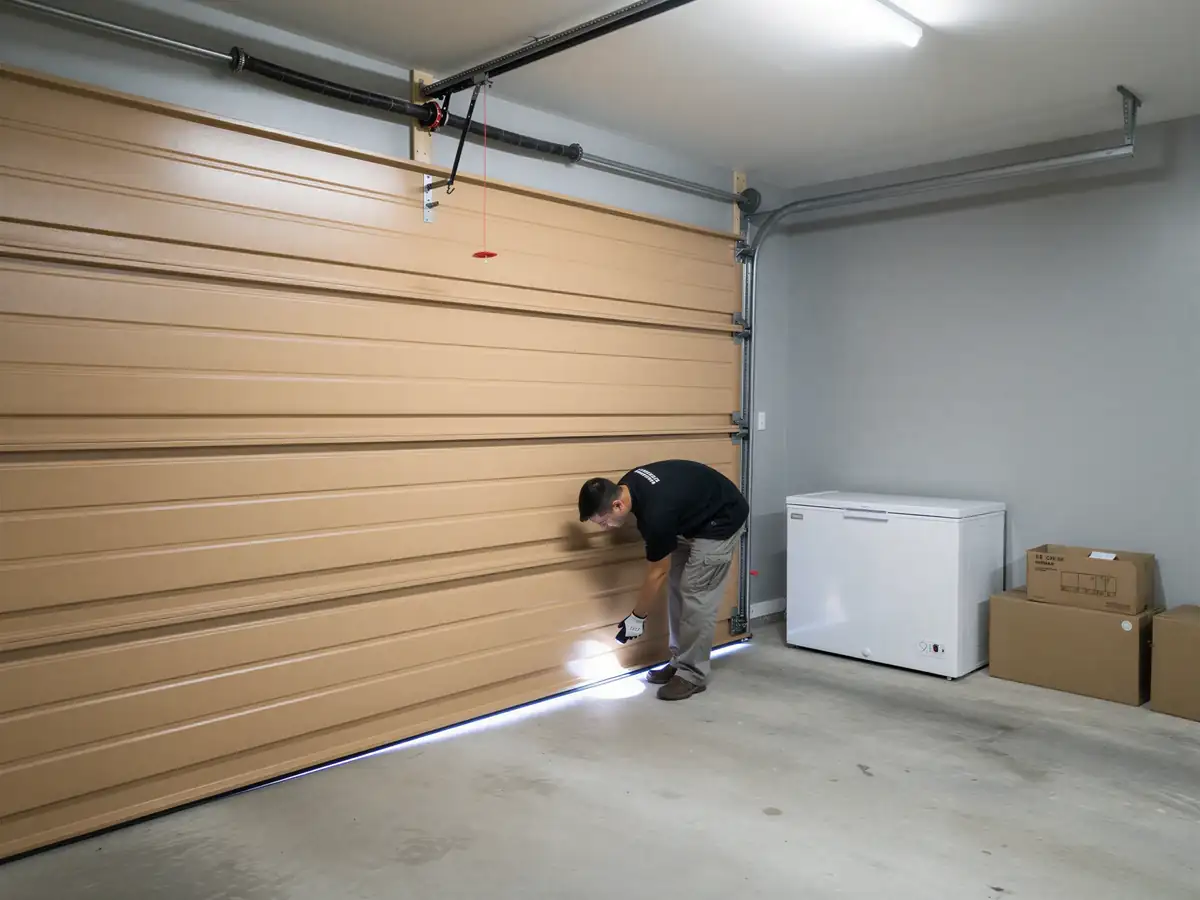
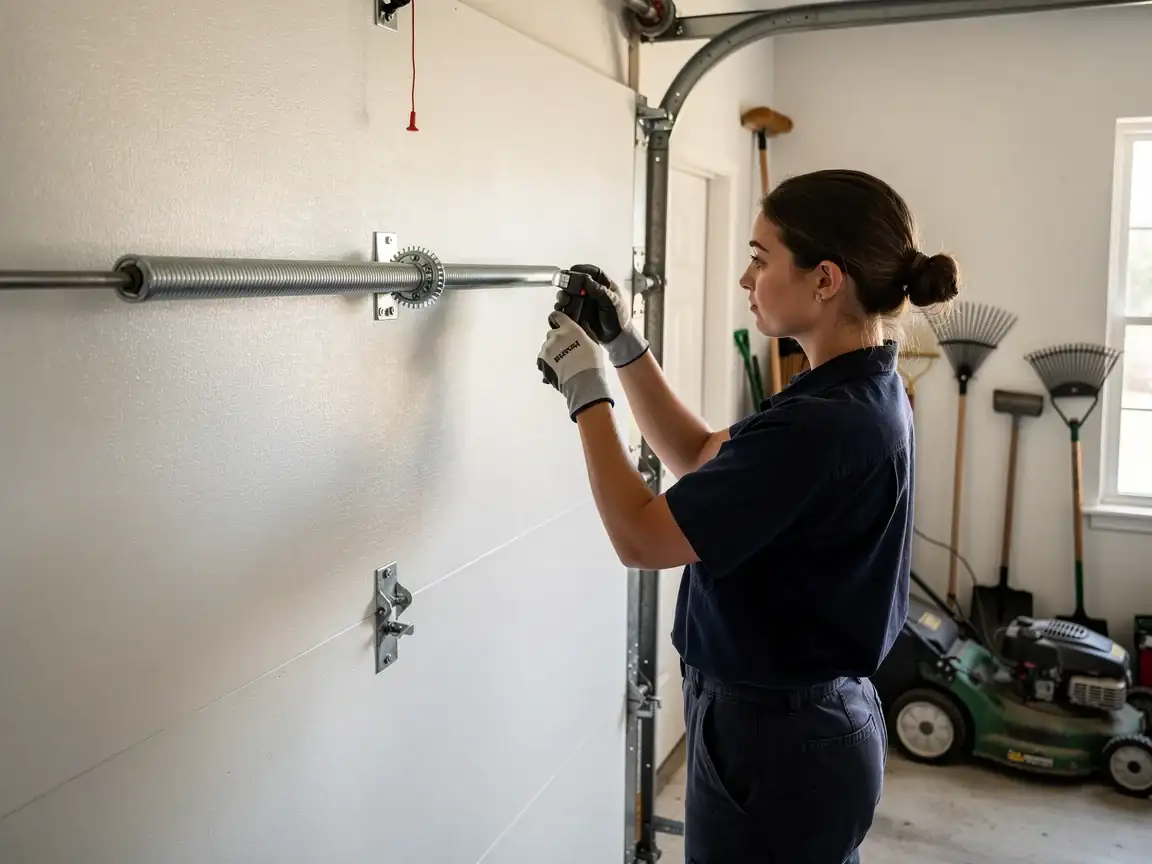
A technician tests the door under power and by hand and finds what actually failed.
3
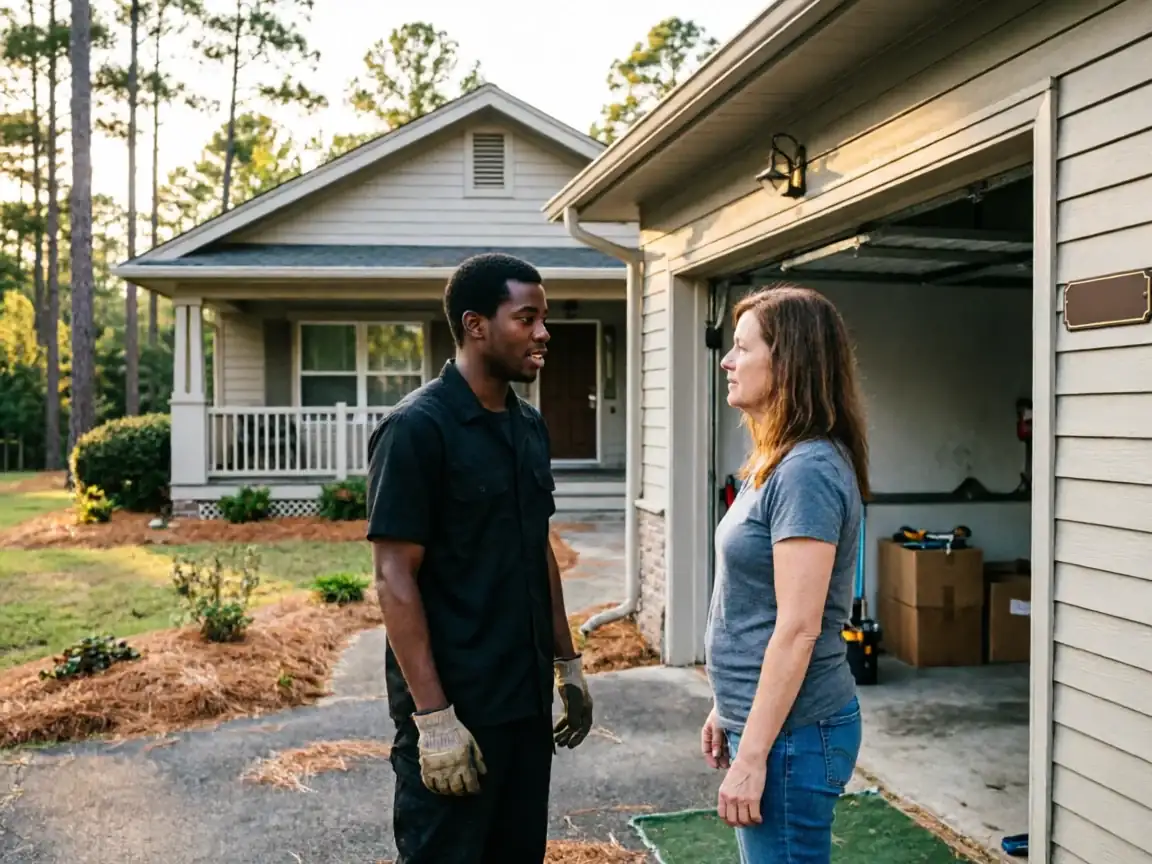
Clear, up-front plan
You get the fix that’s needed and what drives the cost - before any work starts.
4
Repaired & tested
The repair is done, the door is set true and tested, and the work area left clean.
Not sure which repair your door needs in Cornelius, NC? Describe what it’s doing - every job starts with a diagnosis.
No. We run out of Cornelius, about 10 miles away, and schedule Denver calls around that route. We're upfront about this because it affects how fast we can get to you compared to a job closer to the shop.
Why do Denver garage doors seem to fail differently than older houses nearby?
The median house here was built around 1996, newer than a lot of the surrounding area, so most doors are steel torsion-spring models rather than older side-mount extension setups. The failures we see are mechanical wear - springs, openers, track - not obsolete hardware.
Is cold weather really a factor for garage doors here?
Yes. This area sits in a cold-moderate climate band, and repeated freeze-thaw cycling fatigues torsion spring steel over years. It's common for a spring that's been weakening for a while to finally snap on a cold morning rather than gradually give out.
Should I repair or replace an opener from the mid-90s?
If the door is original to a house built around 1996, both the opener and springs are likely near or past their rated life. When both are failing together, replacing both at once usually costs less over time than repeated patch repairs.
Ready to get your garage door sorted?
Tell us what it’s doing and where you are in Cornelius - we’ll take it from there.