Checking It Yourself
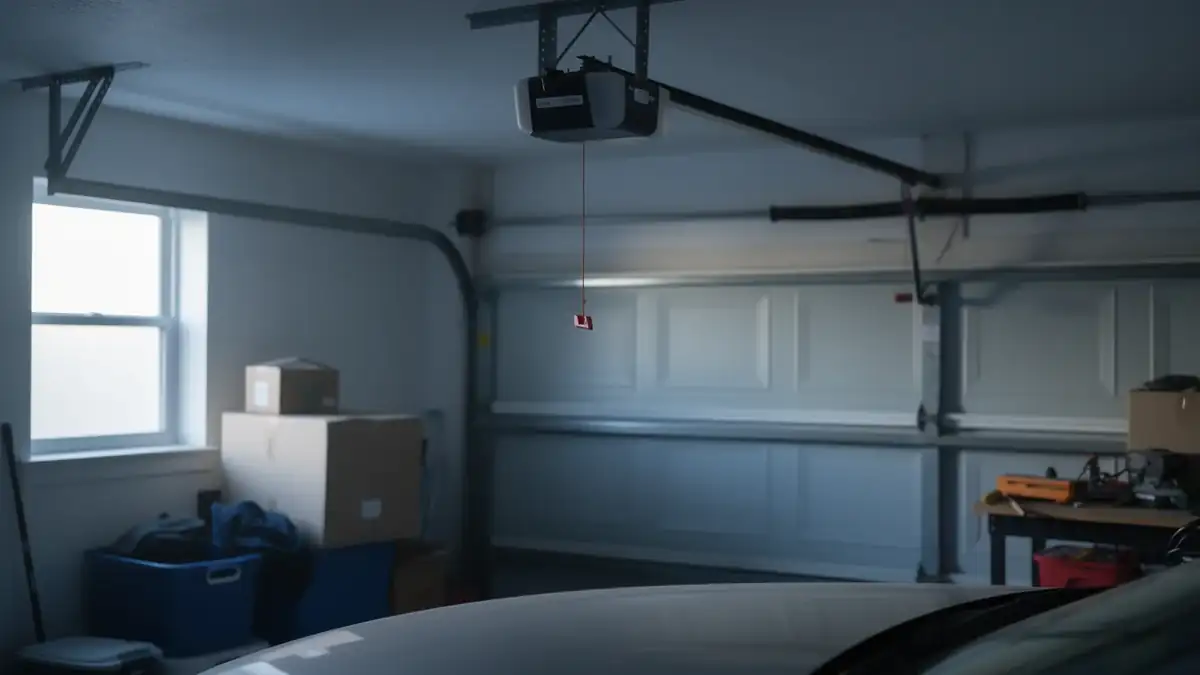
Start at the opener head, not the door
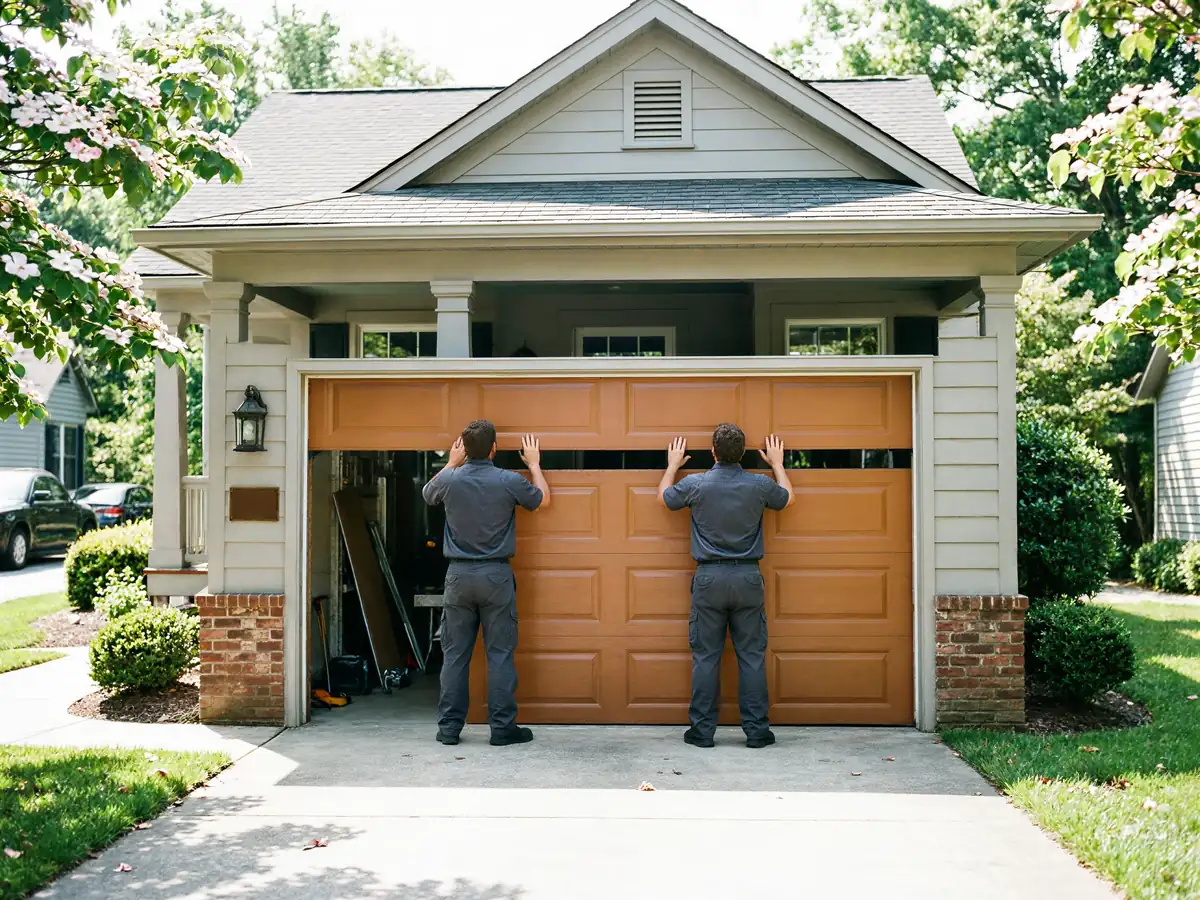
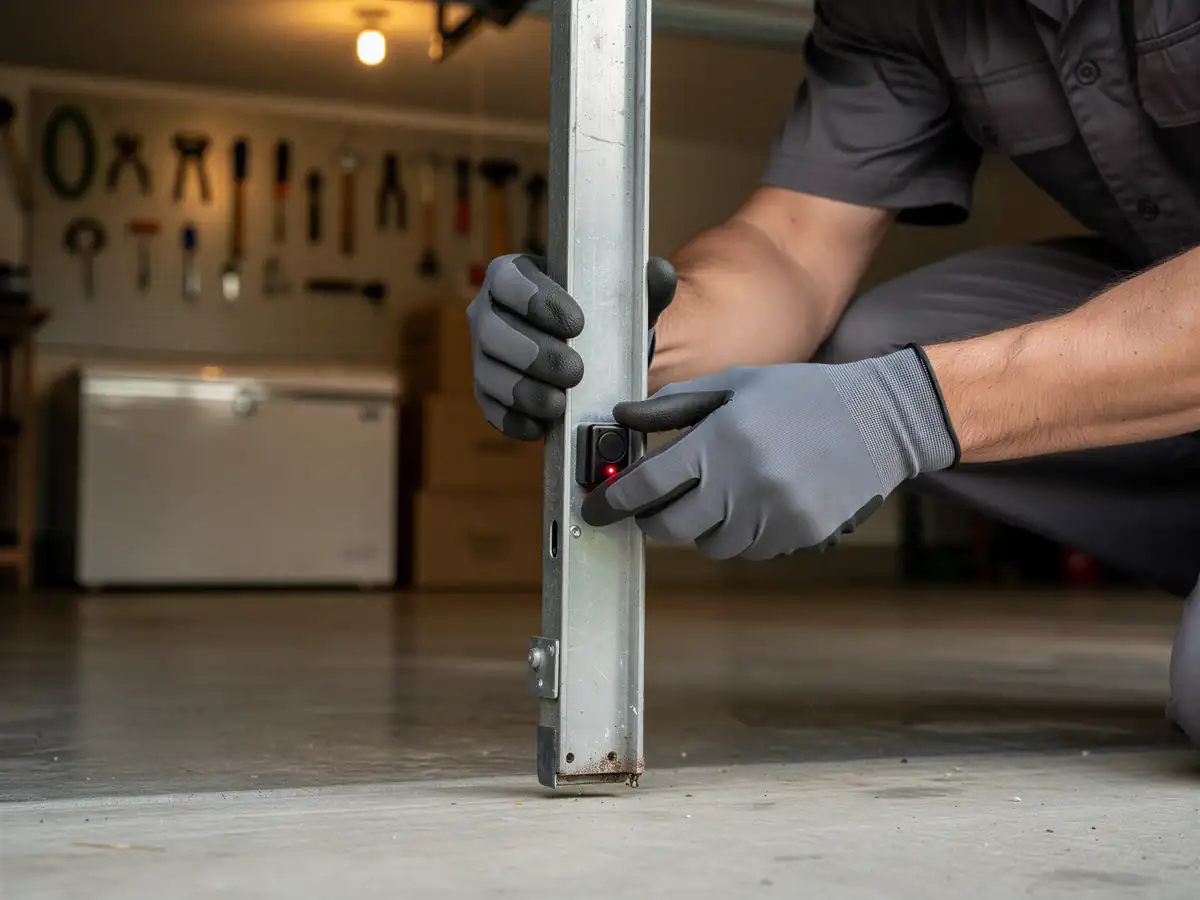
Pull the red release cord and see how heavy the door feels in your hand with the motor disconnected - that tells you whether a spring is doing its job or the motor has been covering for a weak one. If your house falls into the 1980s-to-90s build wave that covers most of this area, check whether the opener has a battery backup box at all. A lot of original units here don't, since battery backup wasn't standard equipment when these houses were wired. If you've got a newer opener on an older house, check the backup battery's charge light - batteries don't last forever, and nobody checks them until the power's already out. Also look at the manual release itself: on an older chain-drive unit, the cord sometimes seizes from disuse, and you don't want to find that out during an outage with the car half in the driveway. None of this takes tools, just five minutes with the light on.
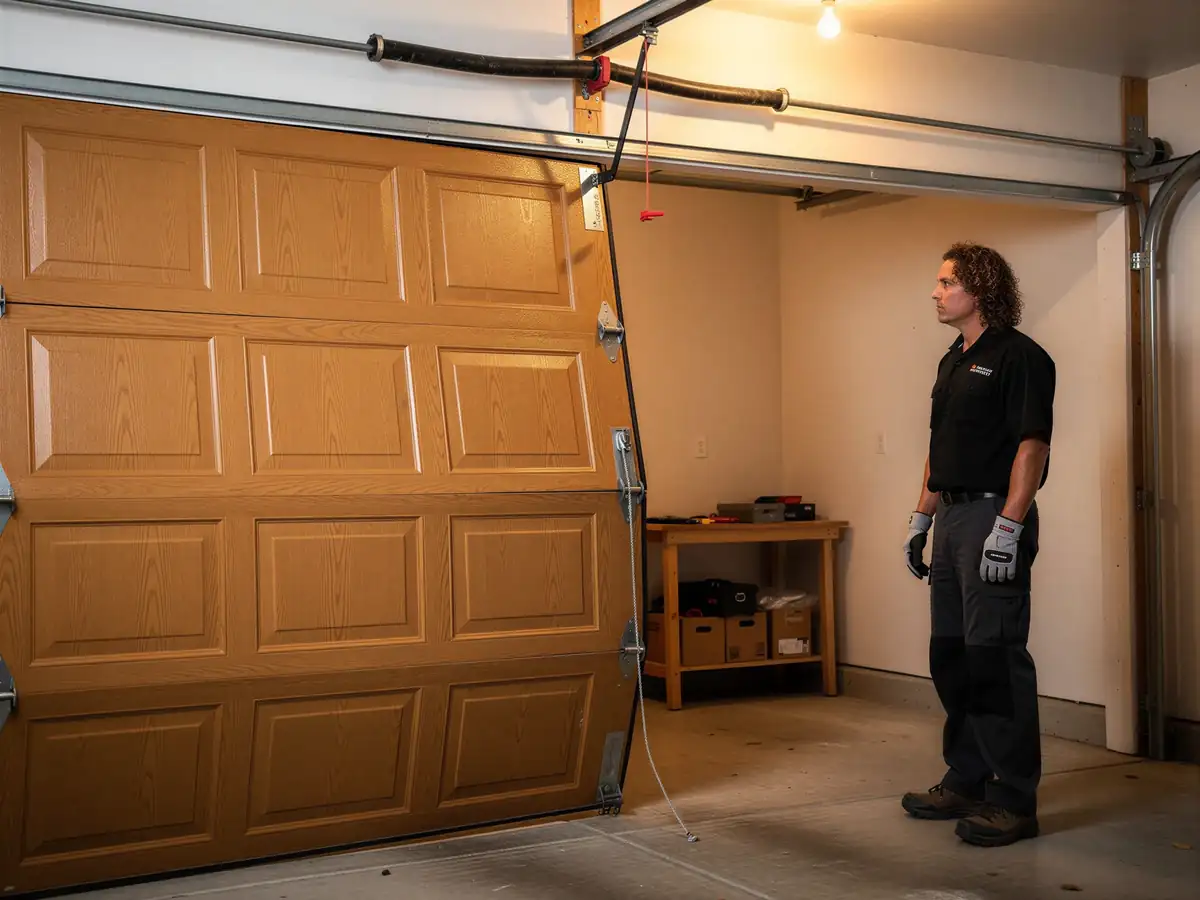
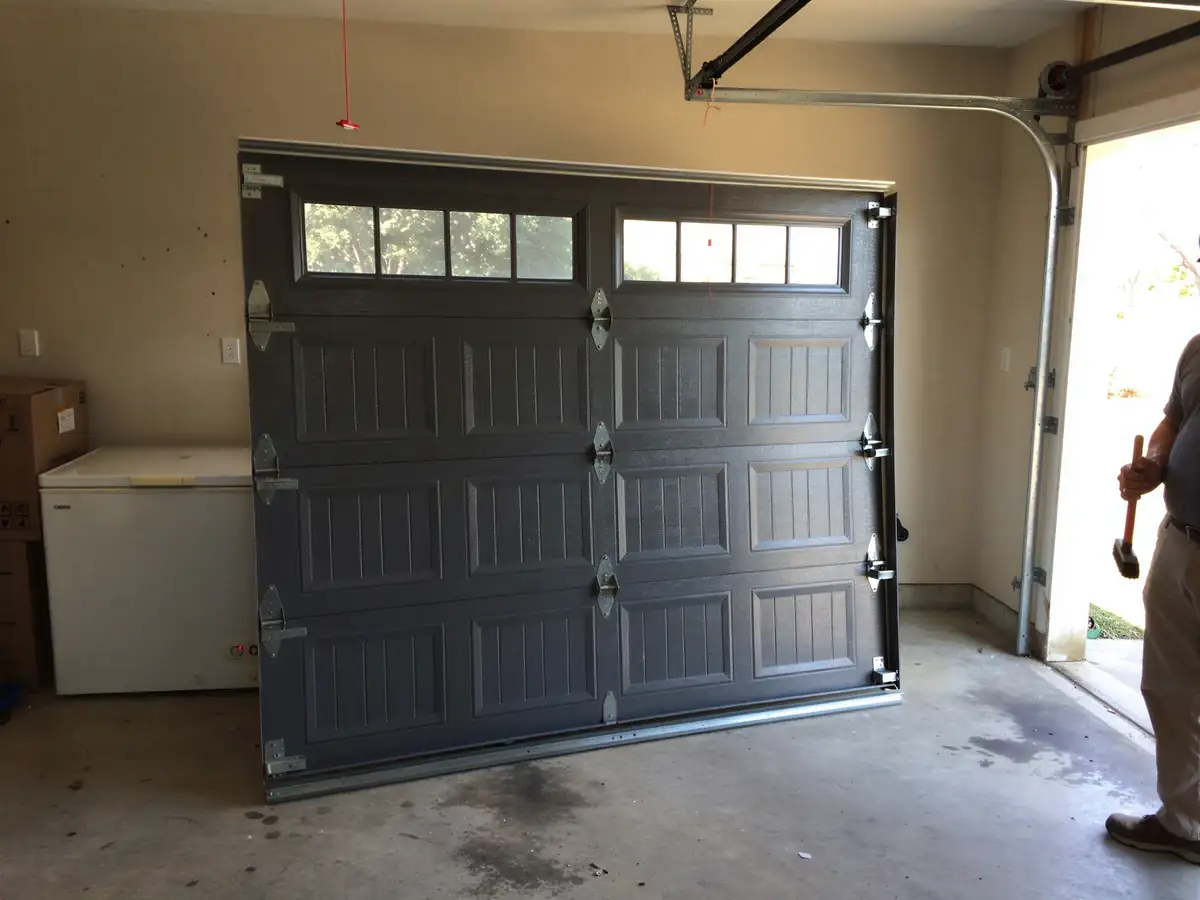
If the door won't budge even in manual mode, stop pulling on it
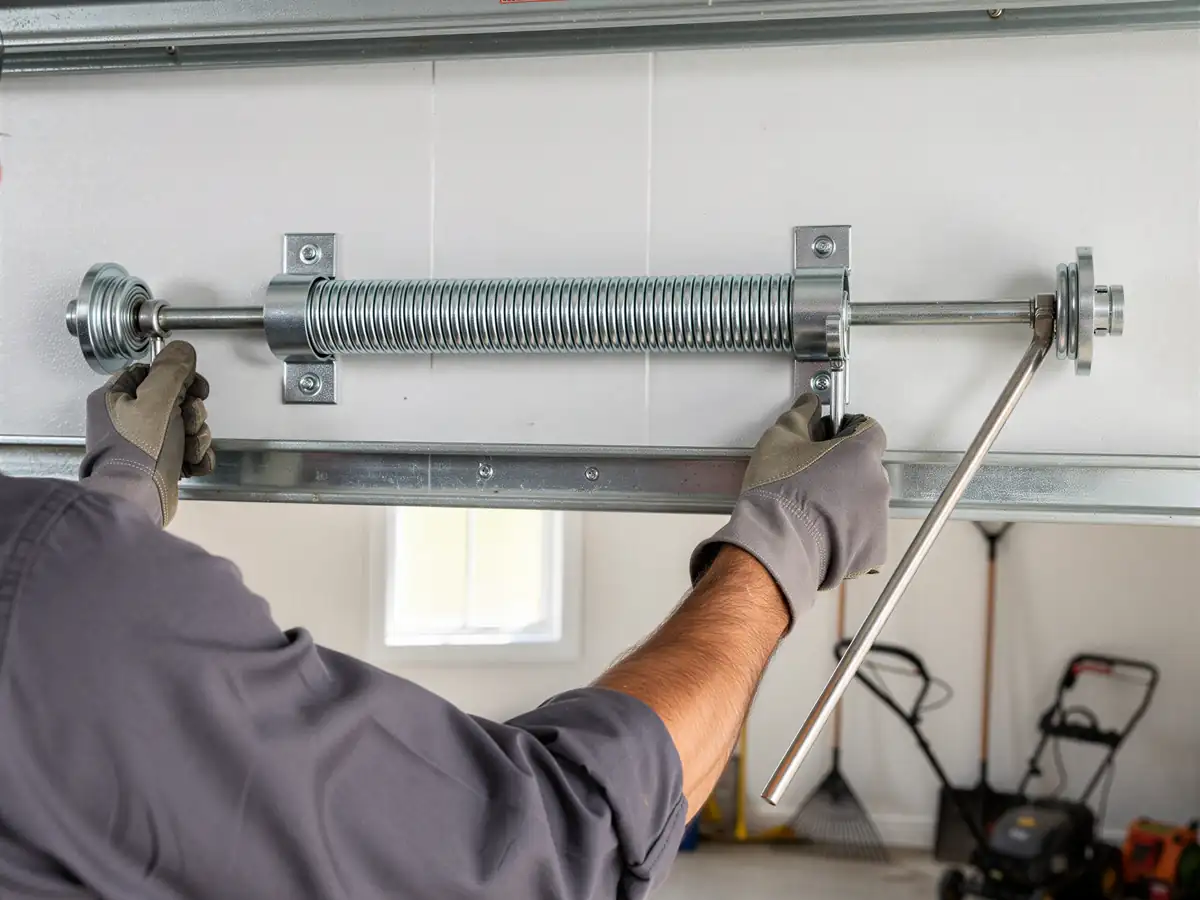
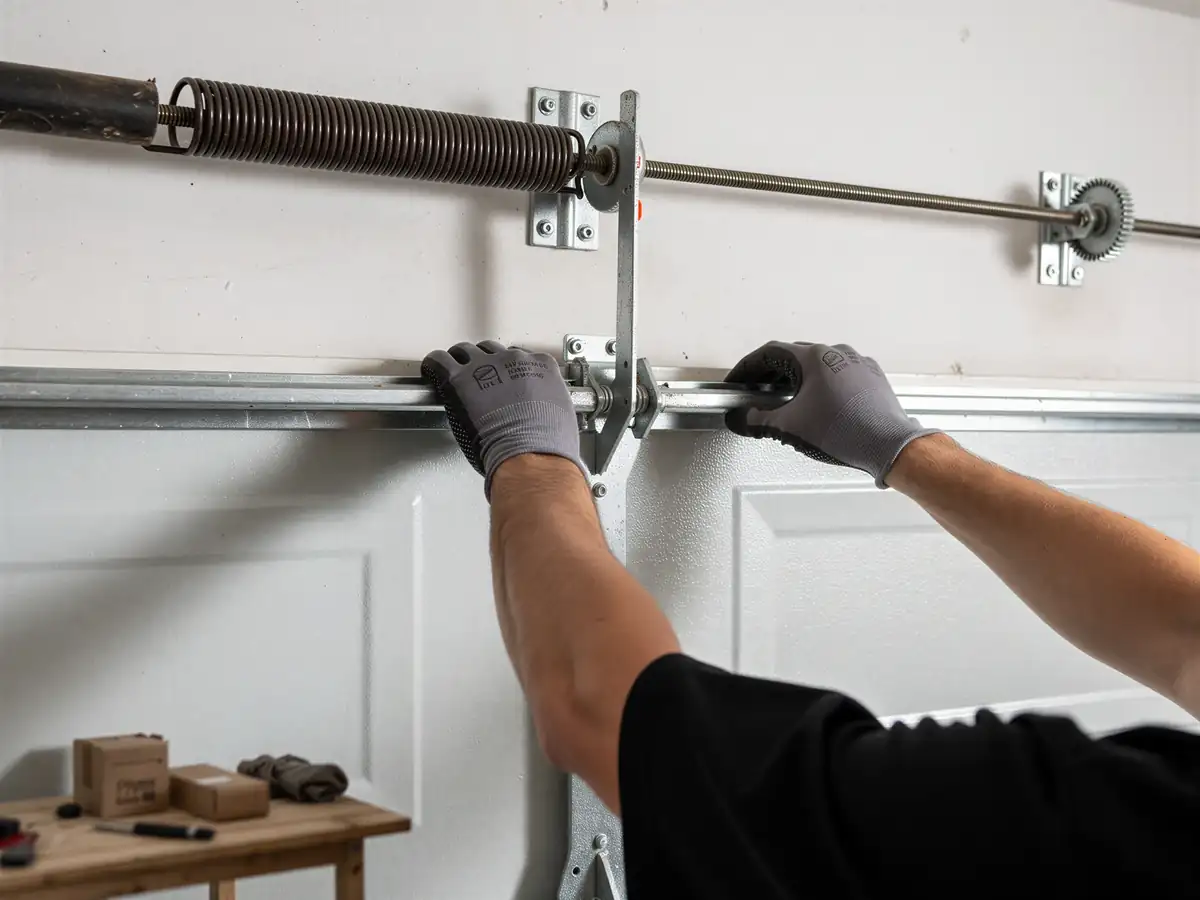
That's a spring or cable problem, not a power problem, and it's not a DIY job.
The Problem
Garage door openers rely on the grid, and when the grid drops, the motor stops mid-cycle no matter what the door was doing. In a house built in the median window around 1998, that opener is old enough to be on borrowed time regardless of power, but the power issue is separate and sharper: without a battery backup, a door caught halfway open or closed during an outage stays exactly there until someone pulls the manual release. Across the 18 named areas that make up this service territory, most of which saw their main building push through the 1980s and 90s, battery backup simply wasn't part of the original opener spec. It got added to newer models over time, but swapping an old chain-drive unit for one with backup isn't something most owners think about until the first outage leaves a car stuck inside.
The honest limitation here: we don't do electrical panel work or whole-house generator hookups. If the outage problem is really a wiring or utility problem, that's outside what a garage door call solves.
What Local Conditions Do
Cornelius sits in a cold-moderate climate band, which doesn't mean brutal winters, but it does mean the grease on an older chain or screw drive thickens up on the cold mornings that do happen. A motor that has to fight stiffer lubricant and a slightly swollen door panel works harder every cycle, and that extra strain shows up first as a slow open, then as a tripped circuit, then as a dead capacitor - often right when a cold front also happens to be the reason the power flickered. It's not that cold weather causes outages, it's that cold weather and an aging opener motor tend to show their limits around the same time of year. Houses out toward Davidson or Westport, just a few miles off, sit under the same climate band and the same building-era pattern, so the pattern isn't unique to one street - it's the whole area's housing stock meeting the whole area's winters.
Condensation inside an older opener housing is the other quiet issue in this climate band: it doesn't ruin a motor outright, but it corrodes contacts slowly enough that you don't notice until a cold, damp morning is the one that finally kills it.
Leaving It Alone
An opener that struggles once in a while is easy to ignore
And most people do until the day it doesn't restart after a power cut. If your house is part of the 1980s-90s stock that makes up most of this area and the opener has never been replaced, you're not dealing with a fluke - you're dealing with equipment that's simply reached the end of a normal service life, power issues aside. Leaving a chain-drive unit without backup in place isn't dangerous by itself, but it does mean every outage becomes a manual-release event, and that gets old fast if it happens more than once a season.
We'd rather tell you straight that a fifteen-plus-year-old motor on a house from that build era is usually a replacement conversation, not a repair one, than sell you a part that buys six more months
That's not true of every call - sometimes it really is one bad capacitor - but it's worth knowing before you spend money finding out.