Checking It Yourself
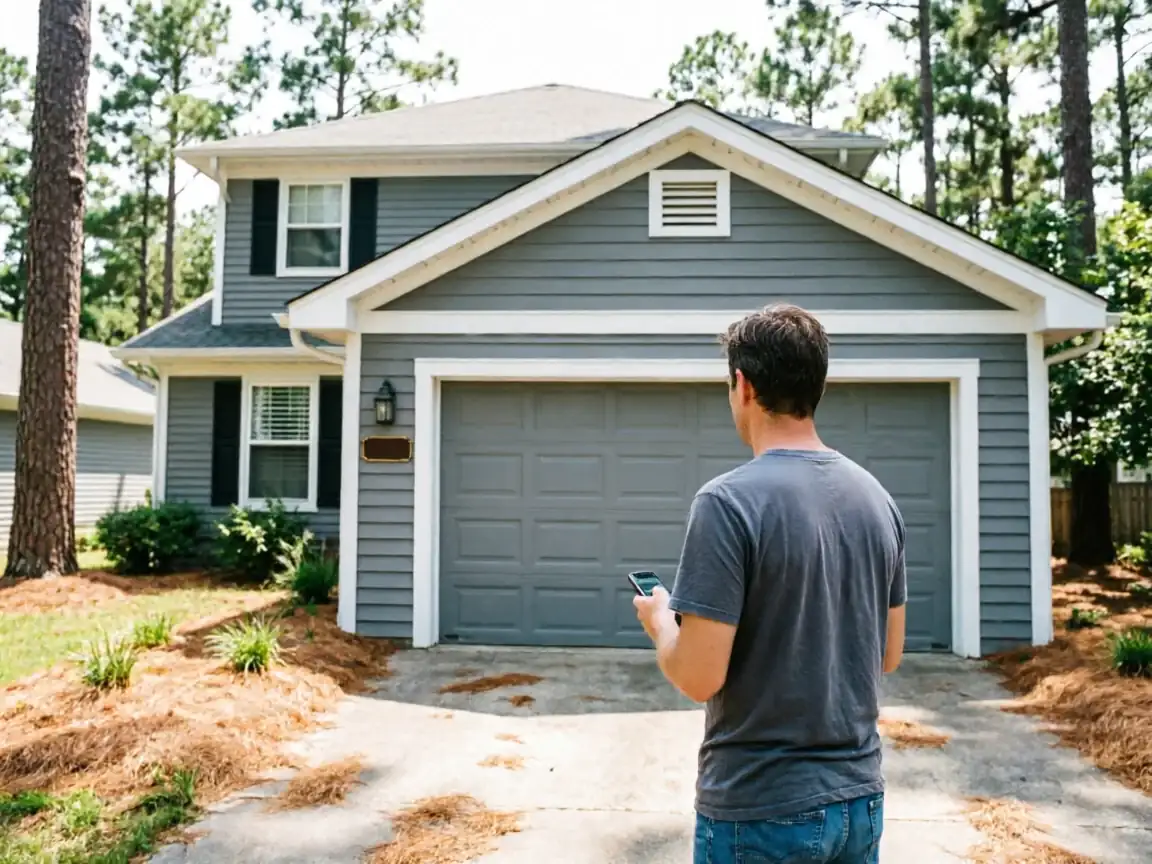
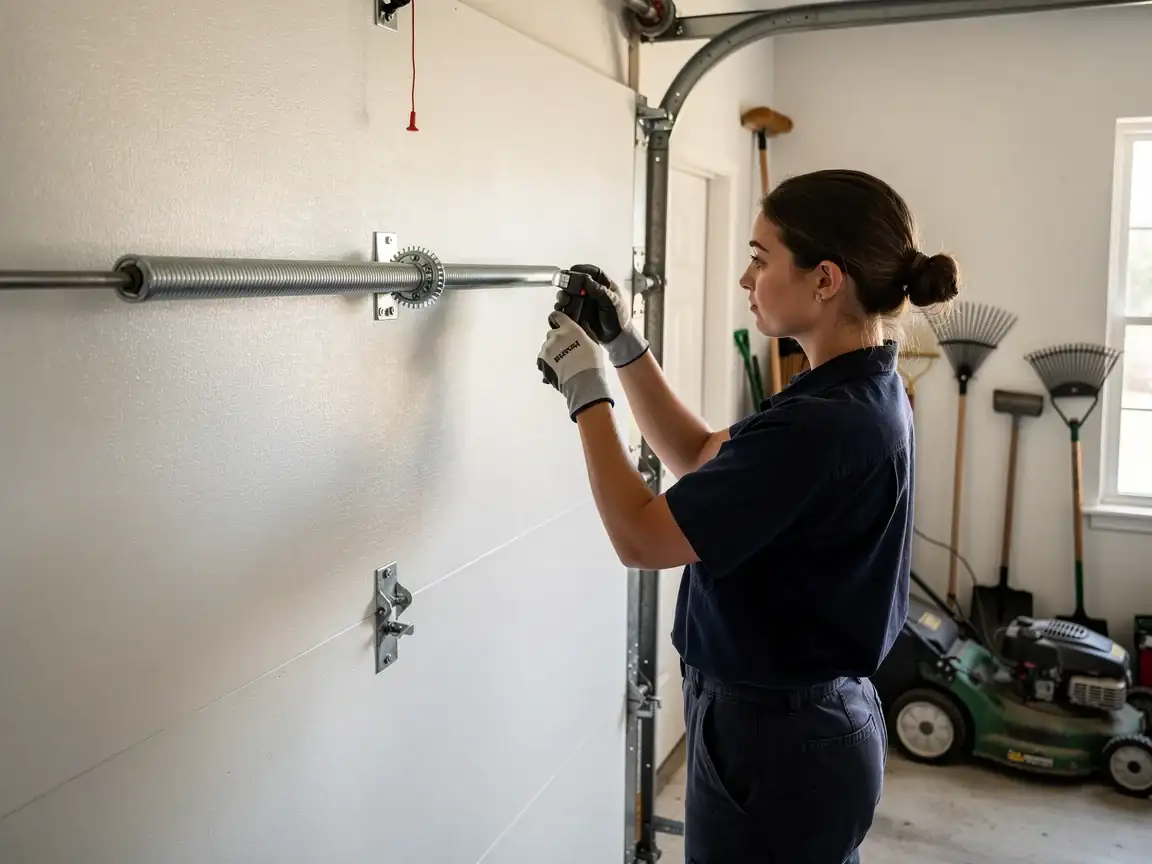
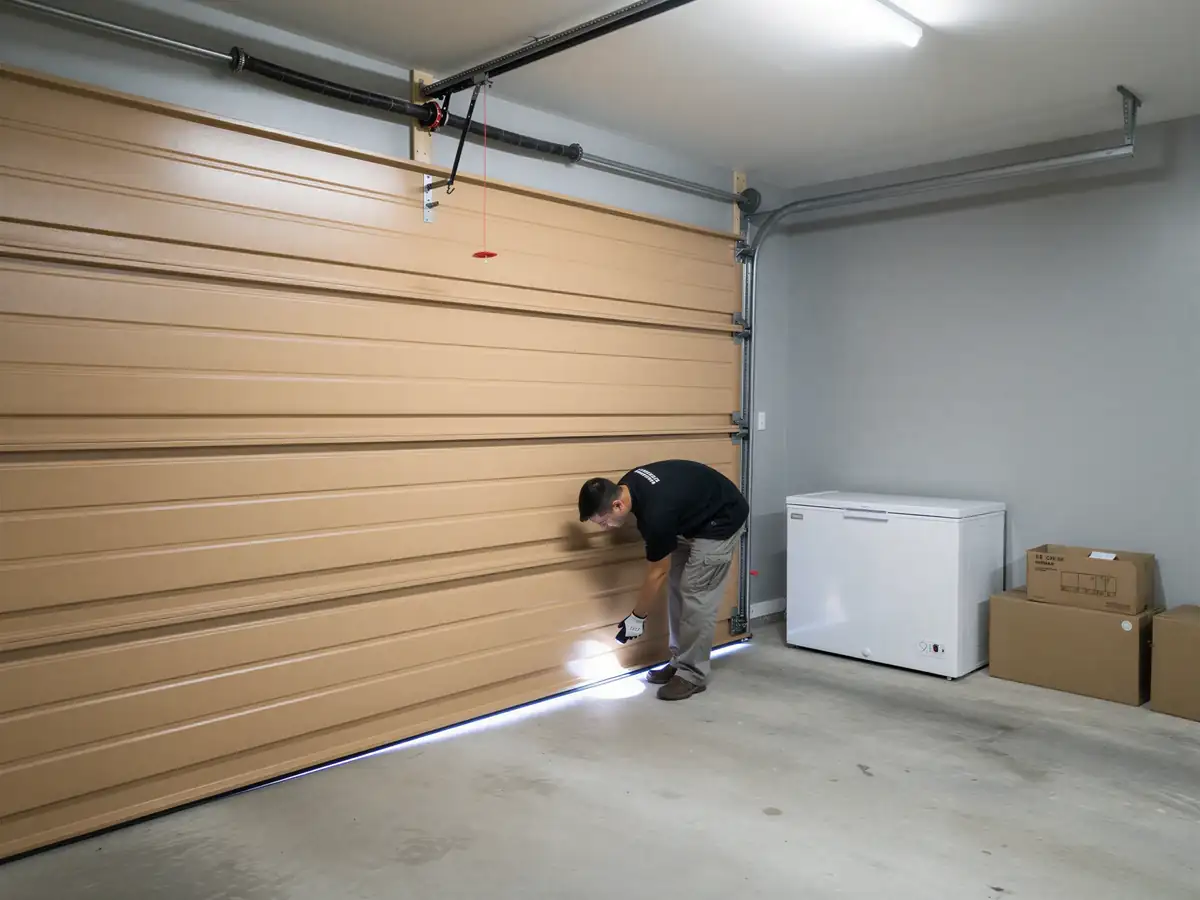
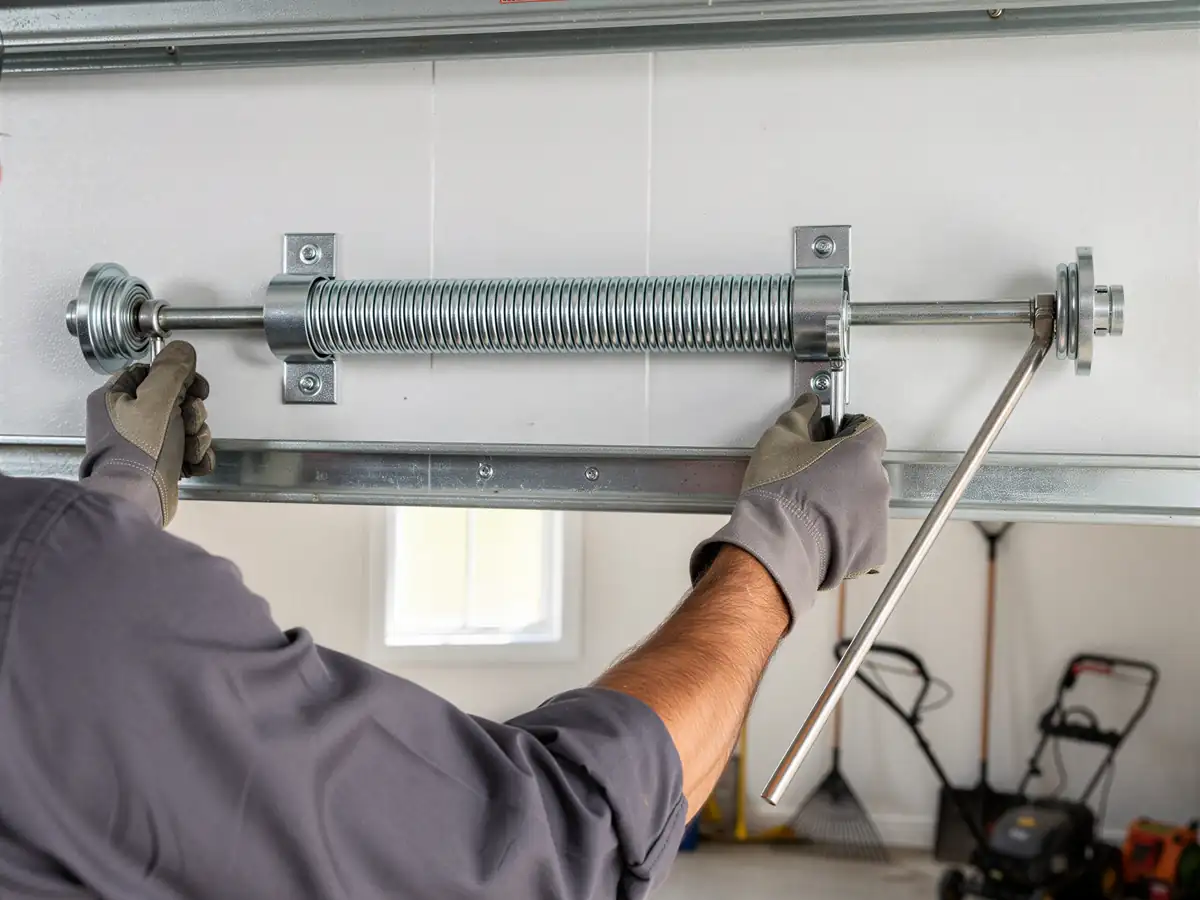
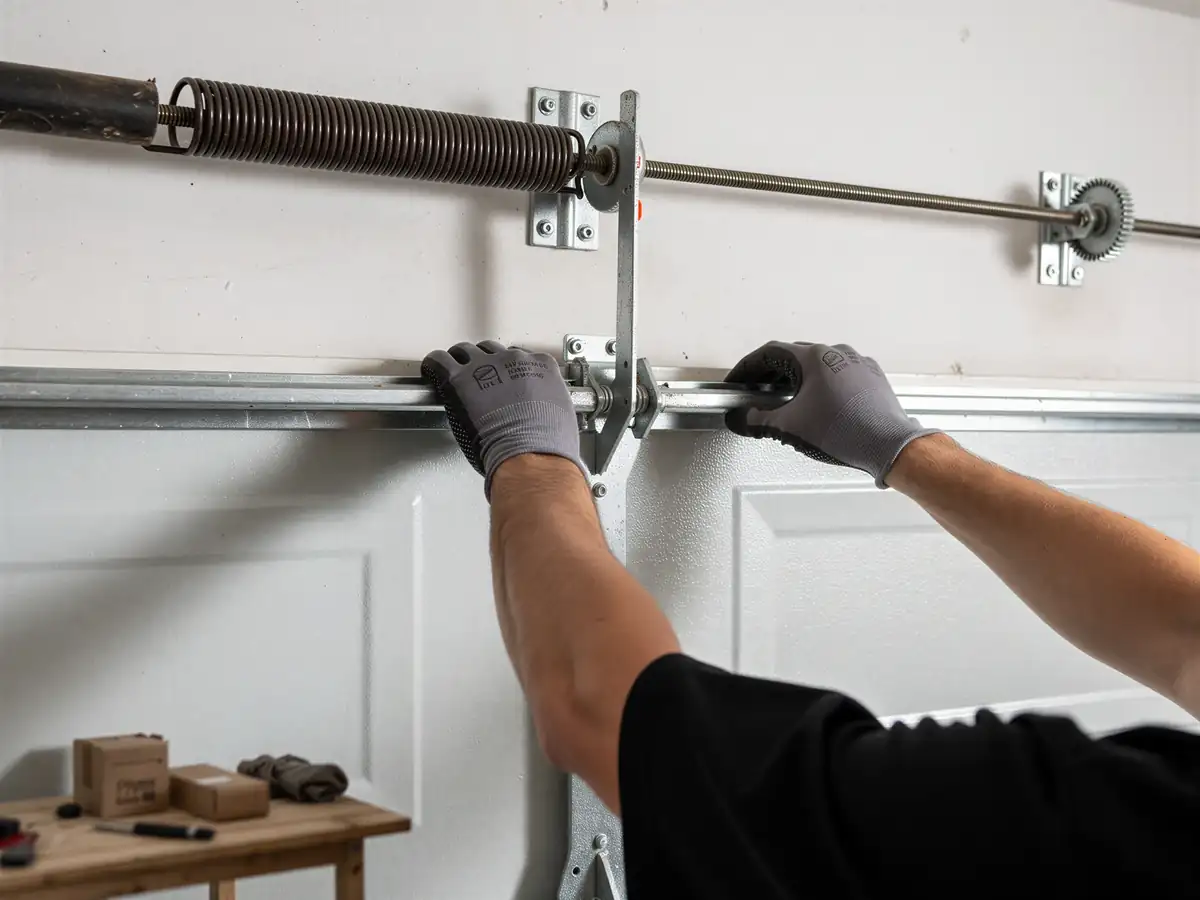
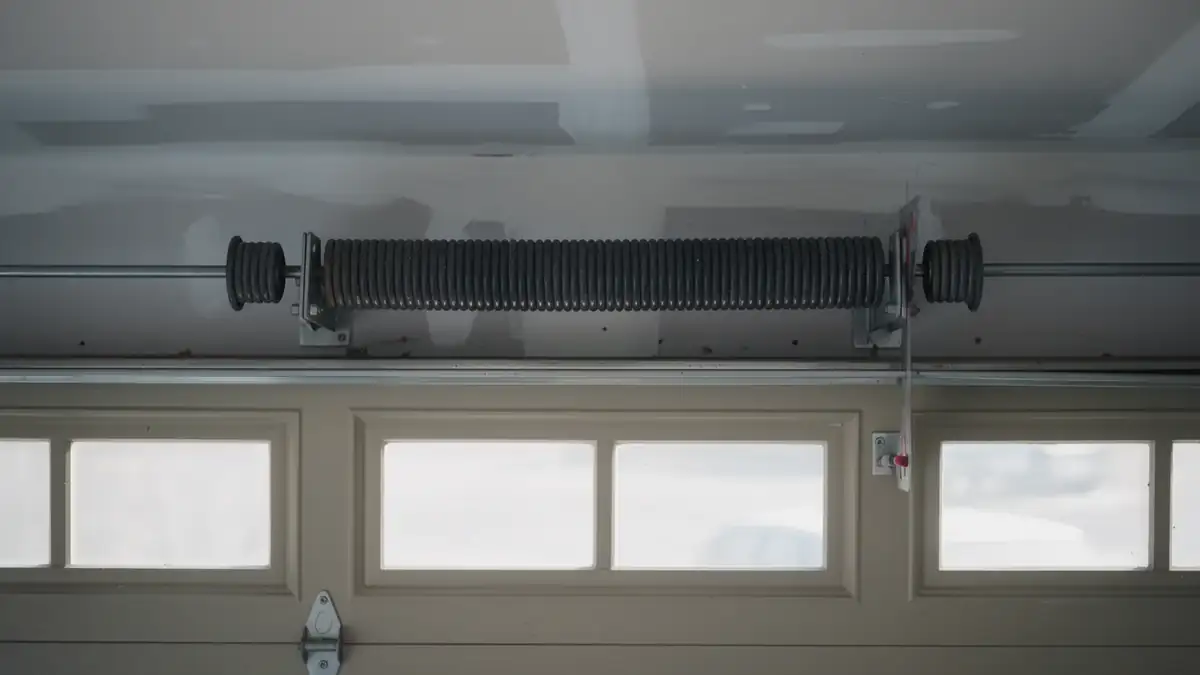
Before you call anyone, look at the spring above the door
The torsion spring on the header wall if you've got a single spring system, or the two mounted side by side if your door was built after the mid-90s double-spring push. You're looking for a visible gap in the coil, which means it's already broken, or rust bloom along the coils, which tells you the galvanizing wore through. Don't touch the spring itself. Don't try to wind or unwind anything by hand.
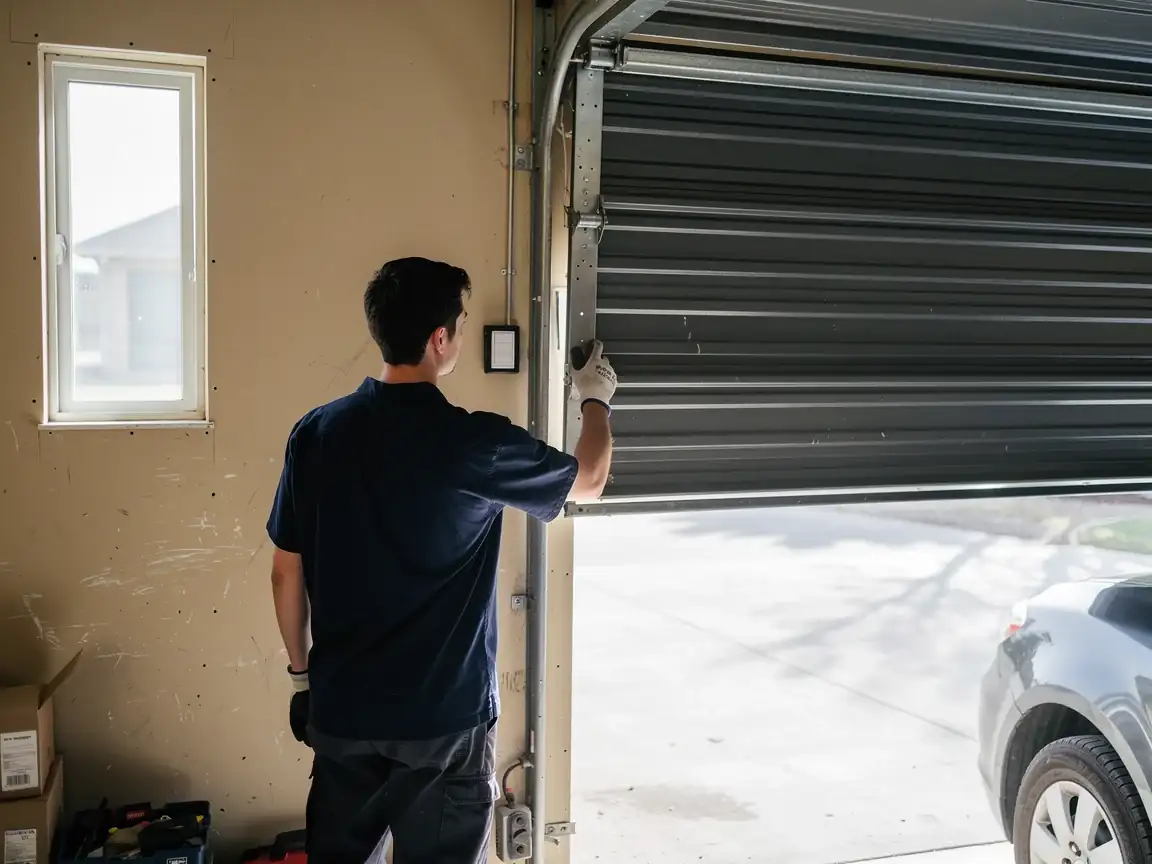
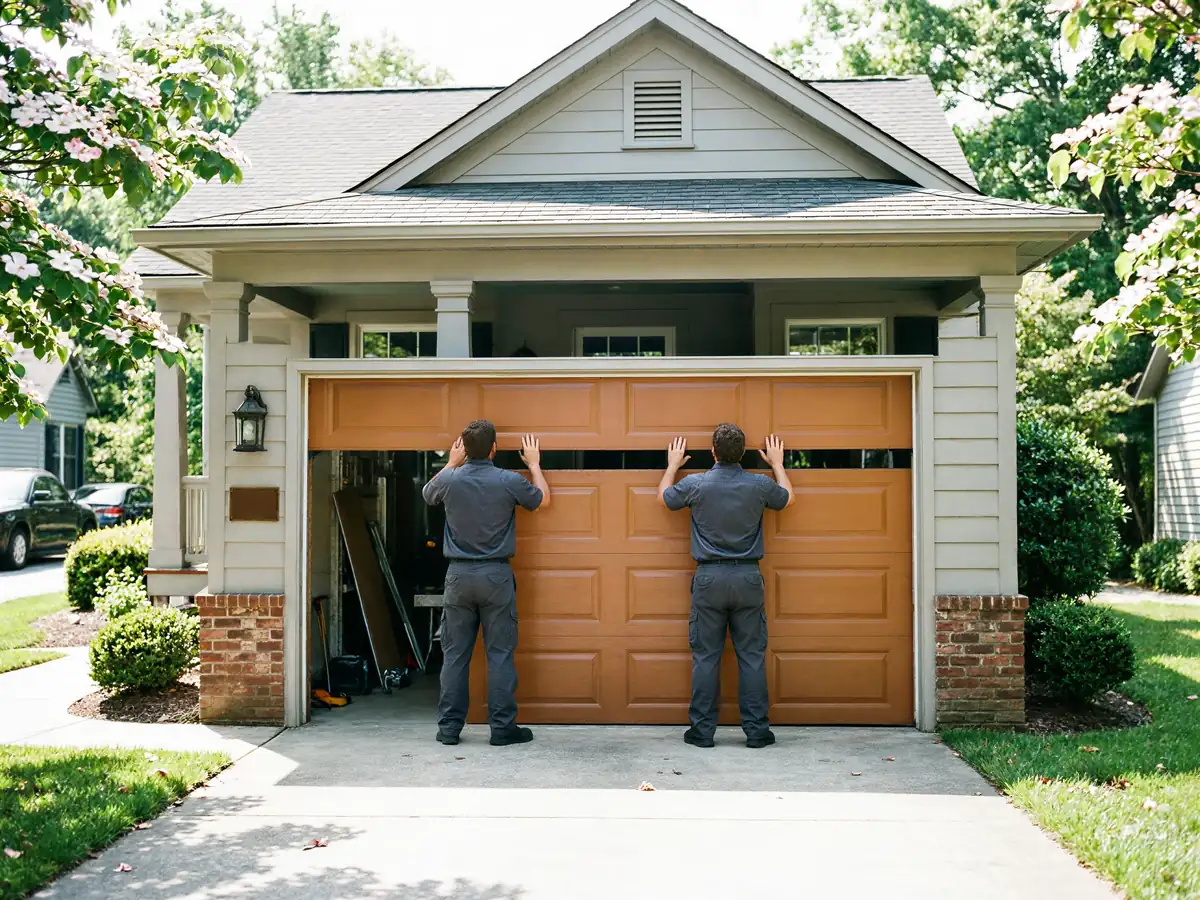
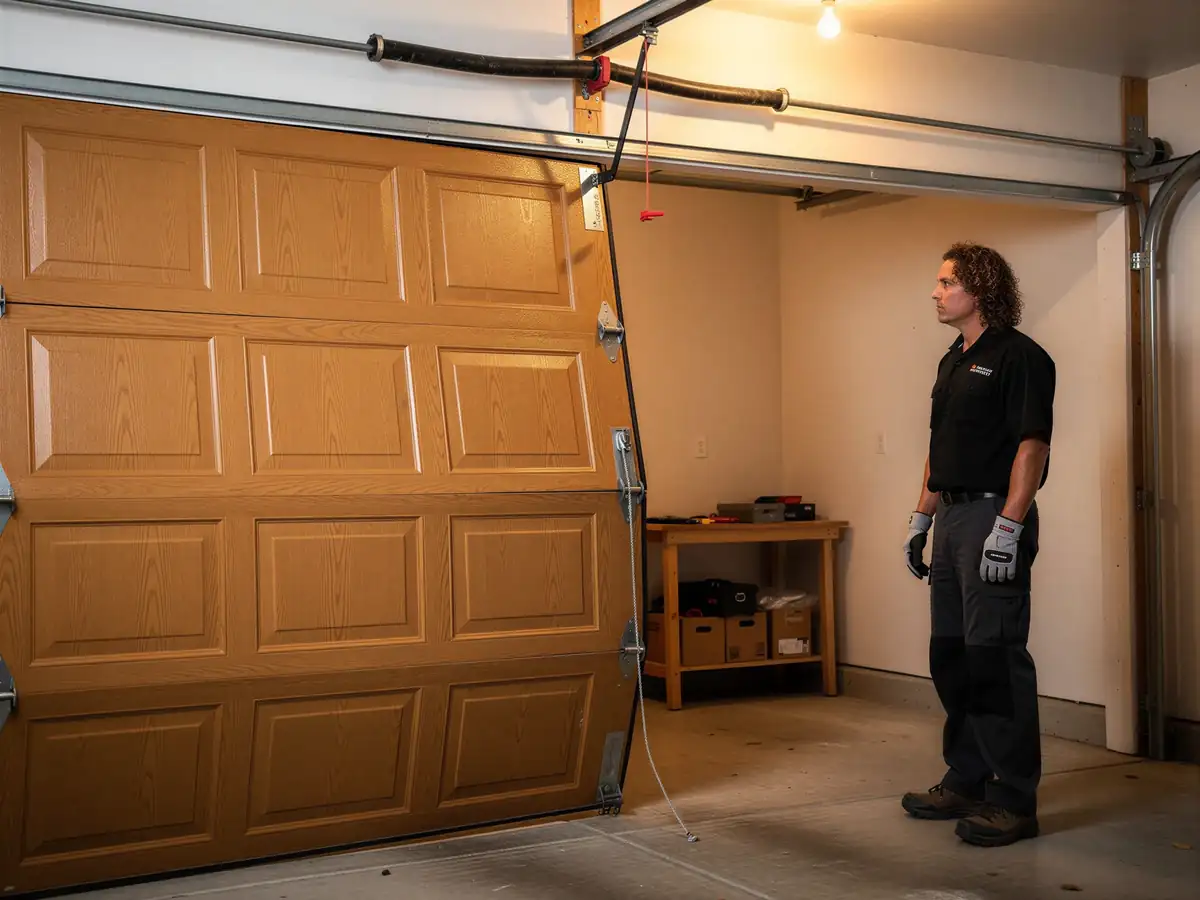
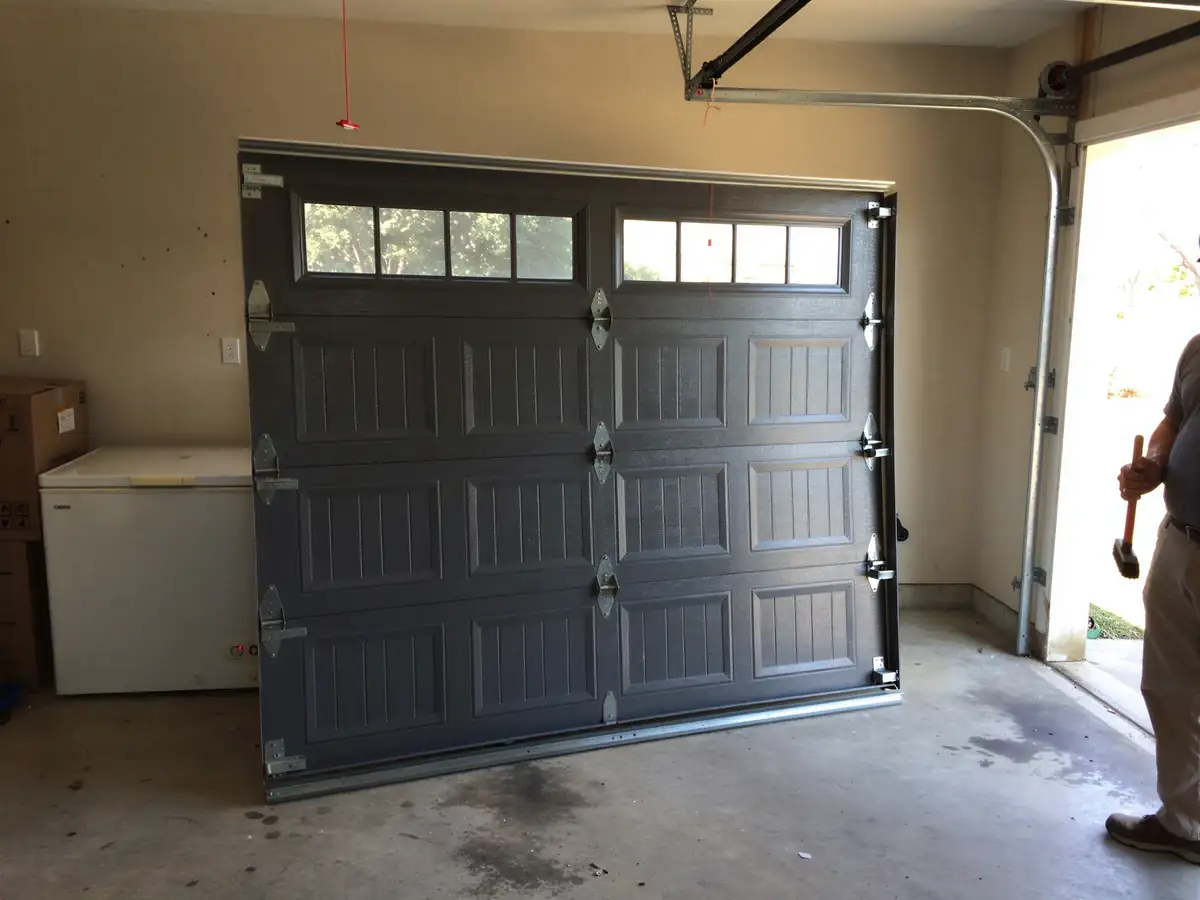
Next, pull the emergency release cord and lift the door by hand, slow, about halfway
If it feels balanced and stays put, the spring's doing its job. If it drops like dead weight or you can barely get it off the floor, the spring's lost tension even if it hasn't snapped yet.
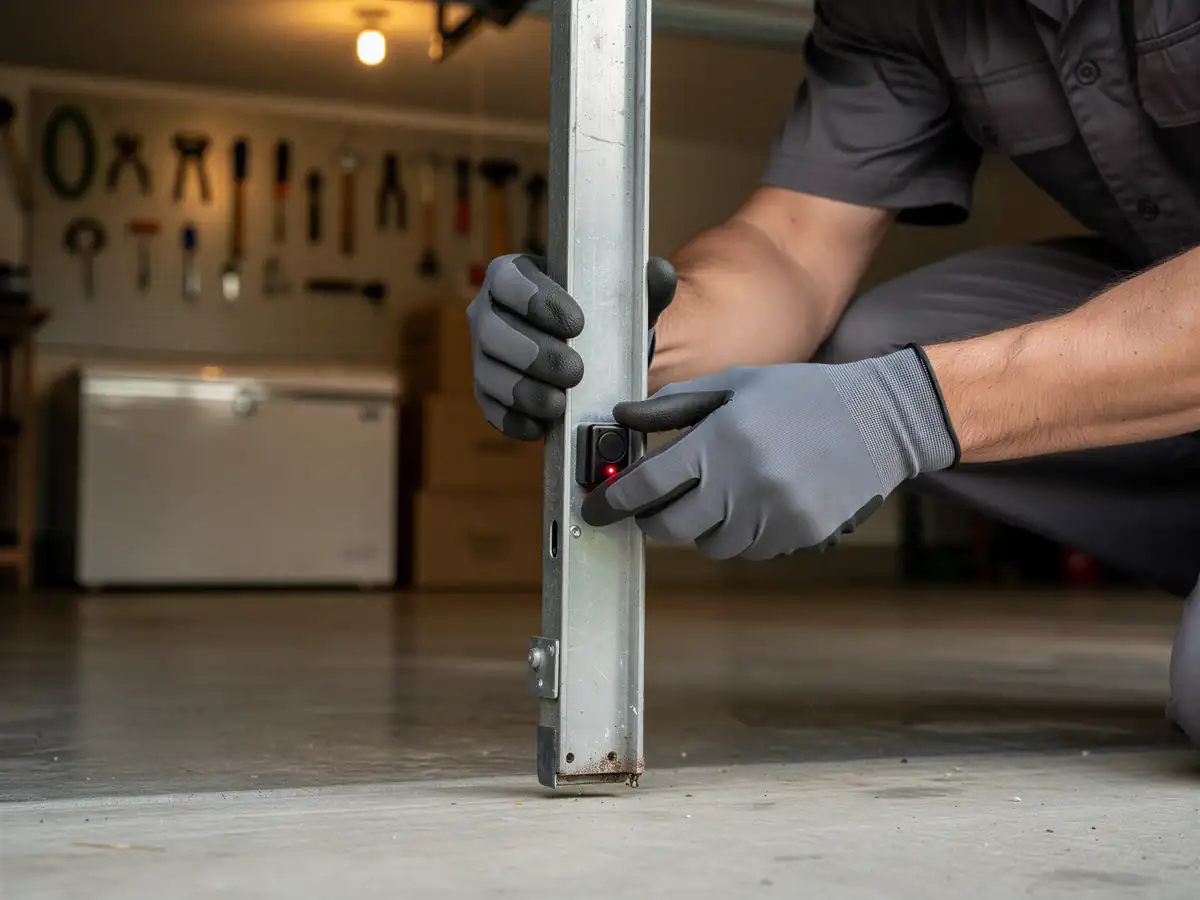
Check the cables too, the thin steel lines running from the bottom corner brackets up to the drum near the spring
Fraying strands there, especially near the bottom bracket, mean the cable is close to going, and a cable failure under tension is a different kind of dangerous than a spring letting go slow. Most of the housing stock around here dates to 1959 through 2011, with the bulk from the 1980s and 90s, so if your house falls in that window and nobody's touched the spring since the house was built, you're overdue for a look regardless of what you find today.
The Problem
A torsion spring is rated for a number of open-close cycles, somewhere around 10,000 on a standard spring, and it doesn't care what year it is - it just counts door openings until the steel fatigues. Houses built in the 1980s and 90s, which make up most of the stock across this area, are hitting or passing that cycle count right about now if the original spring was never swapped. Nobody budgets for a part that fails on a schedule nobody tracks.
What makes it worse here isn't the age alone, it's what happens to that fatigued steel once the temperature drops. Cold steel is less forgiving steel. A spring that's already near its fatigue limit and still flexing fine on a 60-degree day can snap outright on a morning when the temperature's dropped hard overnight, because cold metal has less give before it breaks. That's not a defect in the spring, that's just what torsion steel does in a cold-moderate climate band when it's already worn thin.
What Local Conditions Do
Cornelius sits in a cold-moderate climate band, not the deep-freeze territory further north, but enough hard-freeze mornings each winter to matter for a 20-plus-year-old spring. The swing matters more than the average - a door that sits in a garage near 70 degrees overnight and then gets hit with a sub-freezing morning puts more stress on brittle steel than a place that just stays cold and steady all season.
Most garages in this area aren't insulated, since the housing stock here was built well before insulated garage doors were standard, so the spring inside is exposed to roughly the same temperature swing as the air outside the house. That's a different working life than a spring in a heated or insulated bay would have.
Humidity plays a role too. Steel that's gone through enough freeze-thaw cycles with any moisture in the garage will show surface rust before it shows a crack, which is why the visual check matters as much as the lift test. If you've got a door from the median build year around here, late 1990s, and it's never had the spring replaced, cold mornings are exactly when you'll find out.
Leaving It Alone
Here's the honest part
If your spring looks fine, lifts fine, and shows no rust or gap, leave it alone. Replacing a spring that isn't failing just because it's old doesn't buy you much, and we're not going to tell you to swap a part that's still doing its job. A spring with life left in it is a spring with life left in it, cold snap or not.
Where we draw the line is a door that's already hard to lift by hand
Or a spring with visible rust pitting along the coil. That's not a wait-and-see situation, especially heading into a cold stretch, because a spring under tension that fails doesn't fail gently - it lets go all at once, and if someone's hand or head is near the door when it does, that's a real injury, not a maintenance inconvenience. If you're not sure which category you're in, that's a reasonable reason to get a second set of eyes on it before the temperature drops any further.