Why It Happens Here
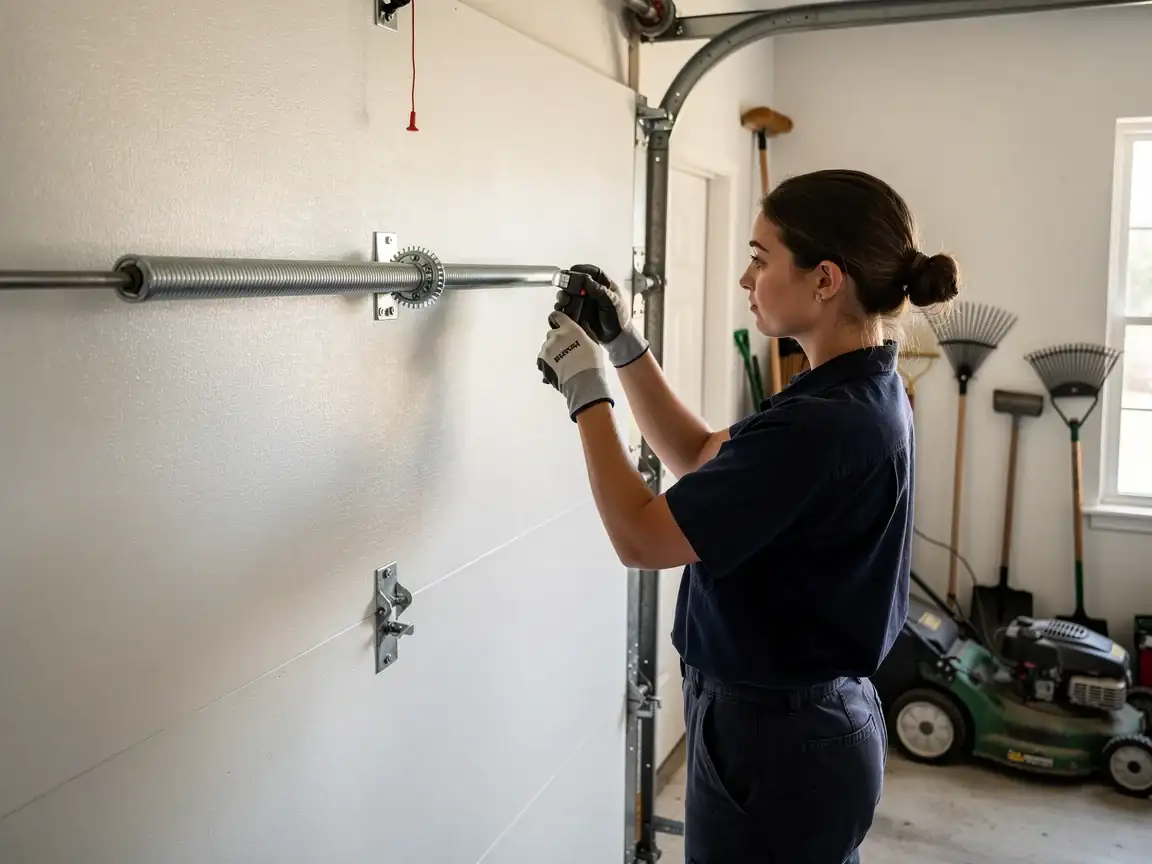
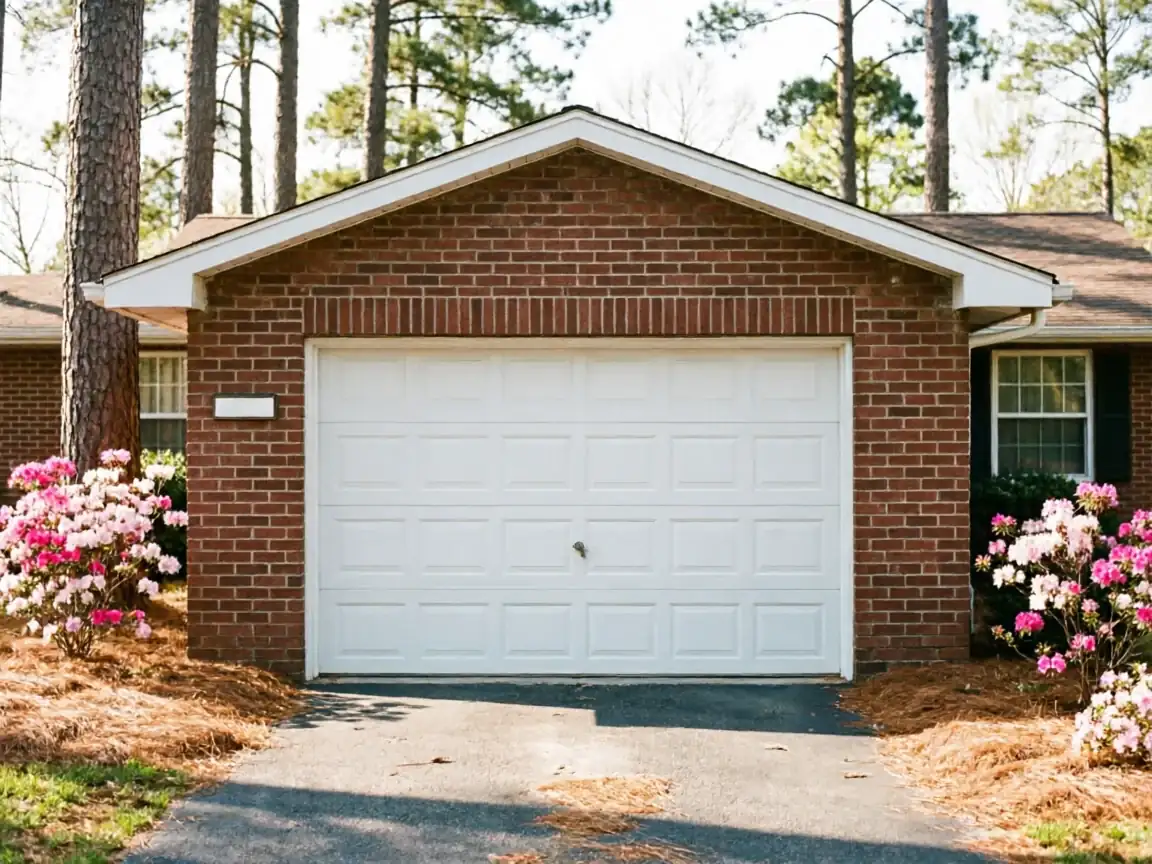
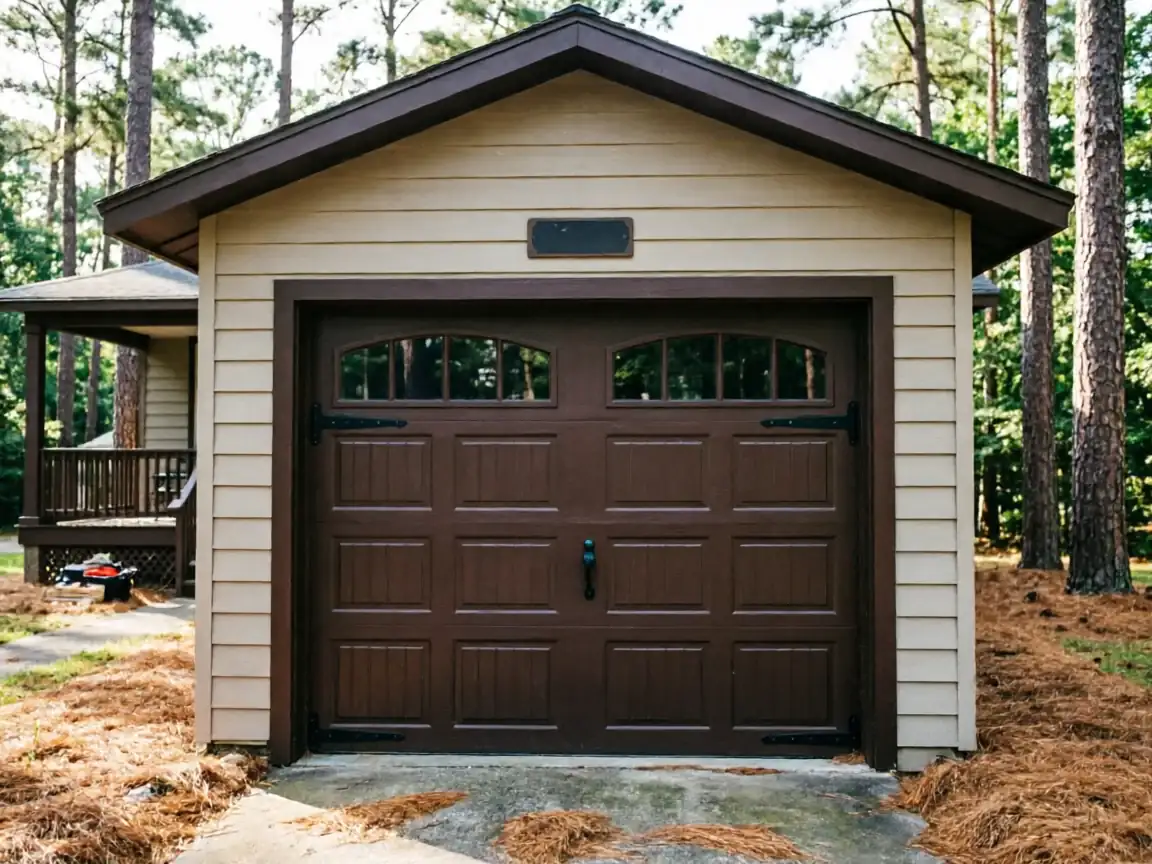
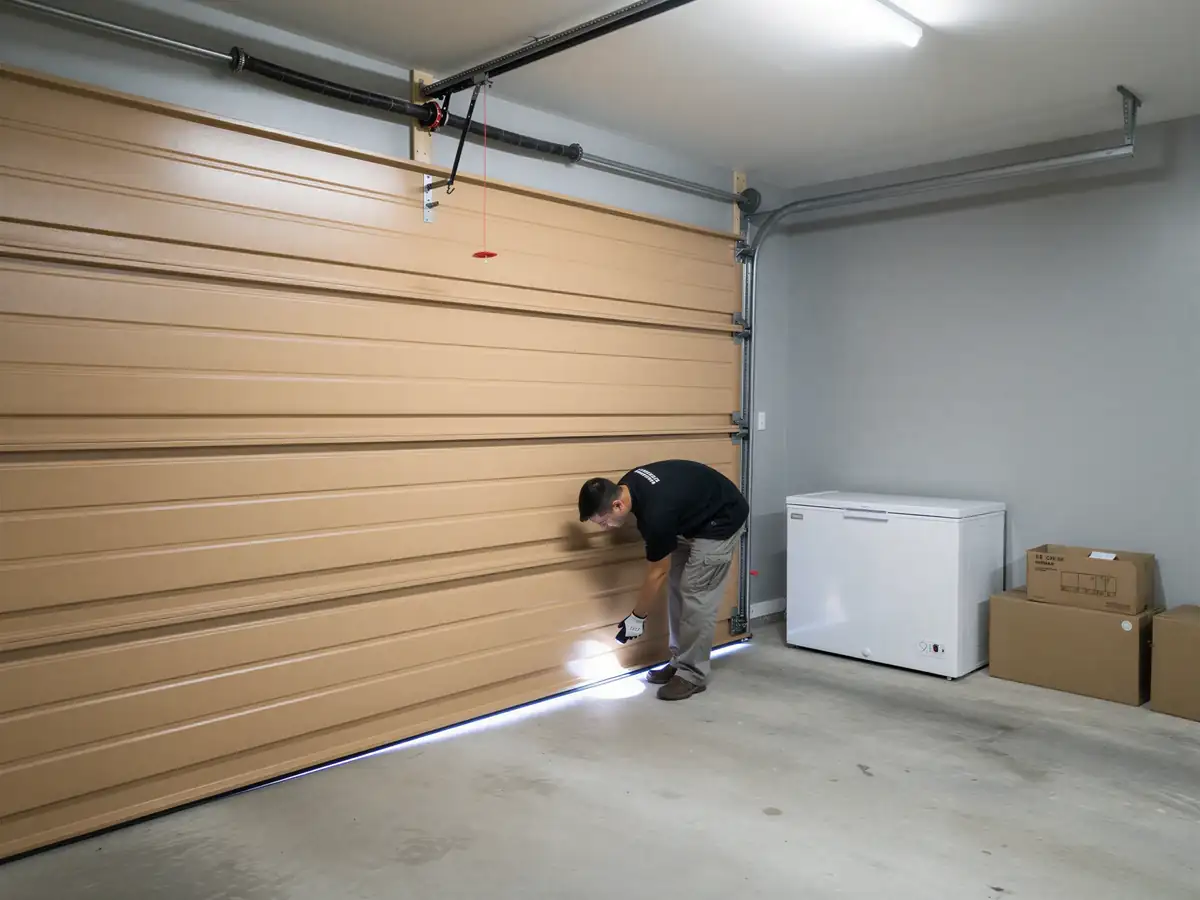
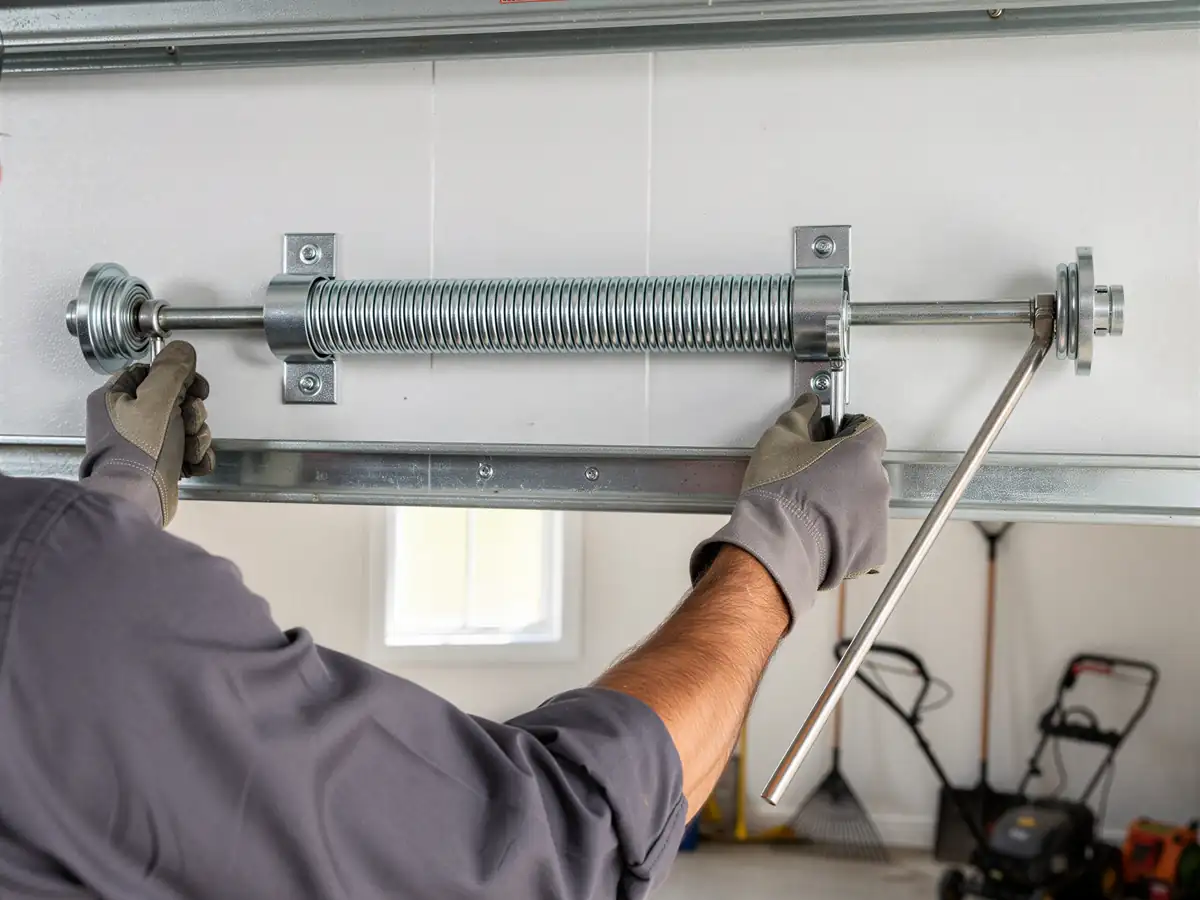
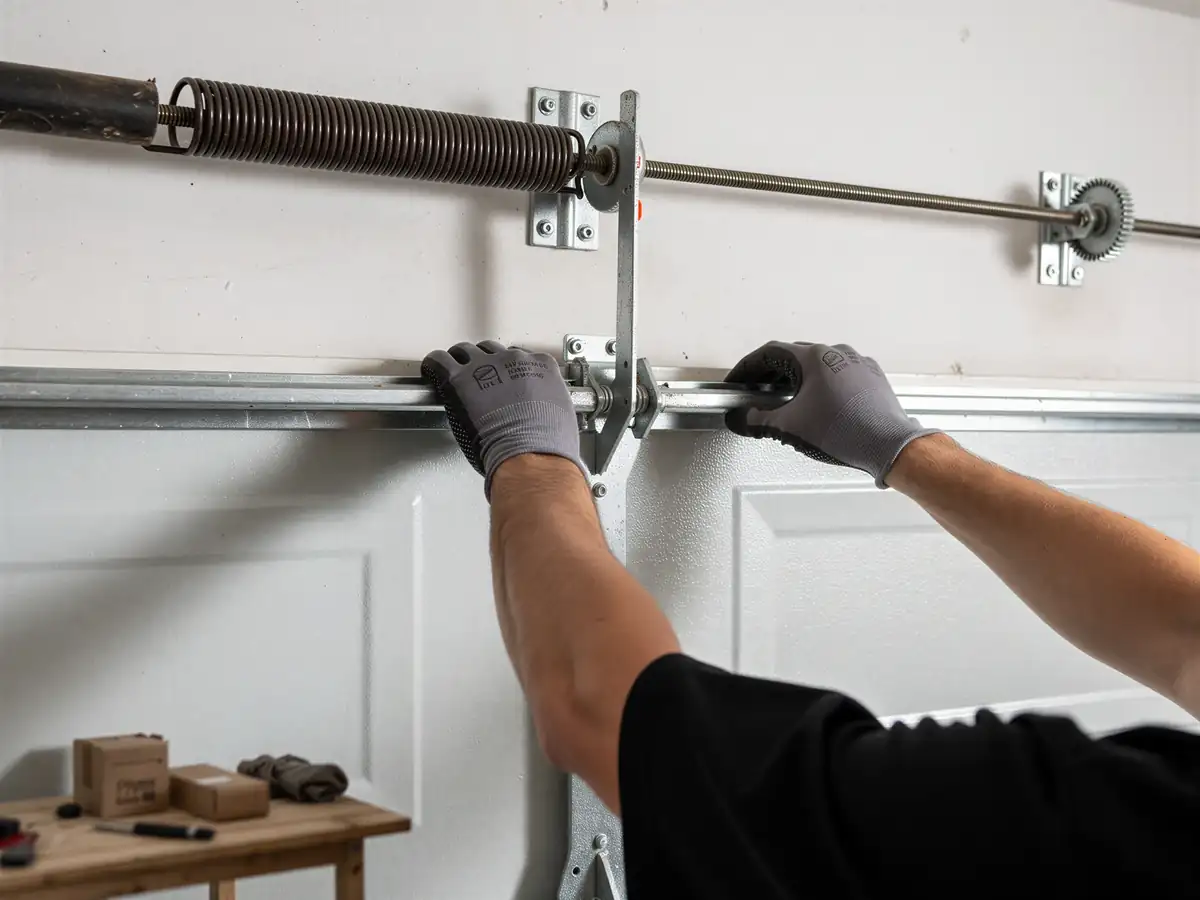
Housing in Davidson tends to be newer than what we see across a lot of the wider Cornelius service area - the area-wide housing stock runs from 1959 to 2011 with a median around 1998, but homes here skew closer to 2002. That extra few years matters more than it sounds like it should. Builders in that era mostly moved to torsion spring systems with galvanized aircraft cable wound on steel drums, replacing the older extension-spring setups with their looser, unguarded cables. The failure mode is different too: instead of a cable stretching and slipping off a pulley, we see cables fraying where they wrap the drum, usually from a door that's drifted slightly out of track alignment over years of normal use. Cold snaps don't help - this area sits in a moderate-cold climate band, and a cable with a few strands already gone is more likely to finish failing on a morning when the metal is stiff and the door is heavier to lift than usual.
The Complications
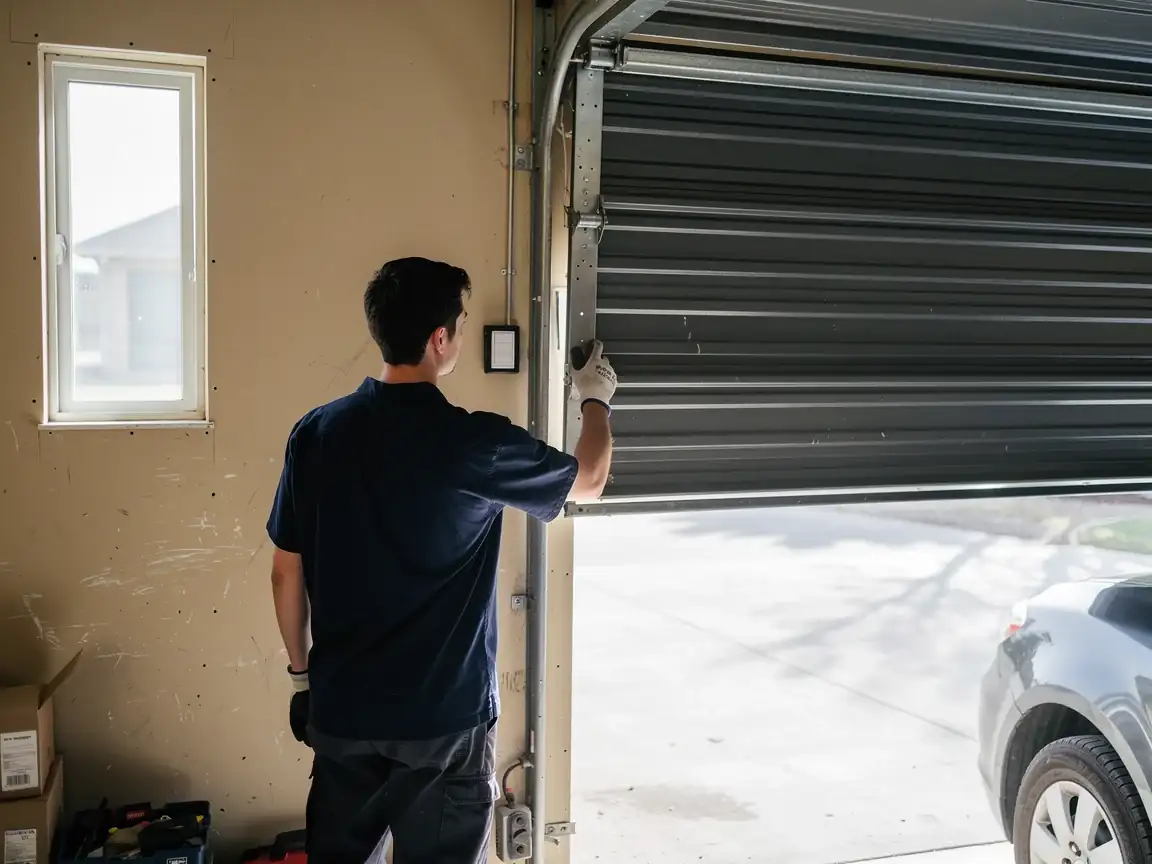
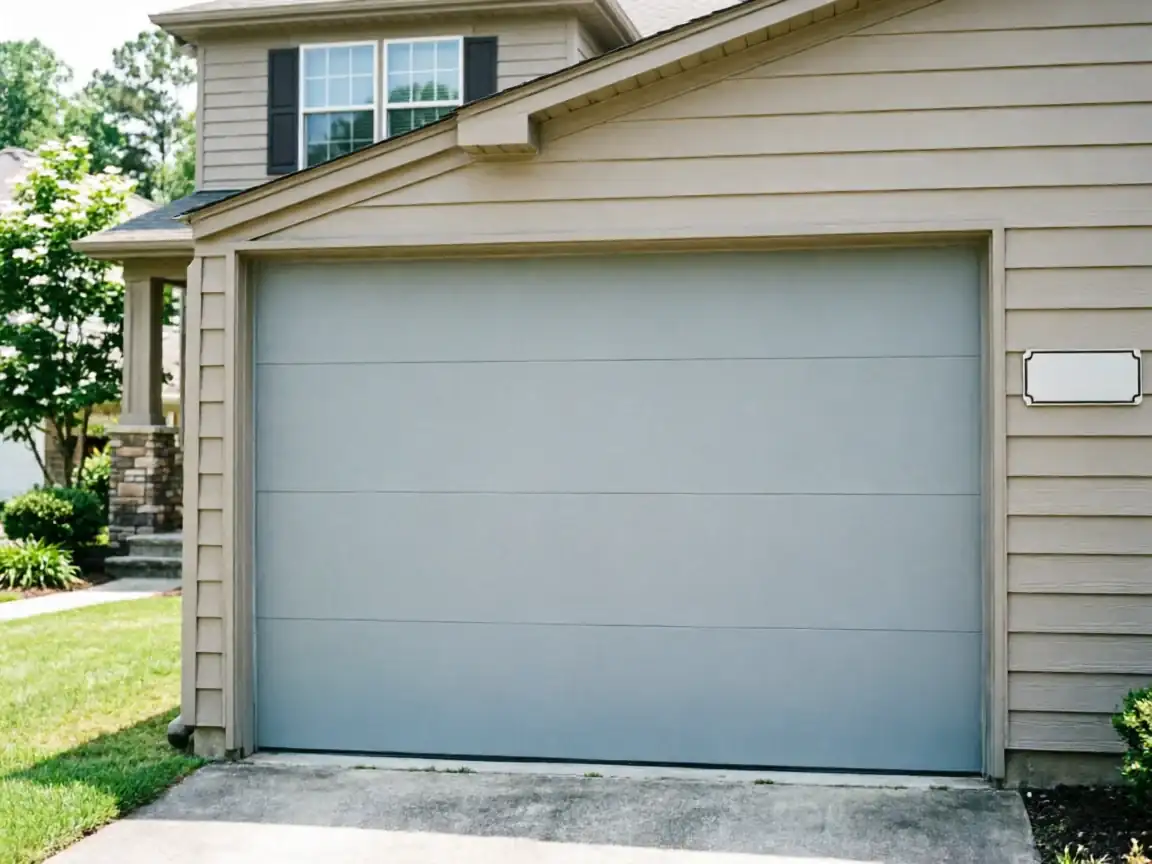
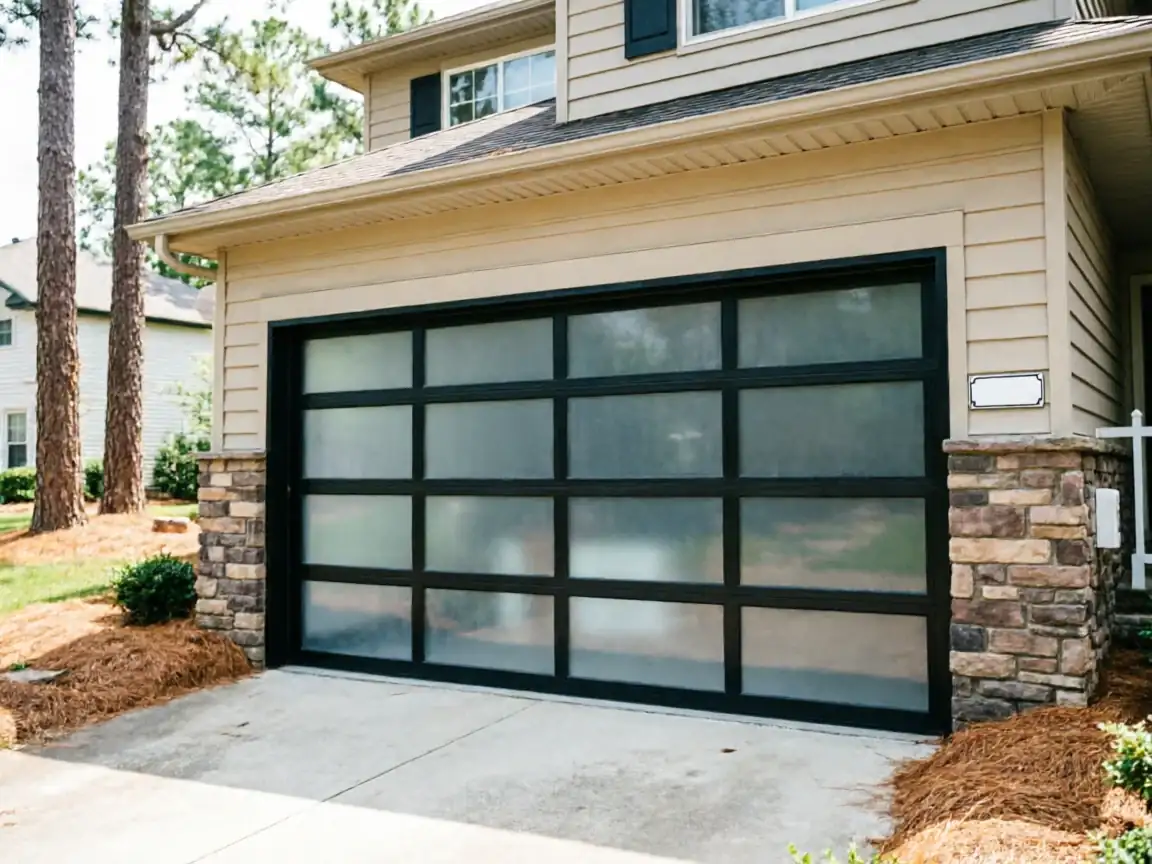
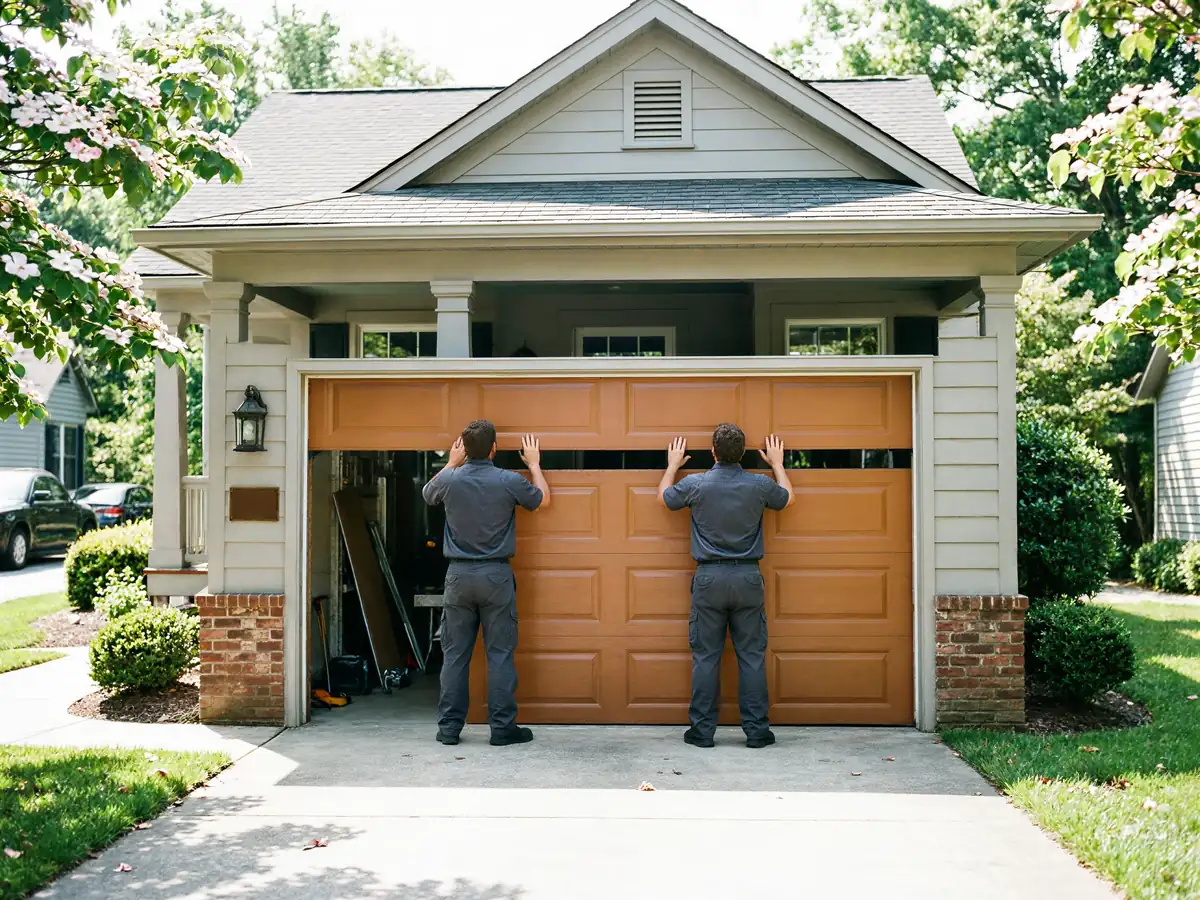
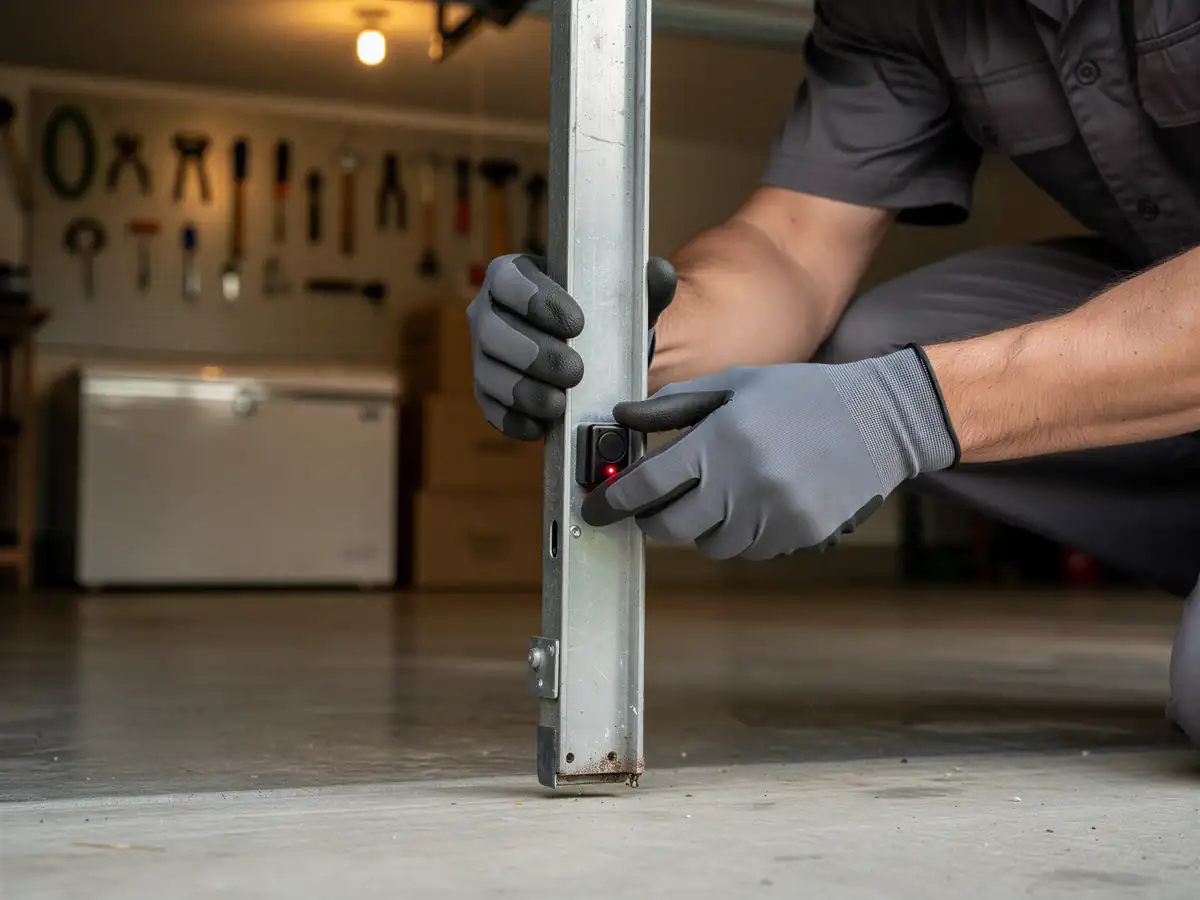
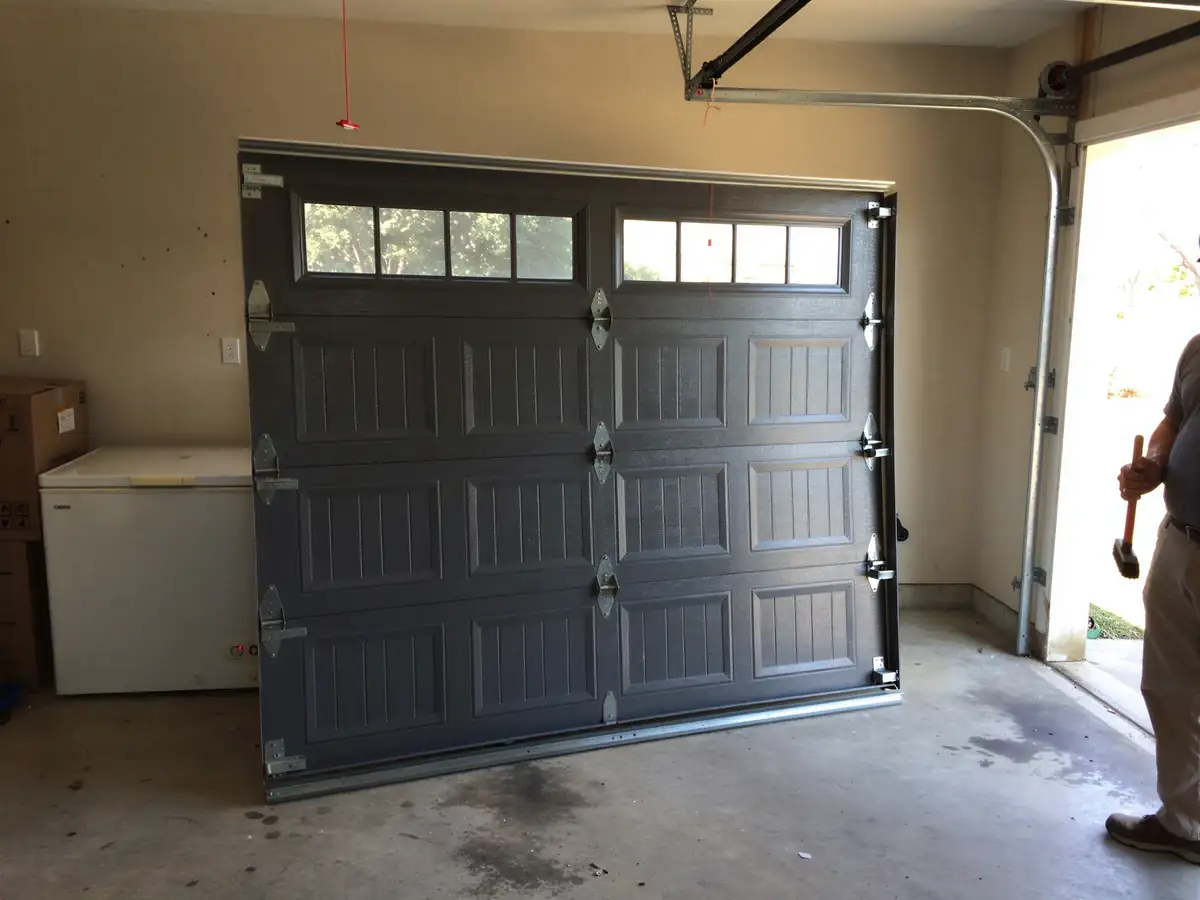
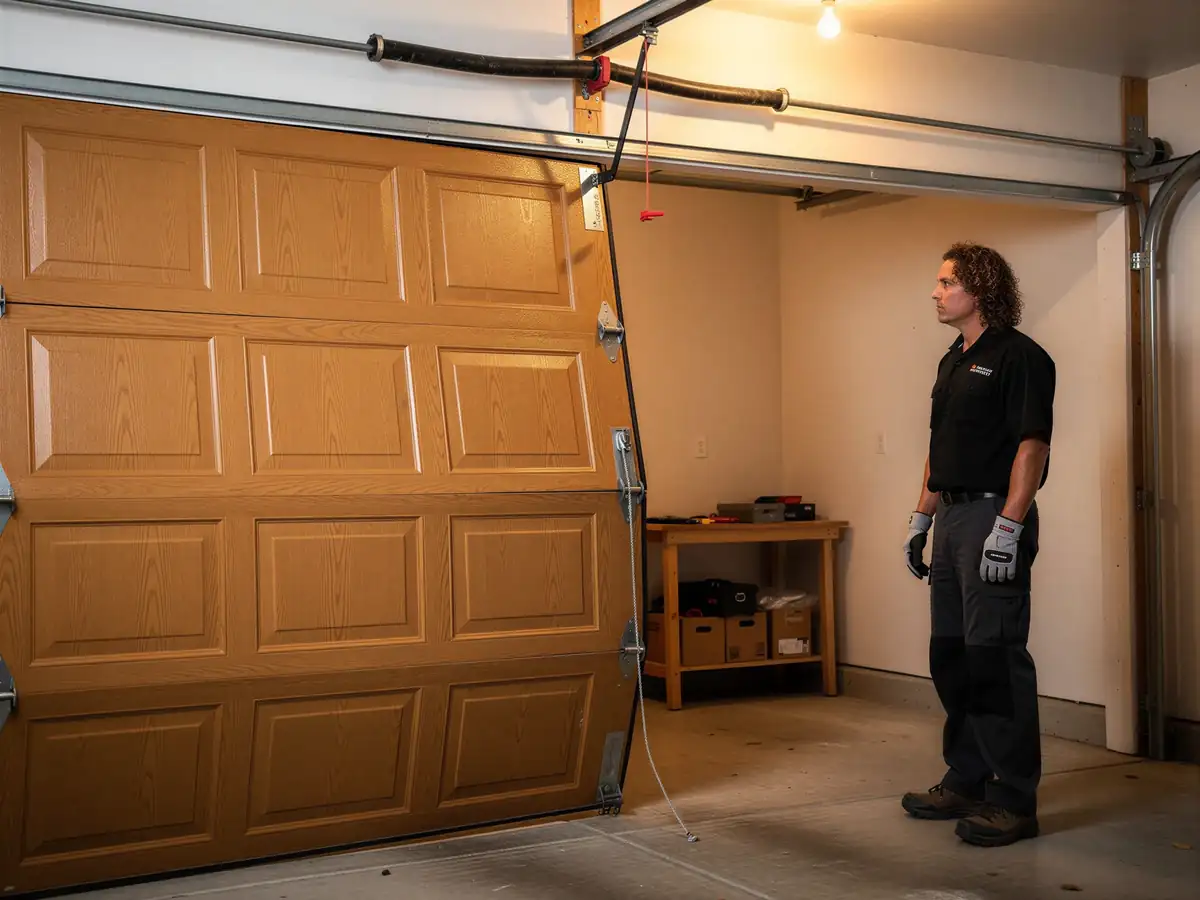
A household in Davidson carries a notably higher median income than the service area average - over $150,000 here against roughly $76,000 across the wider area - and that shows up in the doors themselves. More of these garages are finished, insulated, or tied into smart openers, which changes how a cable repair goes. We're not just swapping a cable; we're often working around sensors, battery backup units, or insulated panel doors that weigh more than a standard steel door, which puts more load on both cables and matters for how tightly they need to be re-tensioned. The honest limitation here: if a cable has already snapped and the door dropped unevenly, we'll check the tracks and rollers before we call it a simple cable swap, because a door that fell crooked can bend a track in ways that need separate attention - and that's not a job to rush just to close out a cable call.