Why It Happens Here
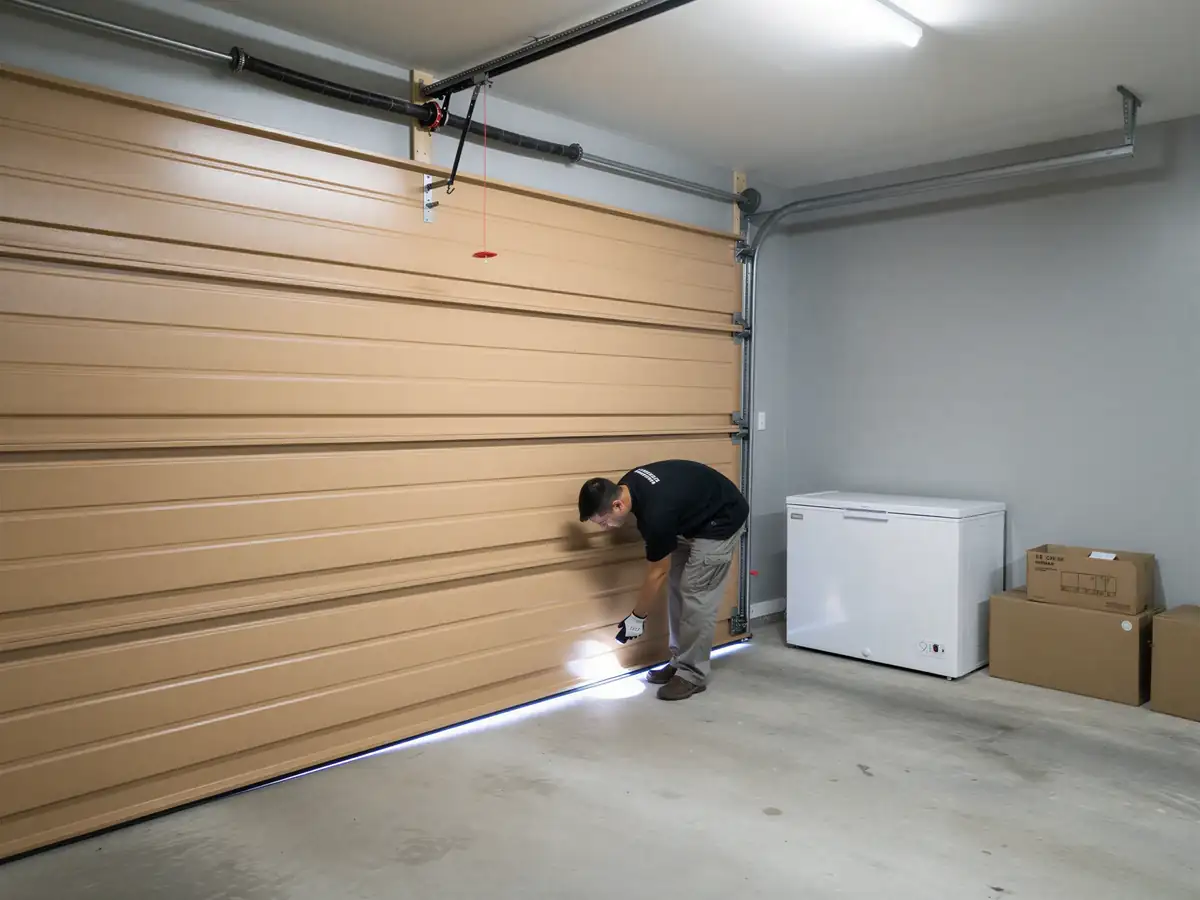
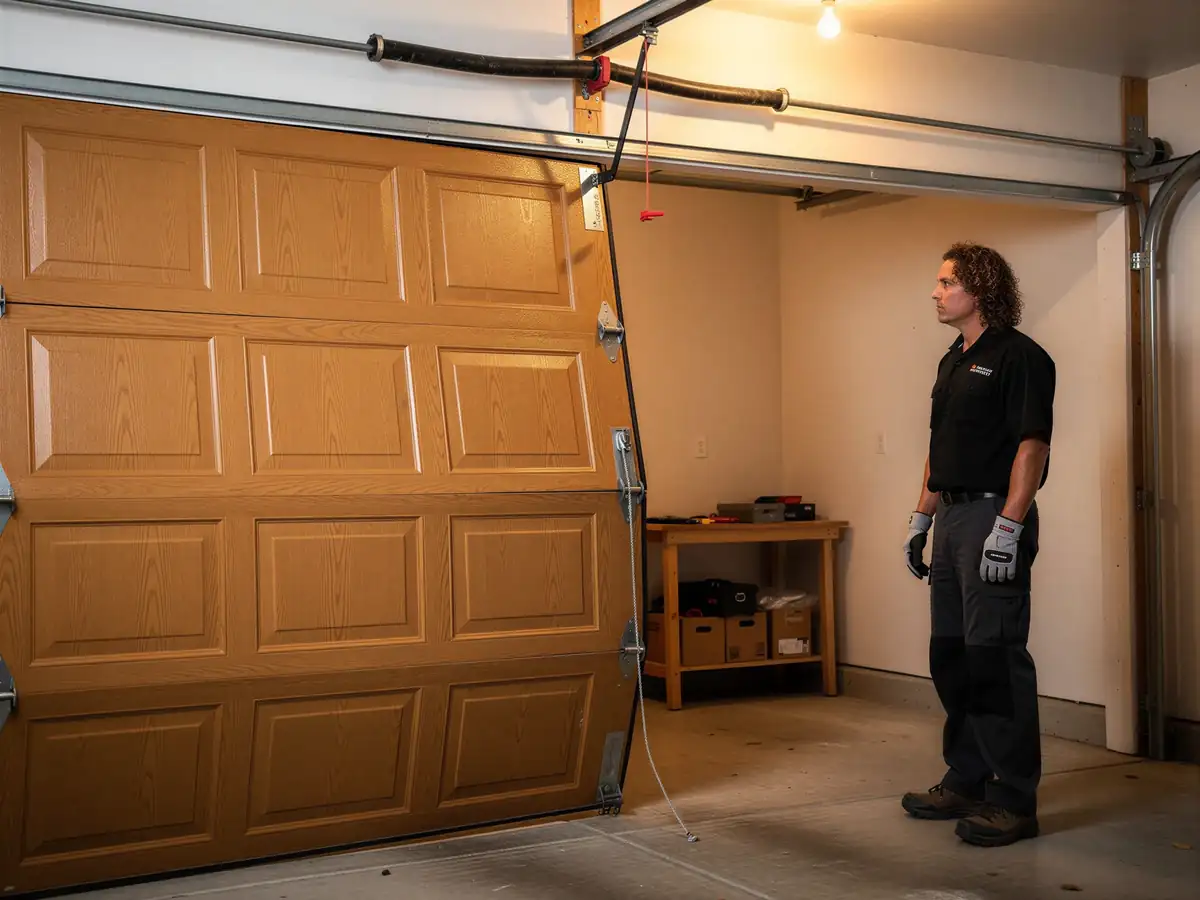
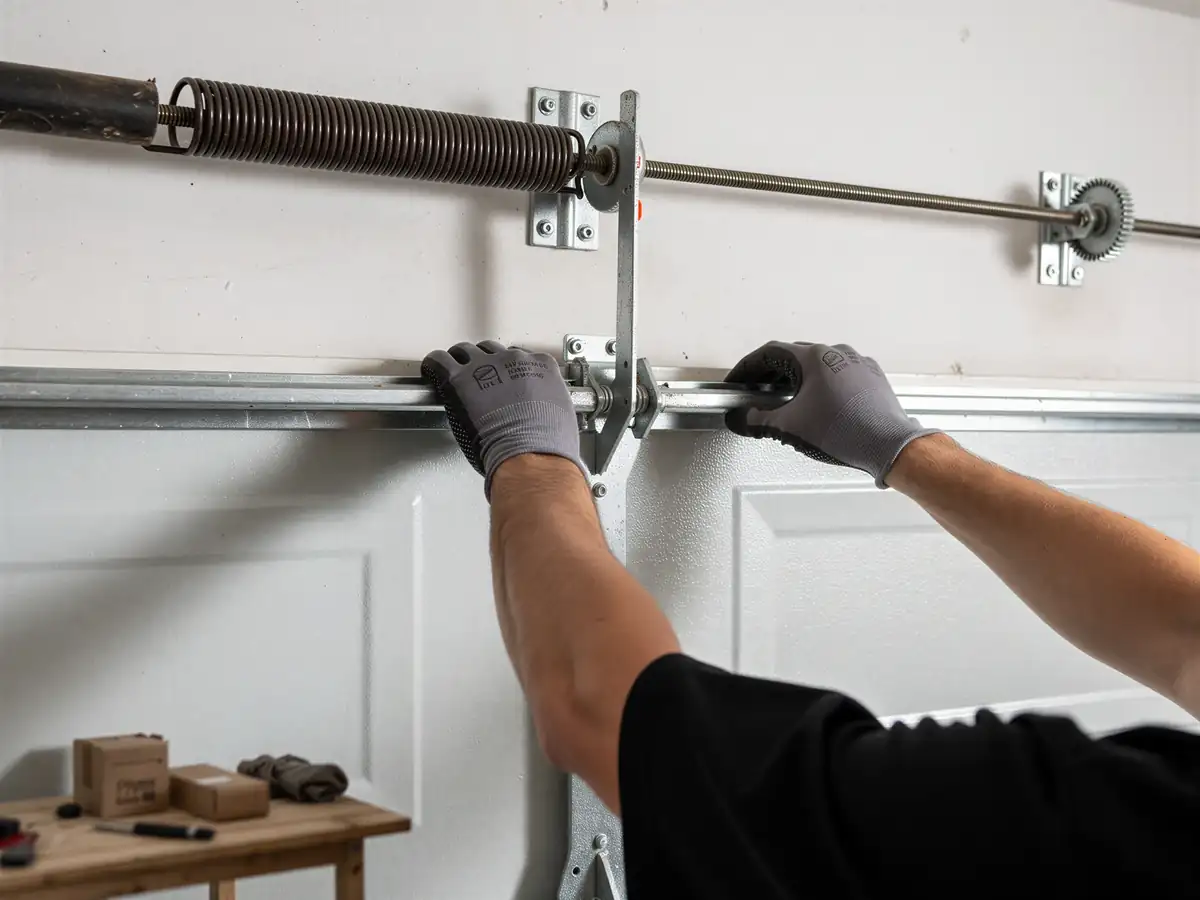
An opener installed around 2002 has had roughly two decades of motor cycles, gear wear, and circuit board heat exposure. In a cold-moderate climate, that gear housing grease stiffens every winter, and a motor that's already losing torque from age has less margin to push through it. We see it most as openers that run louder than they used to, or that strain and reverse on the first cold mornings of the season. Davidson's median household income, $152,969, is well above the $76,158 median for the wider area we serve, and it shows up less in the door hardware and more in what got added on afterward - battery backup units, smart controllers, keypad entry - features original builders in this era skipped but that get retrofitted onto openers that are already working harder than they should.
The Complications
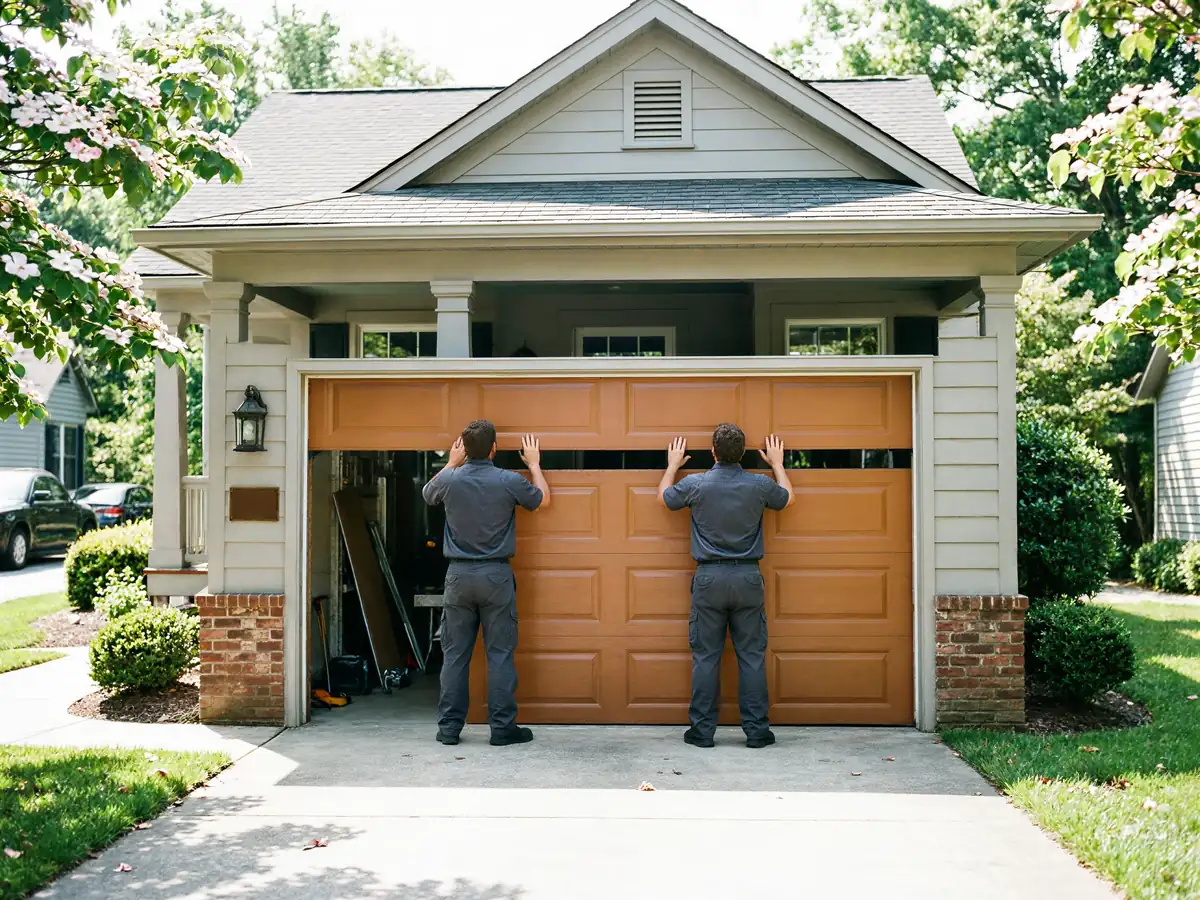
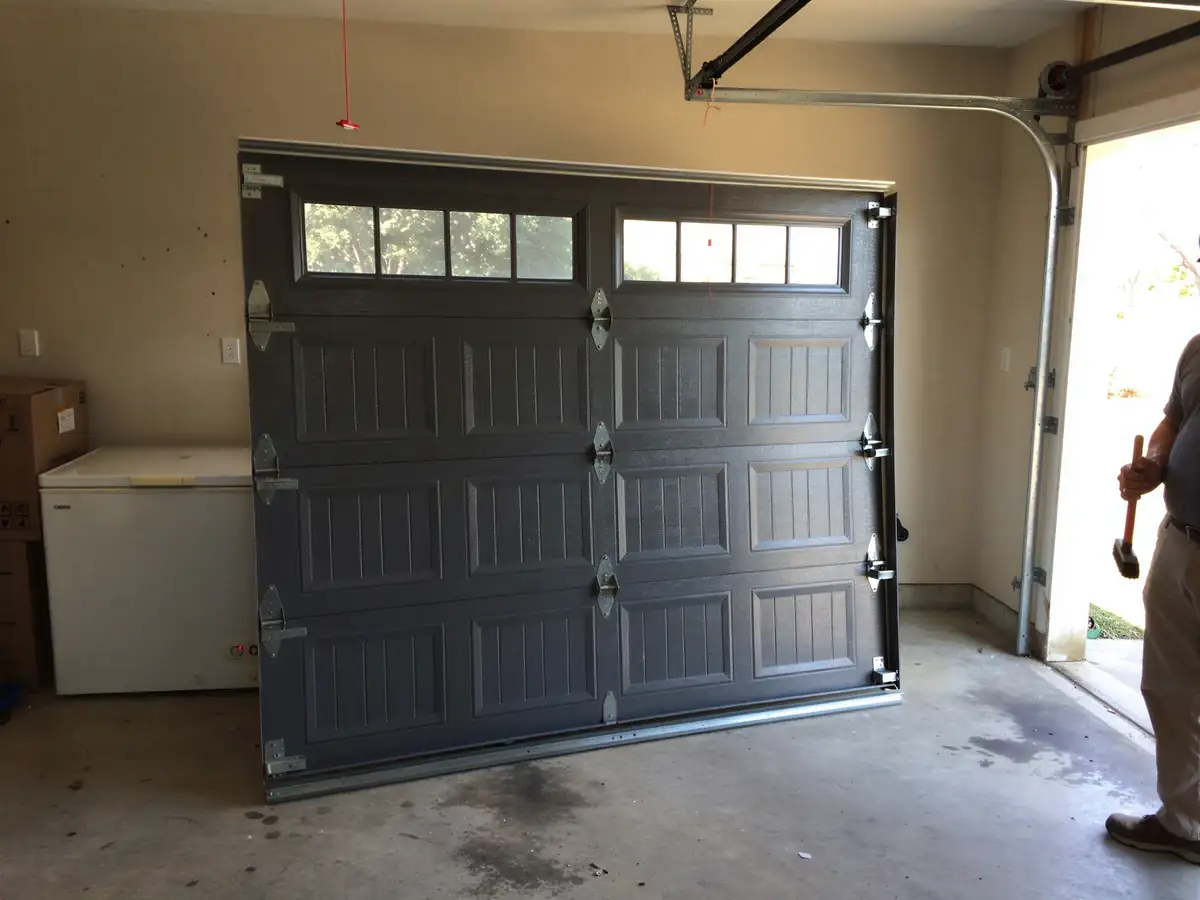
The complication with 2002-era openers is parts. Logic boards and motor units from that period aren't always stocked the way current models are, so a board failure on an opener that age sometimes means a full unit swap instead of a board swap, even when the rest of the opener looks fine. We'll tell you straight when that's the case rather than quoting a repair that won't hold. The other wrinkle: insulated steel doors became standard around the same years these openers were installed, and some of those original units were never sized for the heavier door they're lifting. Add nearly 5,327 households in Davidson, each with its own mix of upgrades and replacements since 2002, and no two calls here look quite the same, even on the same street.