Can You Do This Yourself
A lot of what a door needs is within reach of a homeowner with a ladder and ten minutes
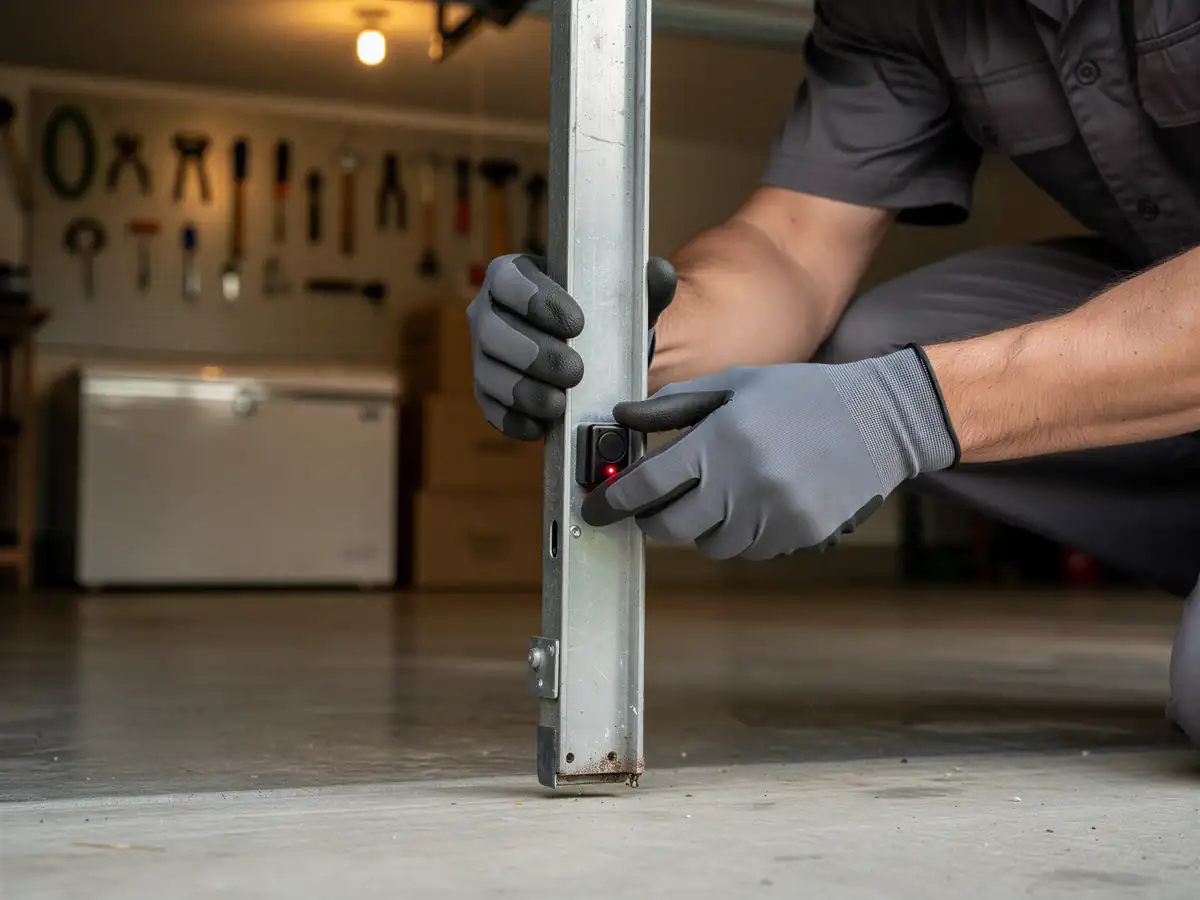
Wiping down the tracks, checking that the photo-eye sensors aren't knocked out of alignment, and listening for a grind that wasn't there last month. Harrisburg's houses mostly went up around 2006, so you're not dealing with the decades-old torsion hardware that shows up elsewhere in the area - you're dealing with factory rollers and springs that are now pushing twenty years old, which is right about when the original lubrication has long since dried out and nylon rollers start to crack at the edge rather than wear smooth.
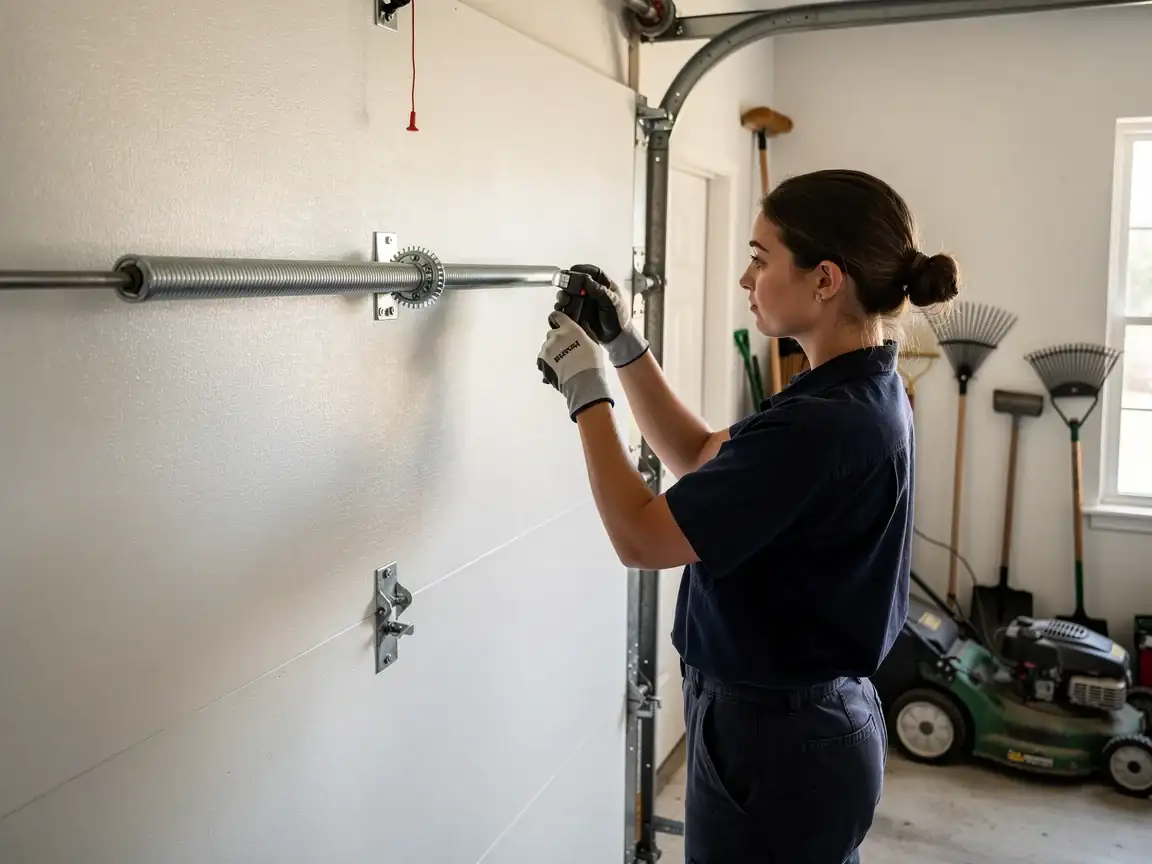
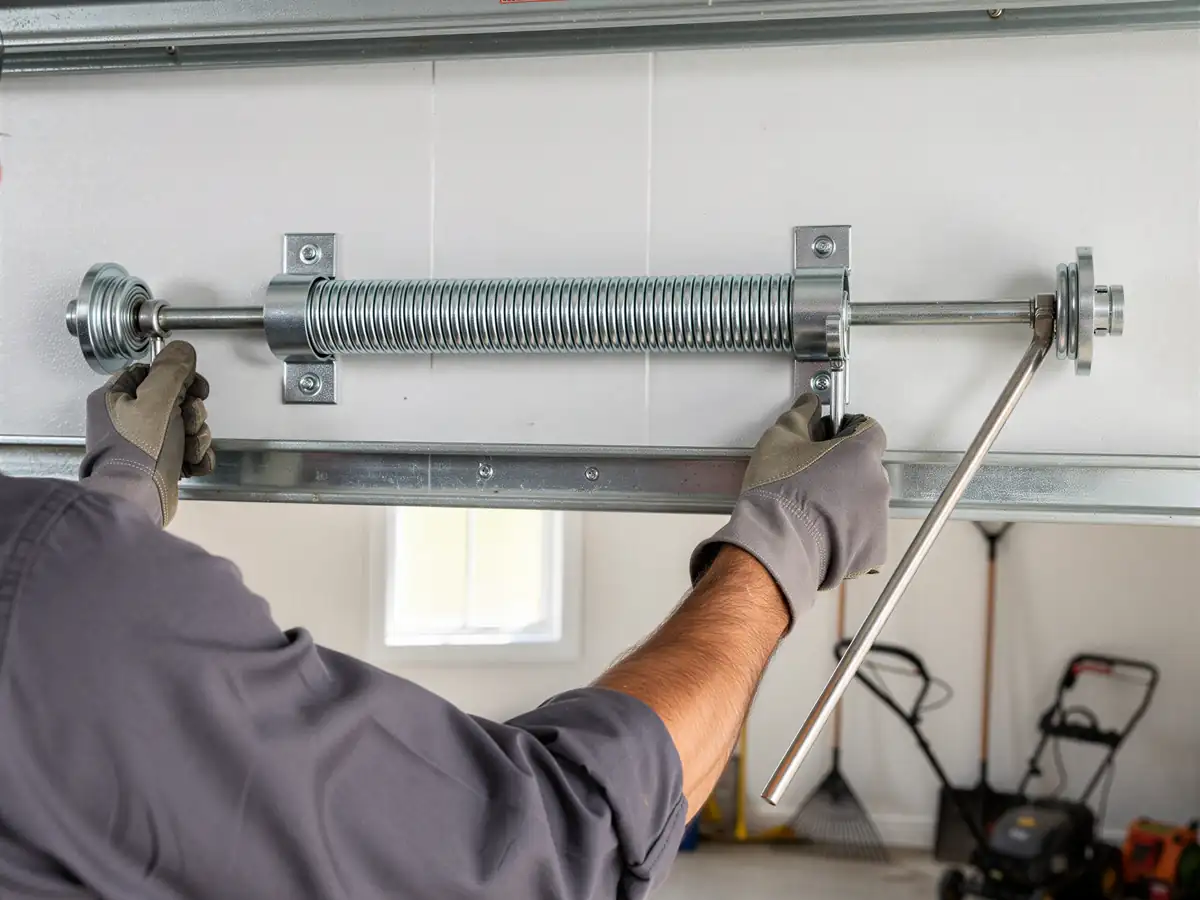
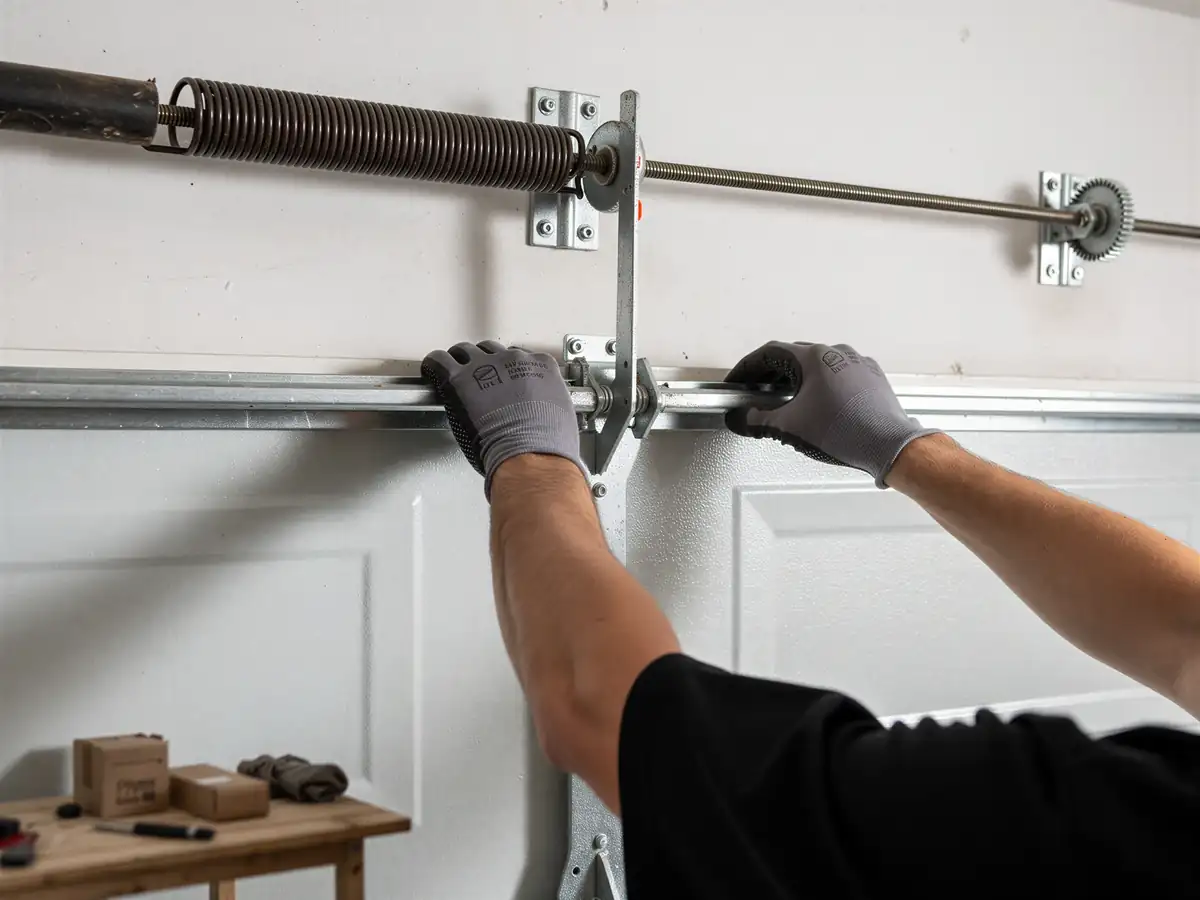
What you shouldn't touch yourself: the torsion spring itself
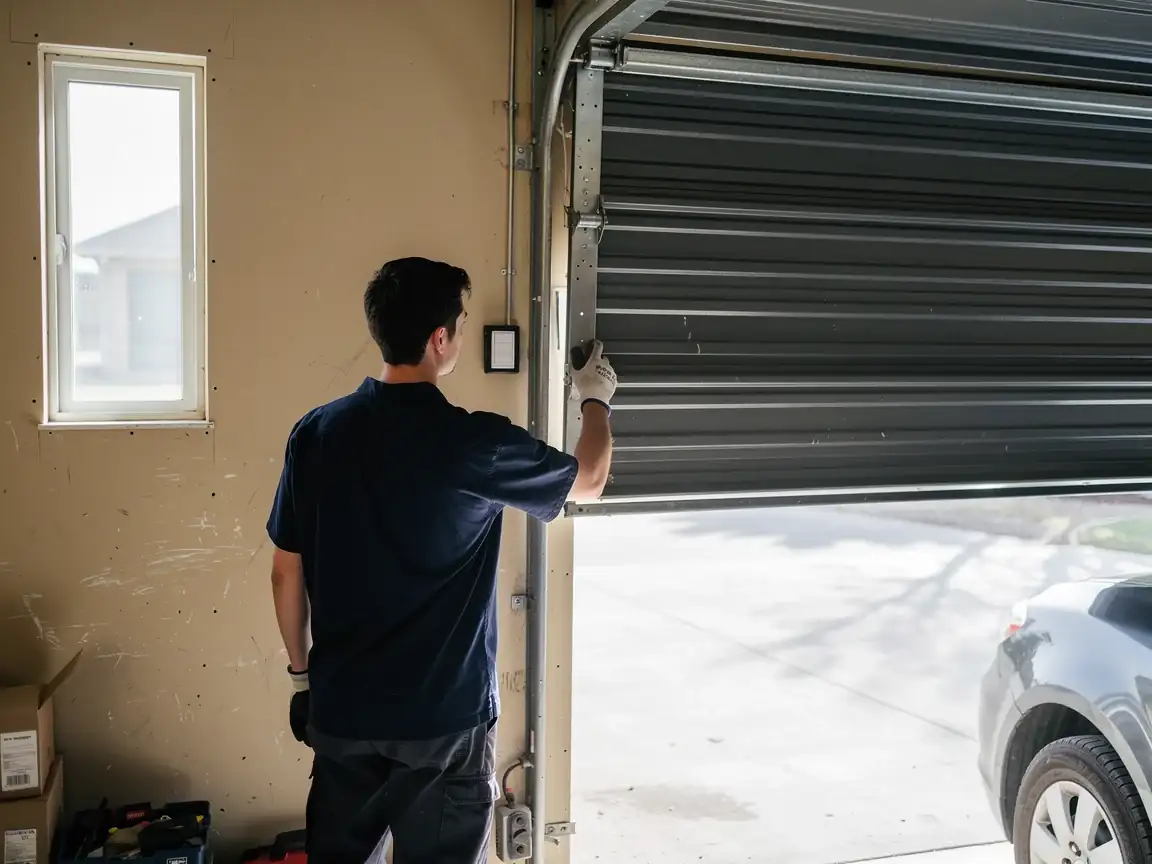
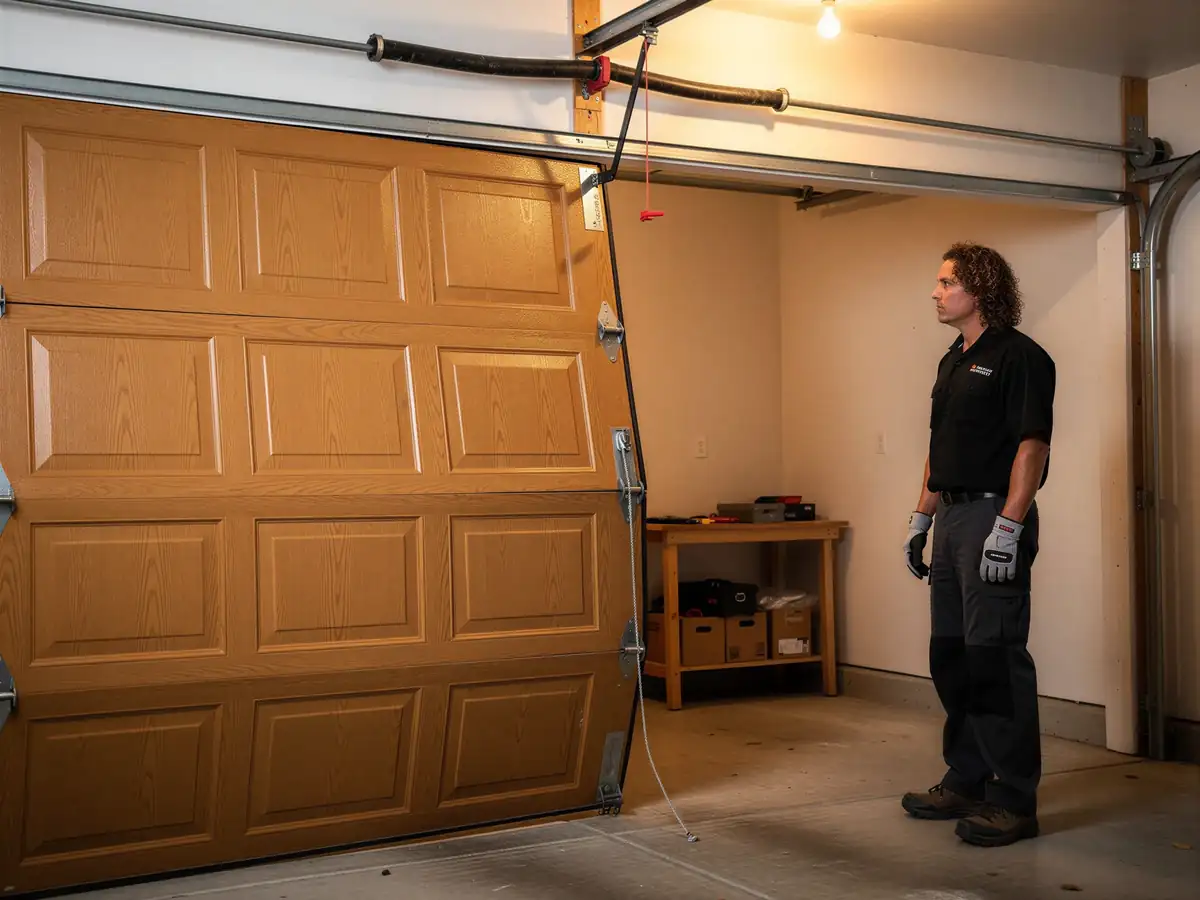
It's under enough tension to break a bone if it lets go while you're loosening a set screw. Checking balance - does the door stay put when lifted halfway, or does it slam down or shoot up - is safe to do and tells you a lot. If it doesn't hold, that's a spring tension call, not a DIY fix.
We're not able to give a response-time promise for Harrisburg specifically
Since we run the truck out from Cornelius, about 18 miles. That doesn't change what you can check yourself in the meantime.
- 18 miles
Booking a Visit
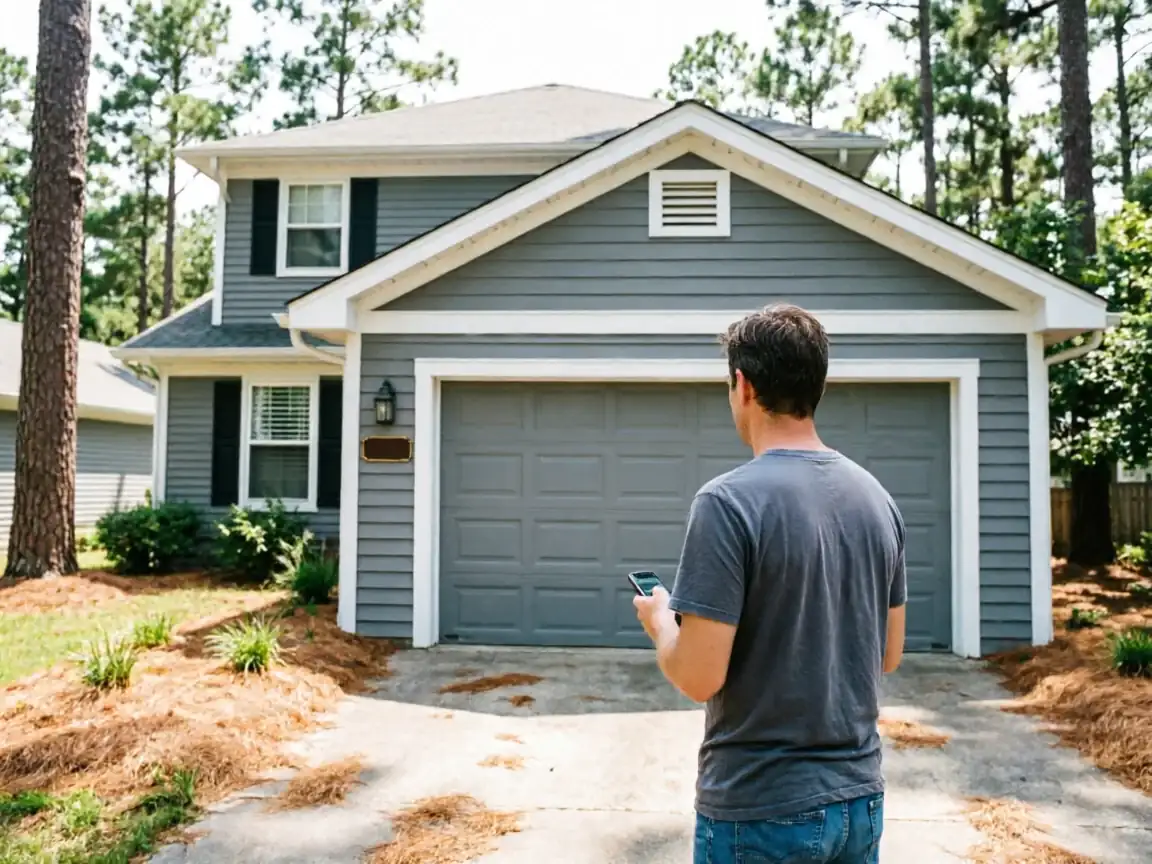
When you call, tell us the age of the house if you know it - for Harrisburg that's usually right around 2006, which is a different conversation than a door that's original to a 1980s build. A door at this age is usually still on its first spring set and its first opener, so the questions are about wear, not about mismatched replacement parts from three different decades.
We travel from Cornelius to reach Harrisburg, so bundling a maintenance check with any other door symptom you've noticed - a chain that's loosened, a remote that's gotten unreliable - saves a second trip. We don't keep a branch in Harrisburg, so we're not going to tell you we can swing by same-day on short notice; we schedule the run out.
If you own a home in one of the higher-end builds that came in with a heavier insulated steel door, mention that too - the spring tension on those is set differently than on a standard steel door, and that affects what gets checked on the visit.
The Symptom
The complaint we hear most from this side of the area isn't a dead opener or a door stuck shut - it's noise. A door that ran quiet for fifteen years starts groaning on the way up, or the opener strains for a half-second before it catches. That's consistent with 2006-era stock: the original rollers and bearings are at the point where factory grease has dried out, and steel rollers that were fine for over a decade start telegraphing wear through the whole track.
A second, less obvious symptom shows up with the cold snaps this area gets - a moderate cold climate means steel springs and cables contract slightly, and a spring that was already near the end of its rated cycle count can snap on a cold morning instead of giving you warning first. Owners sometimes tell us the door 'felt heavier' for a week before it let go. That's the tell, not a sudden failure out of nowhere.
We're not going to claim every noisy door in Harrisburg is the same fault - a loose bracket sounds different from a dry roller, and a worn opener gear sounds different from both. That's what the visit is for.
Time on the Job
A straightforward lubrication and adjustment visit
Rollers, hinges, track alignment, spring tension check, opener force setting - runs short, generally under an hour once we're on site. Where it runs longer is if the rollers themselves need swapping, since on a 2006-build door that's usually the first time anyone's replaced them.
We can't give you a fixed number for Harrisburg specifically beyond that
Since the job length depends on what we find once the door's open, not on the town. What we can say is that houses from this build era tend to need less structural work - no sagging panels from decades of sun, no rusted-through brackets - and more wear-item replacement: rollers, cables starting to fray at the drum, the occasional weatherstrip gone brittle.
If a spring does need full replacement rather than adjustment, that's a separate, slightly longer job, and we'll tell you that before starting
Not after.
What the Fix Involves
For most Harrisburg doors at this age, the maintenance visit covers five things: lubricating the rollers and hinges with the right grease (not WD-40, which washes grease out rather than replacing it), checking torsion spring tension against the door's actual weight, inspecting cables and the bottom brackets for fraying or rust, resetting the opener's travel limits and force settings if the door's gotten harder to close, and confirming the photo-eye safety sensors still align after nearly two decades of the garage floor settling slightly.
One honest limit: if the rollers are cracked rather than just dry, lubricating them doesn't fix anything - they need replacement, and we'll tell you that rather than charge for a service that won't hold. Likewise, if a spring is near its rated cycle count, adjusting tension is a short-term patch, not a real fix, and we'd rather say so than have it fail on you in six months.
Harrisburg's household incomes run well above the broader area average, and we see more owners here opt for the full roller swap up front rather than waiting for a crack to turn into a broken door mid-lift.