Booking a Visit
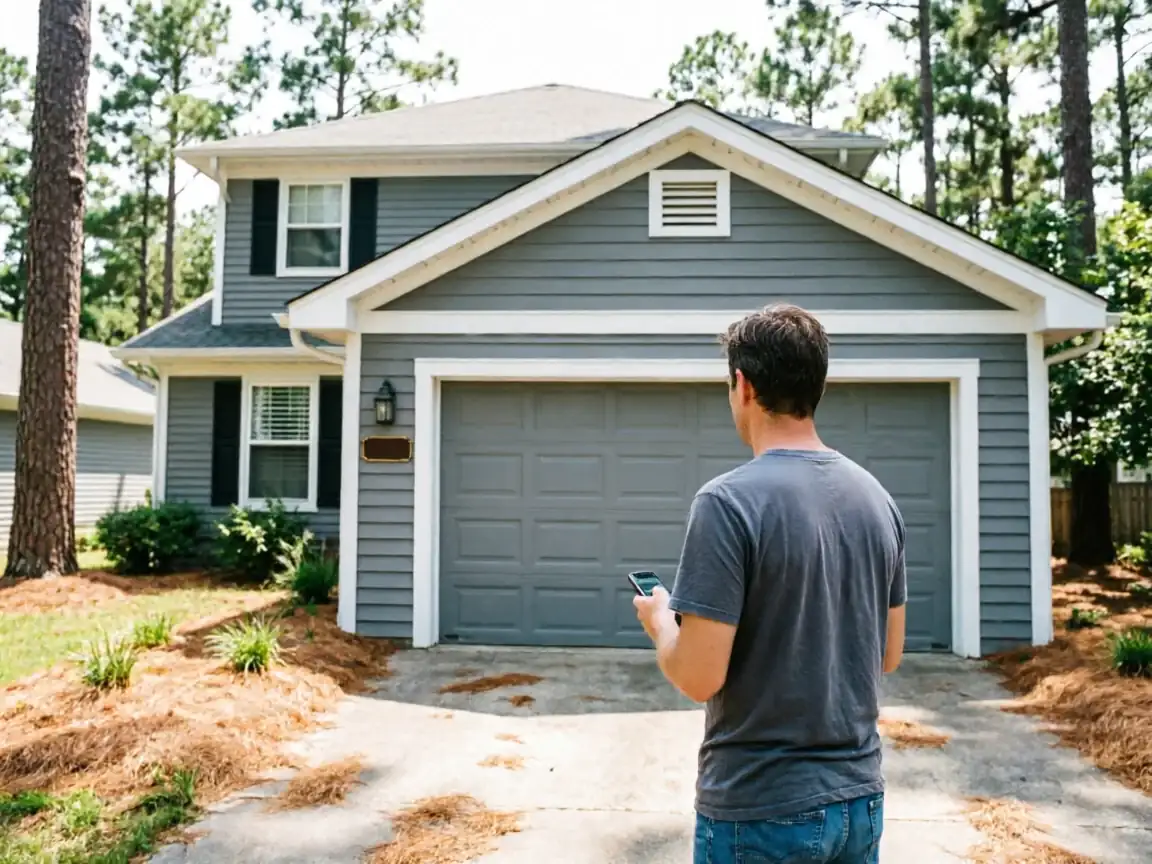
We run out of Cornelius, about 18 miles from Harrisburg, so a visit here is scheduled, not a walk-in. When you call, tell us the opener brand if you can read it off the motor housing, the approximate age of the house, and what the door is doing - won't close, closes partway then reverses, clicks but doesn't move. That lets us bring the right logic board, sensor, or drive gear instead of guessing on-site. We don't keep a branch in Harrisburg, so we're working off what you tell us over the phone before the truck leaves.
The Symptom
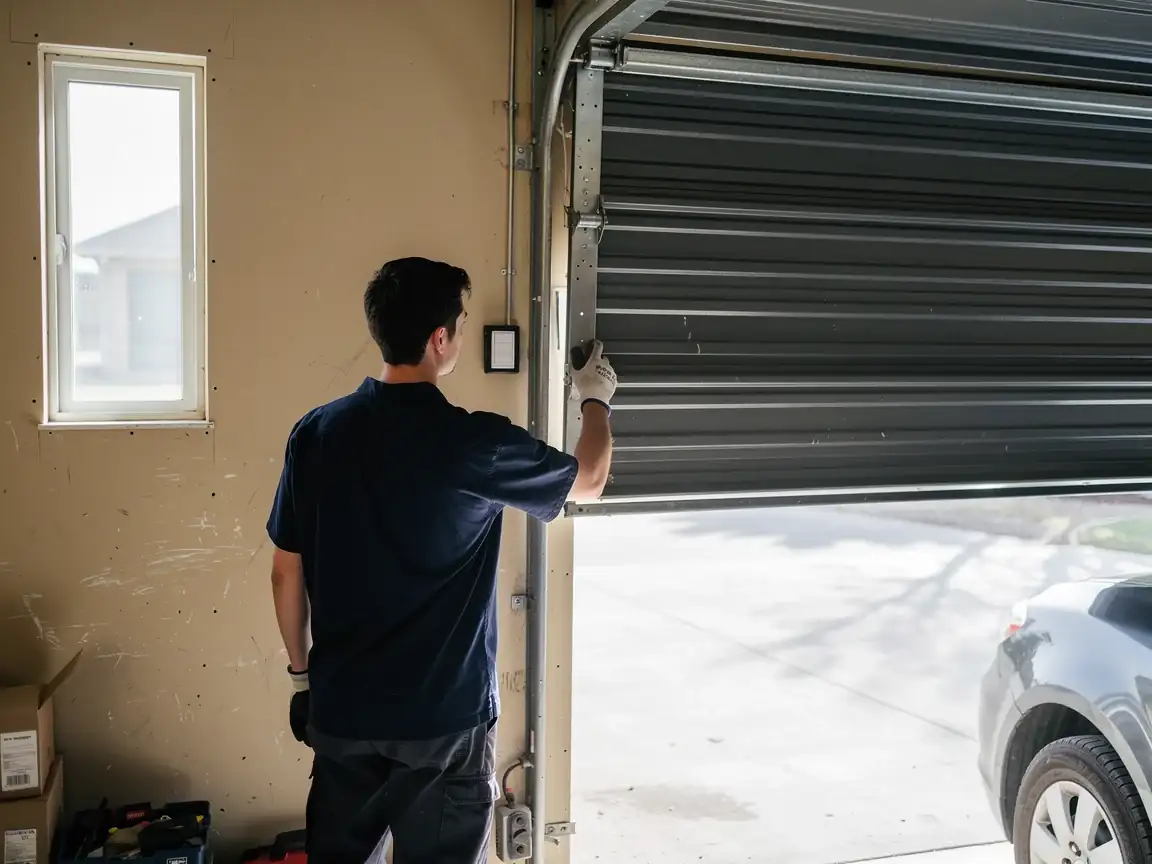
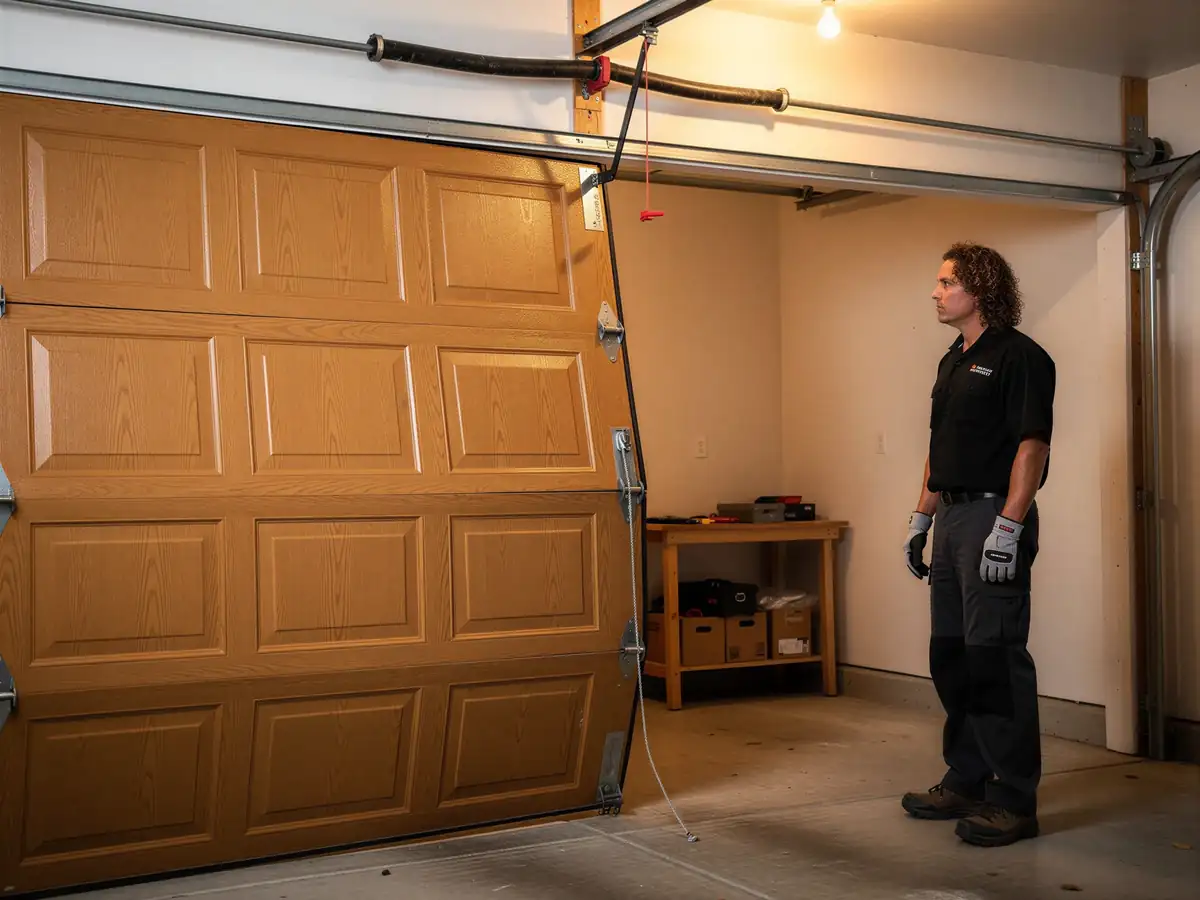
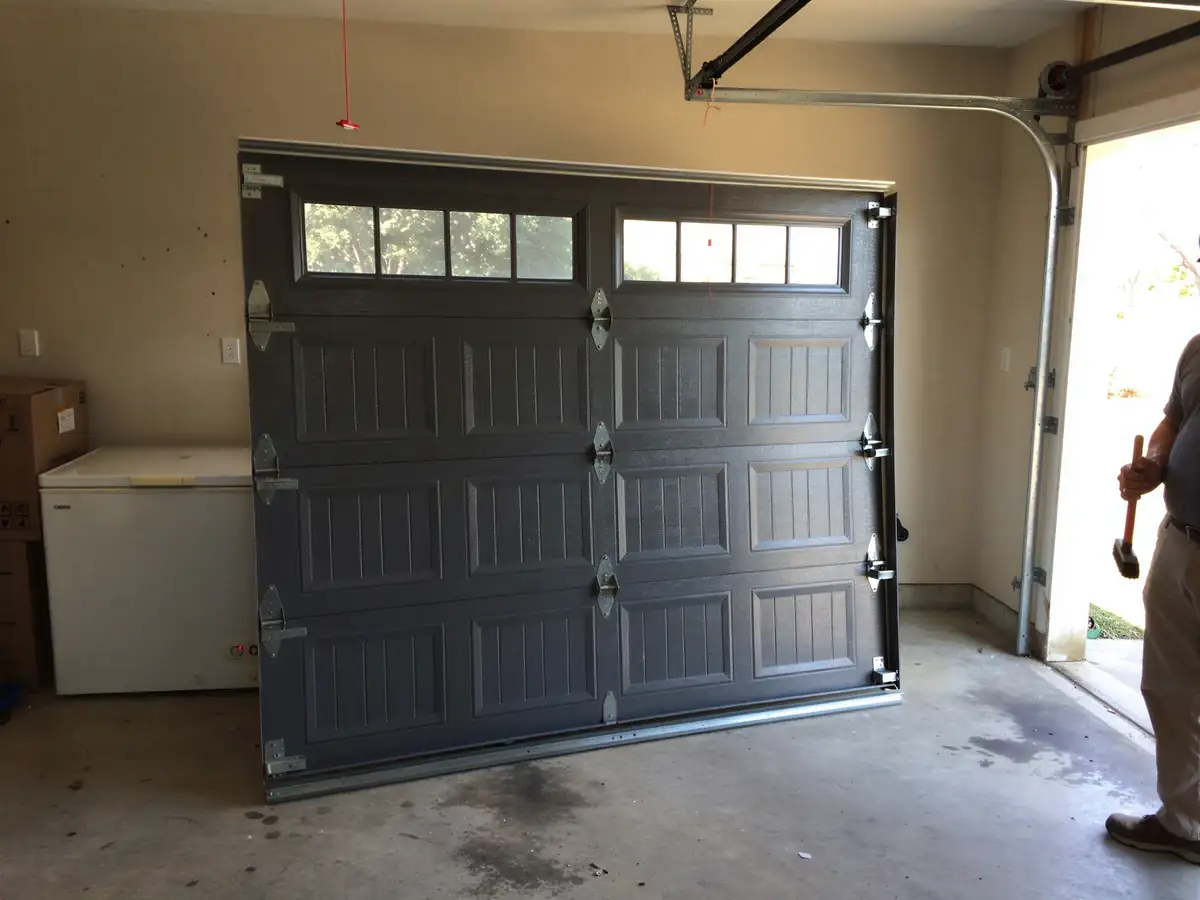
The most common call we get from this part of town is an opener that worked fine for years and then starts reversing before the door fully closes, or runs the motor without moving the door at all. With a median build year of 2006, a lot of these houses are hitting the point where the original opener - whatever came with the house from the builder - is somewhere between 15 and 20 years old. That's close to the end of life for the circuit board and the drive gear on most residential units, chain or belt. Cold-weather stretches here can also stiffen the lubricant in an aging drive gear enough that the motor strains and trips a safety reversal, which looks like a sensor problem but isn't. If your door reverses only on cold mornings and runs fine by afternoon, that's a strong clue it's the gear, not the eyes.
What the Fix Involves
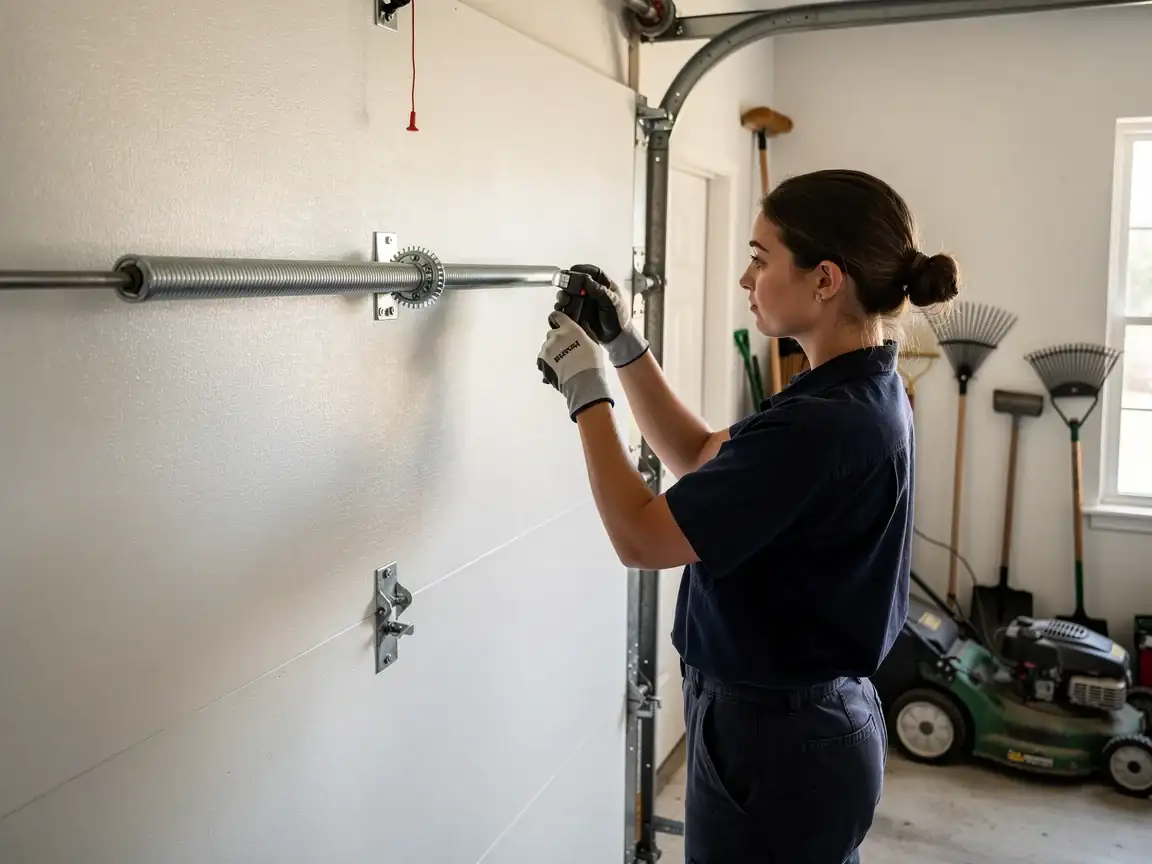
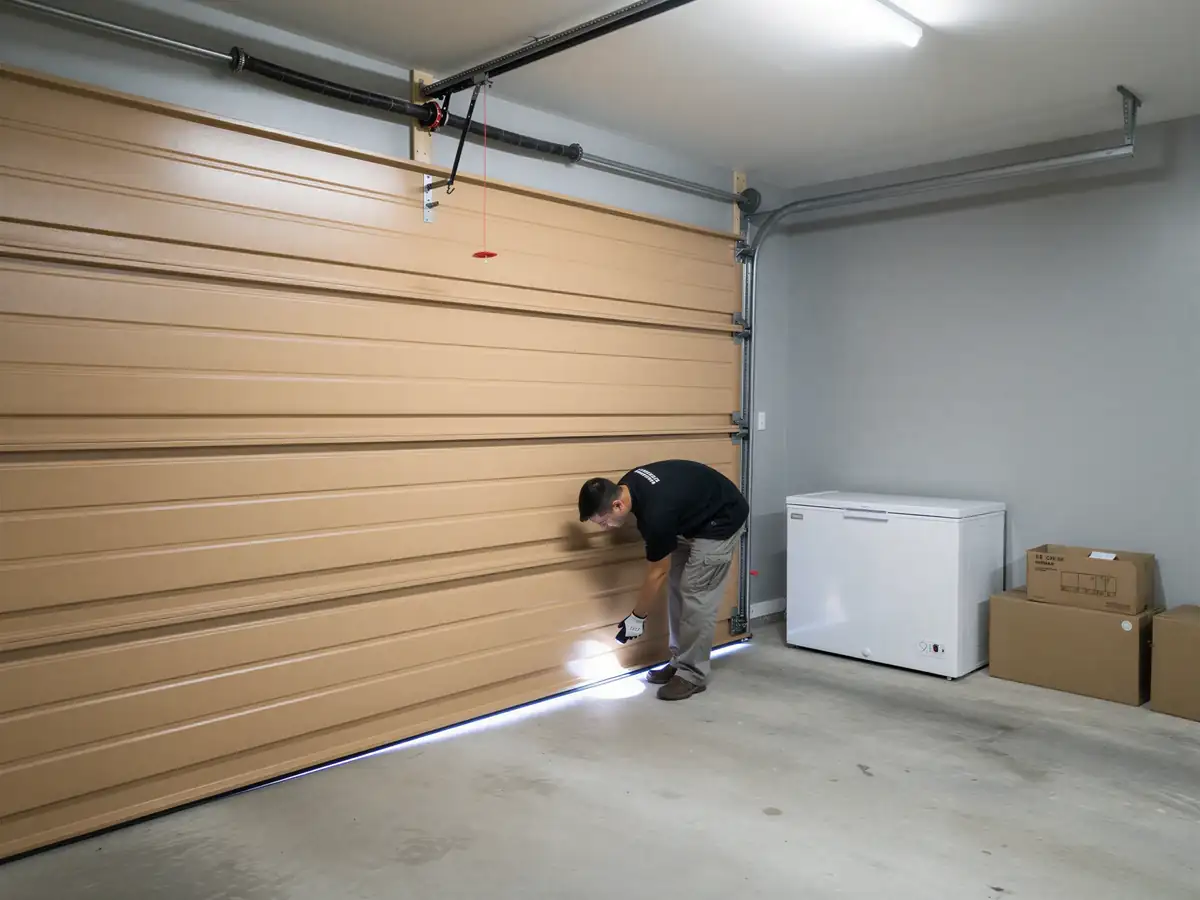
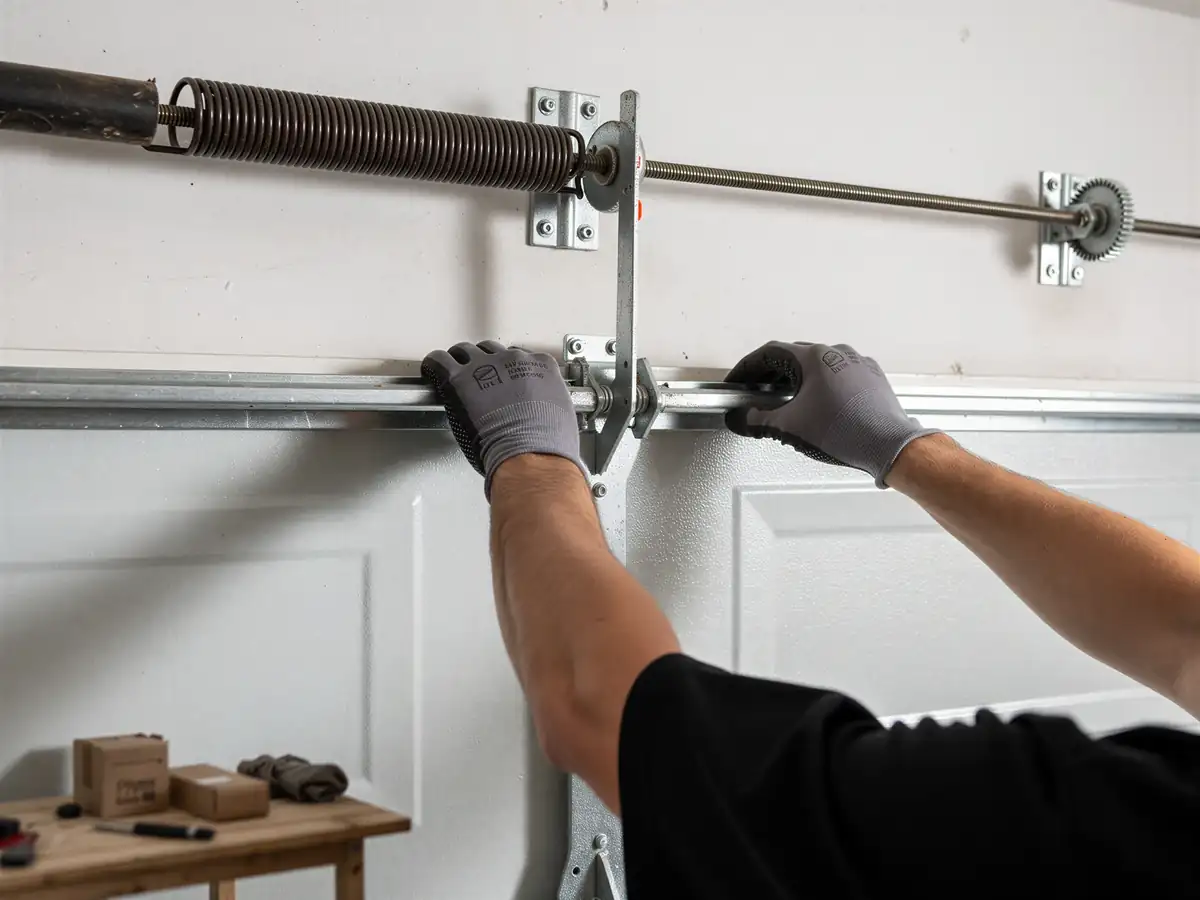
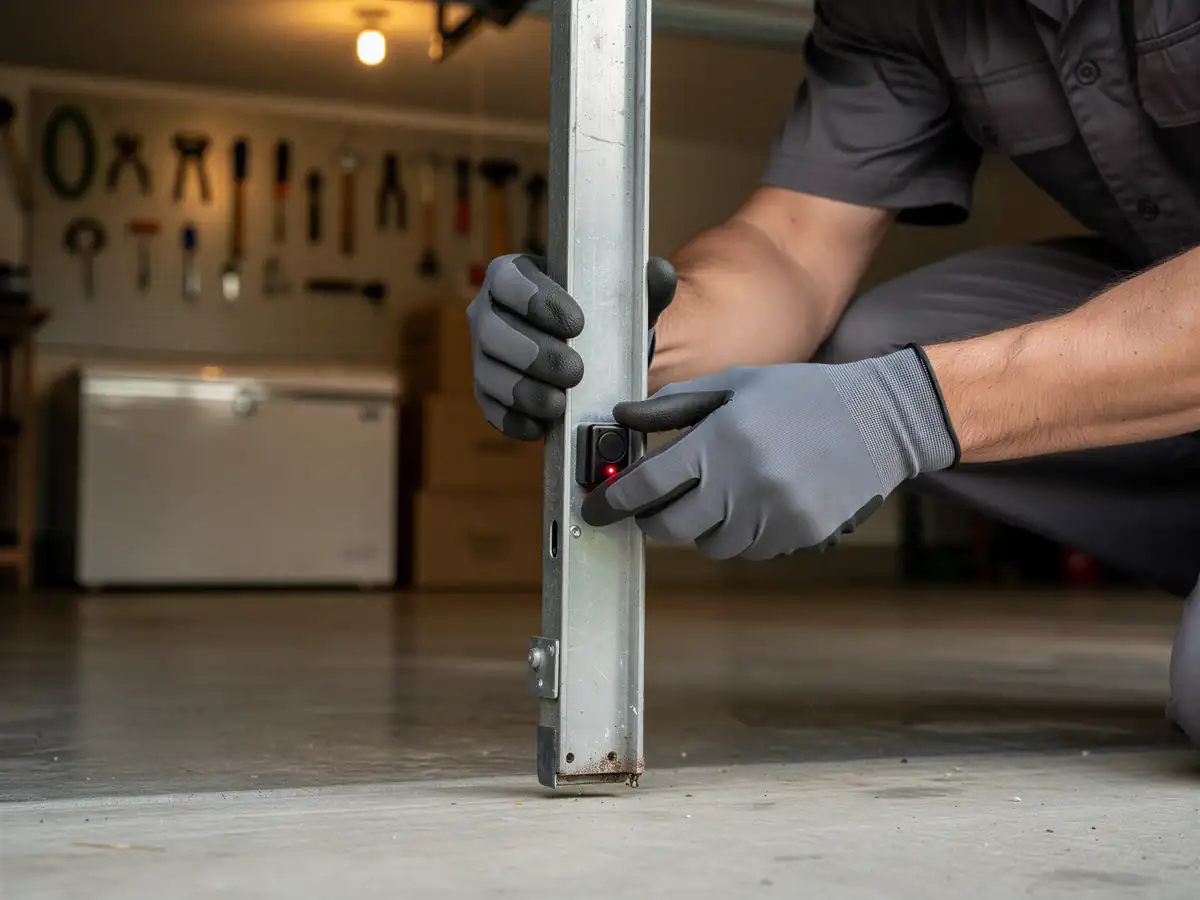
On a 2006-era build, the repair usually comes down to one of three things: the circuit board that reads the remote and wall button signals, the drive gear or belt that's worn from years of lifting a heavier insulated door, or the safety sensor alignment that's drifted out of true. We test the board first since it's the cheapest fix if that's all it is, then check gear wear by listening to the motor under load, then confirm the sensors are aimed correctly at each other across the door opening. We'll tell you straight if the unit itself is old enough that a full opener swap makes more sense than patching a 15-to-20-year-old board - sometimes the parts cost more than a new unit, and we're not going to talk you into throwing money at something that won't last another winter.