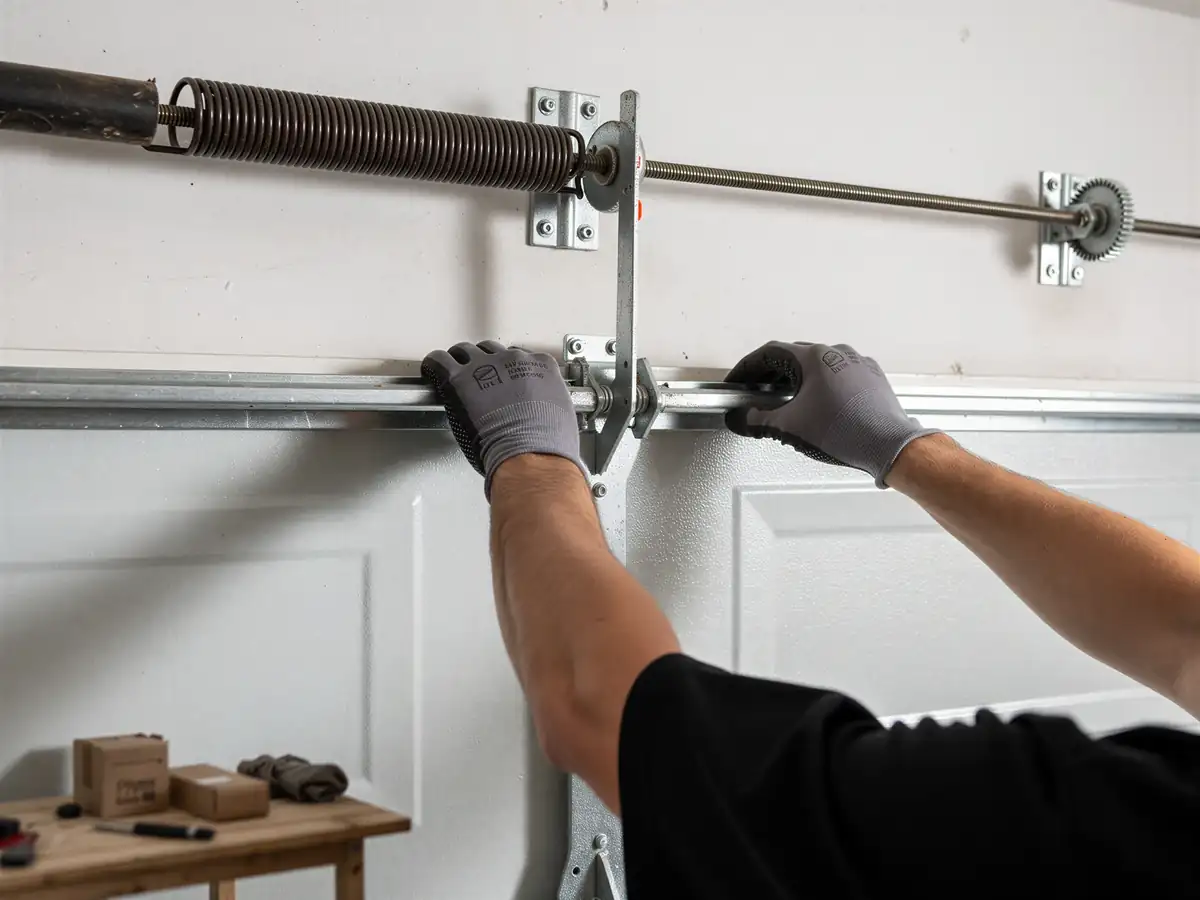
What the Fix Involves
In Belmont, the fault we see most isn't a snapped spring out of nowhere
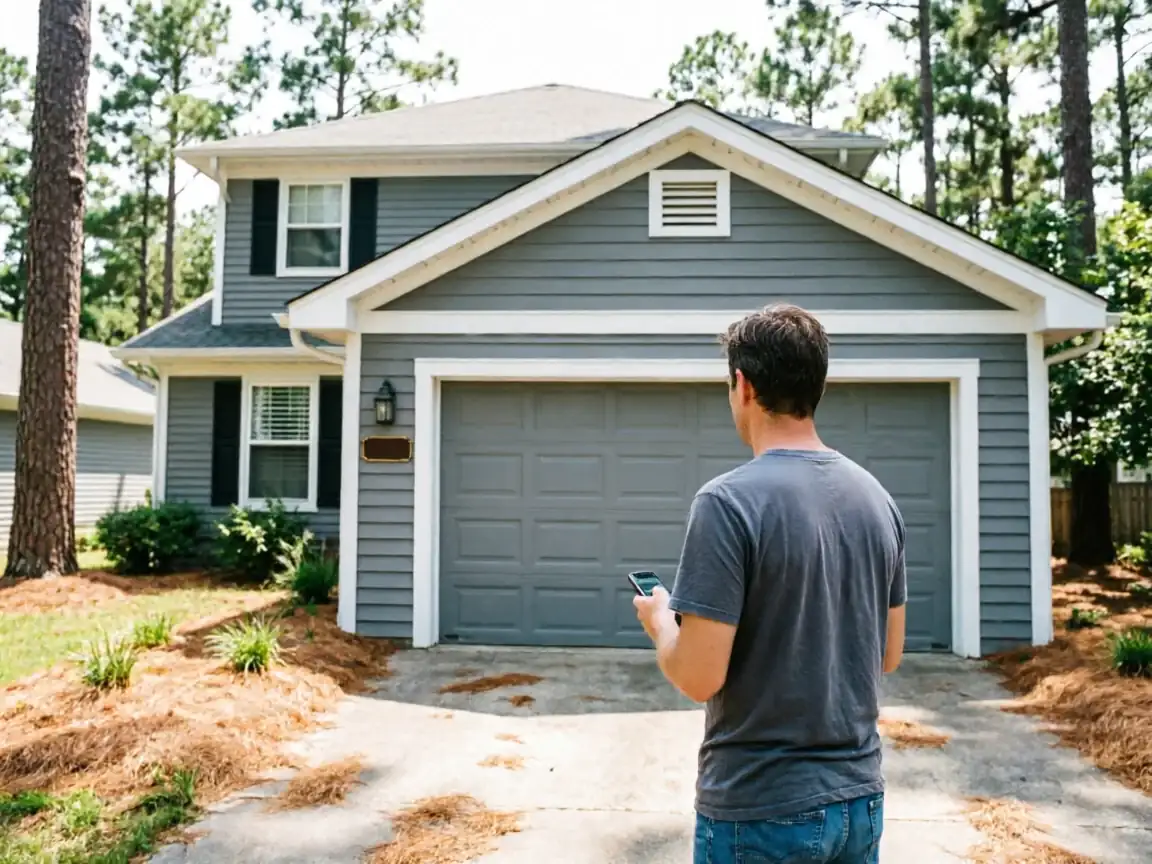
It's hardware that's been quietly wearing since the house was built. The area's median build year is 1998, which puts a huge share of Belmont garage doors right at the point where steel rollers have logged two and a half decades of cycles and the factory torsion springs are near the end of their rated life. That's not a guess about one house; it's what you'd expect across a neighborhood built in that window.
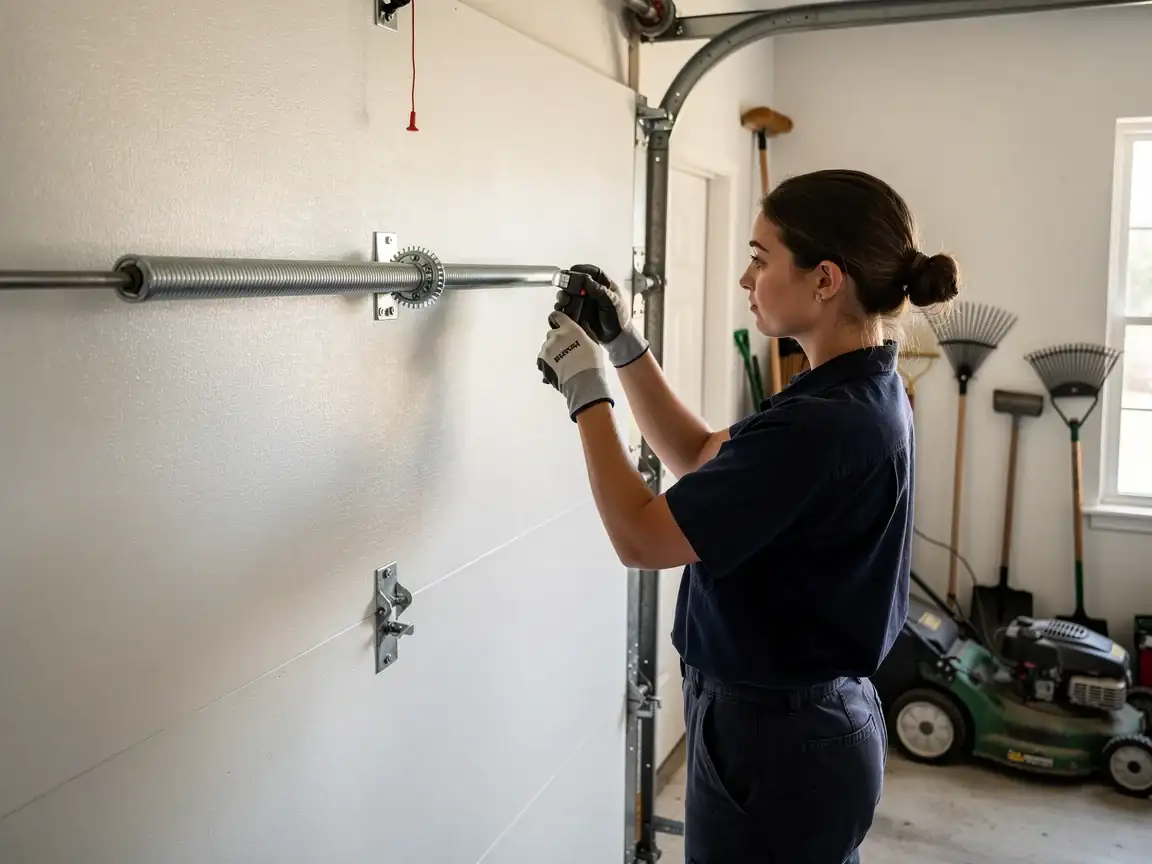
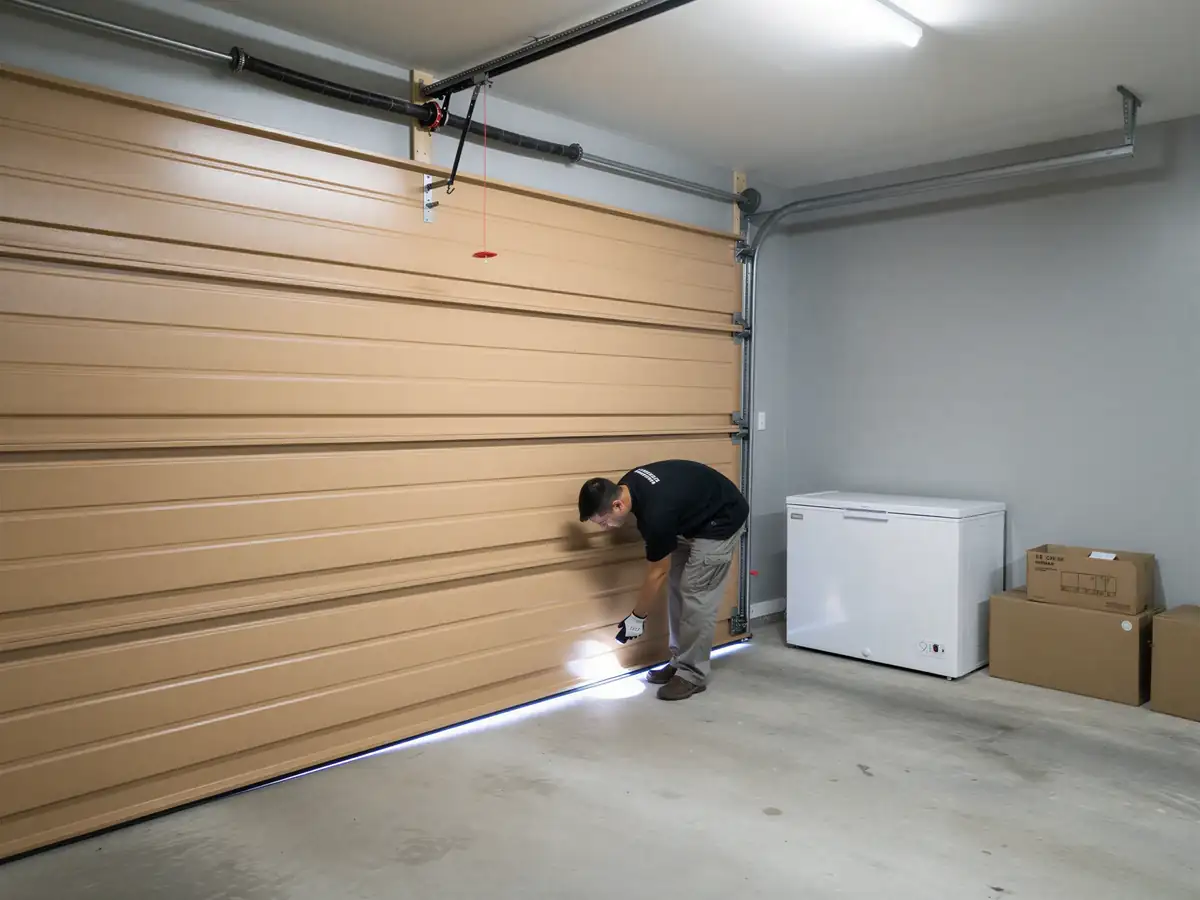
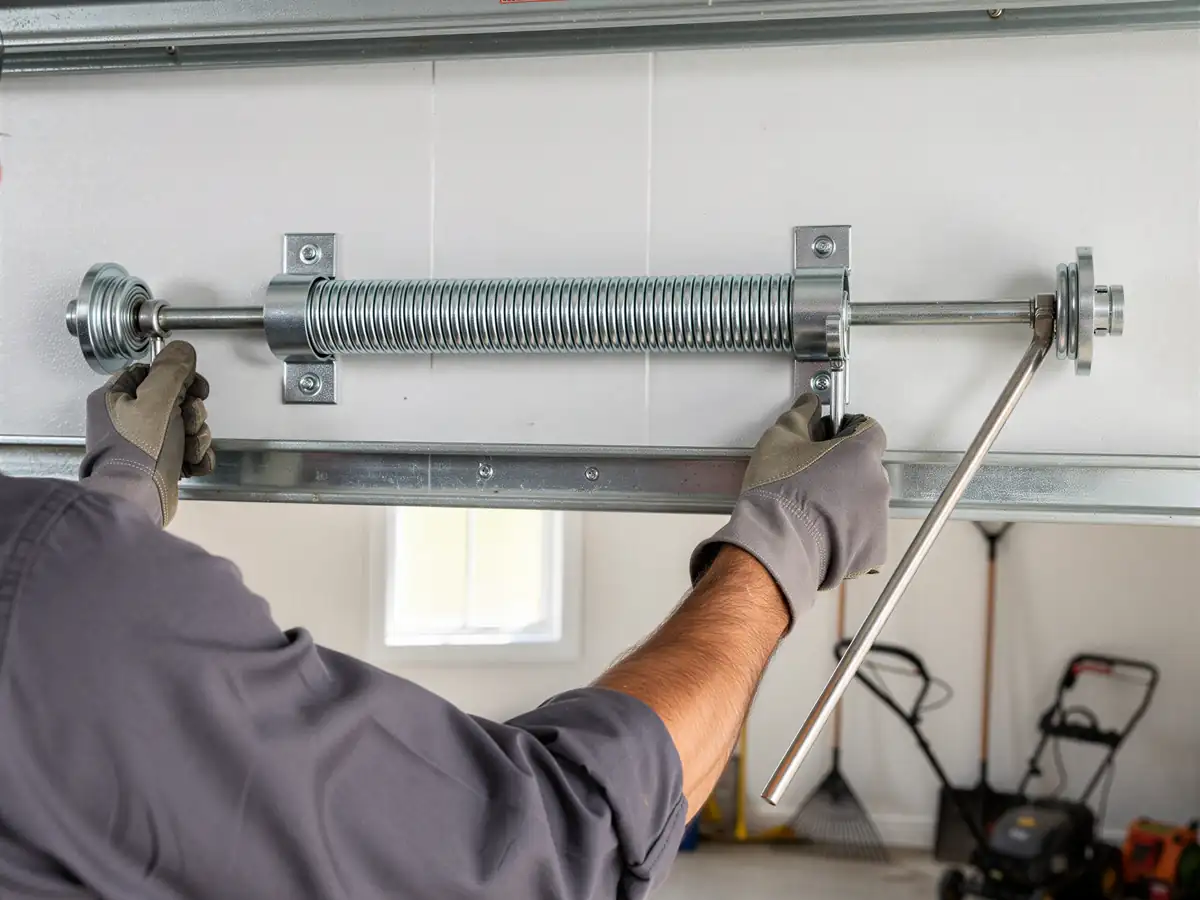
Maintenance on a door this age means checking spring wind tension (springs lose a measurable amount of lift over 20+ years even without failing outright)
Inspecting the torsion bar and center bearing for wear grooves, and testing the opener's force settings - a lot of openers from the late '90s and early 2000s were never recalibrated after the original install. We also check weatherstripping and bottom seals, since this area sits in a cold-moderate climate band where seasonal temperature swings stiffen rubber and crack it faster than you'd expect. None of this is dramatic work. It's the kind of check that catches a spring before it breaks mid-cycle, rather than after.
Can You Do This Yourself
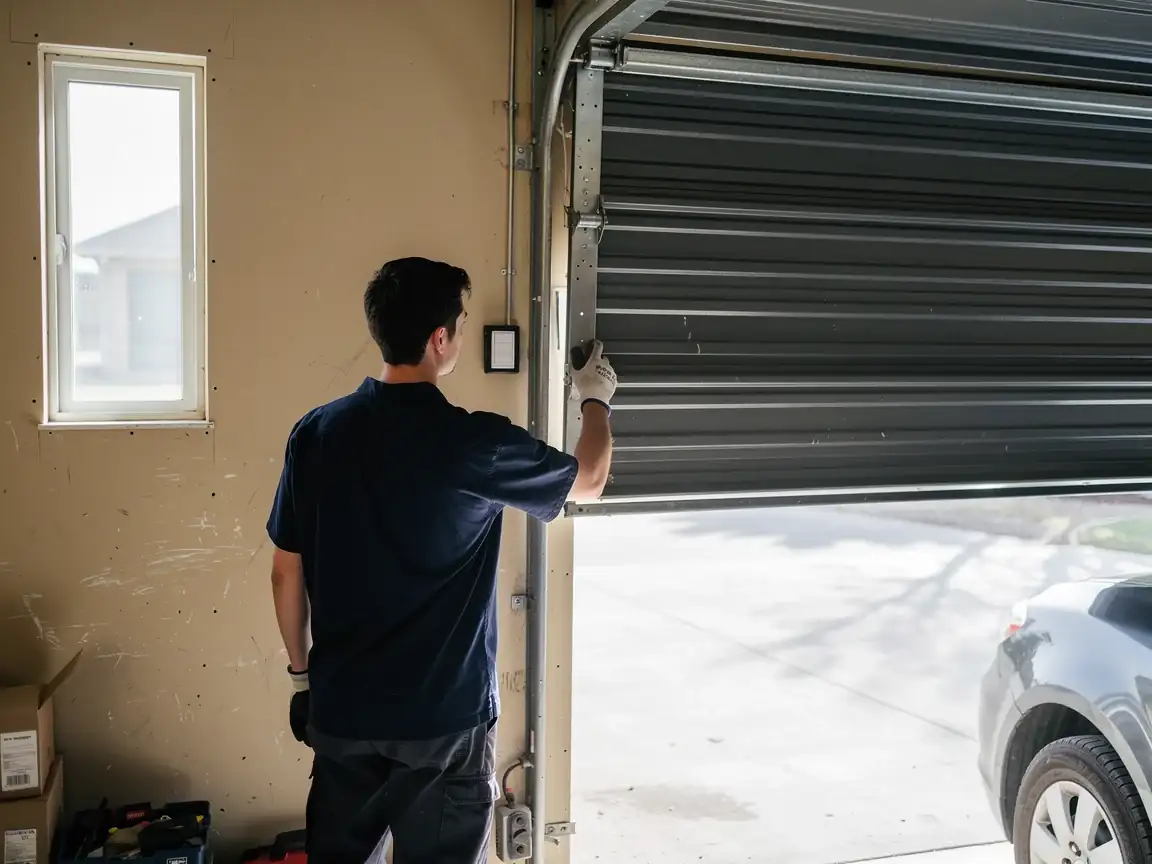
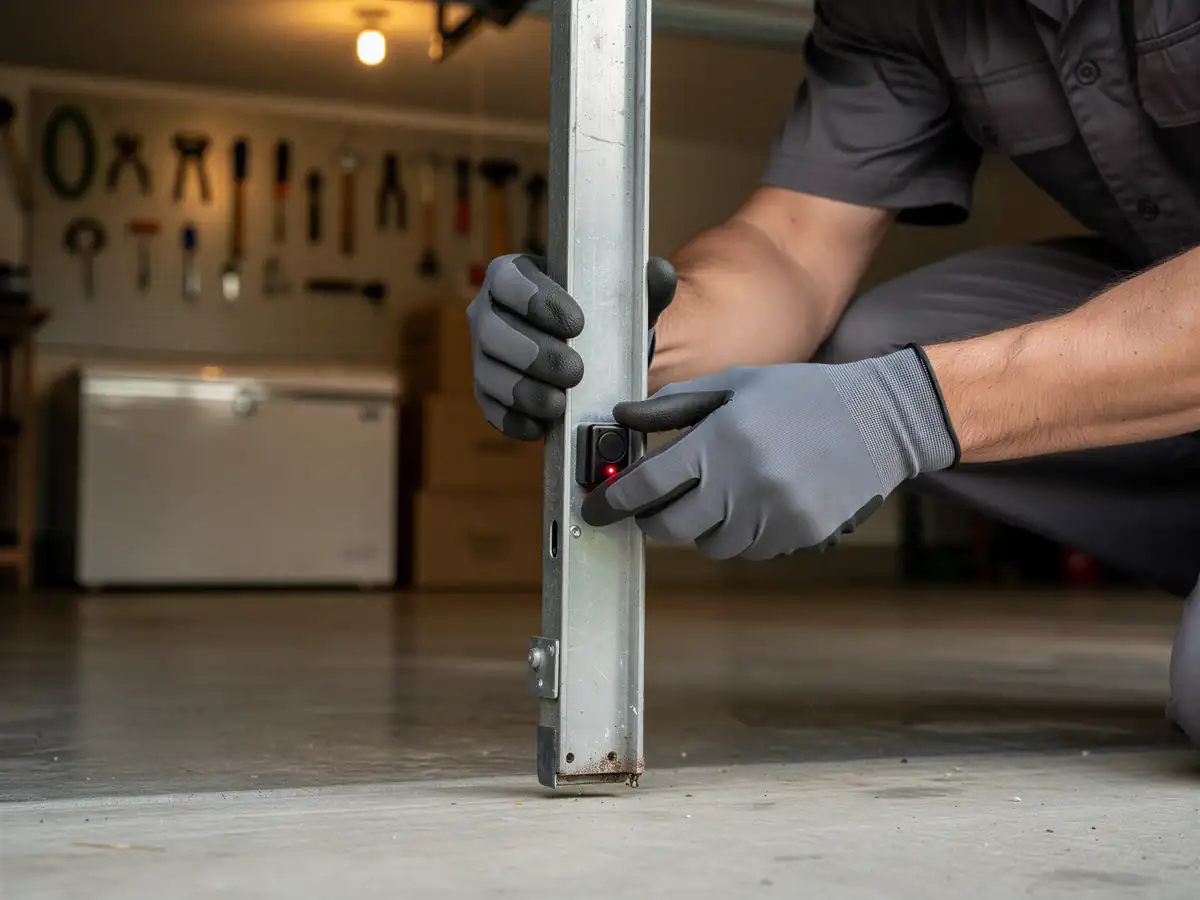
Some of it, yes. You can visually check rollers for flat spots or cracks, listen for grinding on the way up, and make sure the photo-eye sensors near the floor are clean and aligned - a surprising number of "broken opener" calls turn out to be a dirty or knocked-loose sensor. You can also lubricate hinges and rollers with a garage-door-specific lubricant, not WD-40, which washes grease out rather than adding it.
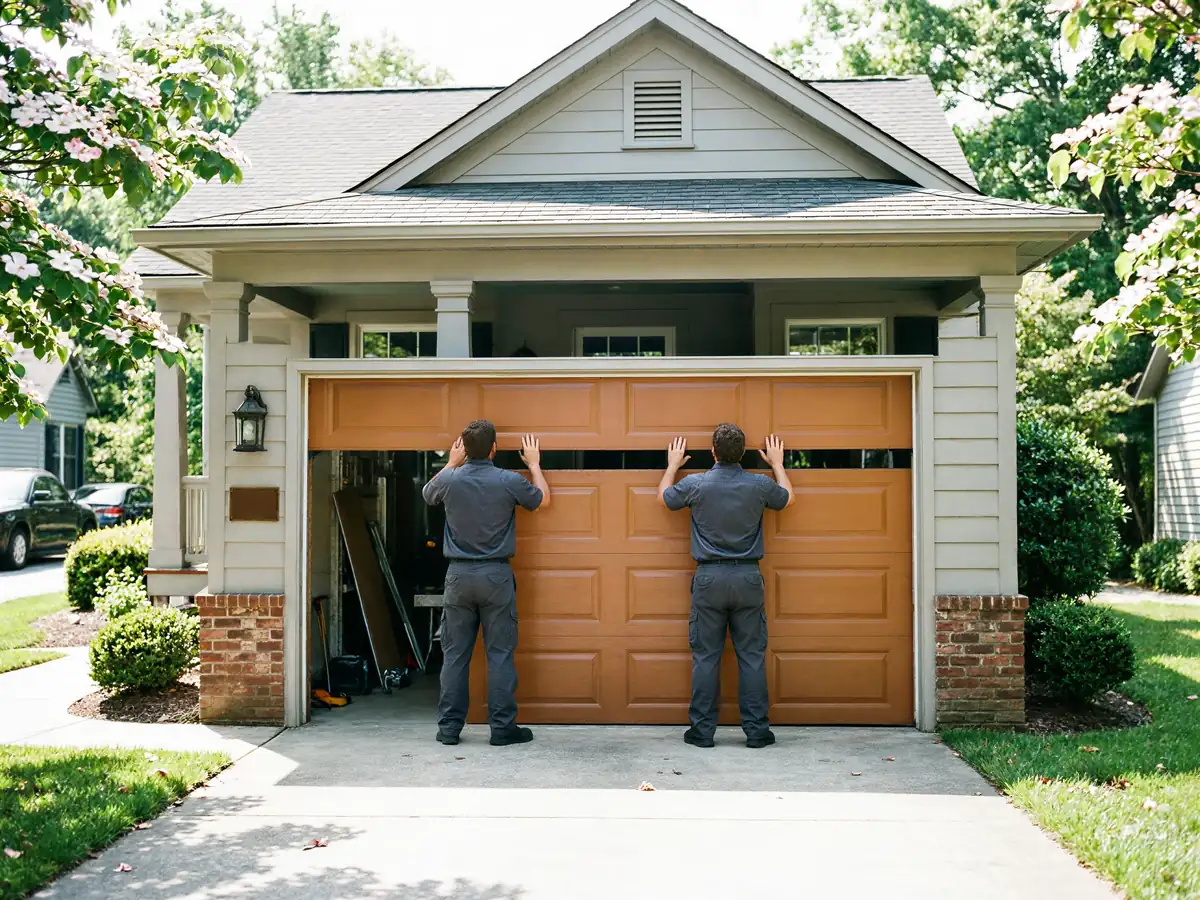
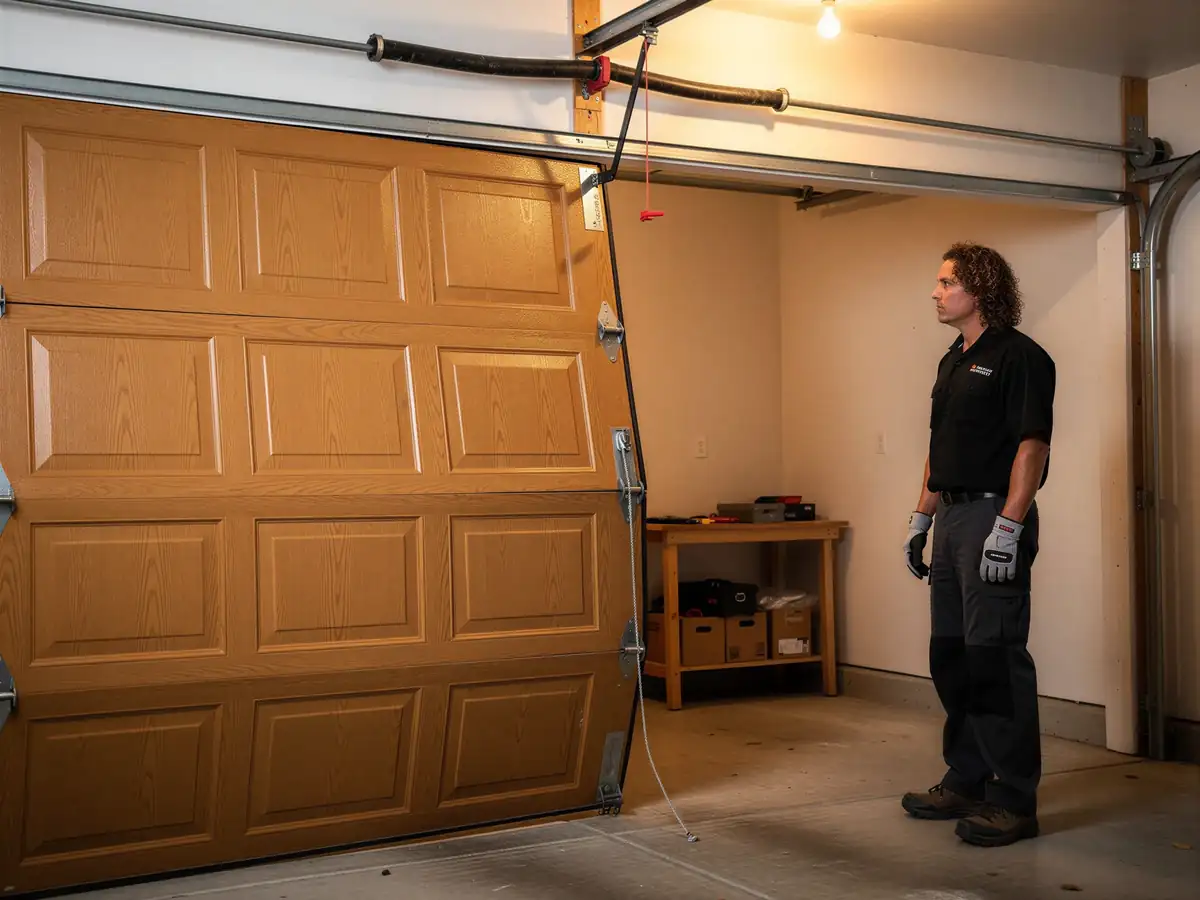
What you shouldn't touch is the torsion spring itself. On a door from this era, the spring is wound under enough tension to cause serious injury if it's loosened or removed without the right bars and a clear understanding of which way it's wound. If a cable looks frayed or a spring has a visible gap in its coils, that's a call, not a DIY afternoon. The honest line here: if your opener is grinding, reversing on its own, or the door is noticeably harder to lift by hand than it used to be, stop adjusting things yourself and get it looked at before a part fails under load.
What Is on the Truck
Because every visit to Belmont is a drive out from Cornelius - it's about 20 miles - the truck carries a broad spread of torsion springs, rollers, and cable sized for the hardware common to homes built in the late '90s through early 2000s, which covers most of what's on the road in this part of the service area. That includes standard torsion spring sizes for single and double doors, nylon and steel roller options, and the sensor and circuit board parts that fail most often on openers of that vintage.
What isn't always on the truck is a part for something unusual - an older extension-spring setup from before torsion hardware became standard, or a specialty opener board that's been discontinued. If a part isn't on hand, it gets ordered, and that's the one honest limitation worth stating up front: not every job closes in one visit. For the typical torsion-spring, roller, and opener-sensor work that fits Belmont's housing stock, though, the truck is stocked for it.