What the Fix Involves
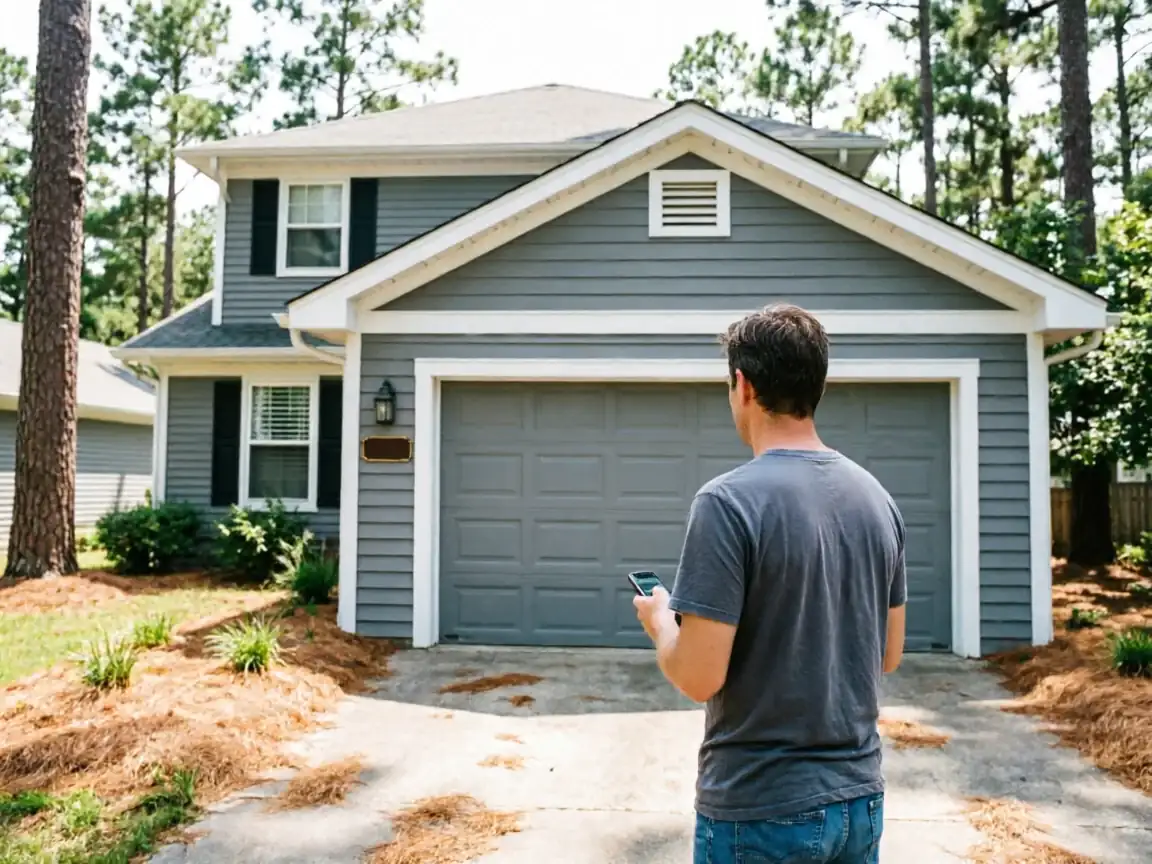
Belmont's median home dates to around 1998
Which puts most garage doors here on steel sectional panels with chain or belt-drive openers installed somewhere in the late '90s or 2000s. That means the openers we see on these jobs are hitting the age where the logic board starts acting up before the motor does - intermittent remotes, a unit that runs for a second and stops, or a wall button that works but the clicker doesn't. On a 25-year-old opener, the capacitor on the board is usually the first thing to go, not the gearing.
Some of these homes also have openers that predate rolling-code security
Which means the remote itself can't be matched to a newer receiver without a swap. We check the opener's manufacture date off the motor housing plate before we diagnose anything else, because a 1999 unit and a 2015 unit fail in different ways even if the symptom looks the same from the kitchen.
We also see a fair number of openers here that were replaced once already somewhere in the 2000s or 2010s
Since original units from new construction in this era are now past their realistic service life. If yours has already been swapped, the fault is more likely a sensor, a limit switch, or a worn drive gear than the board.
Can You Do This Yourself
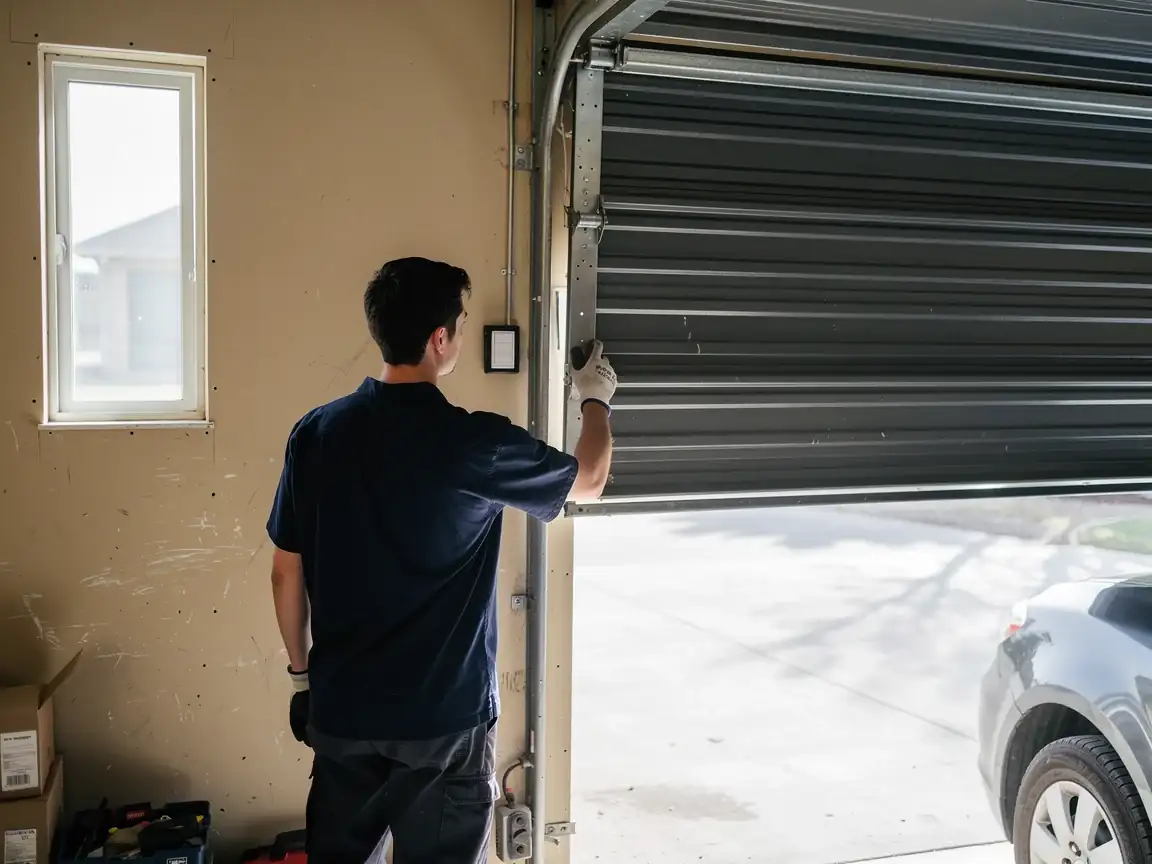
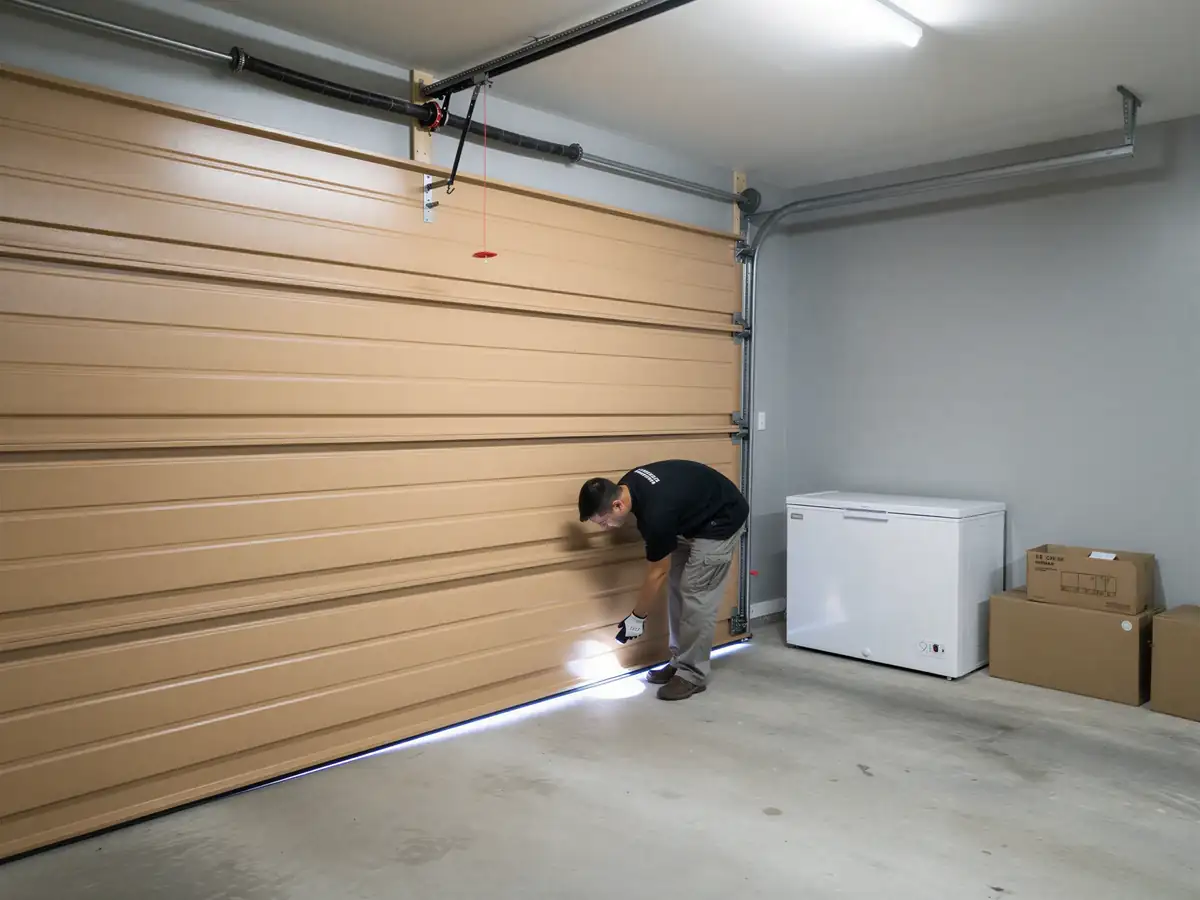
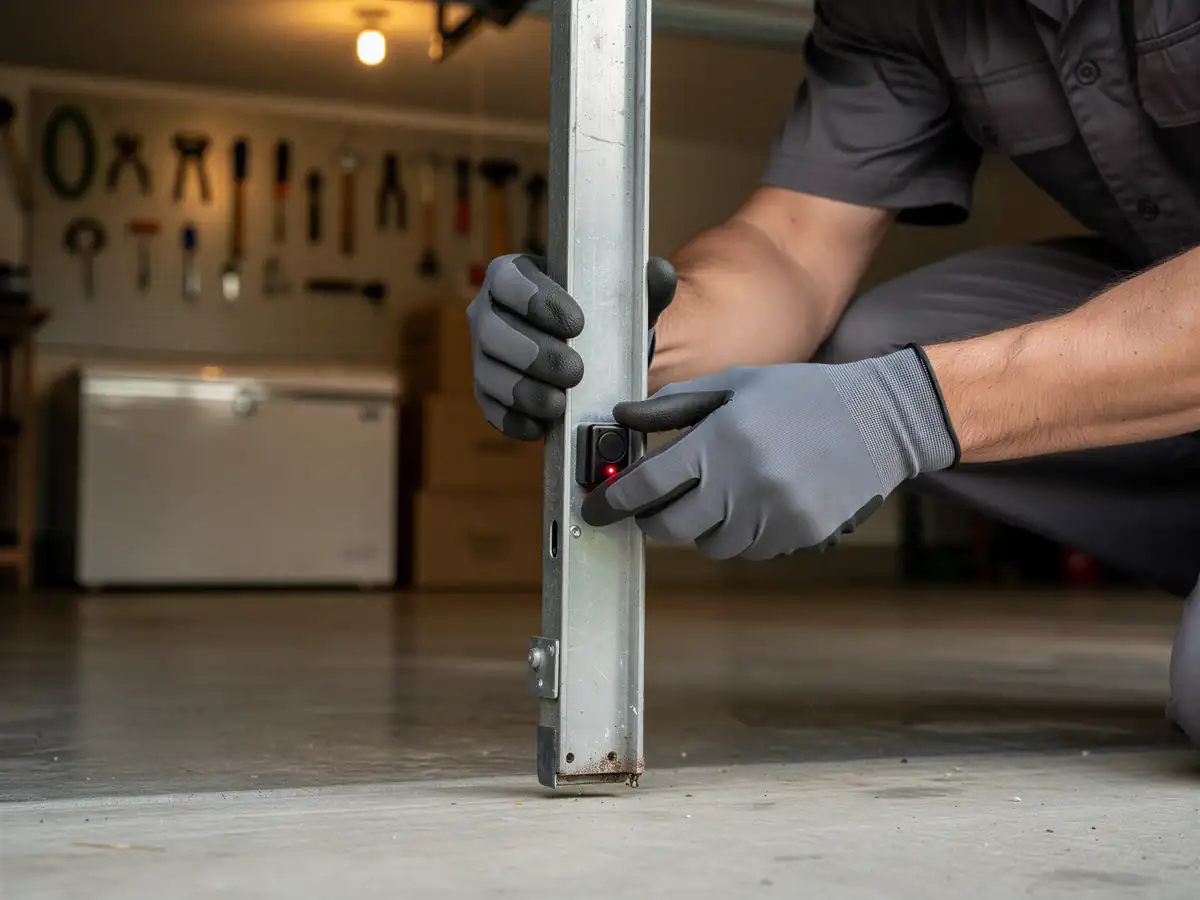
Checking the safety sensors - the two eyes near the floor on each side of the track - is something any homeowner can do. If a light on one of them is blinking instead of solid, that's usually a misalignment problem, not a wiring fault, and you can often fix it yourself by loosening the mounting screw and nudging it until both lights go solid.
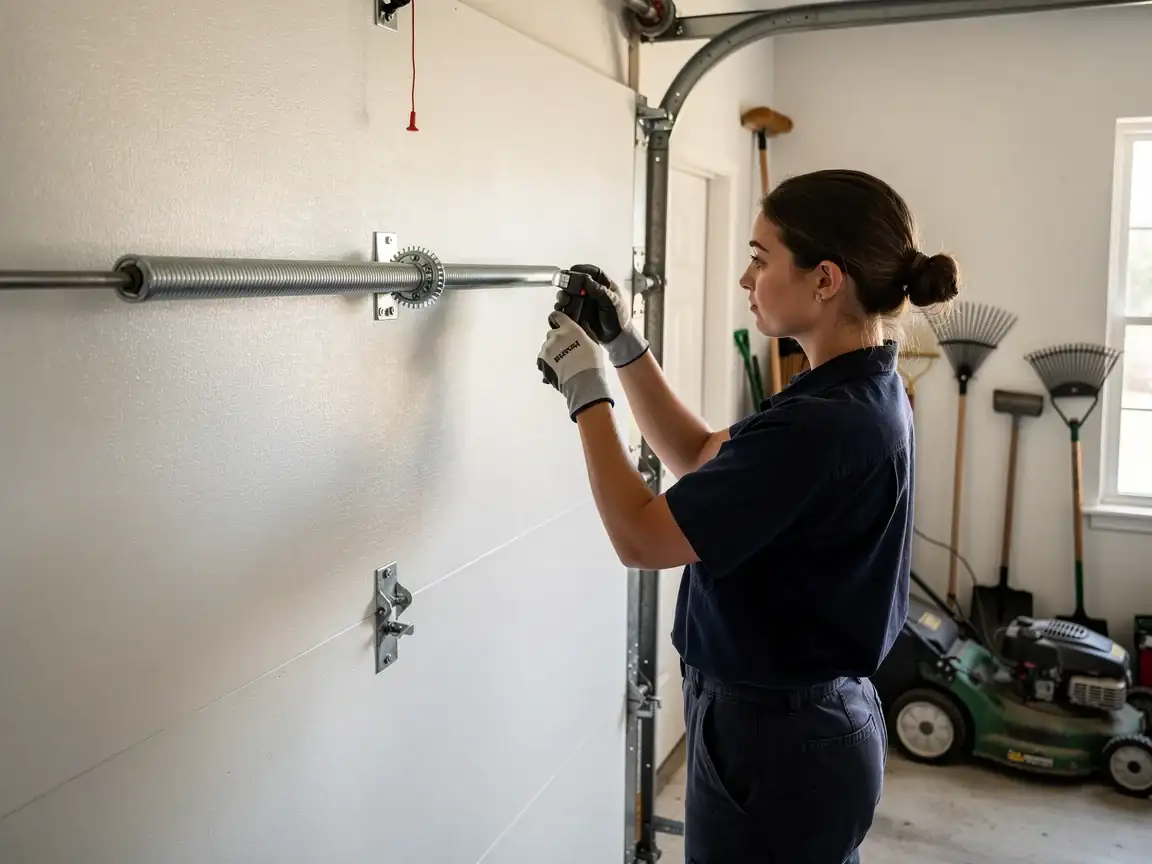
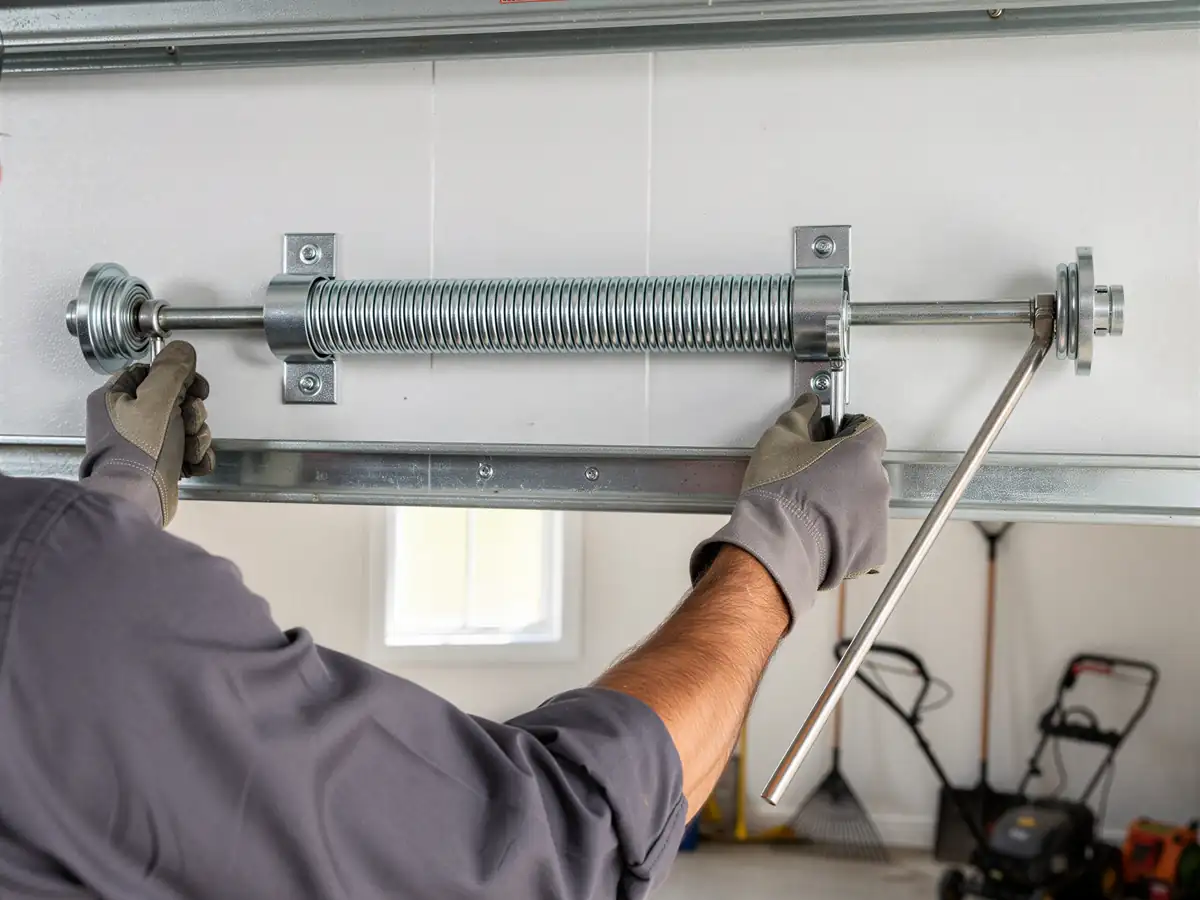
Reprogramming a remote is also fair game for a DIY attempt, and it takes ten minutes with the manual. Where we tell people to stop is the logic board itself. If you open the opener housing and start swapping capacitors or soldering, you're working next to a system under spring tension, and a mistake there isn't a blown fuse - it's a door slamming down. We also don't recommend DIY on anything involving the opener's travel limits or force settings on a door you haven't had serviced in a few years, since the two are often compensating for worn hardware you can't see from the garage floor.
What Is on the Truck
Because Belmont sits about 20 miles out from our shop in Cornelius, we load the truck based on what the diagnosis call tells us before we drive, not just what's typical. For the opener ages common in Belmont's 1990s-to-2000s housing, that means logic boards and circuit boards for the major chain and belt-drive brands from that period, drive gears and sprockets, travel modules, and a stock of safety sensor pairs.
We also carry universal remotes and keypads that can be matched to older, non-rolling-code receivers, which covers a chunk of the original-opener homes in this area. What we don't always have on the truck is a board for a less common brand or a unit old enough to be out of production - if that's the case, we'll tell you on-site rather than charge you for a guess, and we'll order the part rather than install something that's the wrong fit.
Booking a Visit
We cover Belmont from our Cornelius location, about 20 miles away
So we ask for the opener's brand and the approximate age of the house when you call - both help us load the right board and gear stock before we're on the road. If you can read the model number off the motor unit housing ahead of time, that cuts the guesswork further.
- 20 miles
For general door issues beyond the opener itself
Our Belmont garage door service page covers springs, panels, and tracks. If you're closer to Cornelius proper, opener repair there is handled the same way, just without the drive time.
What It Costs
We don't have a flat number to quote here, since the cost on an opener job swings a lot between a sensor realignment, a board replacement, and a full unit swap on an opener old enough that parts aren't made anymore. What we can tell you is that Belmont's housing - mostly built between the late '80s and 2011, with a lot of it clustering right around 1998 - means board failures and obsolete remote systems are the more common calls here, not motor burnout. Those tend to cost less than a full opener replacement, but only if the board is still available for that model.
We'll give you the actual number on-site once we've opened the housing and confirmed what's failed, not over the phone from a guess.