Booking a Visit
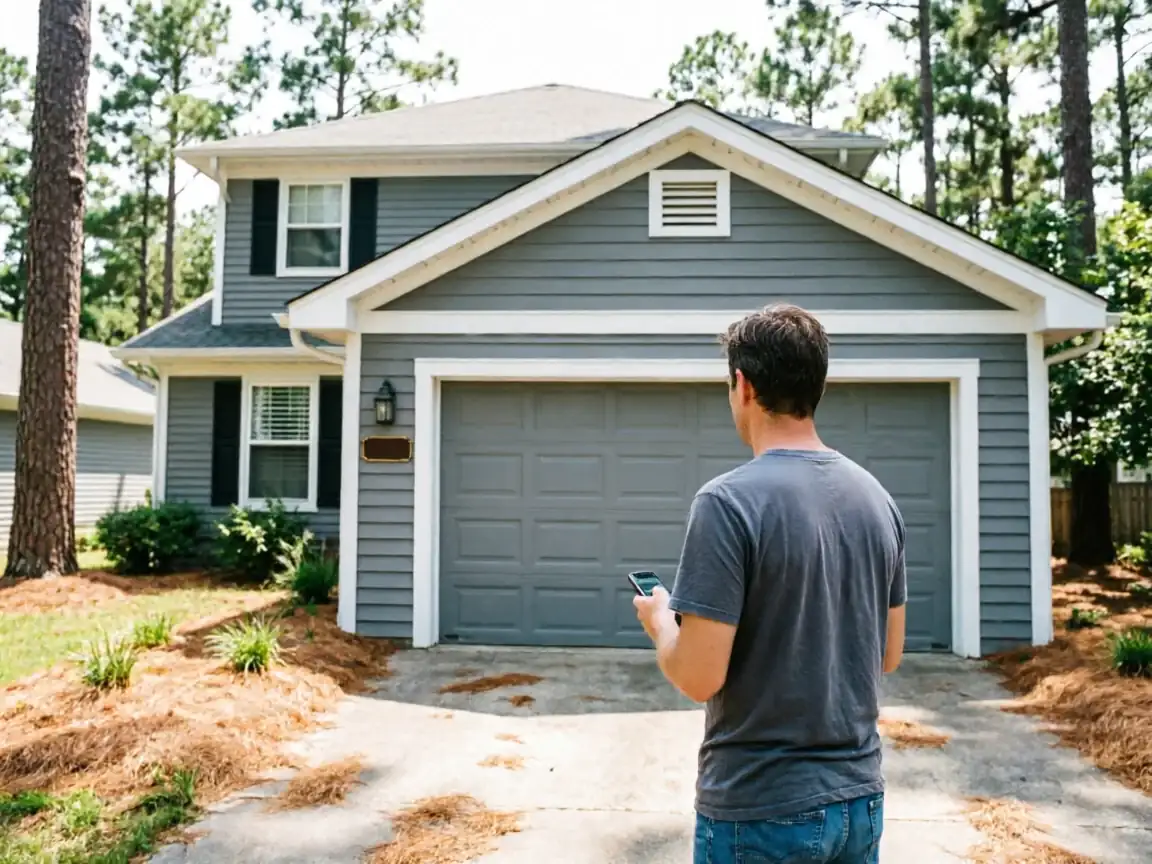
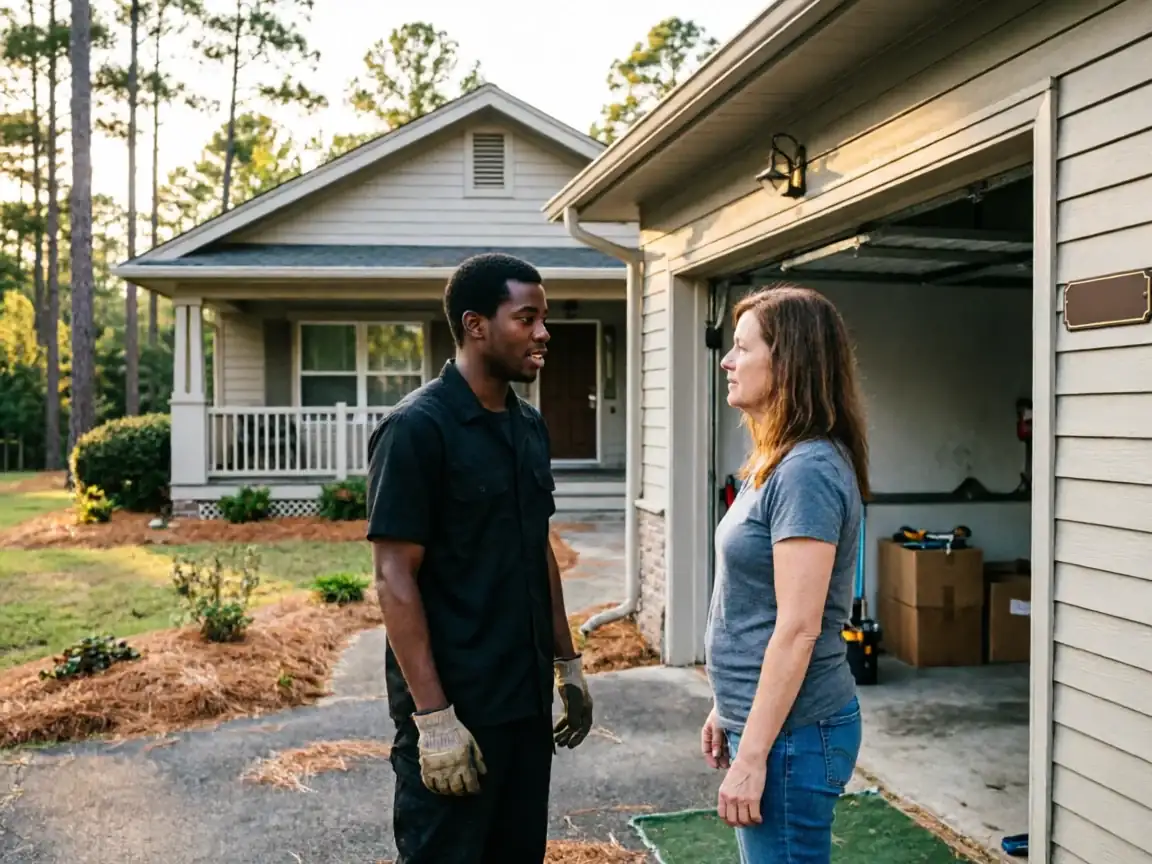
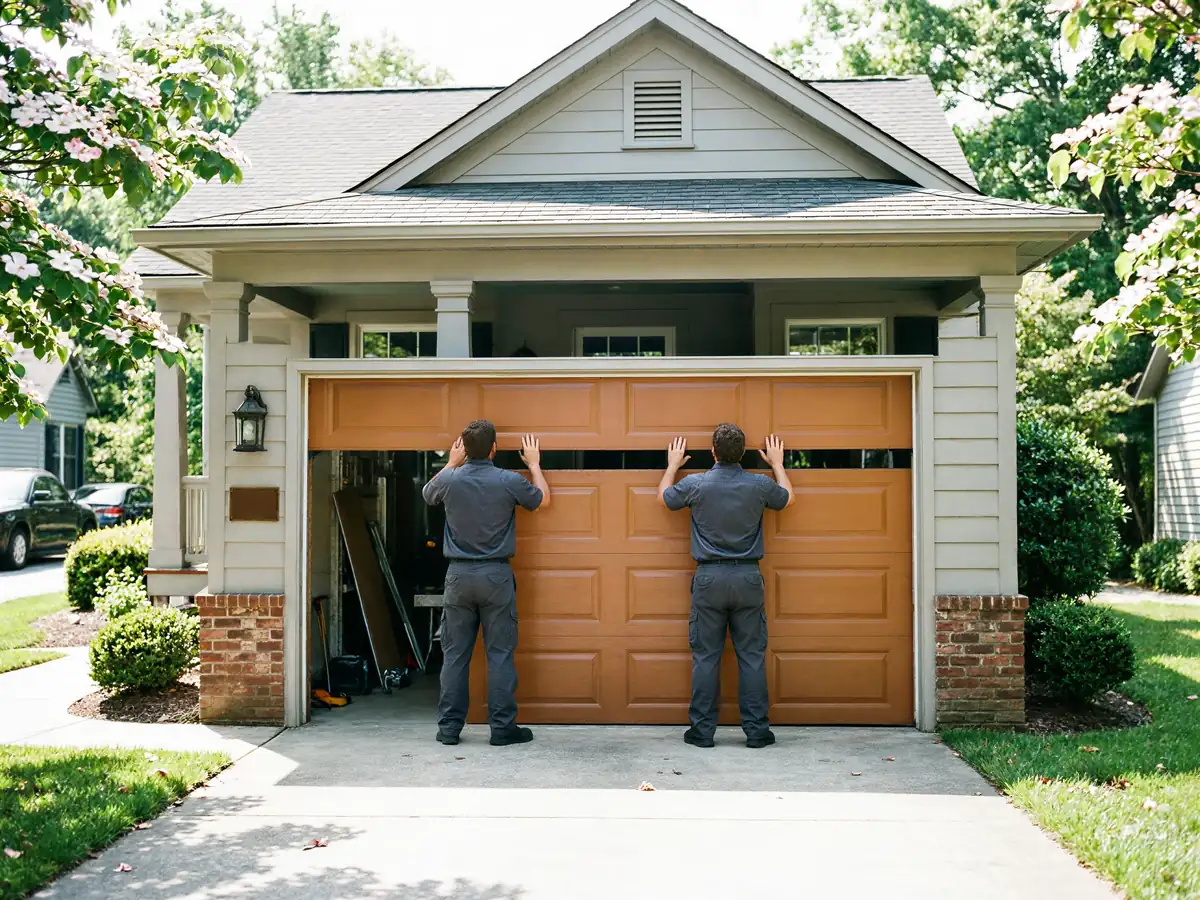
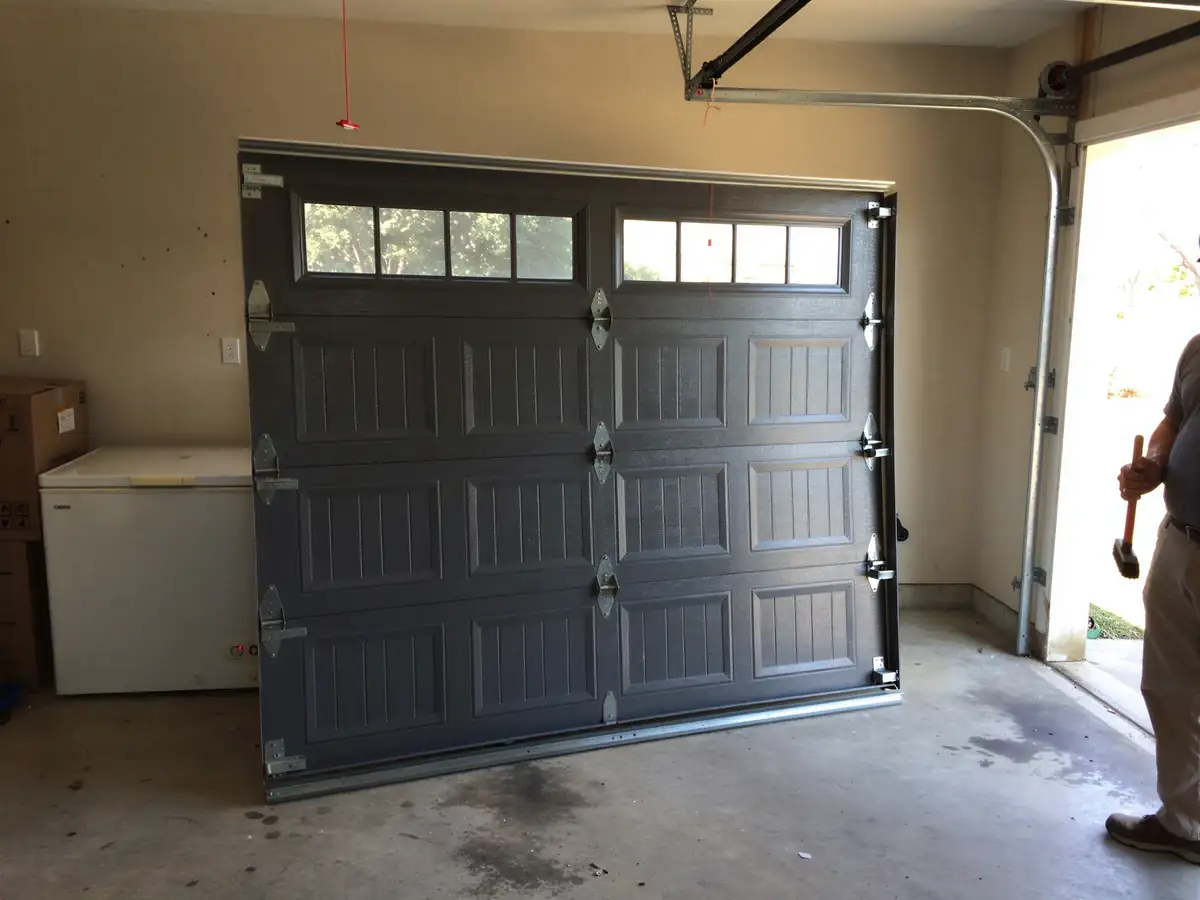
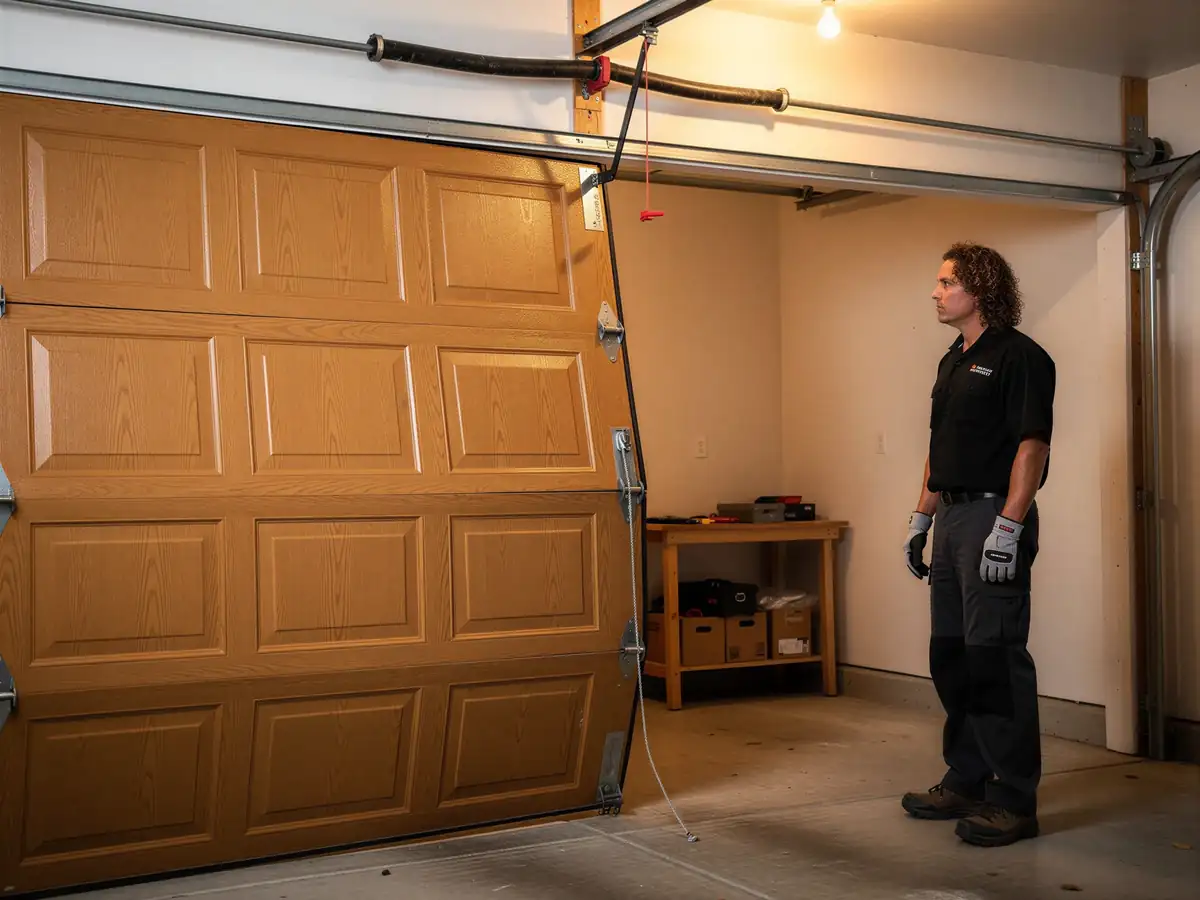
There's no branch sitting in Lake Norman of Catawba - we cover it from Cornelius, about 10 miles out. That's close enough that a cable job doesn't turn into an all-day wait, but it does mean we ask a few questions up front: whether the door is stuck open or closed, whether you hear a snap or just see it drooping, and whether anyone's tried to force it by hand. That tells us which cable, spring, and drum stock to load before we leave. We'd rather show up with the right parts than make a second trip.
Time on the Job
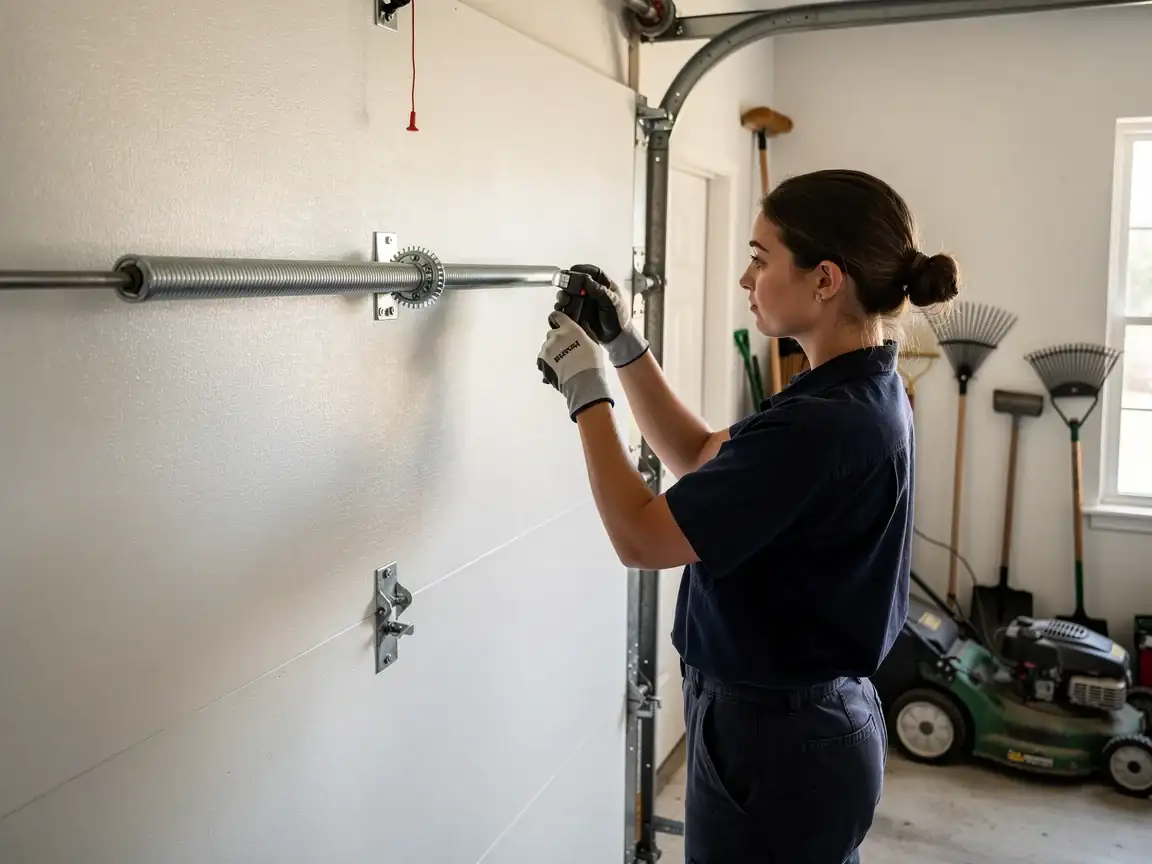
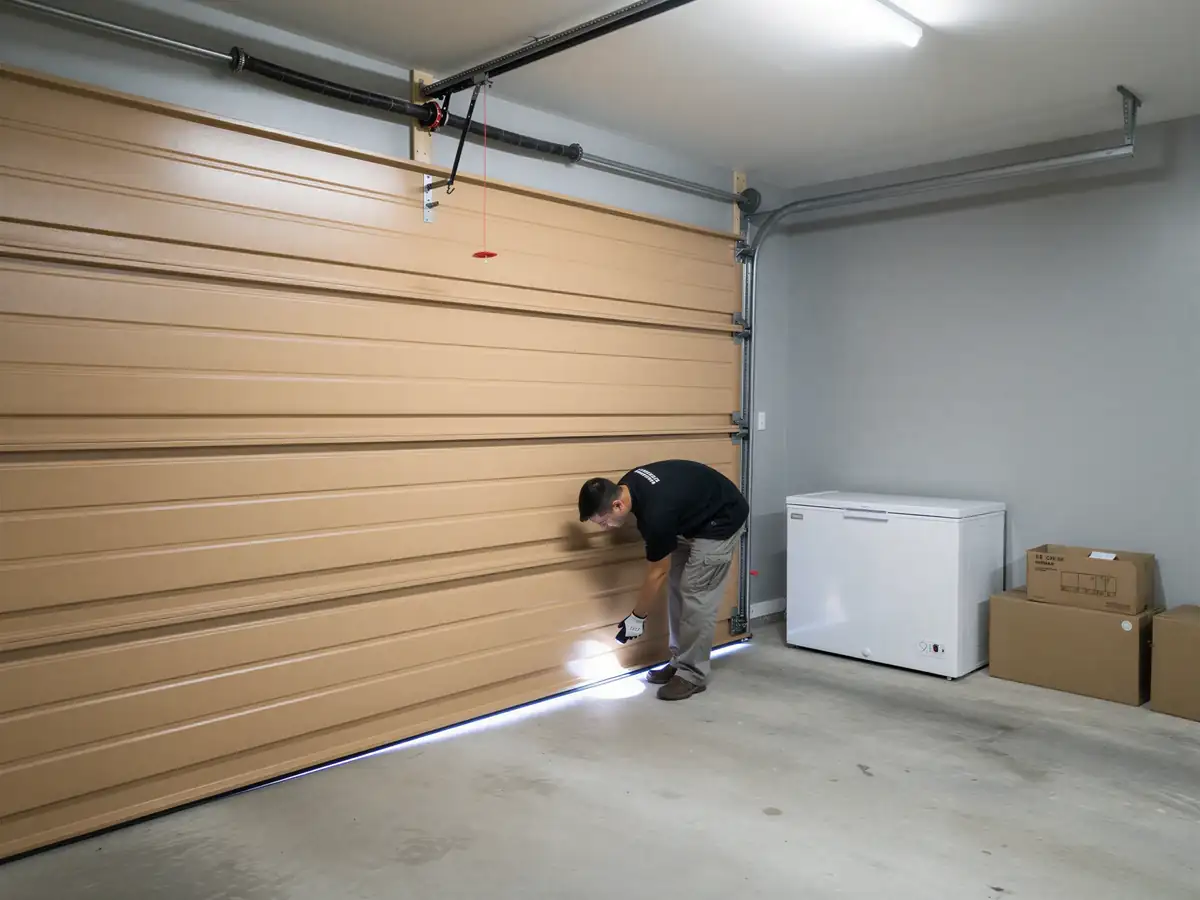
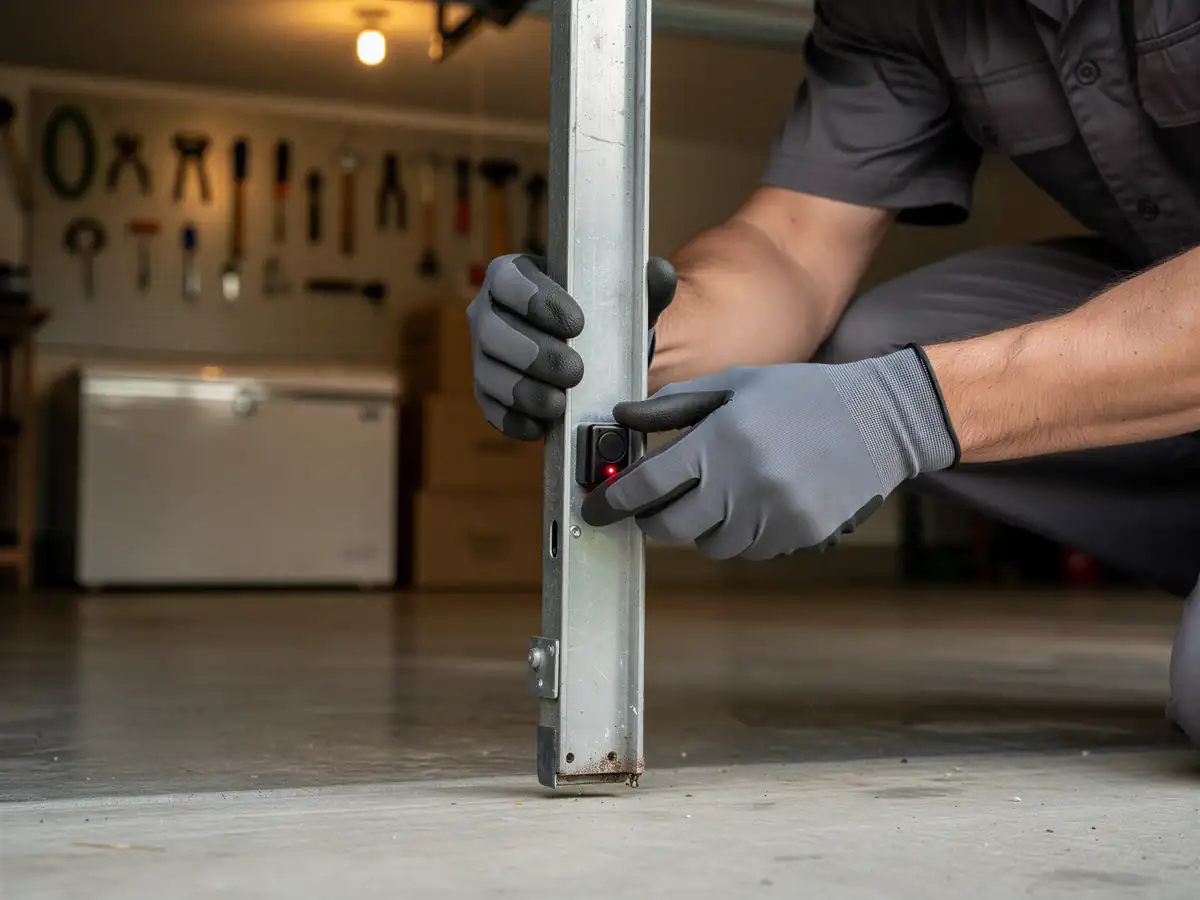
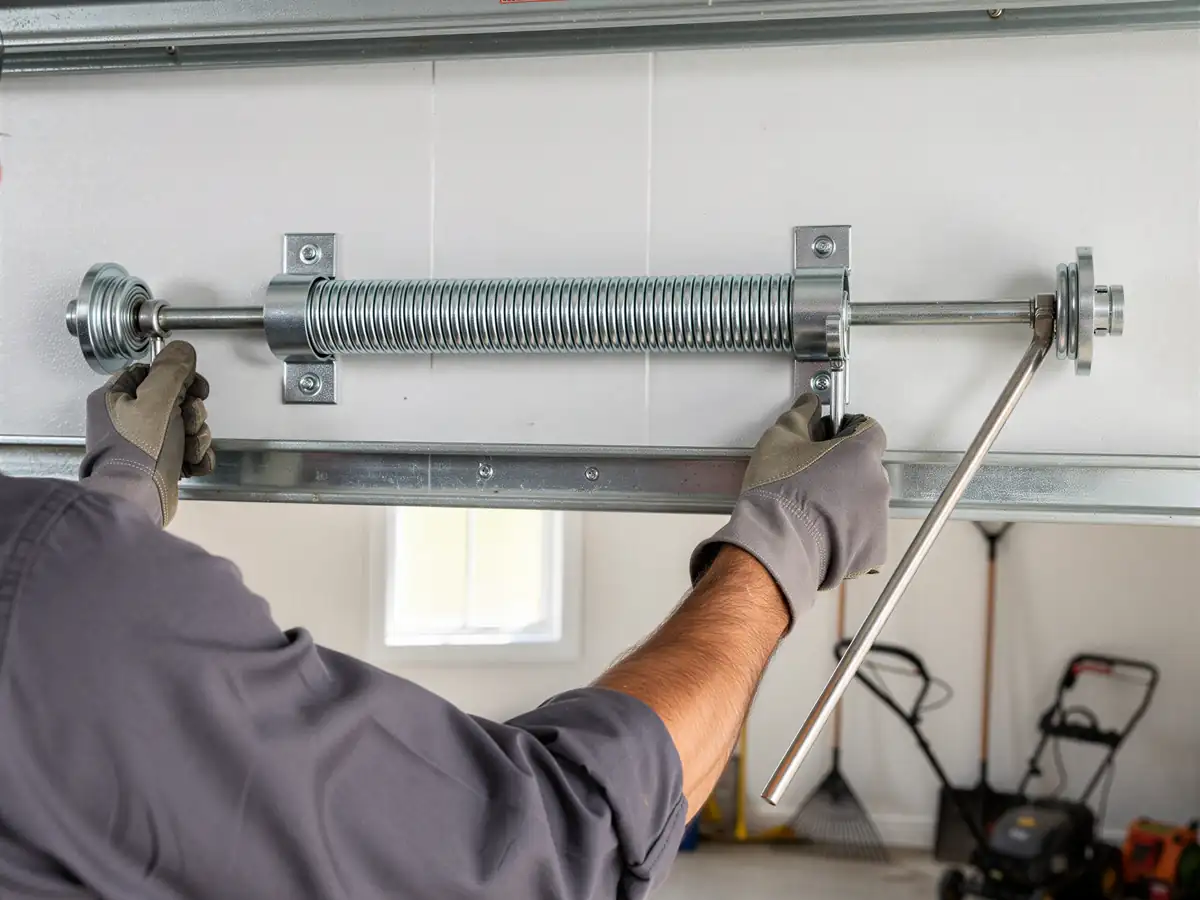
A straightforward cable replacement on a single door, once we're on site, usually runs under two hours - pull the old cables, check the drums for wear, set new cable, rebalance the spring tension, and test the travel a dozen times before we call it done. Where it runs long is when the cable snapped because something else gave first, like a bent track or a drum that's cracked from age. On a door built close to 1999, twenty-plus years of cycles means we check those wear points as a matter of course, not as an upsell. One honest limitation: if the drums or the shaft are too worn to trust, we're not going to reuse them just to save you a trip back - that's a part we order, and it may mean a short wait before we return to finish.
Can You Do This Yourself
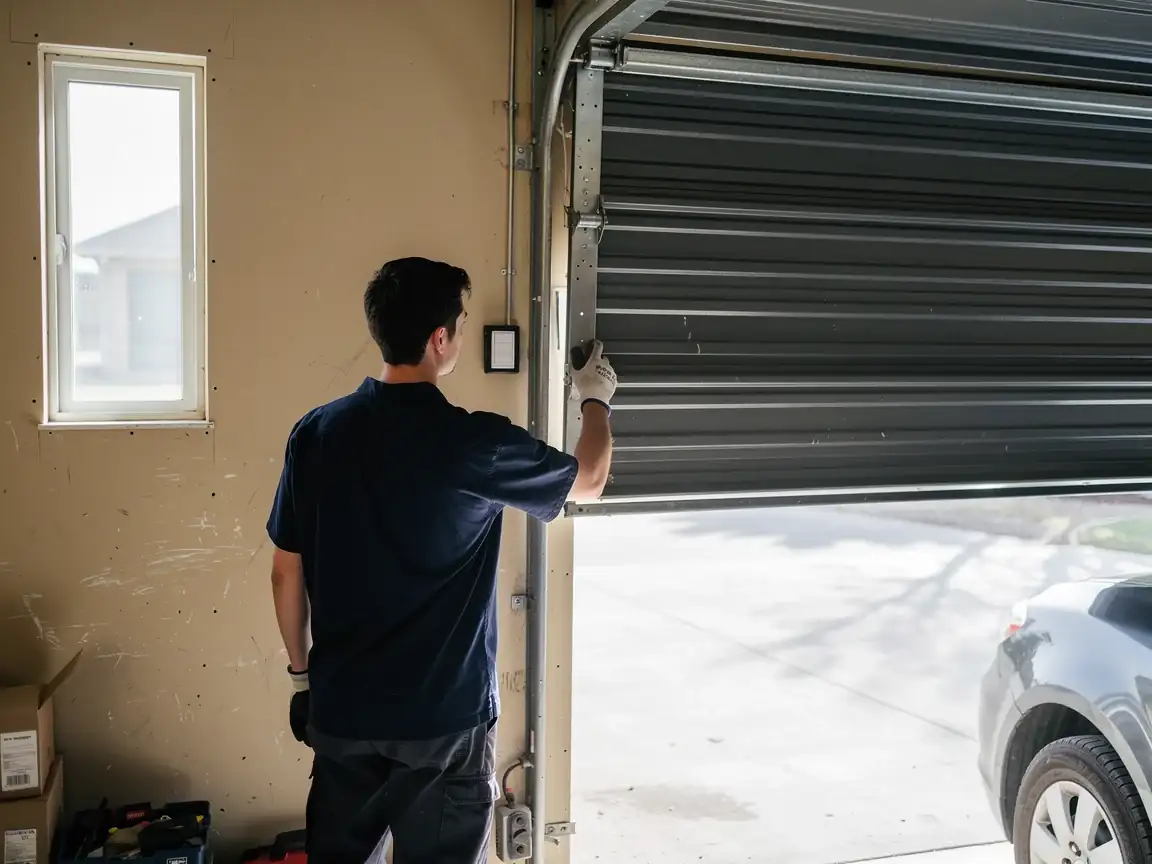
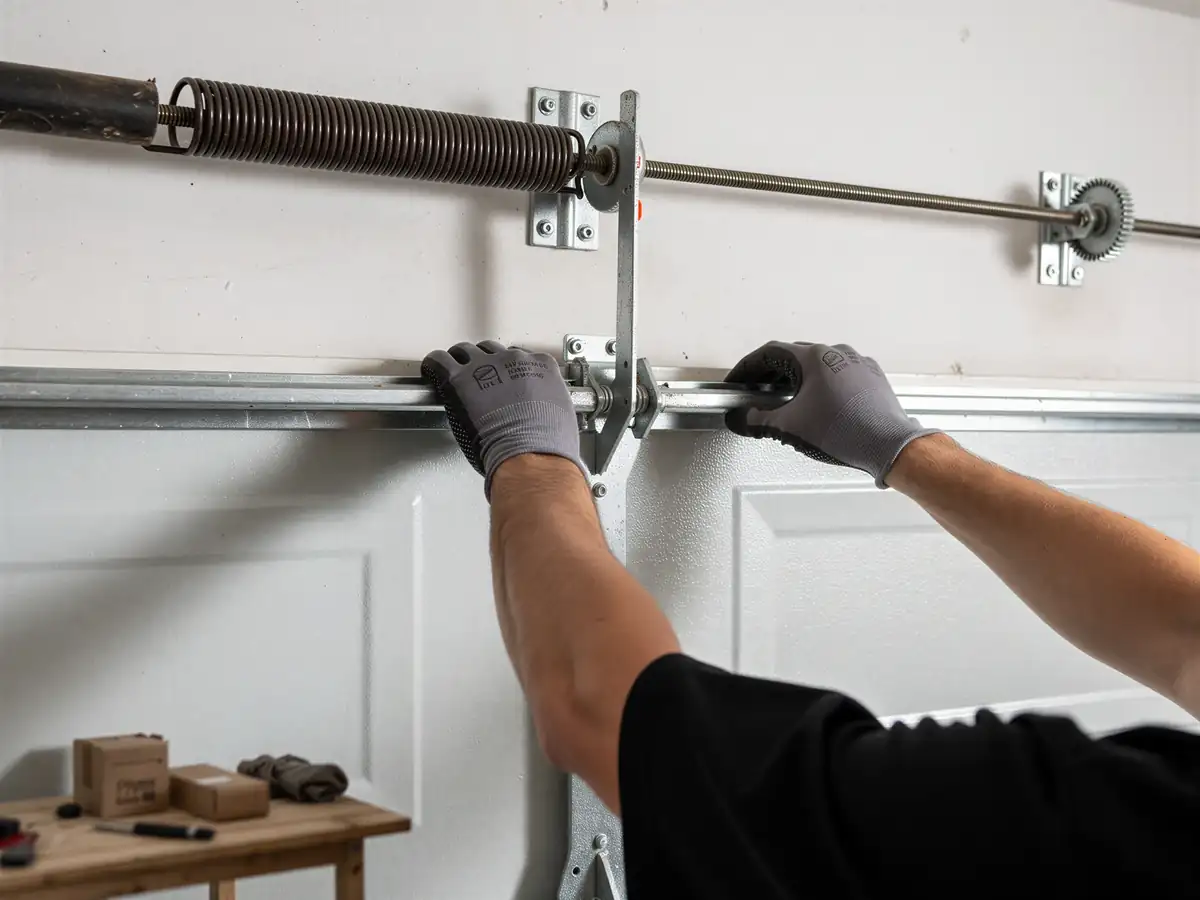
A broken lift cable almost always means the spring on that side is still under load, and that load is what makes this a bad DIY project. People get hurt trying to free a stuck cable off a drum while the opposite spring is still wound tight - it's not a hand tool job, it's a tension job. If the door is stuck in place, the safest move is to leave it alone and not force the opener, since that can bend the track or snap the second cable. We'll say it plainly: replacing a cable yourself without releasing spring tension first is how fingers get caught, not how money gets saved.