What the Fix Involves
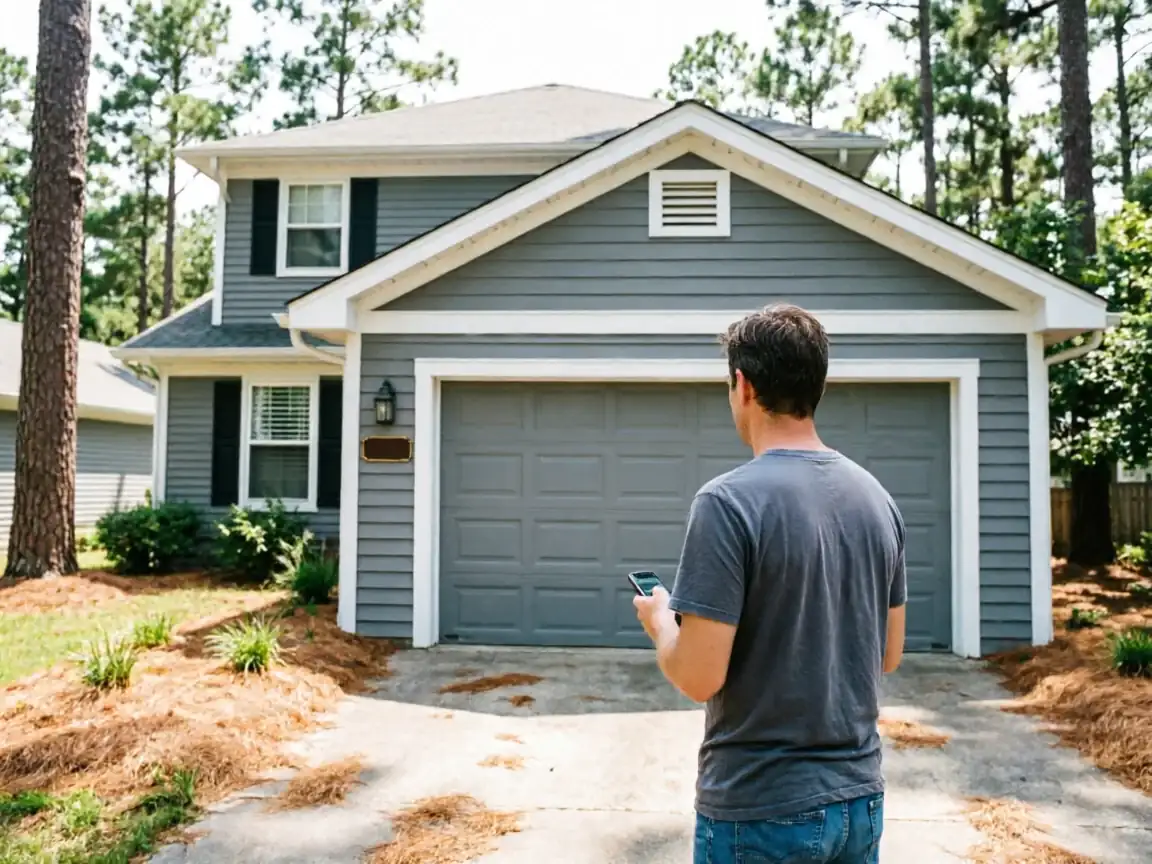
Most garage doors in Lake Norman of Catawba went up around a median build year of 1999
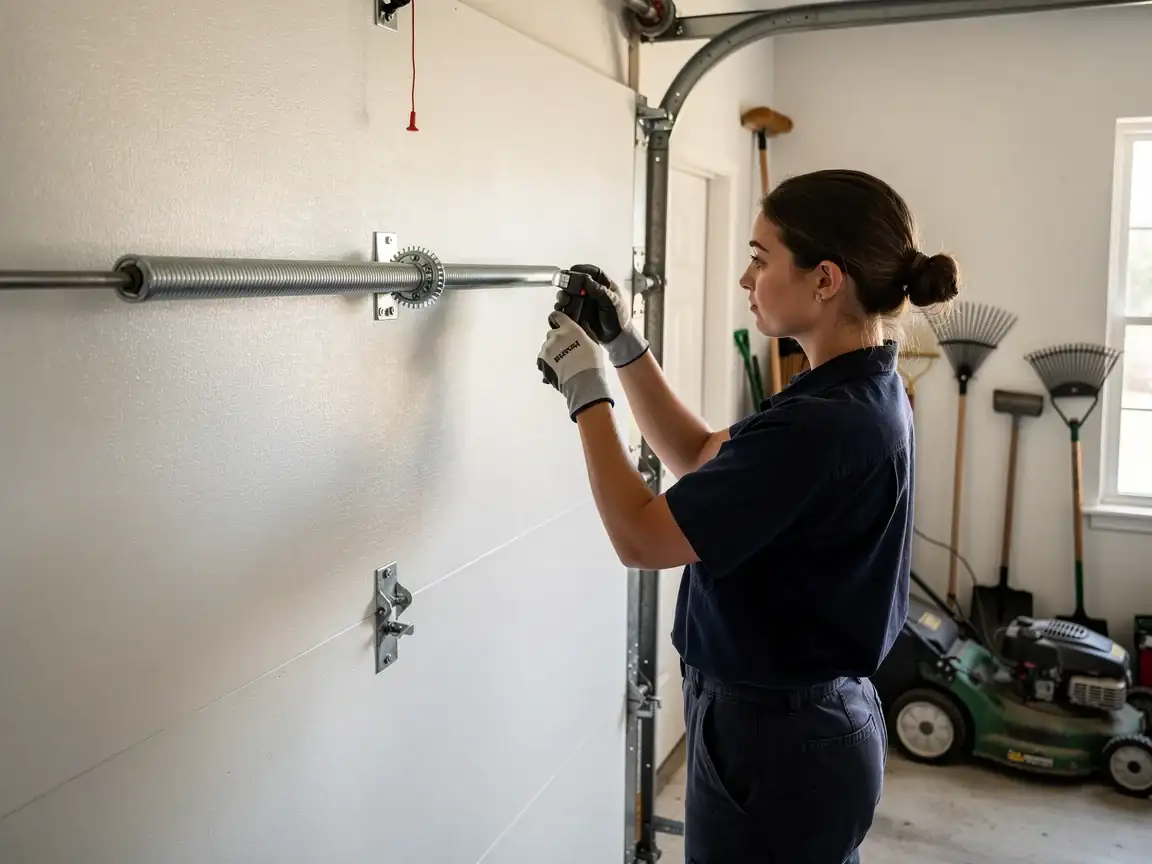
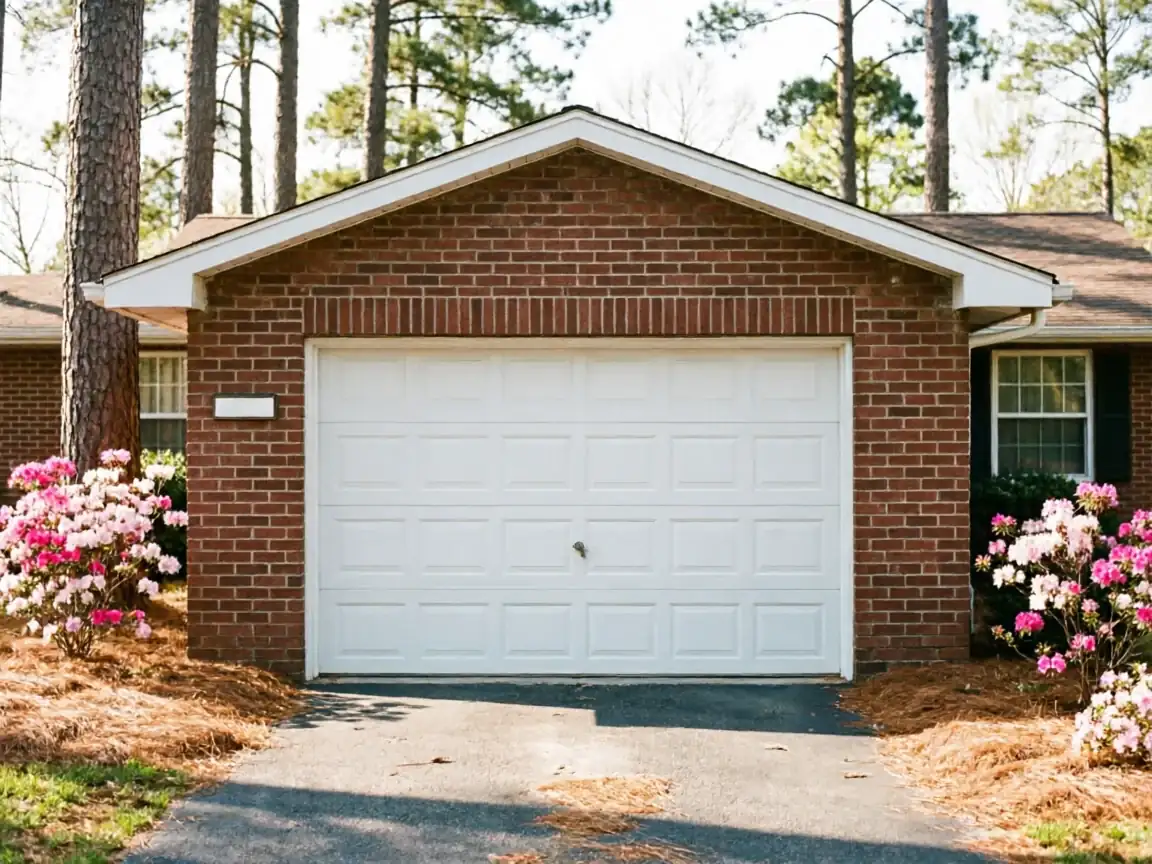
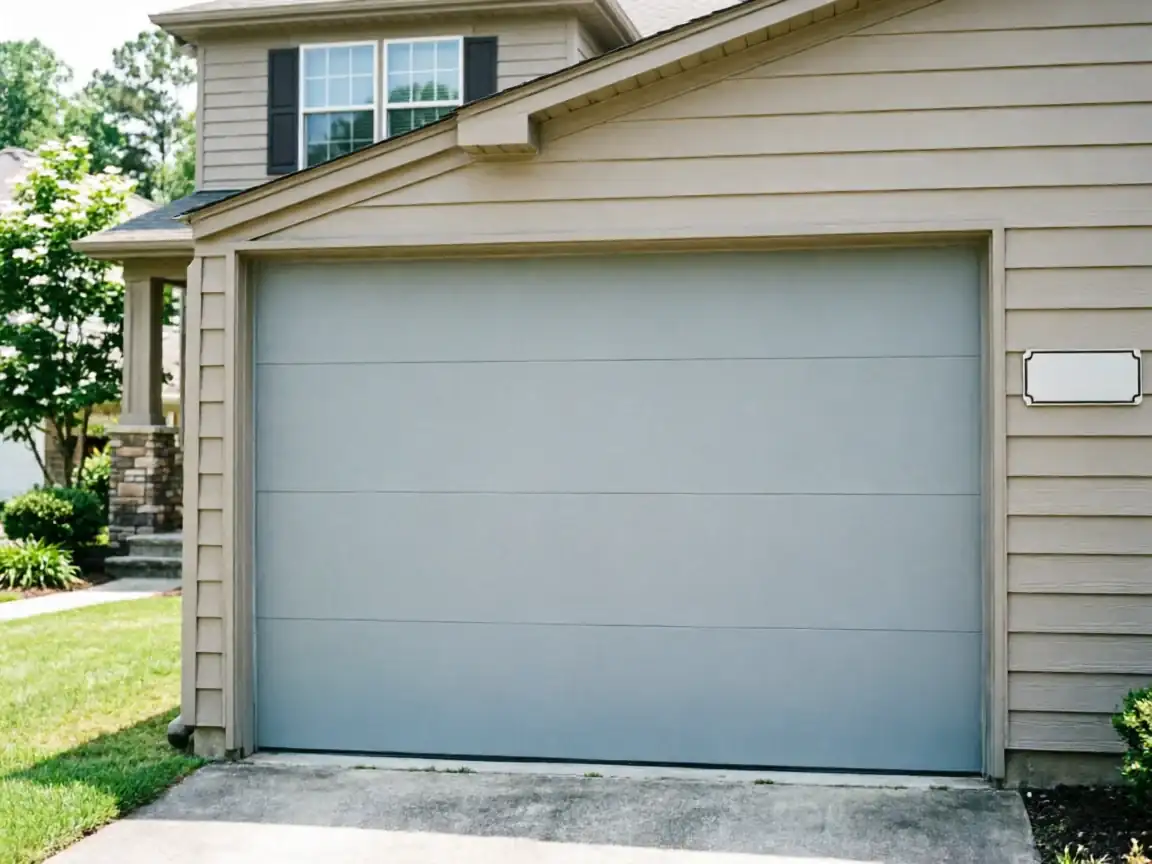
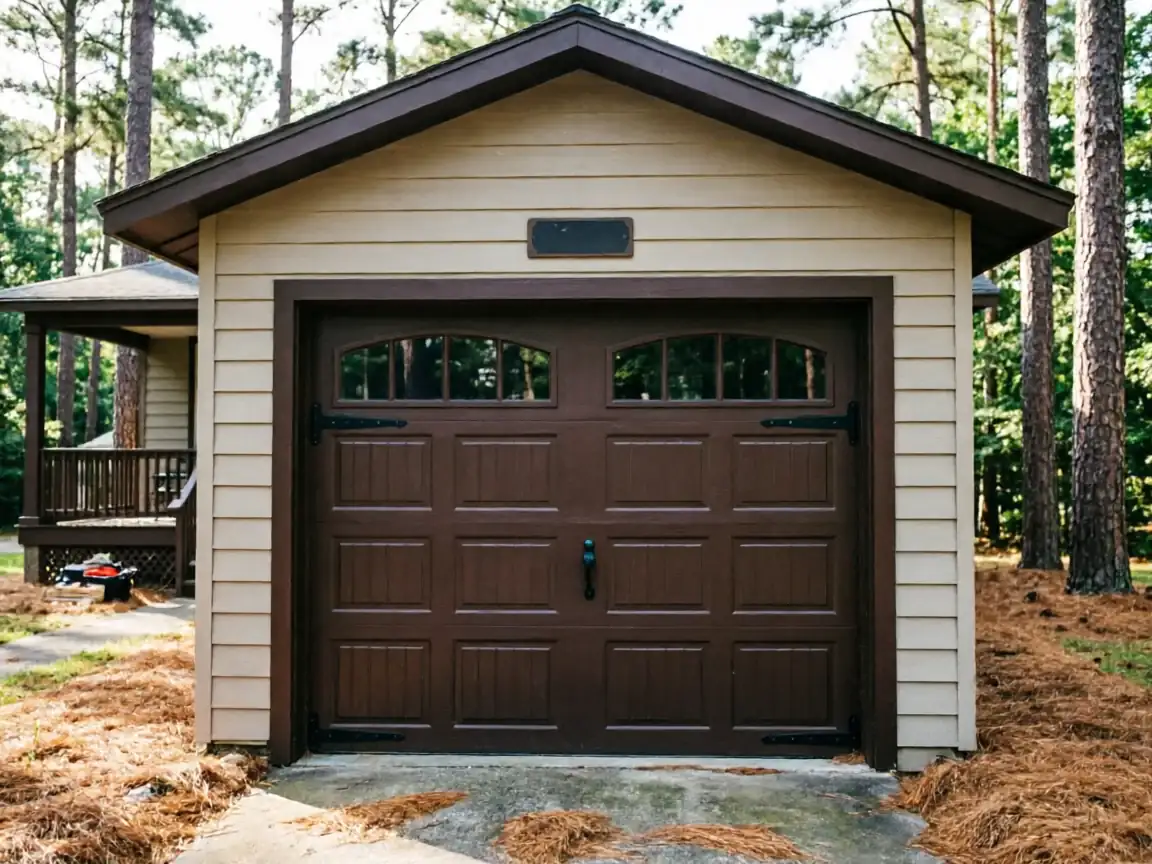
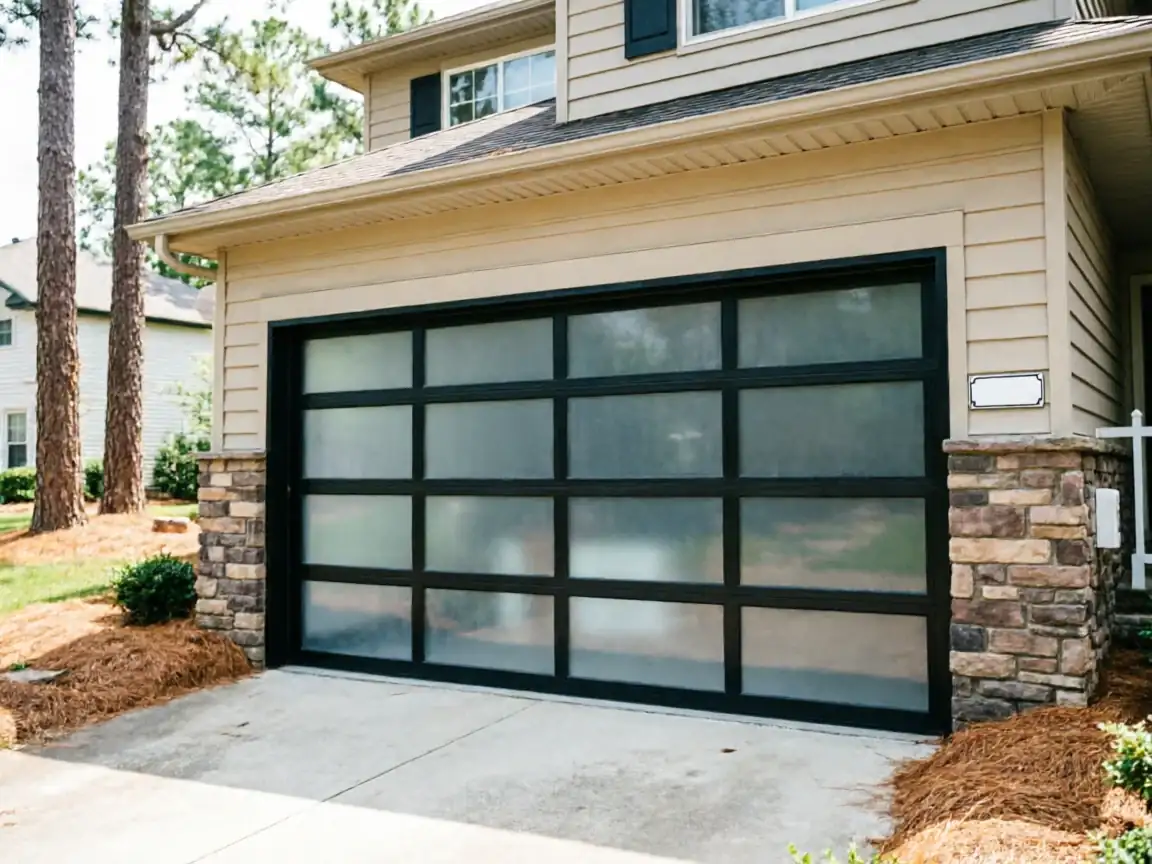
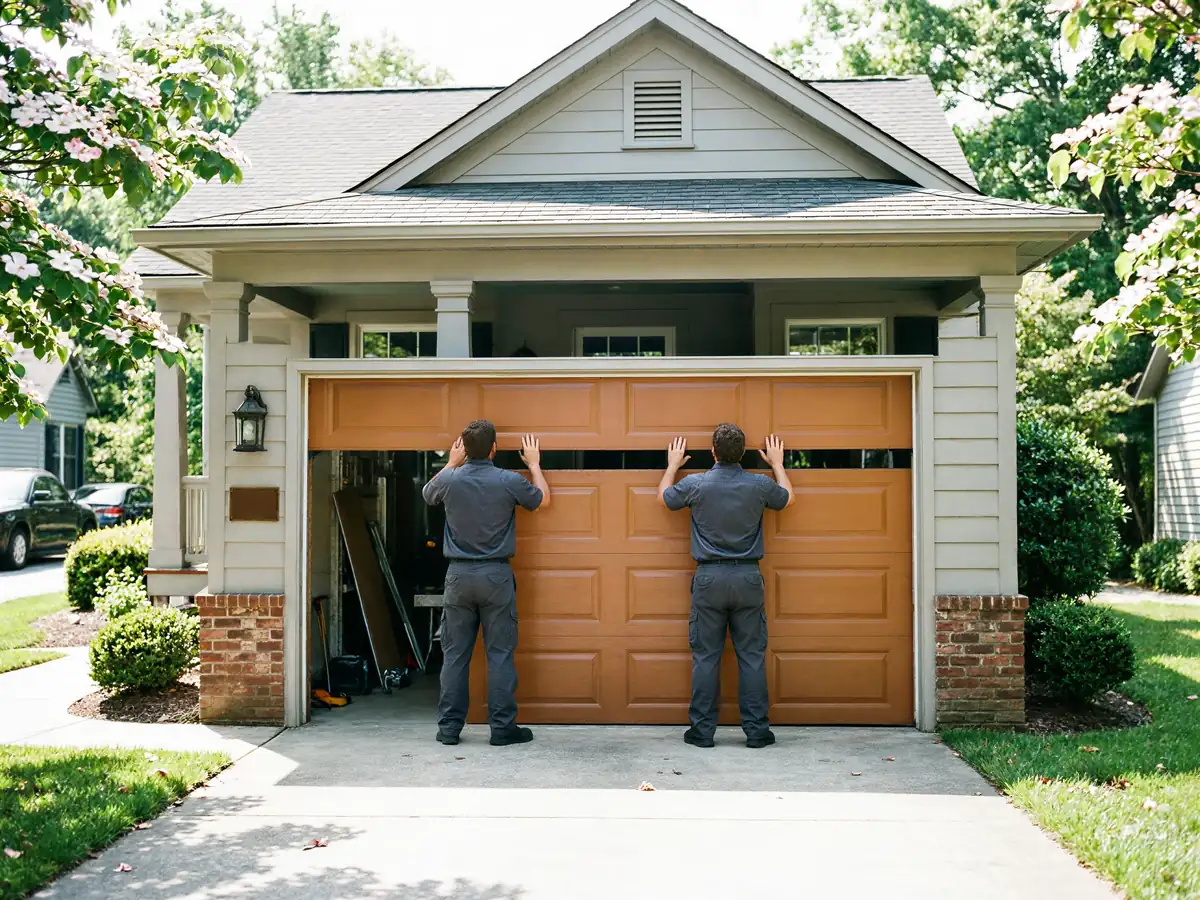
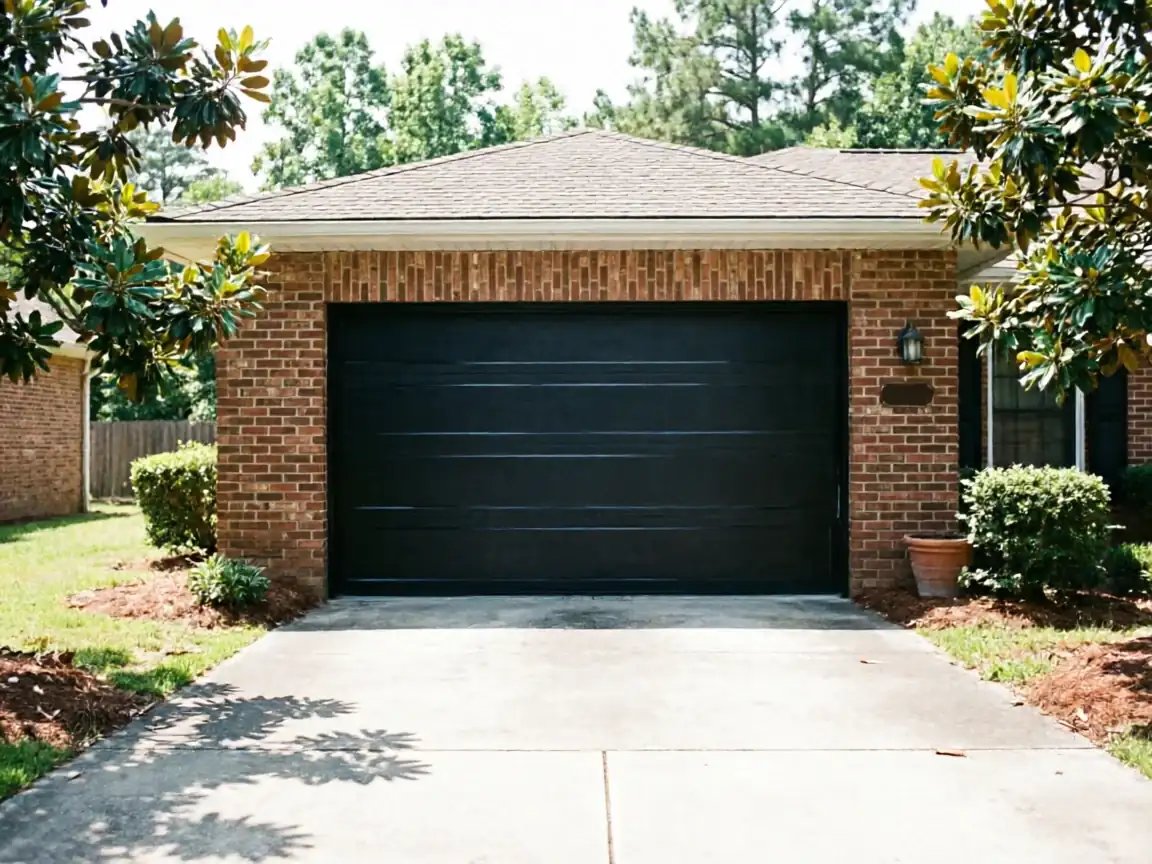
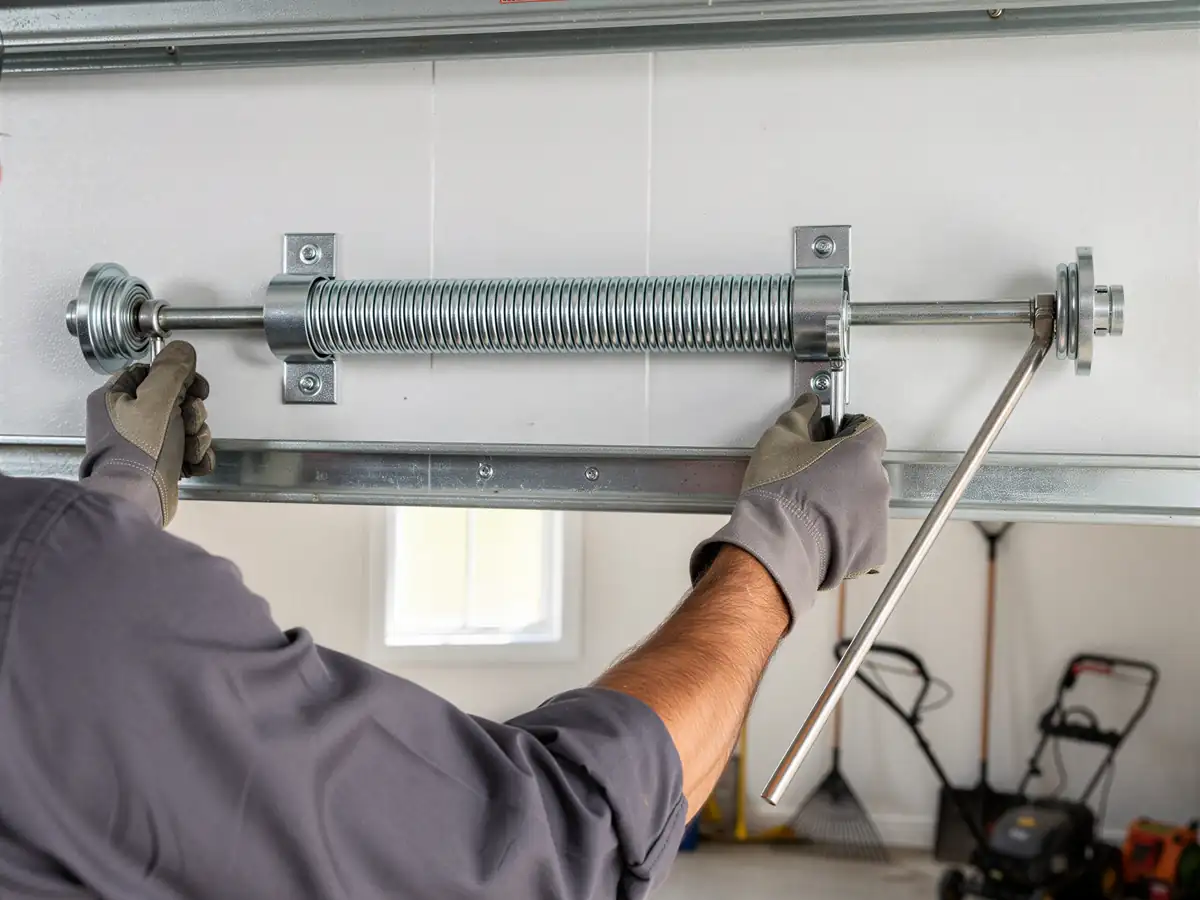
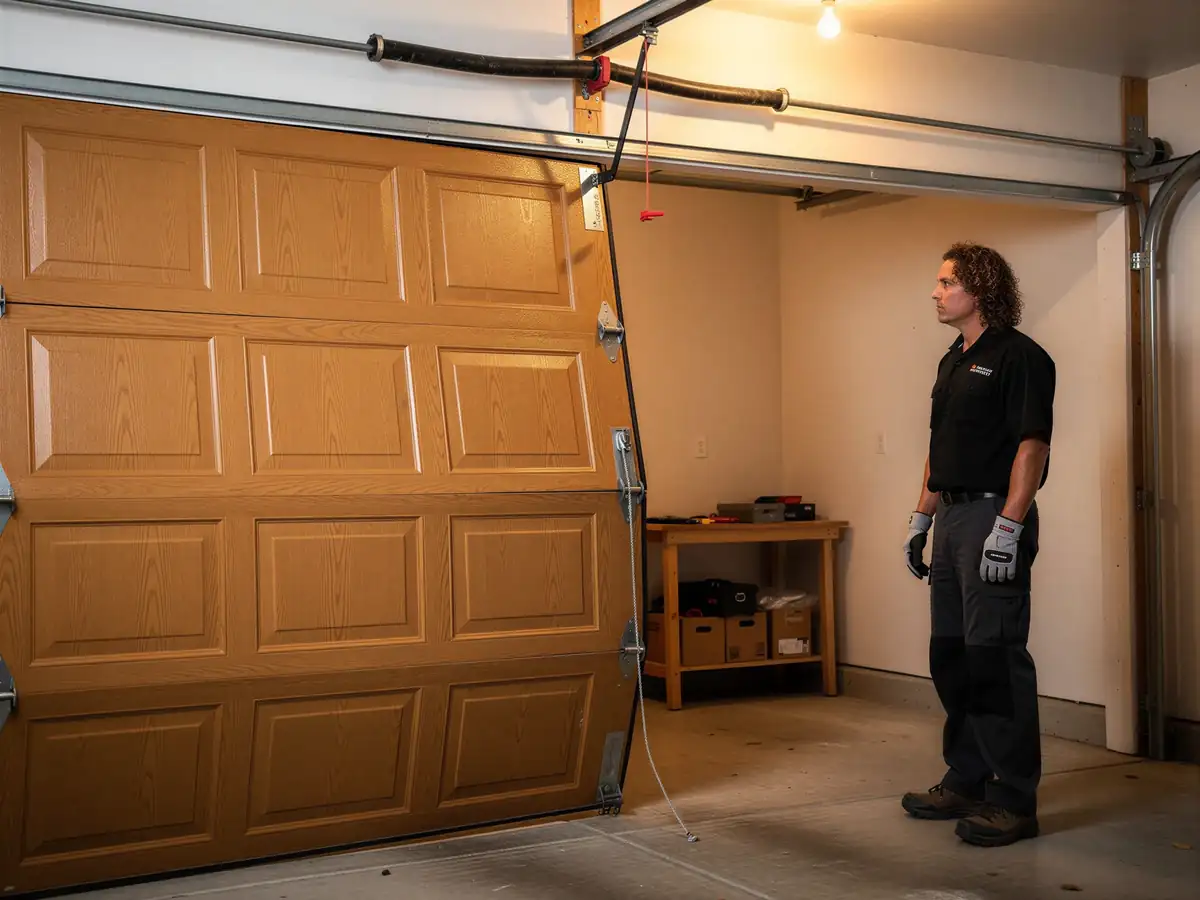
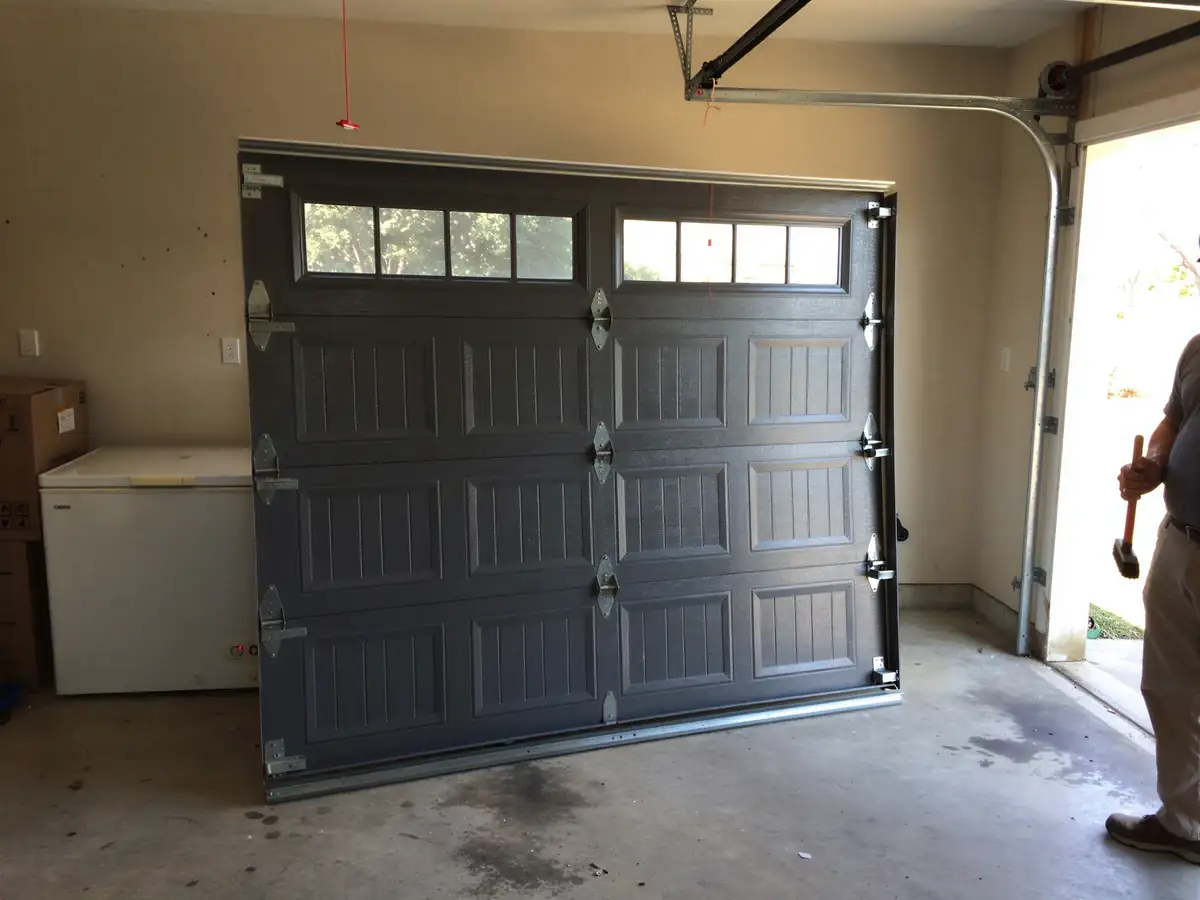
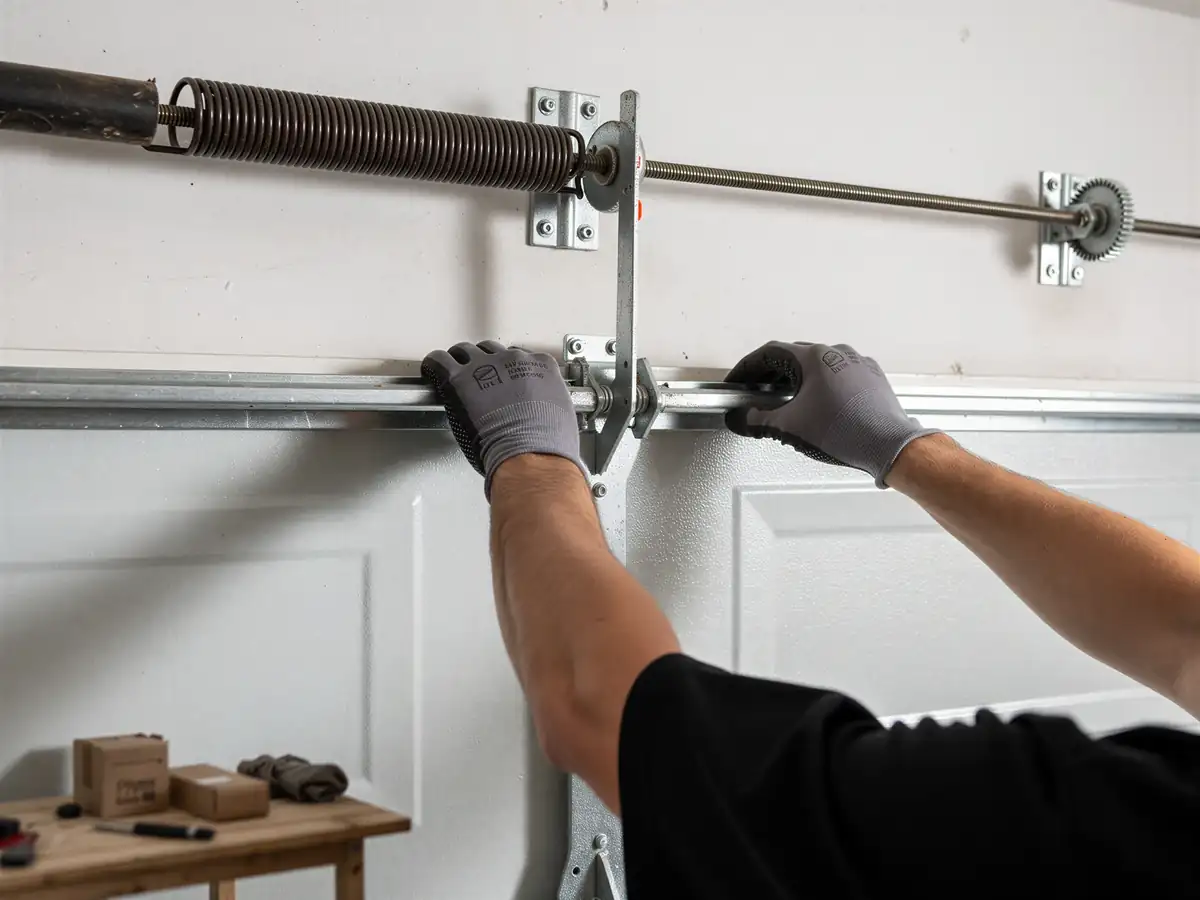
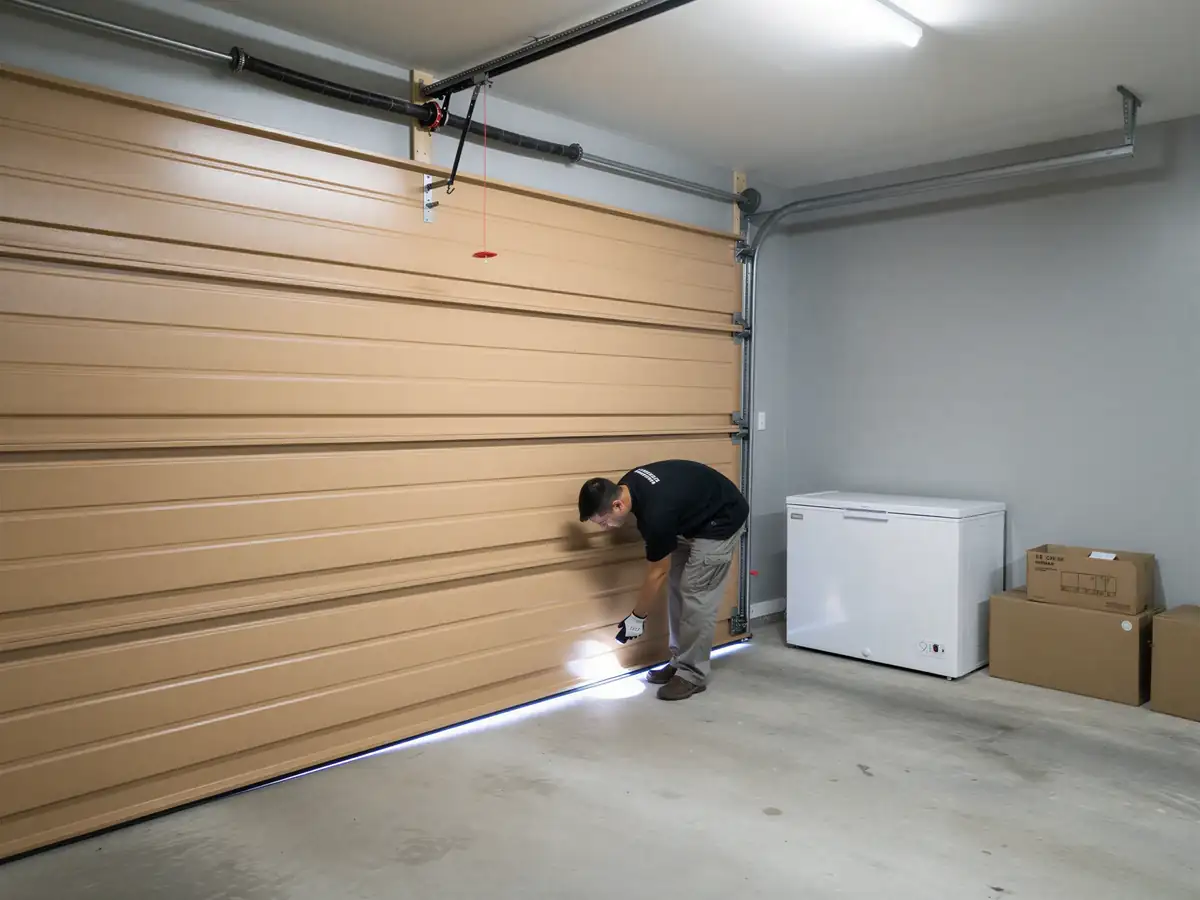
Which puts them square in the era when steel sectional doors with raised panels replaced the older flush wood styles. These are typically 16-by-7 double doors or 9-by-7 singles, hung on torsion springs mounted above the opening rather than the stretched extension springs you'd find on an older house. That matters because torsion hardware fails differently - the spring loses tension and the door gets heavy to lift by hand, long before a cable snaps or a panel dents.
The other failure we see on doors this age is the opener itself
A house built in 1999 likely got a chain-drive unit original to the build, and twenty-plus years of chain drive puts it well past its working life - worn gears, a logic board that's dropped a circuit, or a sensor housing that's cracked from sun and cold cycling. Add in this area's cold-moderate winters, which stress spring steel through repeated contraction, and you get a fairly predictable set of calls: a torsion spring that let go on a cold morning, or an opener that just stopped answering the wall switch. We diagnose which one it is before quoting anything.
Booking a Visit
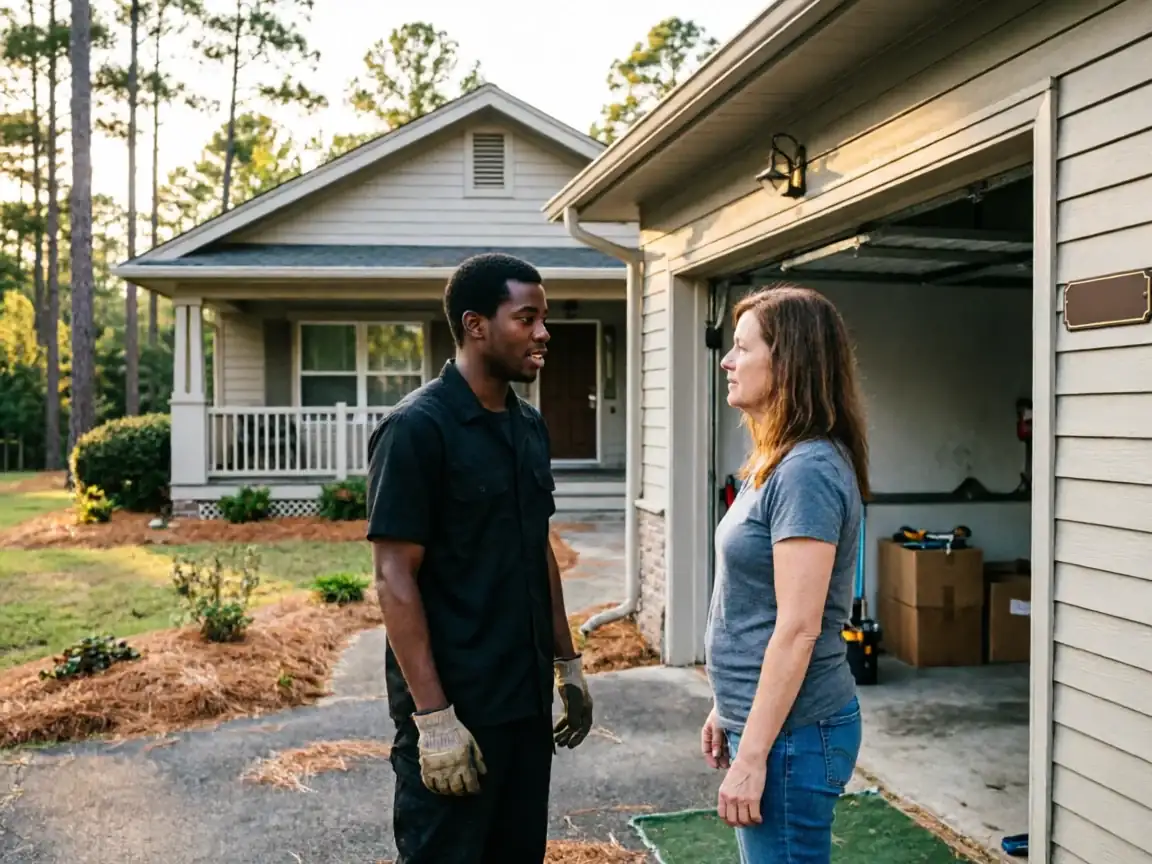
We cover Lake Norman of Catawba out of Cornelius, about 10 miles up the road, so a visit here gets scheduled as a drive-out rather than a drop-in. Tell us the door's size, whether it's single or double, and what it's doing - won't lift, makes noise, opener clicks but nothing moves - and we can usually tell you over the phone whether it sounds like a spring, a cable, or the opener before a truck ever leaves.
With median household income in this area running well above the wider service area's $76,158 figure, we see more owners asking for full opener upgrades rather than patch repairs once a unit's original parts start failing - that's a conversation we're glad to have, but we'll always tell you straight if a repair is the cheaper and sound option first.
Time on the Job
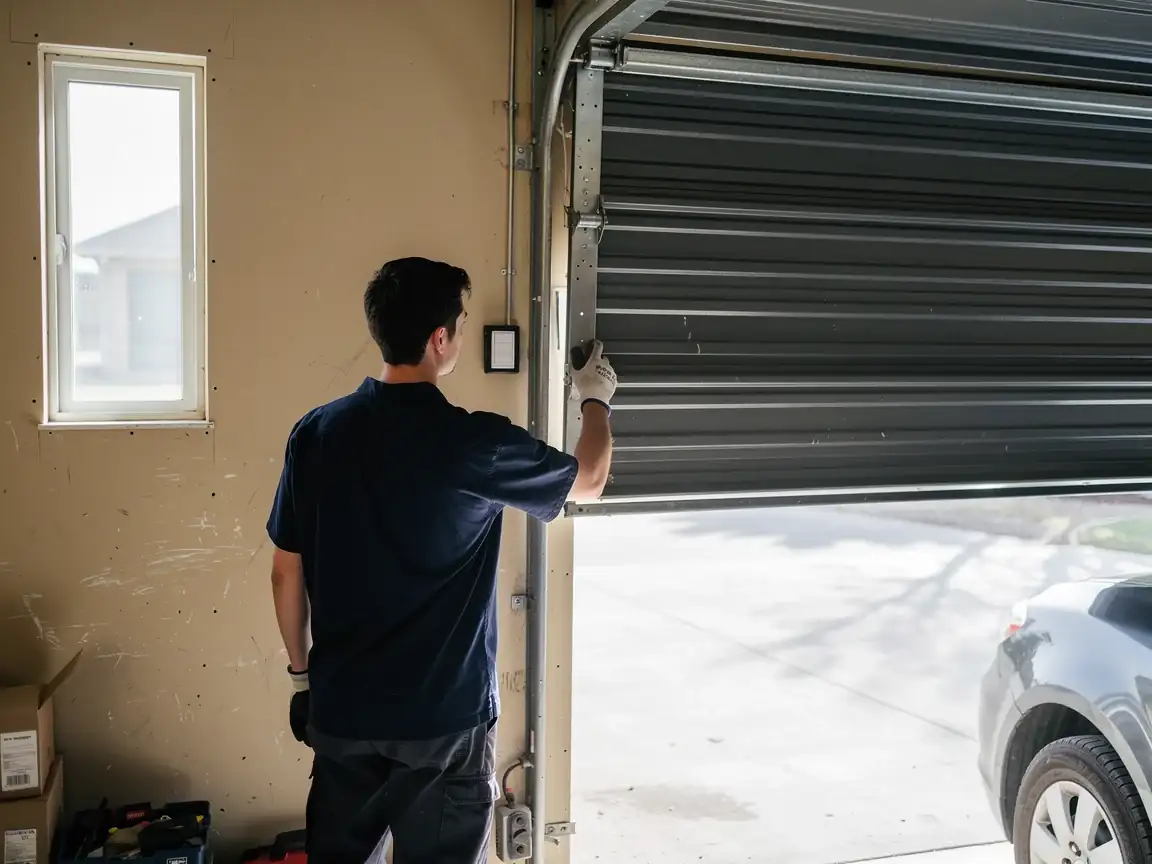
A torsion spring swap on a standard double door, the kind common to the 1999-era houses out here, is usually a same-visit job once we've confirmed the spring size and the door still has sound tracks and rollers underneath it. Opener replacements take longer, mostly because we're also checking the safety sensors and the wall console that came with a build this old - those parts don't always match current code and sometimes need swapping along with the motor unit.
What takes longer than the repair itself is diagnosis when a door's been limping along for a while. A spring that failed slowly, rather than snapping, often means a cable or roller has already taken extra wear we need to check before closing the job out.
What Is on the Truck
We stock torsion springs sized for the door widths common to this housing stock
16-foot and 9-foot double and single doors - plus standard-gauge lift cables and galvanized rollers to match. Steel panel sections for raised-panel doors from the late 90s and early 2000s are usually available, though exact panel color match can take a special order if the original run isn't still in production; that's the one limitation we're upfront about before we start.
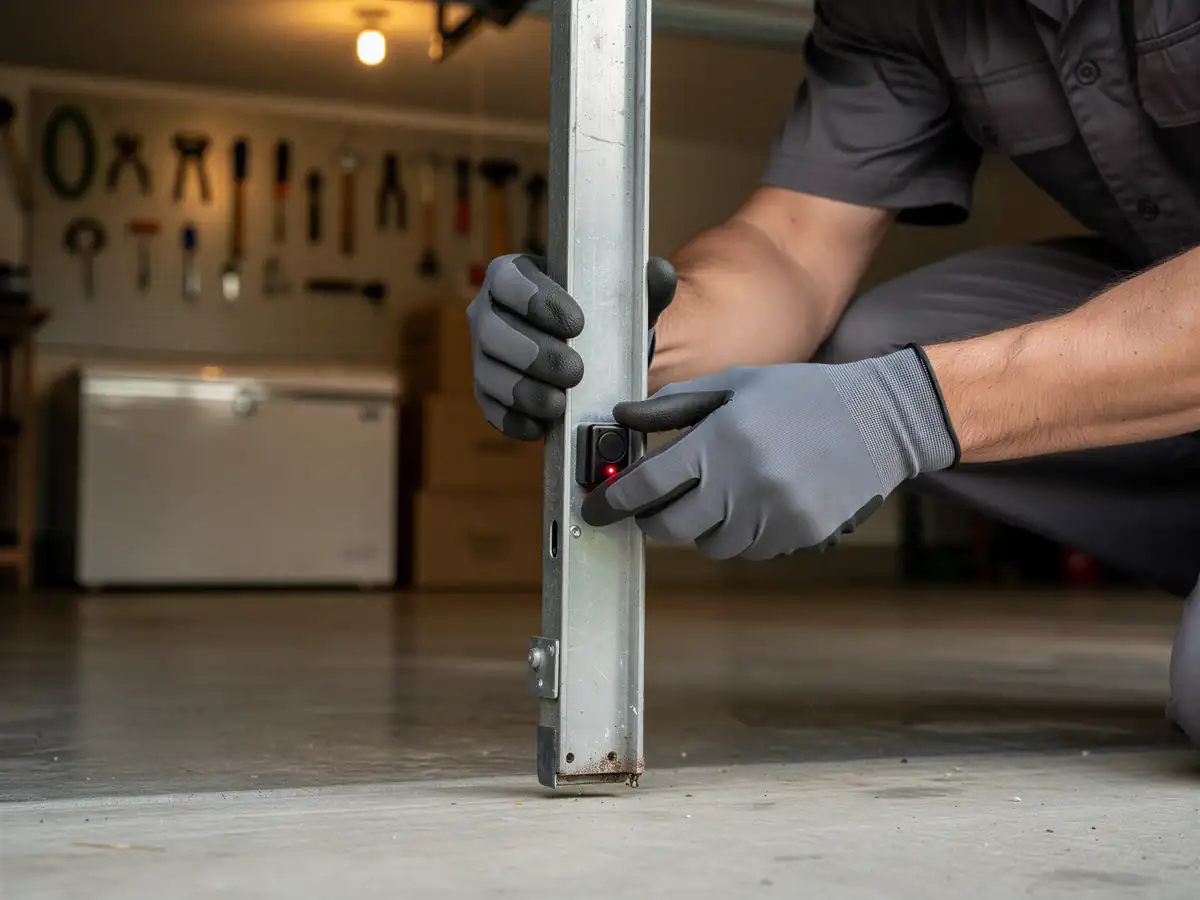
For openers, we carry chain and belt-drive units and the current safety sensor hardware
Since original sensors from a 1999 install don't meet today's spec and get replaced as a pair, not individually.
Can You Do This Yourself
Tightening a loose track bracket or replacing weatherstripping along the bottom panel is reasonable DIY work on a door this age. A torsion spring is not - the spring on a 16-foot double door built to this era's specs holds enough stored tension to cause a serious injury if it's wound or released without the right bars and a winding cone that matches the shaft. If the opener's logic board has failed outright, swapping the unit is more involved than hardware-store instructions suggest, mostly because of how the original wiring and sensor placement was done on a house this age. When in doubt, call before you start pulling panels.