What the Fix Involves
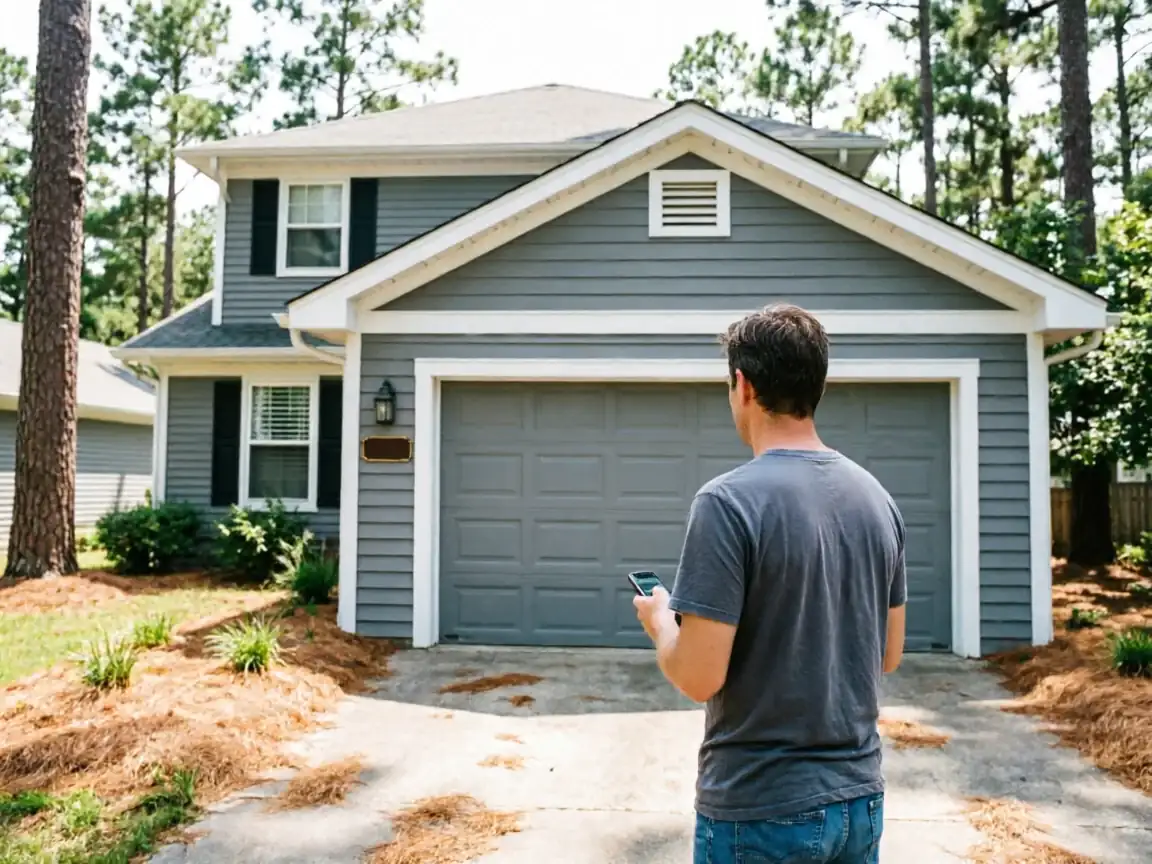
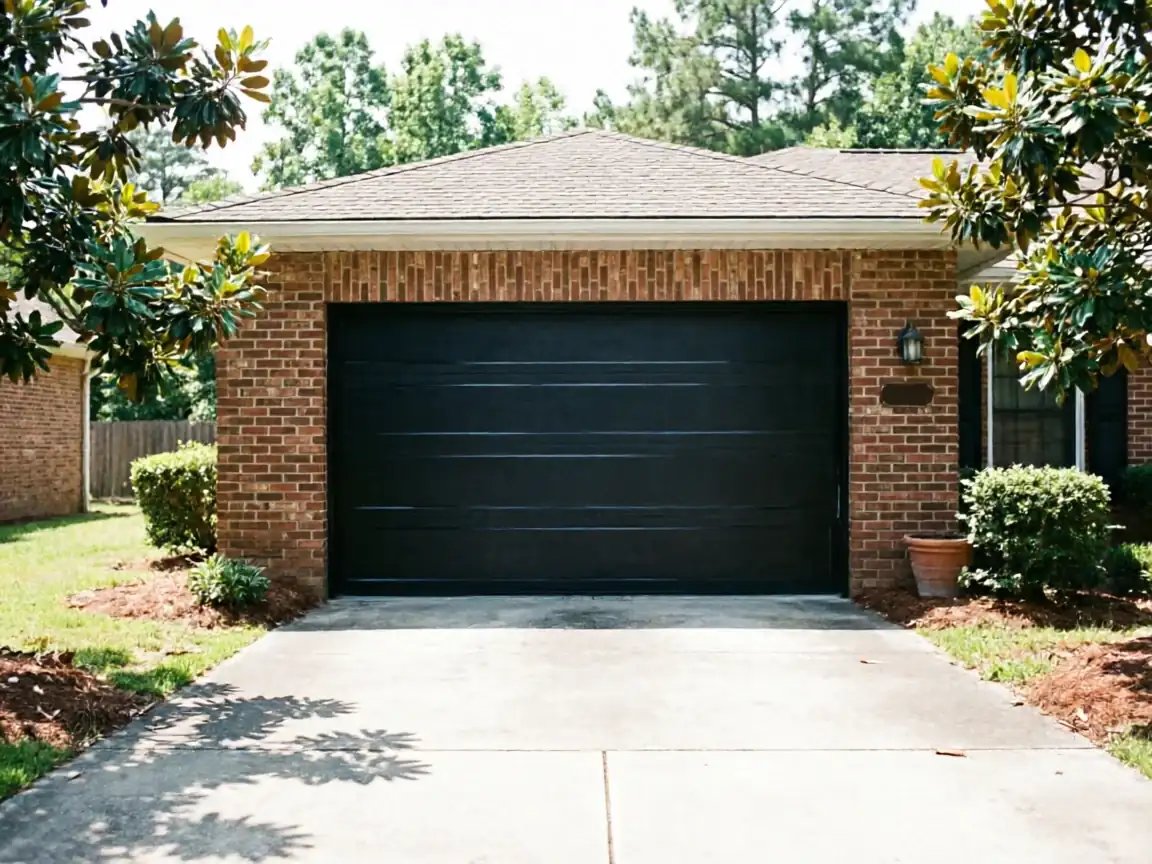
Homes around Lake Norman of Catawba cluster around a median build year of 1999
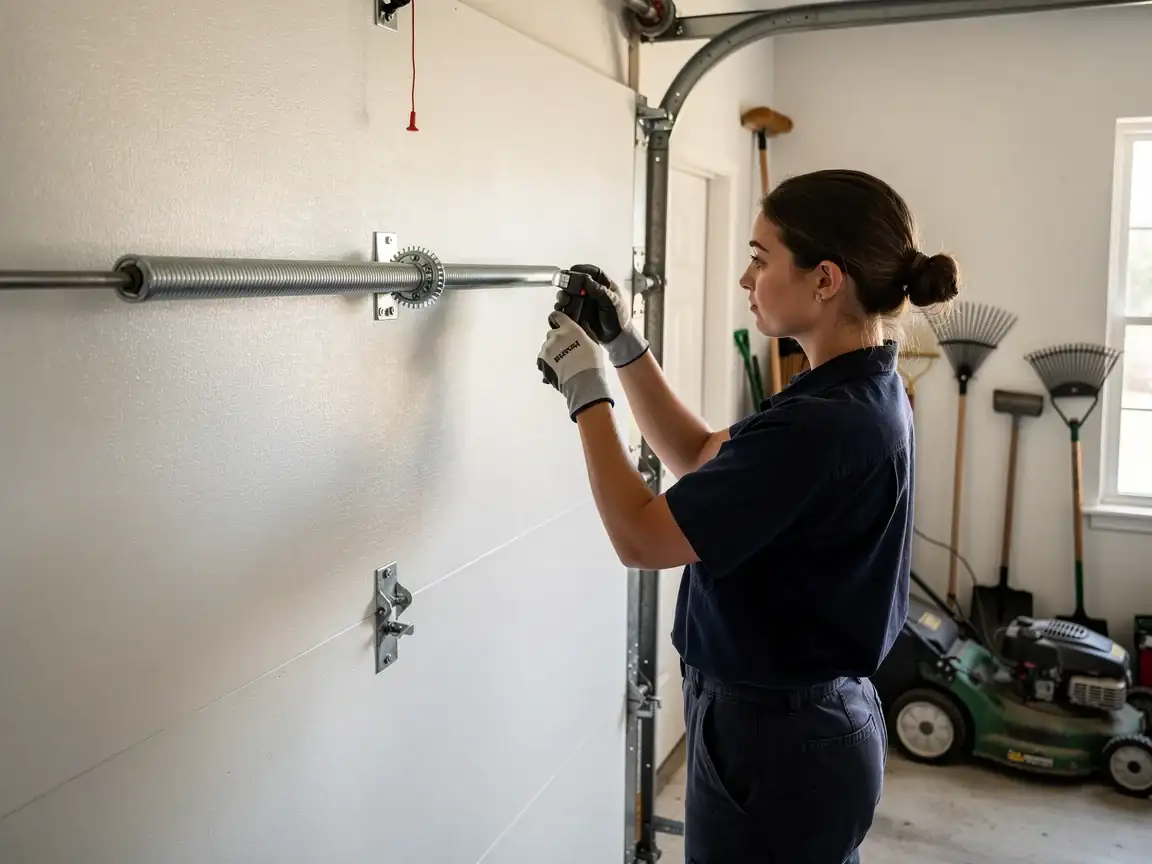
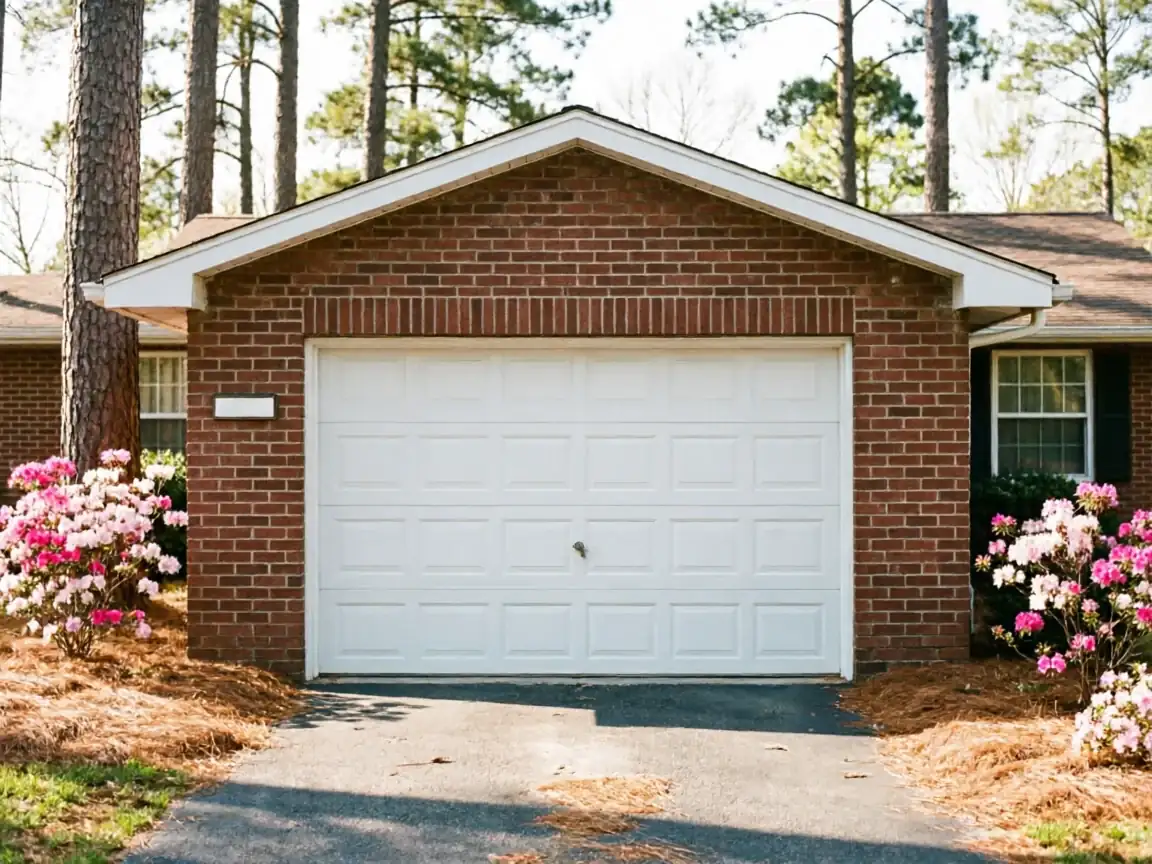
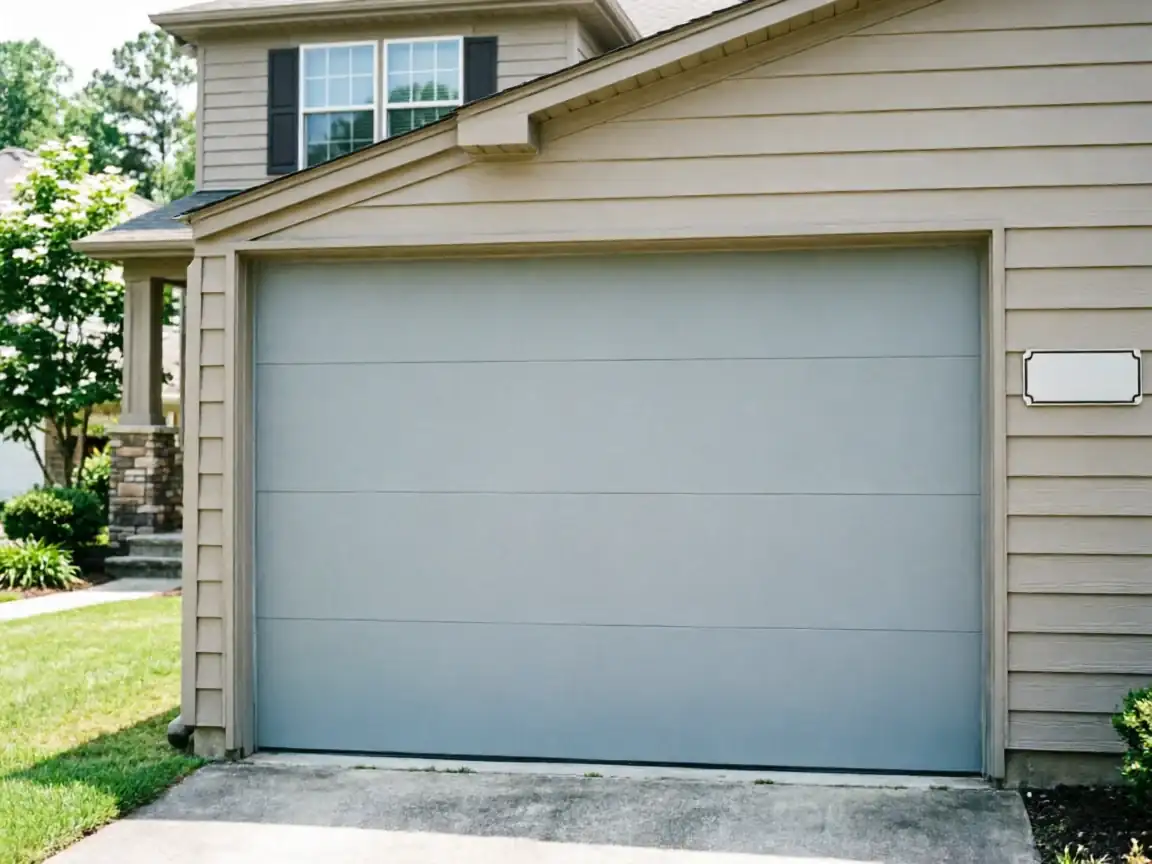
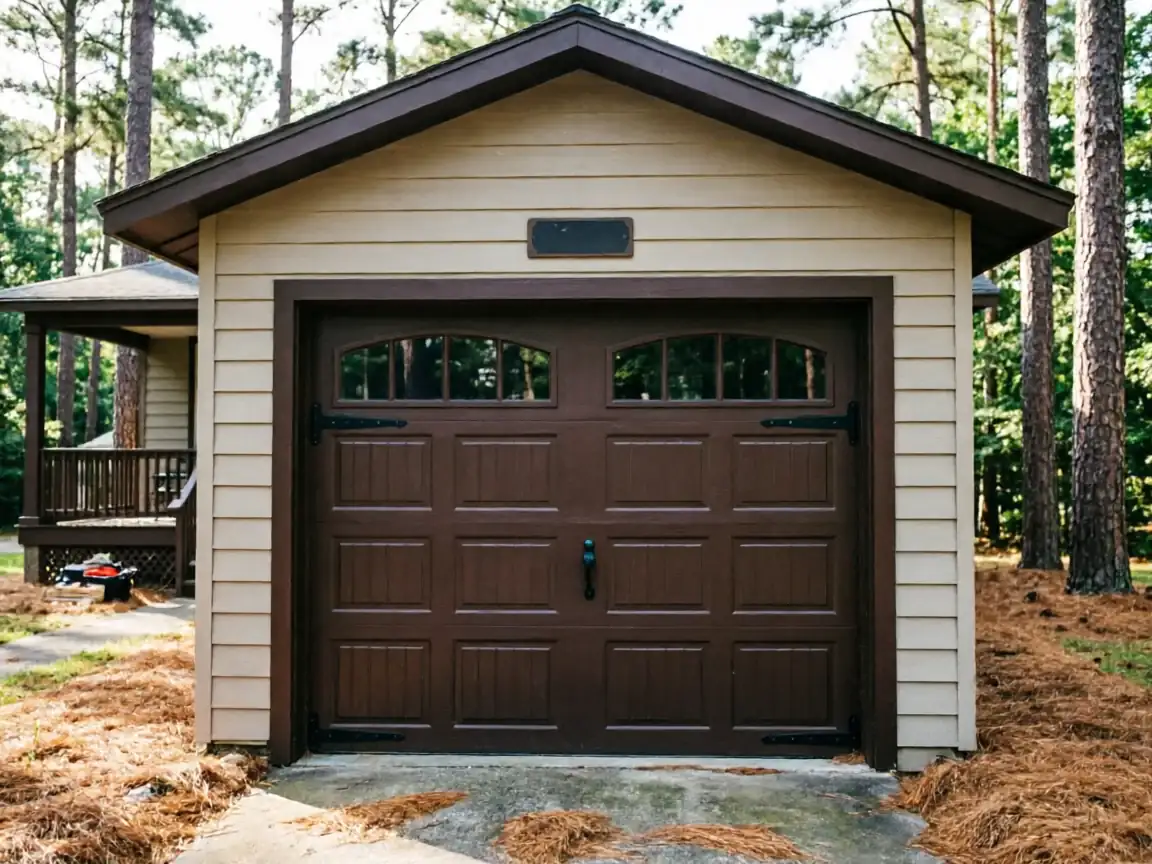
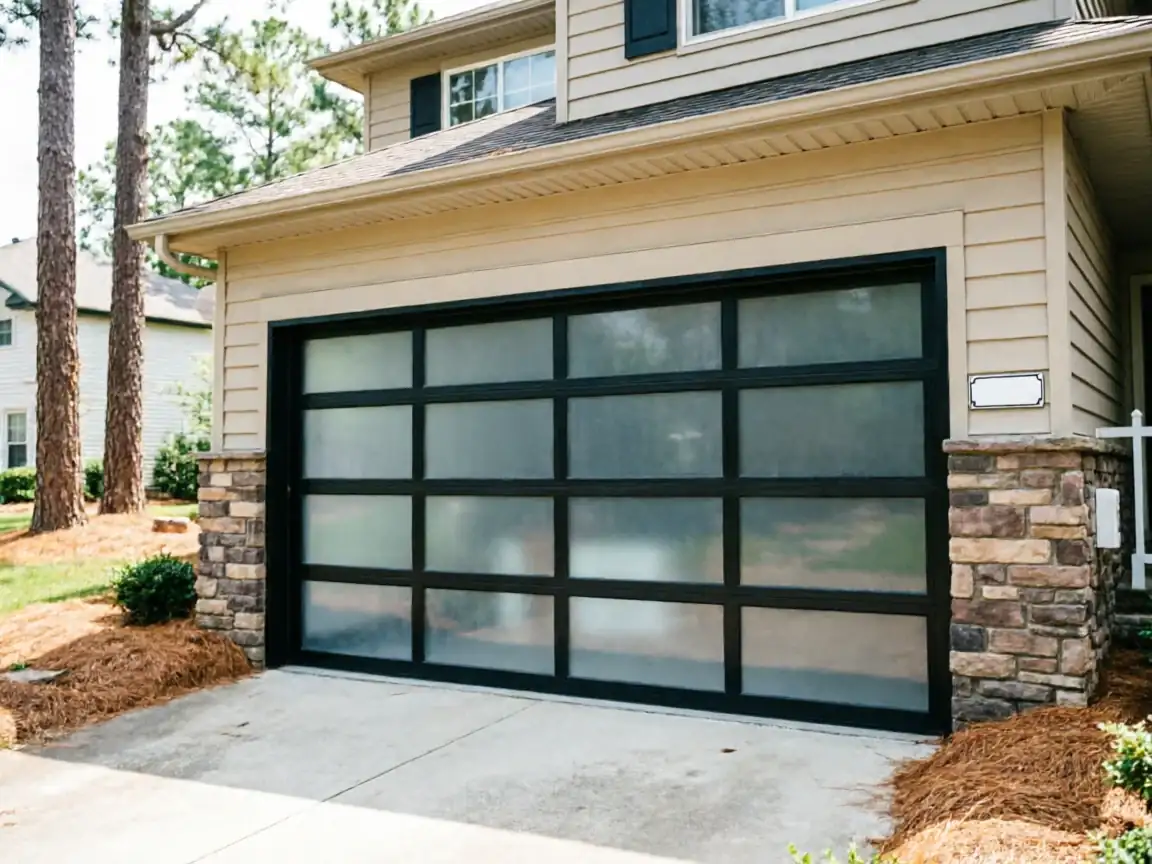
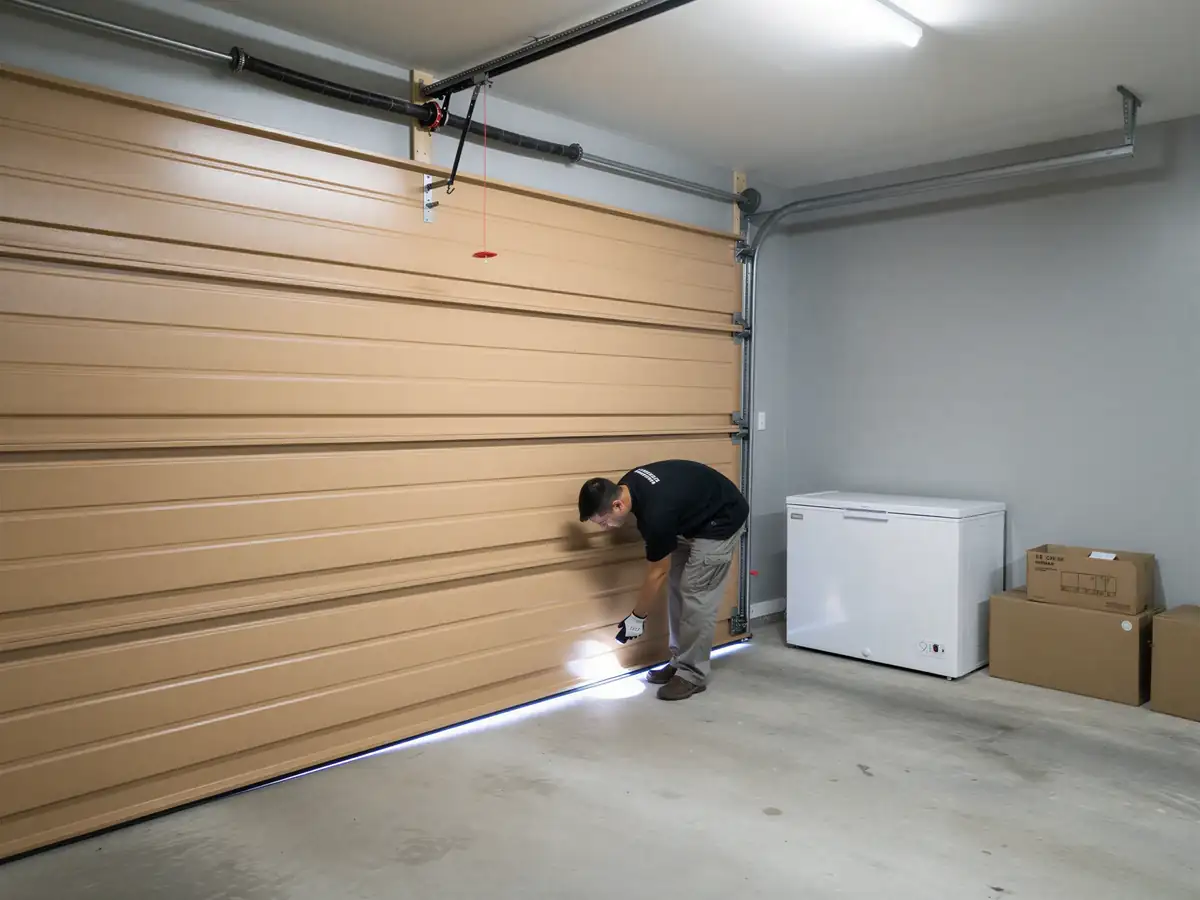
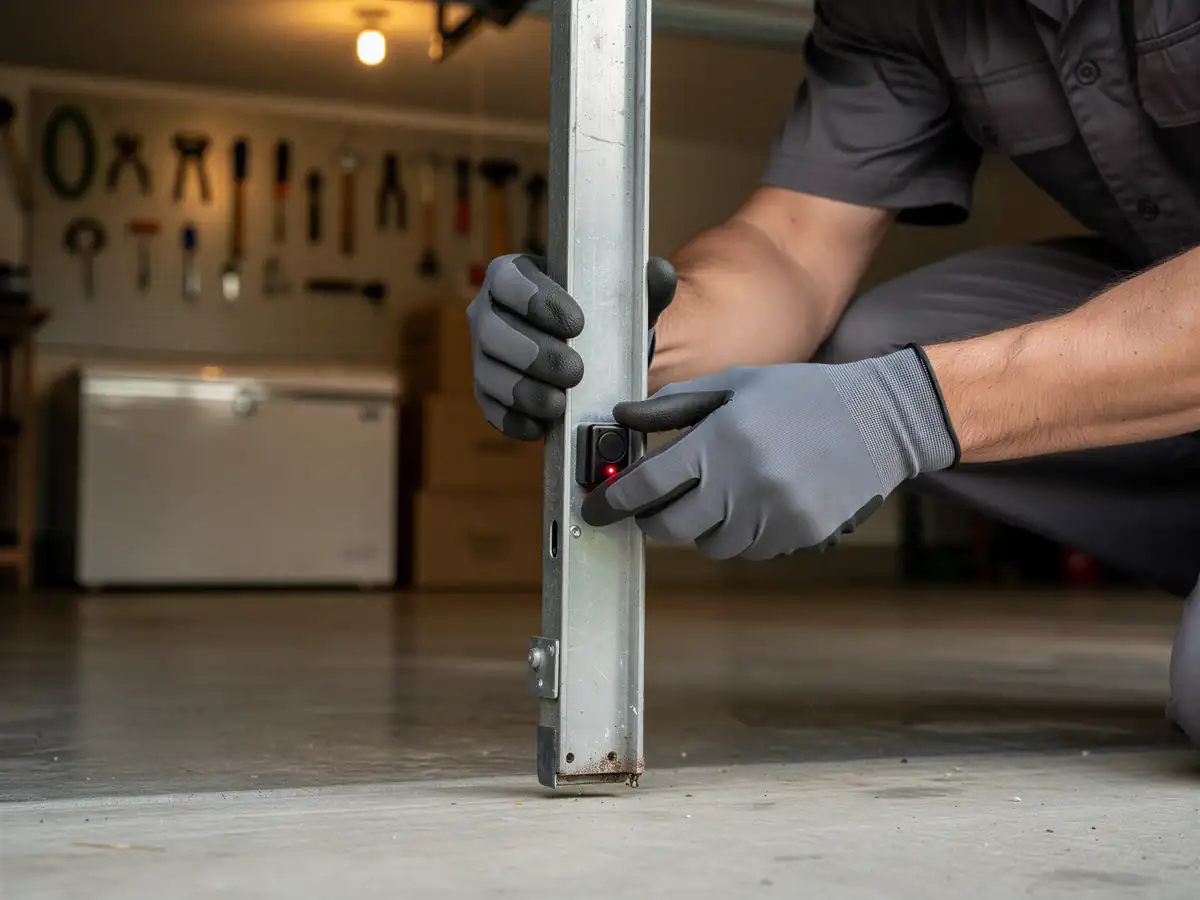
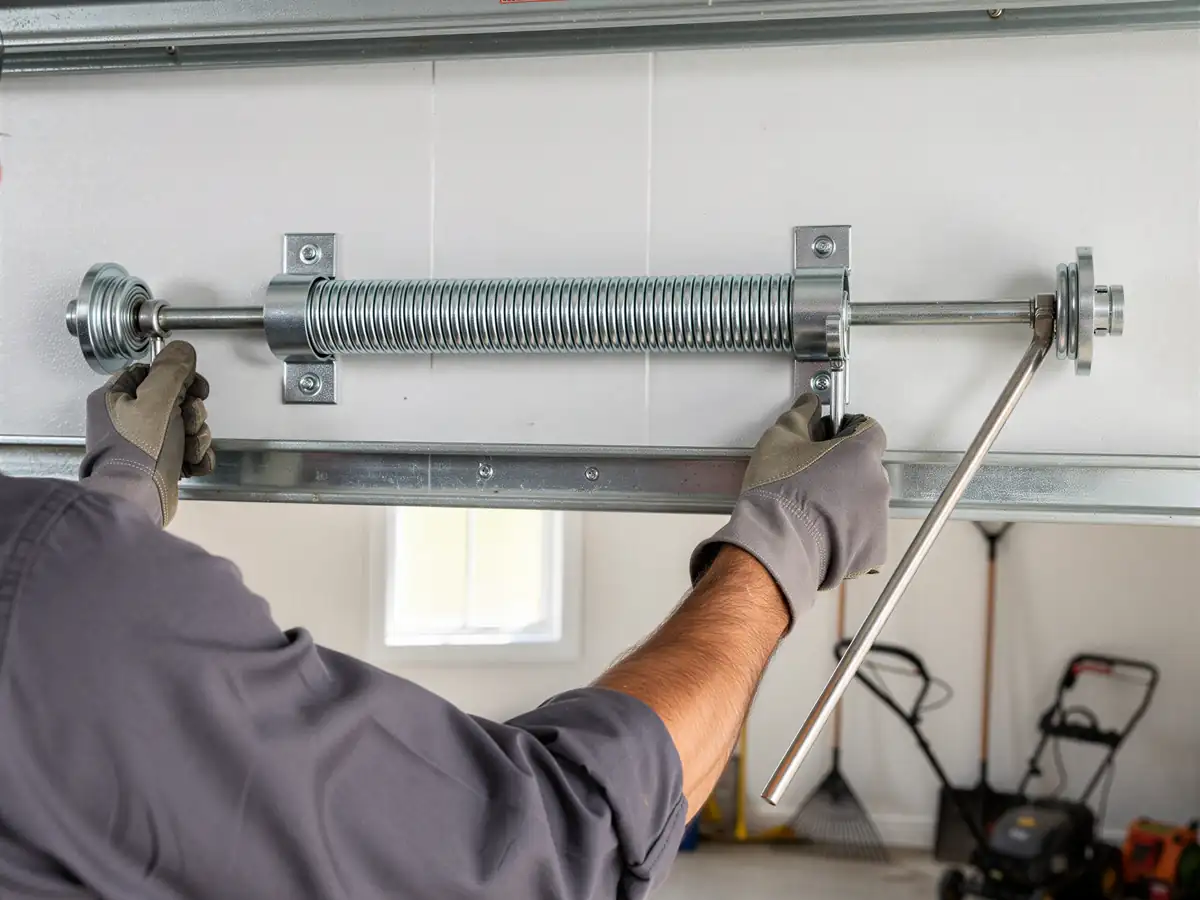
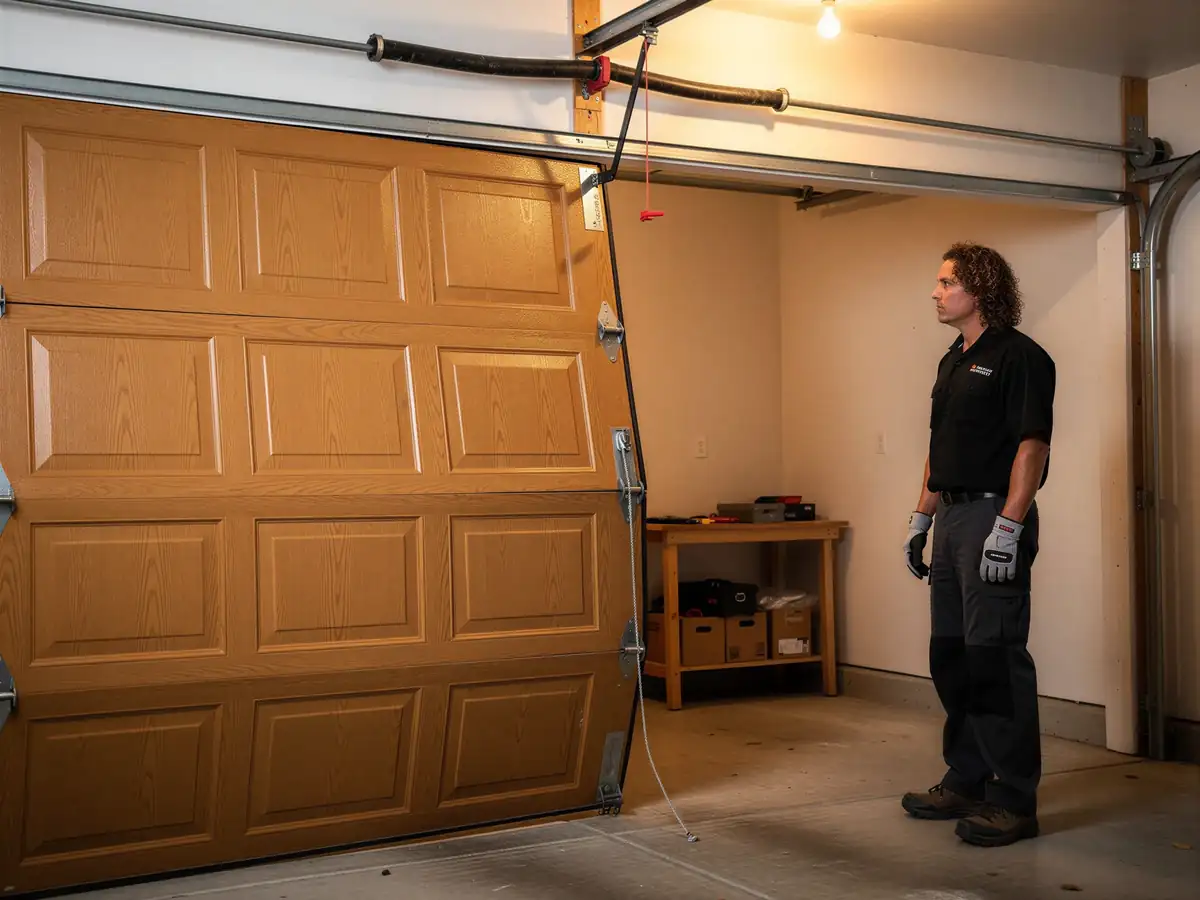
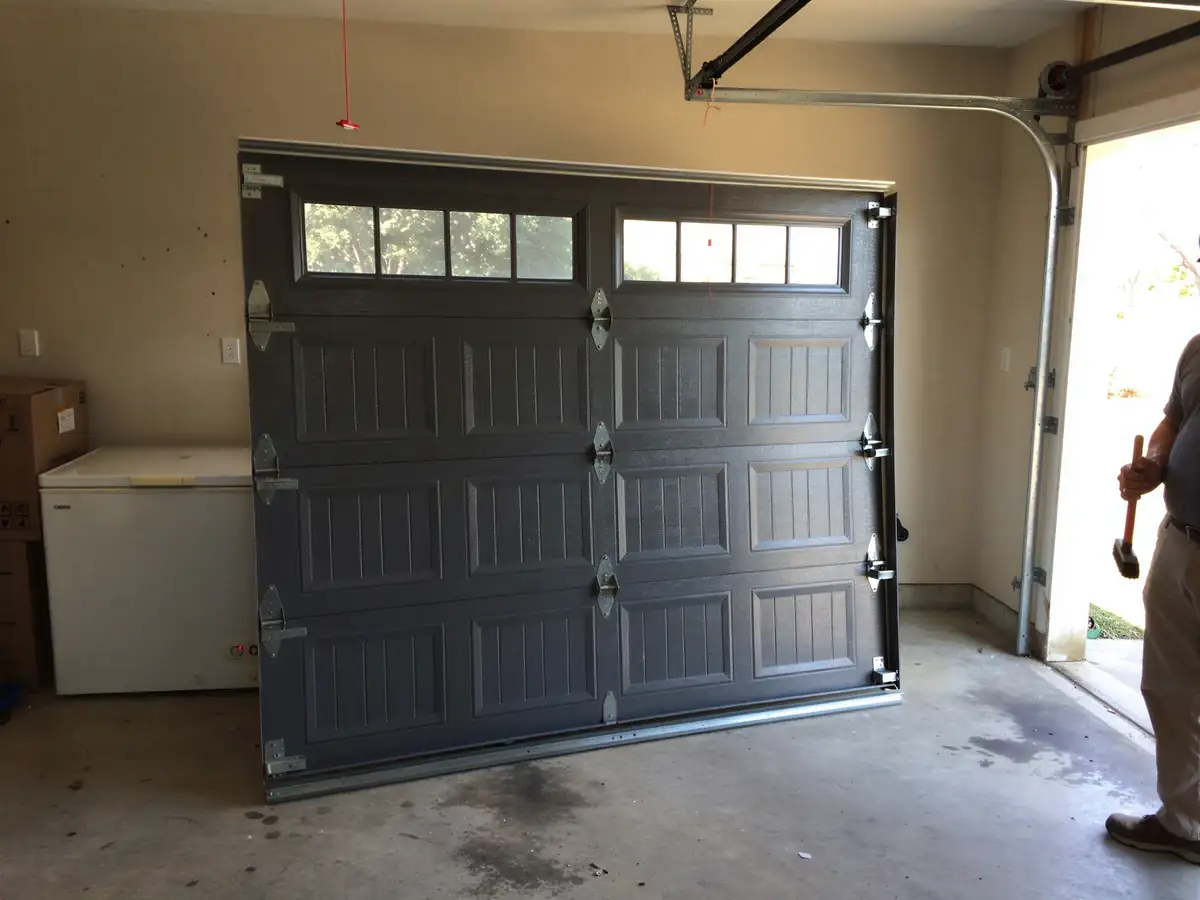
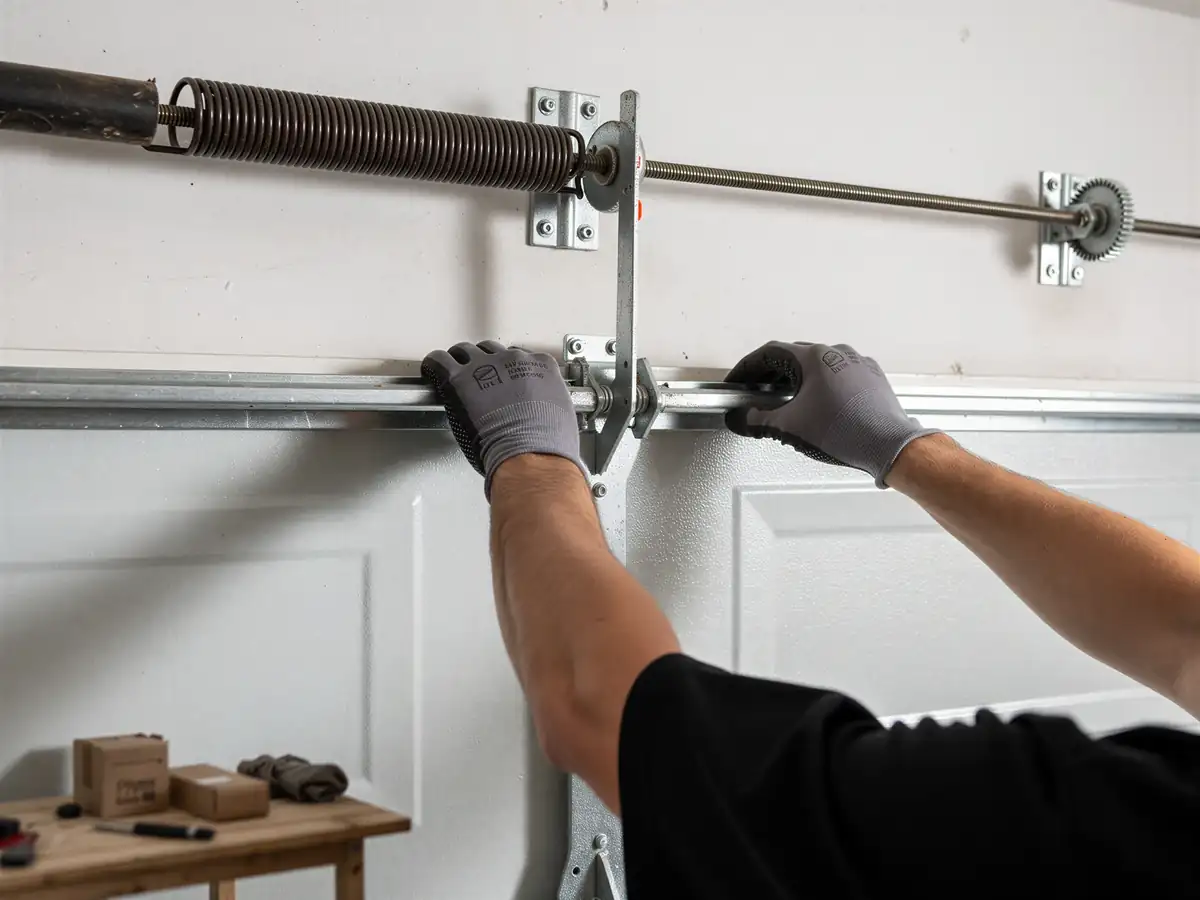
Which puts most garage doors squarely in the steel sectional era - roll-formed panels, nylon rollers, and either extension springs over the horizontal track or a single torsion shaft centered above the door. That's a different animal from the wood-panel, side-mounted hardware you'd find on a house built before the 1960s. By 1999 most builders in this part of the Carolinas had standardized on torsion springs rated for a 7-foot door and a 1/3 or 1/2 horsepower chain-drive opener, so when a spring lets go here, it's almost always a standard torsion coil we can match from stock rather than a discontinued extension-spring kit. The fault we see most in this housing stock is a cracked bottom panel from moisture at the weather seal, or a worn torsion spring that's done its 10,000-cycle life and is ready to snap. We also check the end bearing plate, since 20-plus-year-old brackets on original installs often have enough surface rust to bind the shaft before the spring ever fails.
One limit worth saying plainly
If the opener is an original builder-grade unit from that era, parts for it are getting hard to source, and sometimes a full opener swap costs less than chasing a discontinued logic board.
Booking a Visit
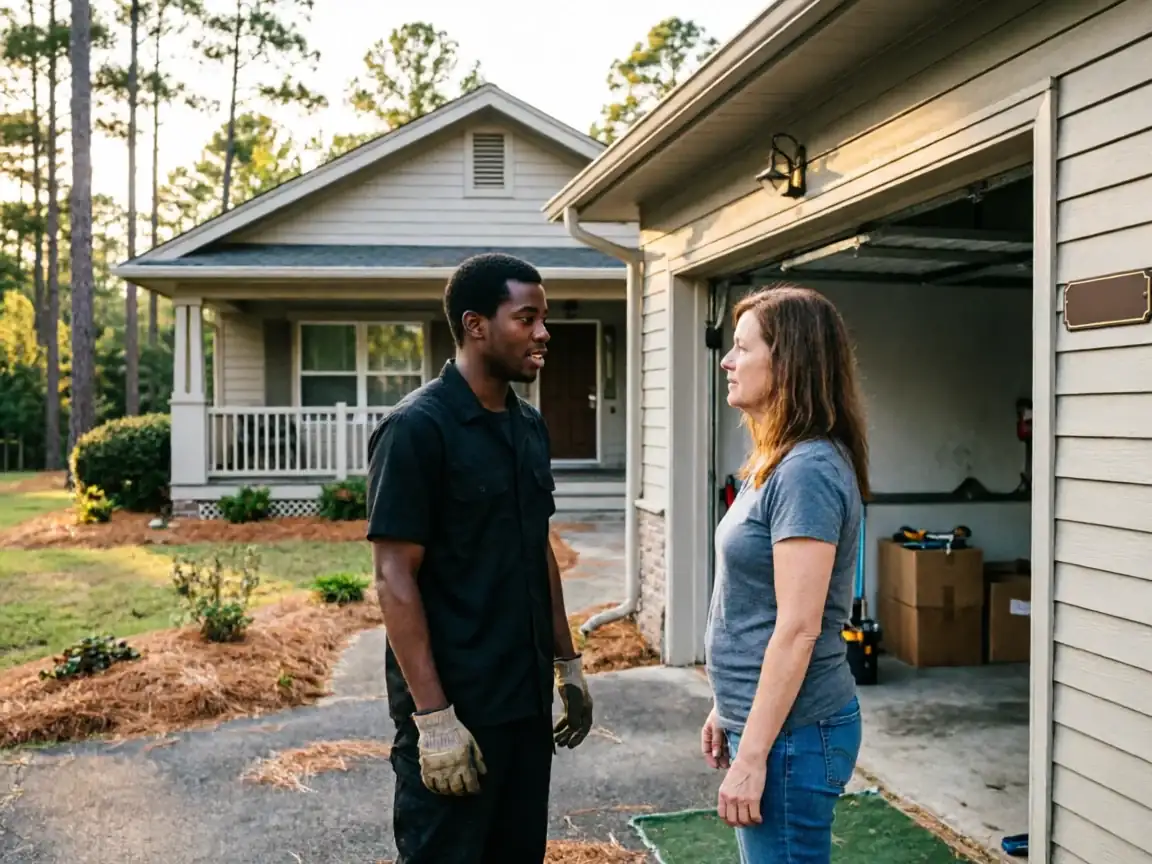
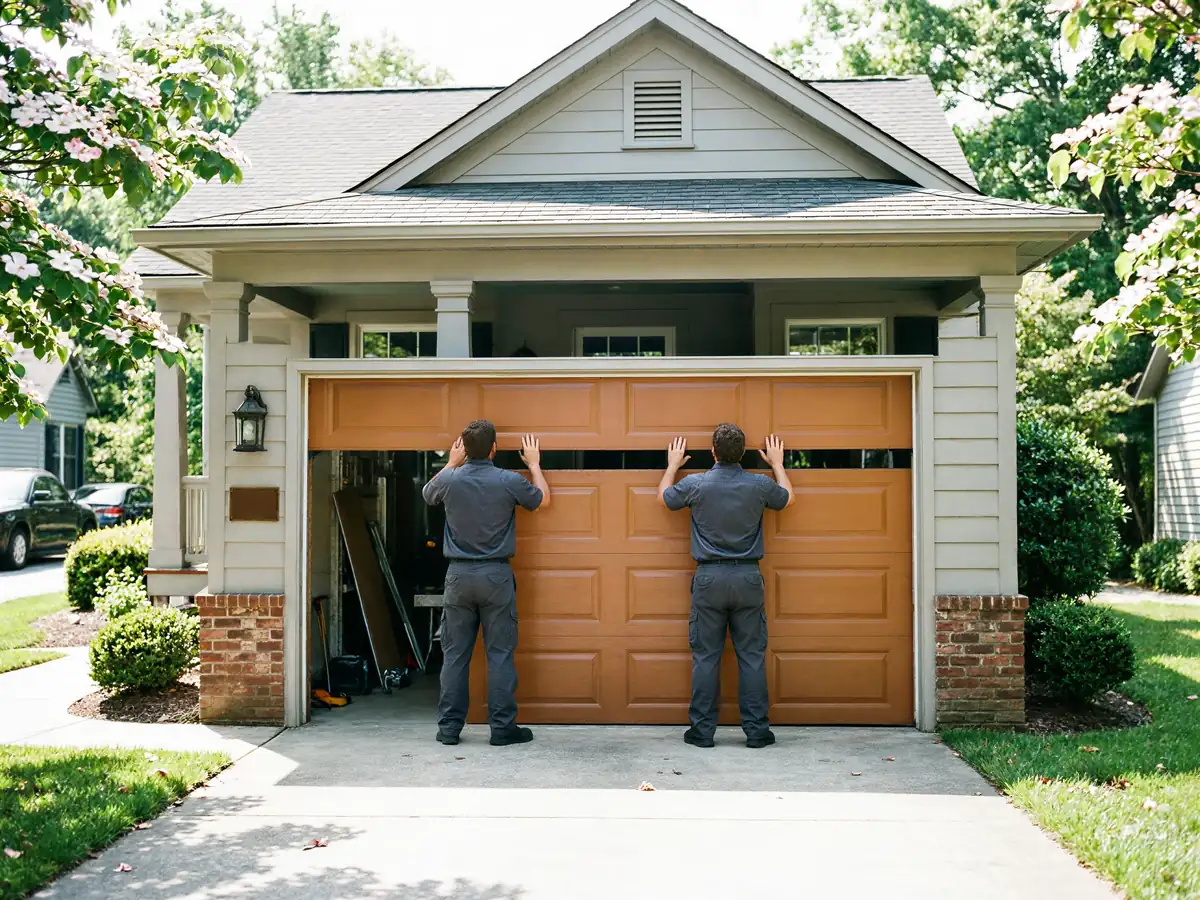
We run this call out of Cornelius, about 10 miles from Lake Norman of Catawba, so we ask a few things up front to load the truck right the first trip - door width, whether it's a single torsion spring or two, and roughly how old the opener is. With a median household income of $106,836 in this area, we find most owners here go straight for the fix that holds up rather than the cheapest patch, so we quote both the repair and the full picture (spring, cables, rollers) if the hardware's all from the same install year. Mornings tend to book out first since a stuck door usually means someone can't get to work, but afternoon slots open up as the day goes.
Time on the Job
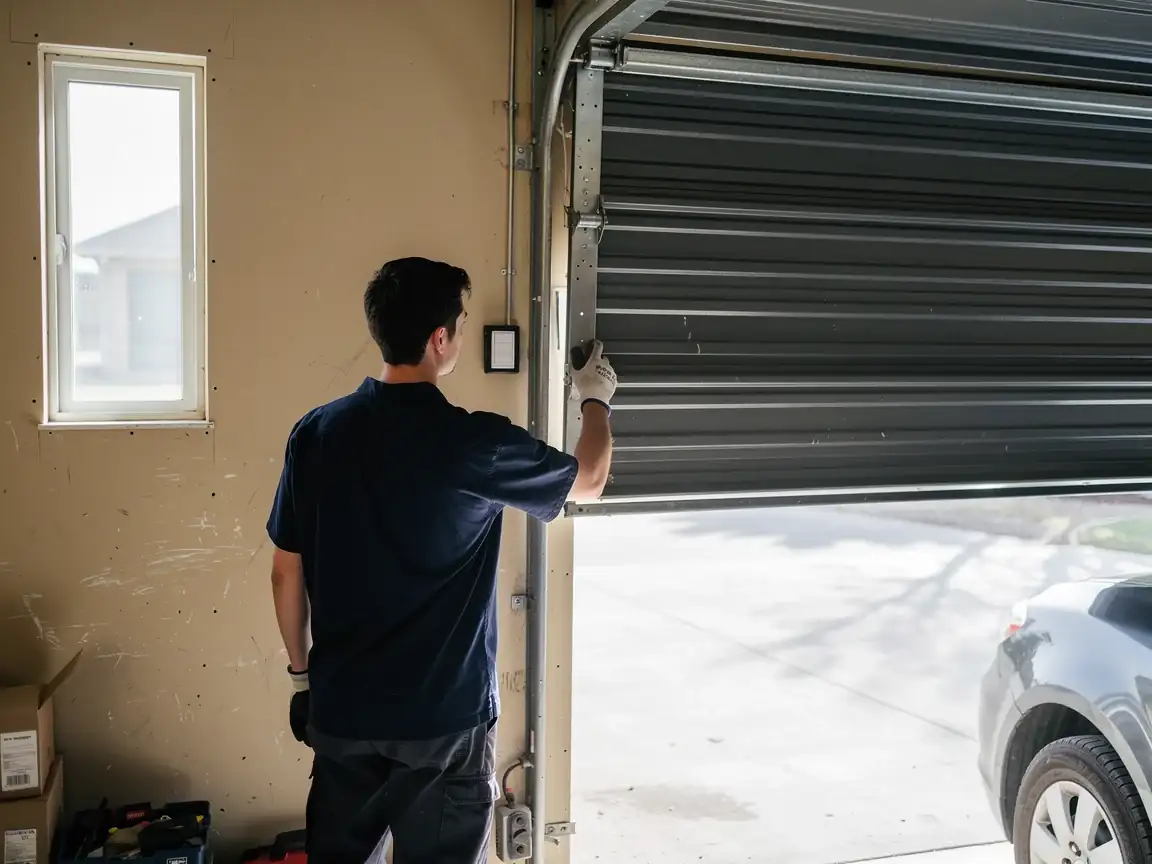
A straightforward torsion spring swap on a door from this era - standard 7-foot height, single spring, no rust-frozen bearing - runs about 45 minutes to an hour once the truck's parked. Add a second spring or a full cable-and-roller job on the same door and you're looking at closer to 90 minutes. Doors built around 1999 rarely need track realignment unless something's been backed into, so most of the visit is spring, bearing, and a safety check on the cable drums rather than structural work. If the opener needs replacing too, plan on it stretching past two hours since we're also resetting travel limits and force settings, not just swapping a motor head.
Can You Do This Yourself
Swapping a torsion spring on your own is one of the few jobs in a house I'd flatly tell you not to attempt - the spring is wound under enough tension to break a wrist or worse, and the winding bars and clamps needed to do it safely aren't tools most garages have lying around. Where a homeowner can reasonably step in: tightening loose roller brackets, cleaning and lubricating the track, replacing a worn weather seal at the bottom panel, or swapping a dead remote battery. If the door is binding, dropping unevenly, or the spring has visibly separated, that's a call, not a weekend project - with 3,871 households in this area relying on these doors daily, we'd rather talk you through what's safe to check yourself before you touch anything near the spring.