What the Fix Involves
Most of the openers we get called out to in Lake Norman of Catawba are original to the house
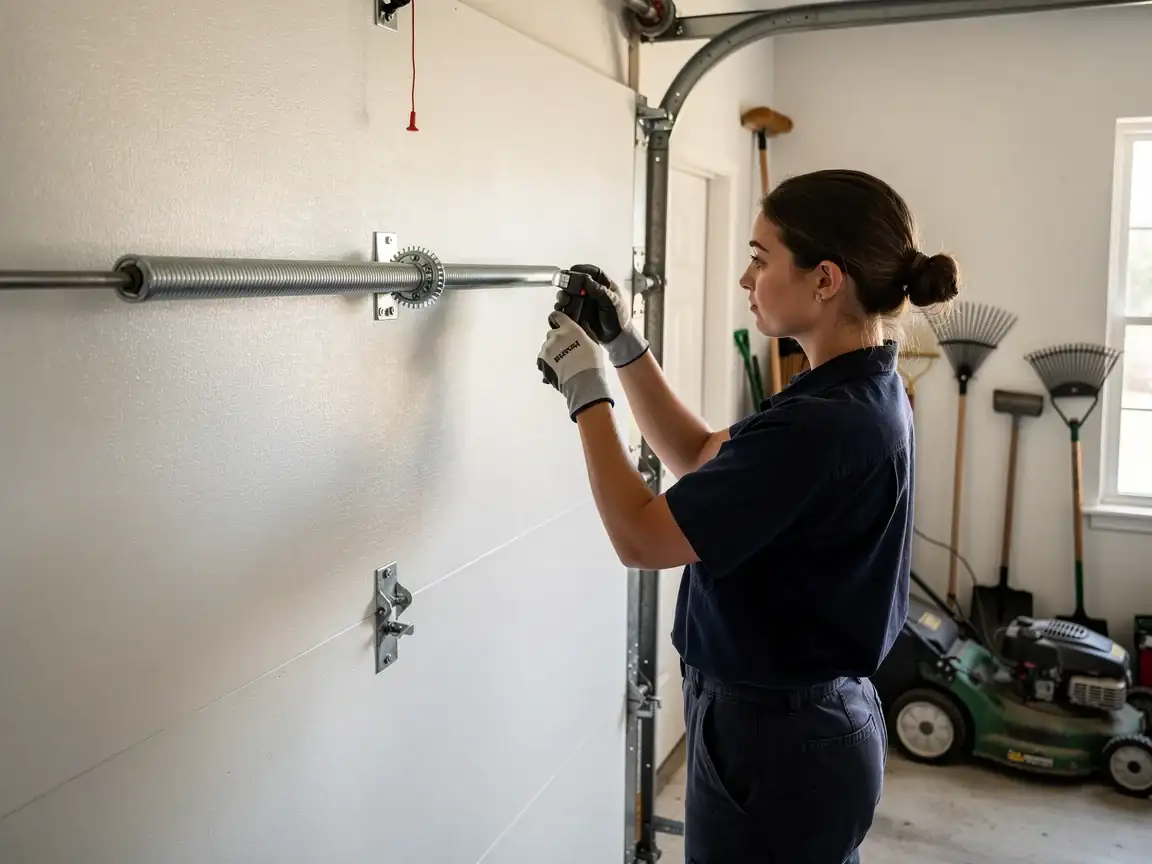
Or close to it. With a median build year of 1999 here, that puts the average unit somewhere past the quarter-century mark - and that's exactly where chain-drive openers from that era start failing in predictable ways. The logic board is usually the first thing to go: it controls the safety reversal, the travel limits, and the remote signal, and after 25 winters of temperature swings in the garage, the solder joints and capacitors degrade. We also see stripped drive gears on the same units, which is a $10 plastic part that takes the whole opener down with it.
Because the regional climate band here is cold-moderate rather than mild
The garage itself runs colder in winter than a lot of people expect, and that affects the opener too. Condensation on a logic board that's already 20+ years old speeds up corrosion on the contacts. We check that board first on any no-response call from a house built in the late 1990s, because on houses this age it's the most common point of failure, not the motor itself.
Booking a Visit
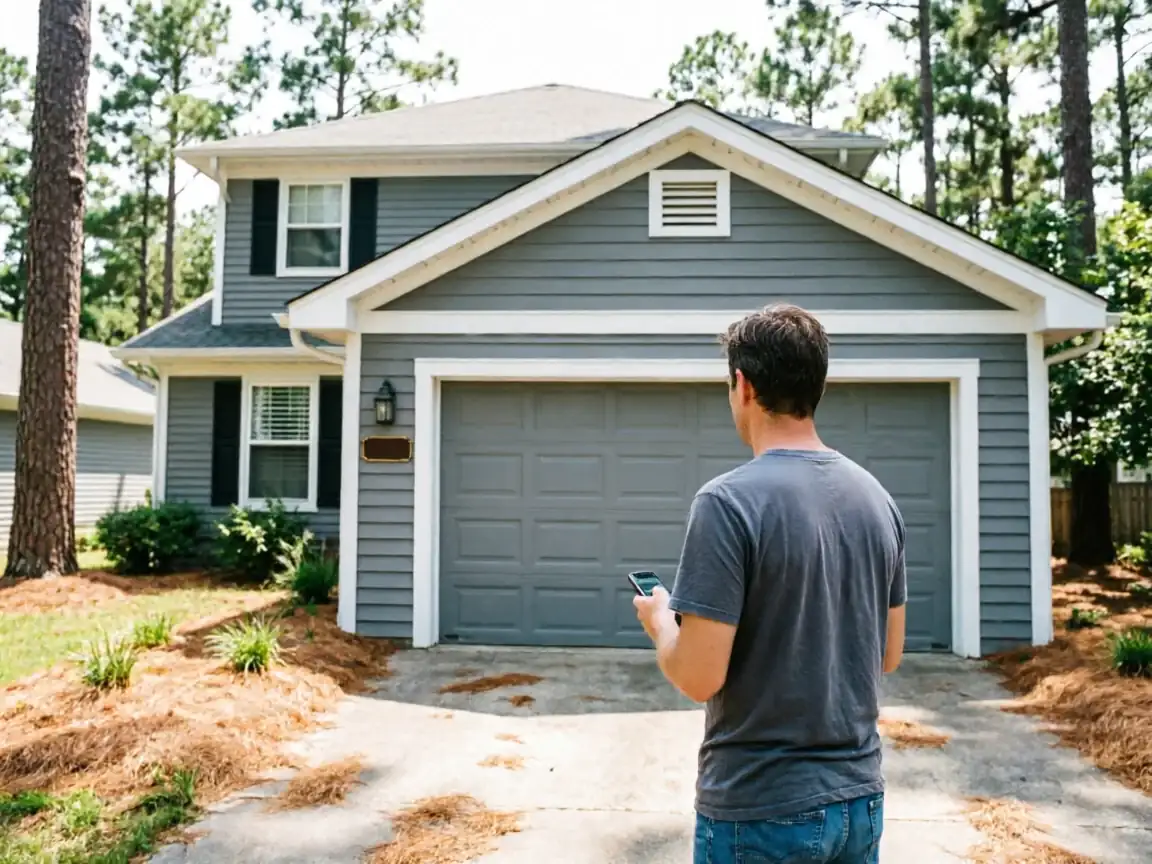
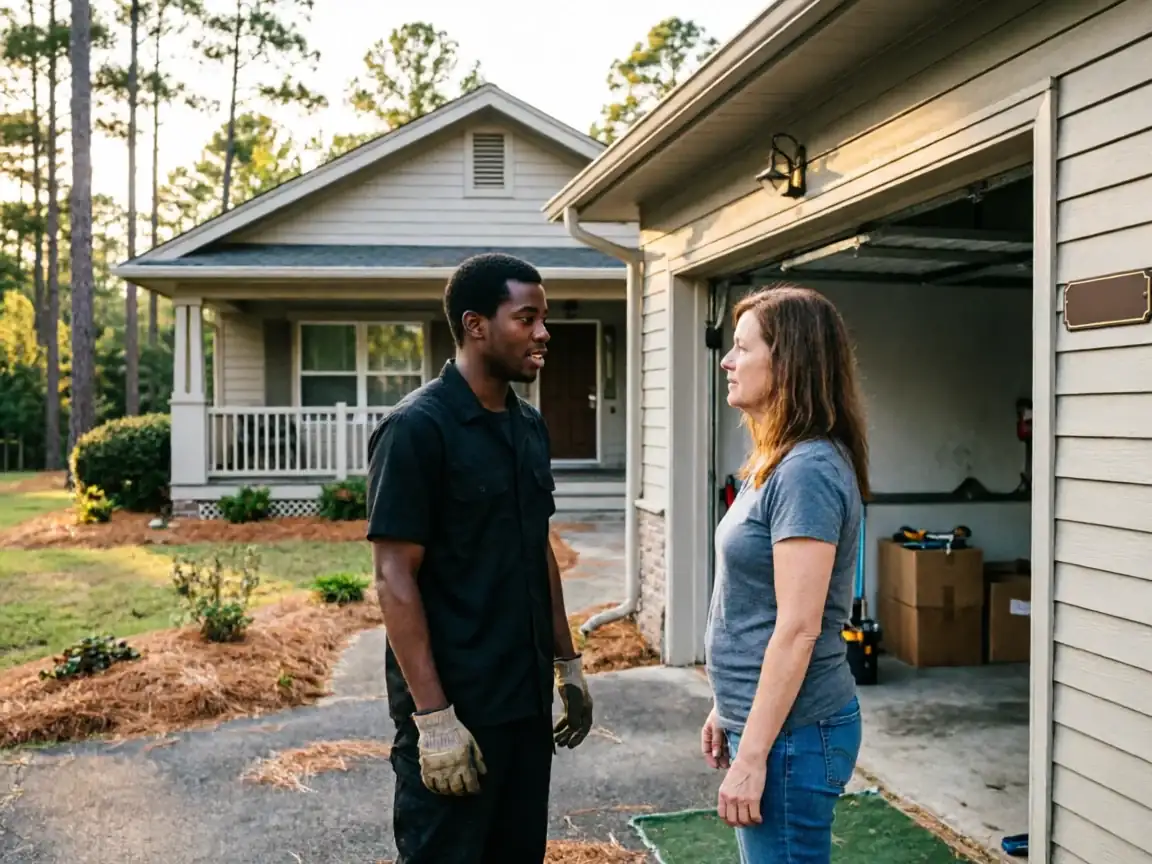
We cover Lake Norman of Catawba out of our Cornelius shop, about 10 miles up the road. That's close enough that scheduling a visit here works the same as anywhere else in the service area - we just build the drive time into the day. When you call, tell us the opener's brand, roughly how old the house is, and what it's doing: won't close, reverses halfway, remote works but the wall button doesn't, that kind of detail. It cuts the diagnostic time in half once the truck is in the driveway.
We don't keep a branch or a drop-off counter in Lake Norman of Catawba itself, so every job here is a scheduled visit from Cornelius rather than a walk-in. That's worth knowing if you're hoping for a same-hour fix without a call first.
Time on the Job
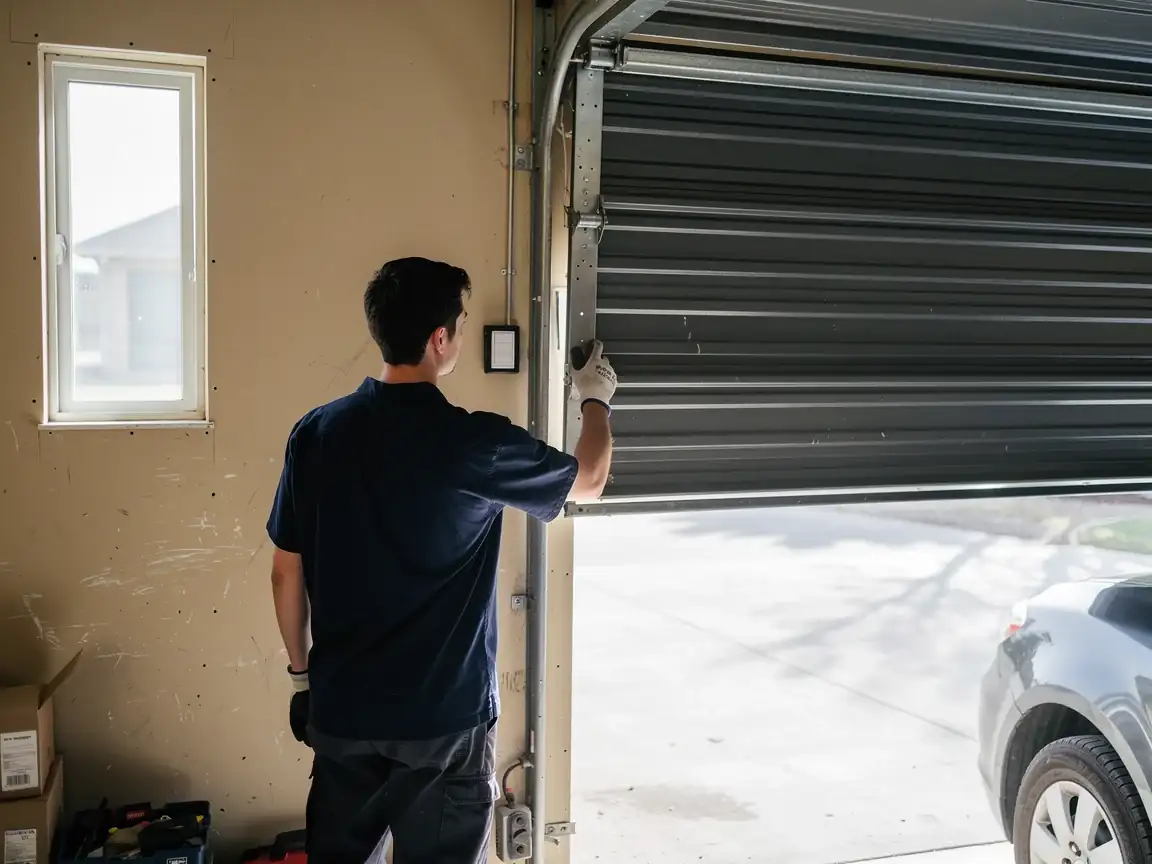
A straightforward opener repair - logic board swap, gear replacement, sensor realignment - usually runs under two hours once we're on site, parts in hand. Where it runs longer is diagnosis on houses built in that 1999 window, because a few different opener brands were common installs that year and some discontinued boards need a workaround rather than a straight swap.
If the household has two garage doors on separate openers, which isn't unusual in this area given the income level and house sizes we see reflected in the local numbers, we treat them as two separate jobs even on the same visit, since one opener failing rarely means the other is about to.
What Is on the Truck
We stock logic boards and circuit boards for the major opener brands that were common in builds from the late 1990s through the 2000s, along with drive gears, belt and chain kits, safety sensor pairs, and standard wall controls
Given that most of this area's housing stock sits in that same build window - median year 1999 - these are the parts that move fastest for us here, more than in neighborhoods with newer or much older stock.
What we don't carry on the truck is every proprietary board for openers that have been fully discontinued by the manufacturer
If your unit needs one of those, we'll tell you straight that a full opener replacement is the faster and often cheaper call rather than hunting for a part that may not exist anymore.
Can You Do This Yourself
Swapping a remote battery or re-pairing a keypad is a fair DIY job, and we'd rather you save the service call for that. Replacing a logic board is not - it involves disconnecting line voltage, and on an opener this age the mounting bracket and wiring harness are often brittle enough that a wrong move cracks the housing. Given the median household income here, a lot of homeowners could buy the part themselves online, but matching it to a 1999-era opener model without a plate number in hand is where people get stuck and order the wrong board twice.
If the opener is original to a 1999 build, our honest advice before any repair quote: ask what the unit would cost to replace outright. At that age, a second major component failure inside a year isn't rare, and we'd rather tell you that up front than bill you twice.