Booking a Visit
We run out of Cornelius, six miles from Westport
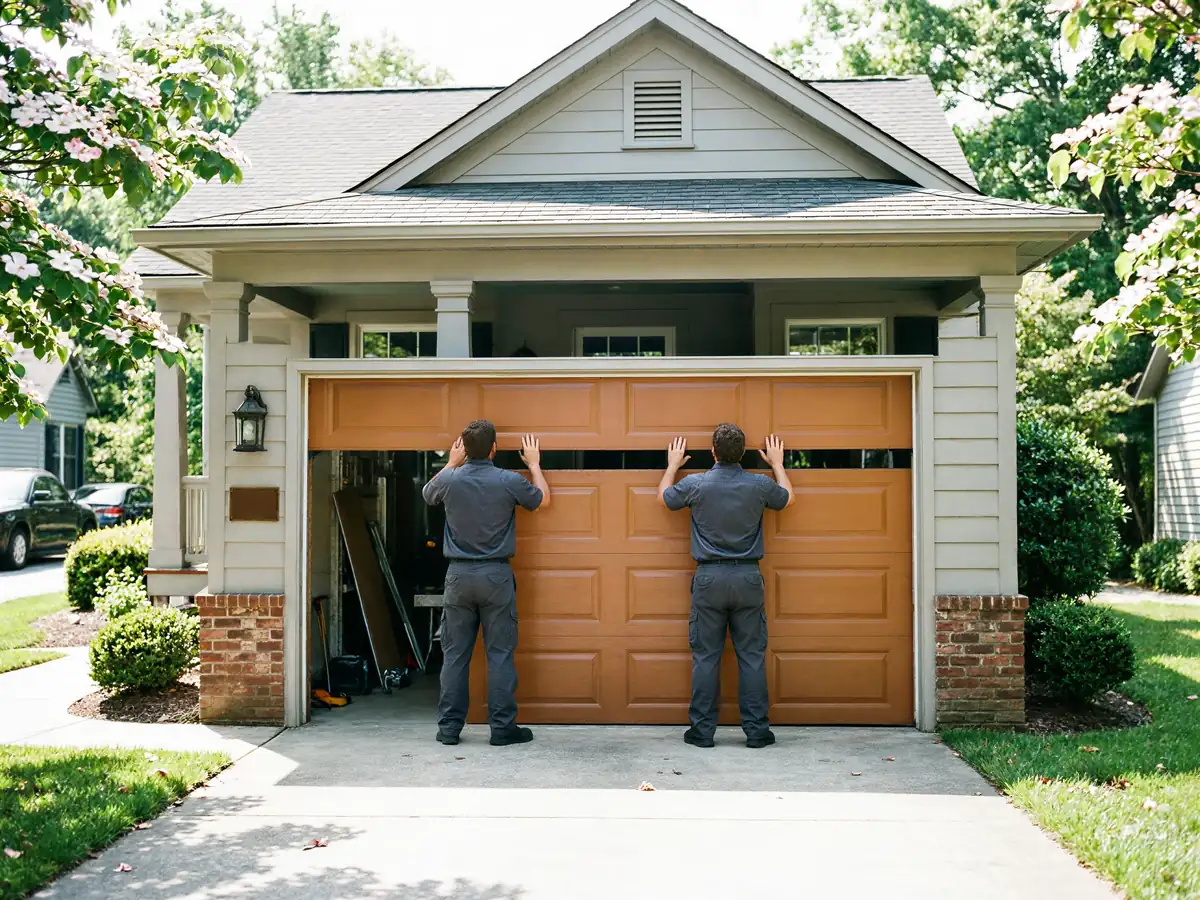
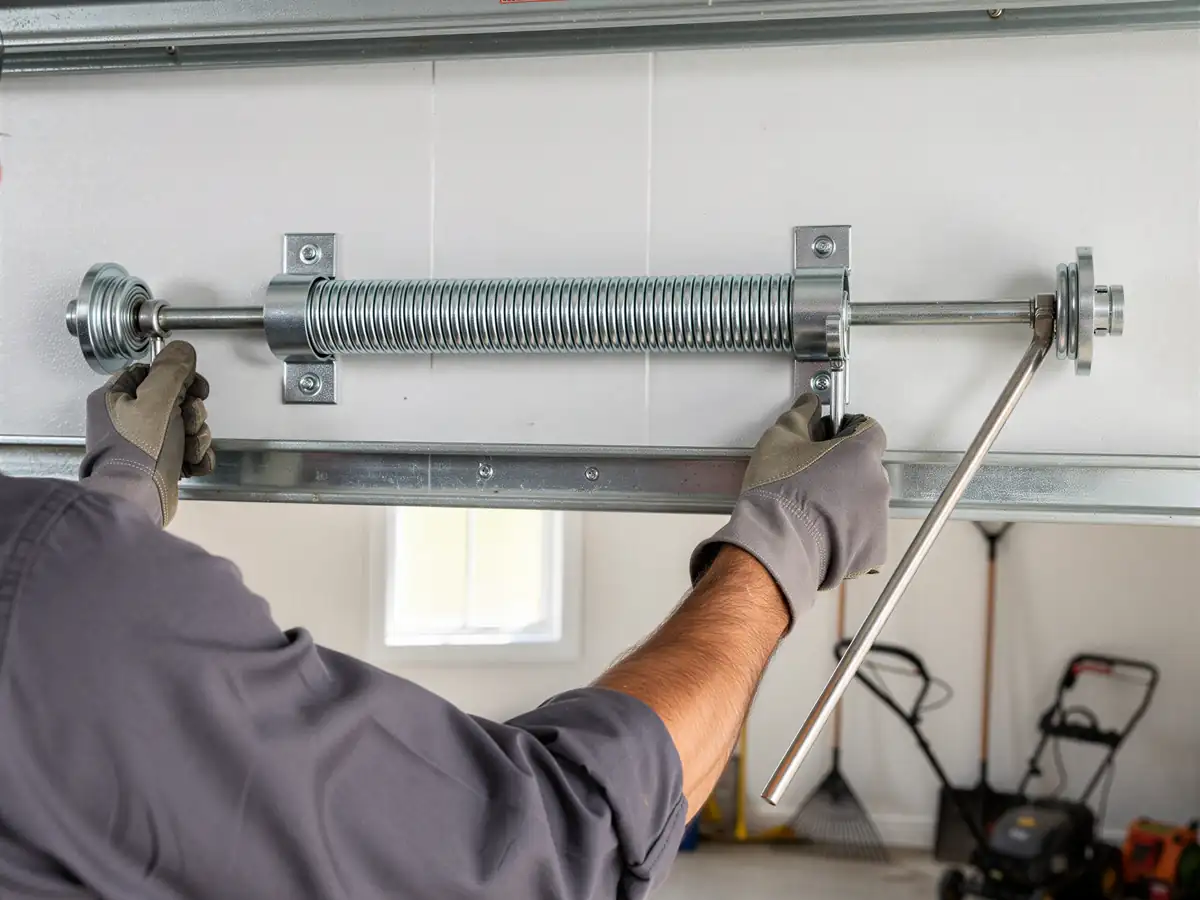
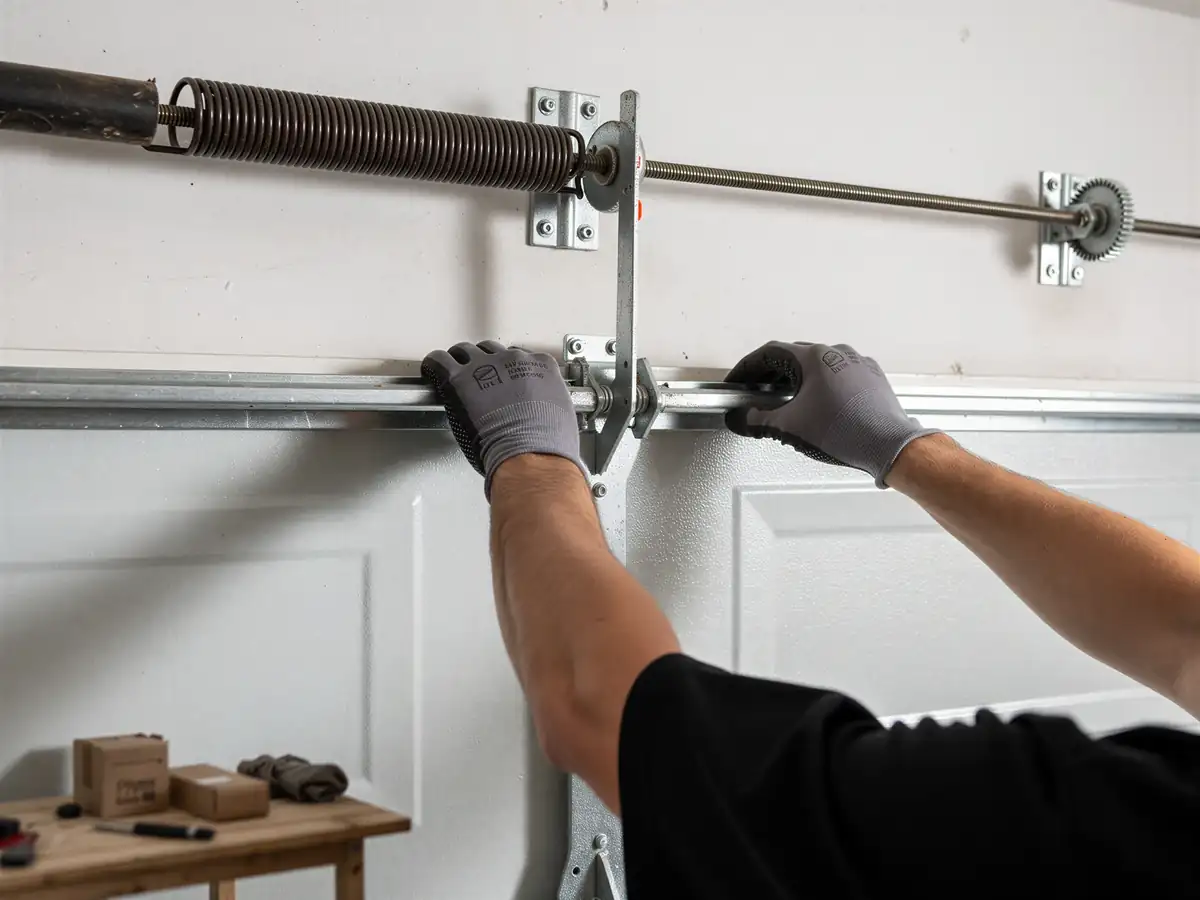
So a service call here doesn't sit behind a branch office or a second truck pool - it's the same crew that covers the rest of the area. When you call, tell us the age of the house if you know it. Westport's housing mostly went up around 2005, which is newer than a lot of what we see closer to Cornelius, and it changes what we bring on the truck. A 2005-era door usually means factory torsion springs still in reasonable shape, a steel opener bracket instead of the older wood-jamb mounts, and a chain or belt drive opener rather than anything older. Knowing that before we load the van saves a second trip for a part we'd otherwise guess at.
We don't keep a standing inventory at a Westport address
There isn't one - so anything unusual still means a short wait while we source it. For the common stuff on a house this age, that's rarely the case.
Why It Happens Here
Westport's roughly 1,990 households sit at a median income of $132,206, noticeably higher than the broader Cornelius service area's $76,158. That matters for one practical reason: at that income level, most owners we talk to don't want a patched-up door hanging on for another five years. If a spring breaks and the opener motor is also straining, the math tends to favor replacing the whole unit rather than repairing piece by piece - the labor on two separate visits often costs more than doing it once.
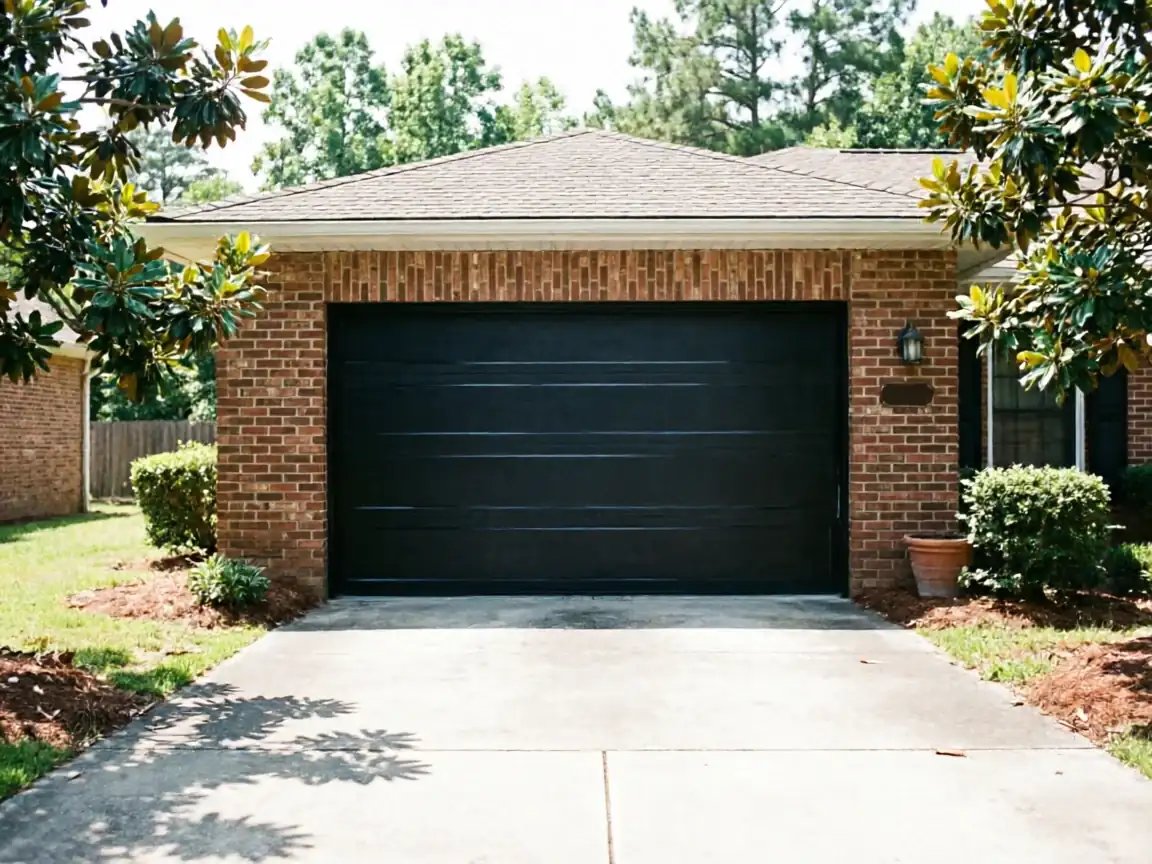
The houses themselves are part of the story too. Built around 2005, against a service-area range that runs from 1959 to 2011, Westport sits on the newer end. That means double-walled insulated steel panels instead of the single-skin doors you'd find on an older street, and openers with rolling-code receivers rather than the fixed-code units that are harder to match today. The failures we see here are less about parts that have simply worn past their service life and more about openers whose circuit boards have failed outright, or rollers that have finally dried out after close to two decades without lubrication.
Time on the Job
A straightforward torsion spring swap or roller replacement on a Westport door usually runs shorter than the same job on an older house in the service area, because the hardware is in better shape going in - we're not fighting rust-frozen bolts or a track that's been reshaped by years of settling. The opener side can take longer if the board itself needs replacing rather than just a sensor or wire.
We don't give a fixed number here because every job depends on what we find once the door is open, but a homeowner on a 2005-built house should expect the bulk of the visit to go toward diagnosis and the part itself, not toward fighting the installation.
The Complications
The cold winters this region gets
A moderate cold climate band, not an extreme one - still affect door hardware, but less dramatically on newer construction. Insulated panels and updated weatherstripping handle temperature swings better than the uninsulated doors common on older houses nearby. Where we do run into trouble in Westport is opener boards: a rolling-code receiver that's failed outright often isn't a $20 part swap, since matching the exact model keeps changing year to year, and sometimes the board is no longer made at all.
One honest limitation
If your opener logic board is discontinued, we'll tell you straight that replacing the whole opener is usually cheaper and faster than hunting down a matching board, even if the rest of the unit is fine.
The Symptom
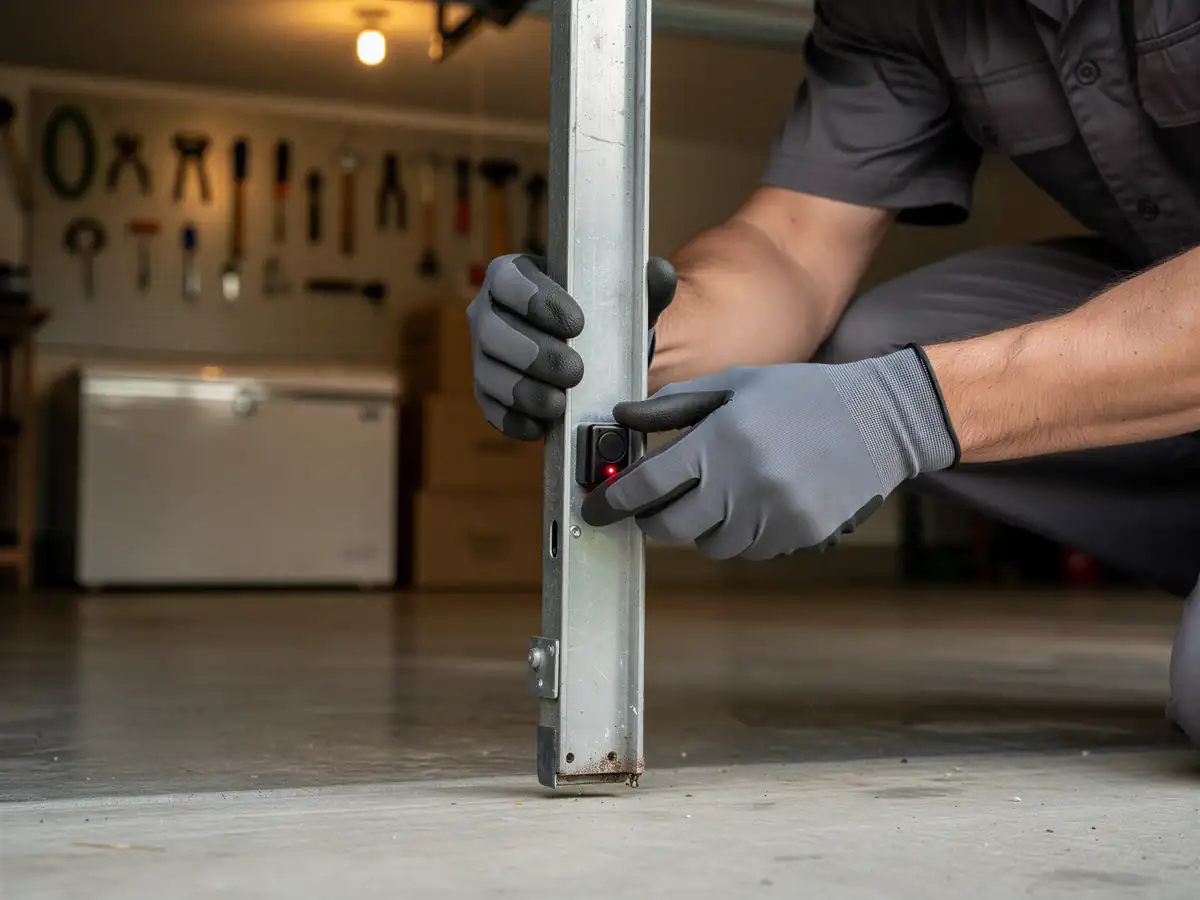
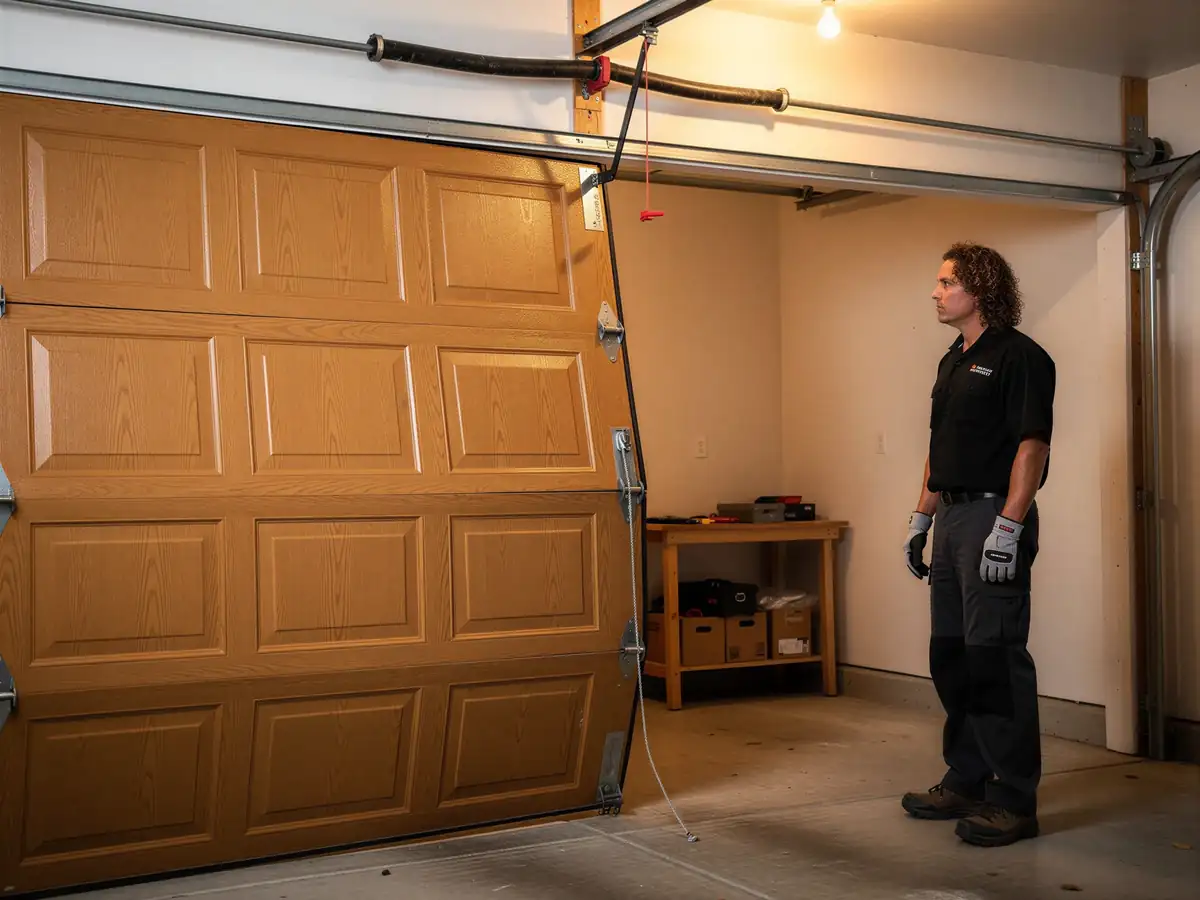
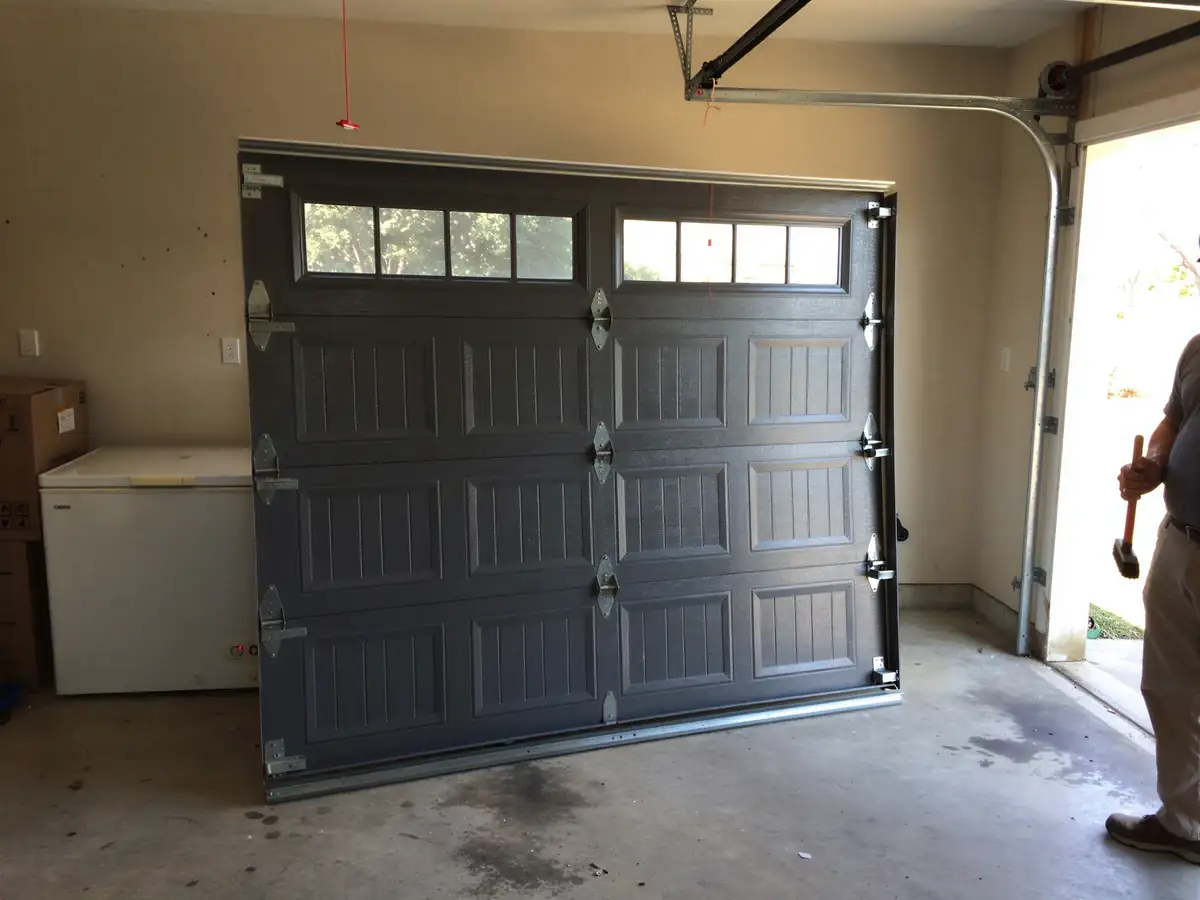
The two complaints we hear most from Westport calls are a door that won't respond to the remote at all, and a door that opens partway then reverses. The first is almost always the opener's receiver board or a dead backup battery, not the spring - on a house this age, the spring itself has usually got years left in it. The second points to a safety sensor that's drifted out of alignment or picked up a smear of debris, which is common and quick to fix, or to a limit setting that's wrong for the panel's actual travel distance.
If you're hearing a grinding noise instead, that's worth a call before it becomes a stuck door - on hardware this age, that symptom is almost never the spring either; it's usually a roller that's finally given out after years without attention.