Why It Happens Here
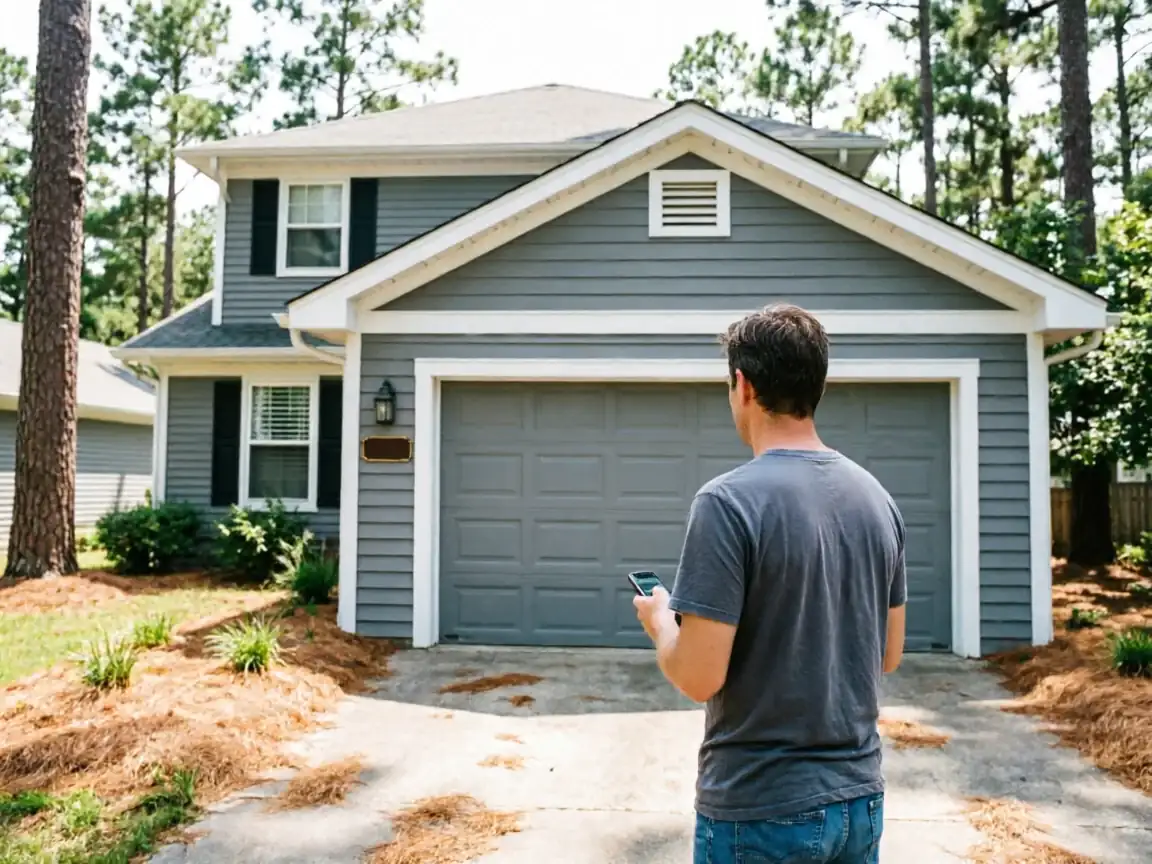
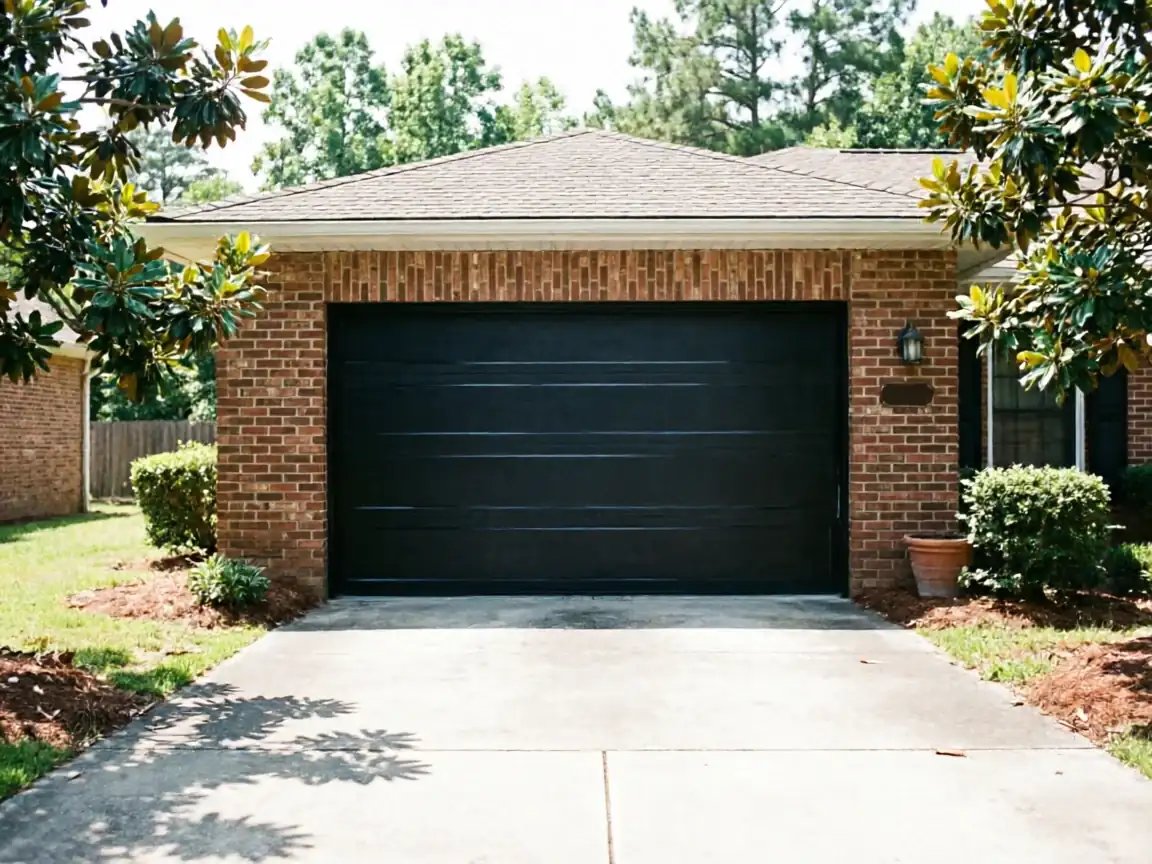
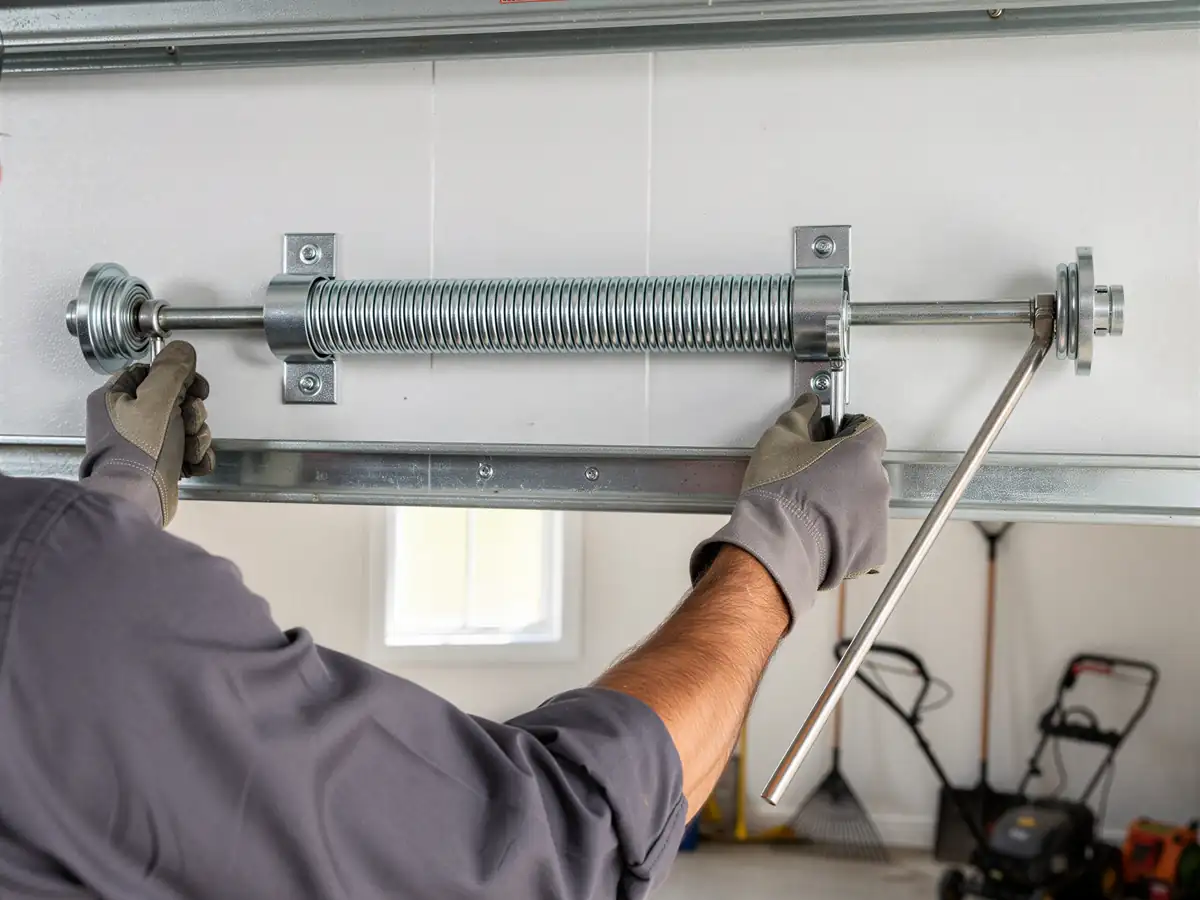
Westport is a newer build than a lot of what we cover - most of this subdivision went up around 2005, which puts the openers installed with those garages right at the fifteen-to-twenty-year mark now. That's roughly the service life of the circuit boards, capacitors, and drive gears in a mid-2000s chain or belt unit, so we see a steady run of boards that finally give out rather than doors that were installed wrong. Compare that to older pockets of the service area built back in the 1960s through 90s, where the problem is usually the door hardware itself, not the opener - Westport runs the other way. The region sits in a cold-moderate climate band, and an unconditioned garage here still sees enough winter swing to stress plastic drive gears and dry out the lubrication on the rail, which shows up as grinding or a chain that jumps a tooth before anything electrical actually fails.
Time on the Job
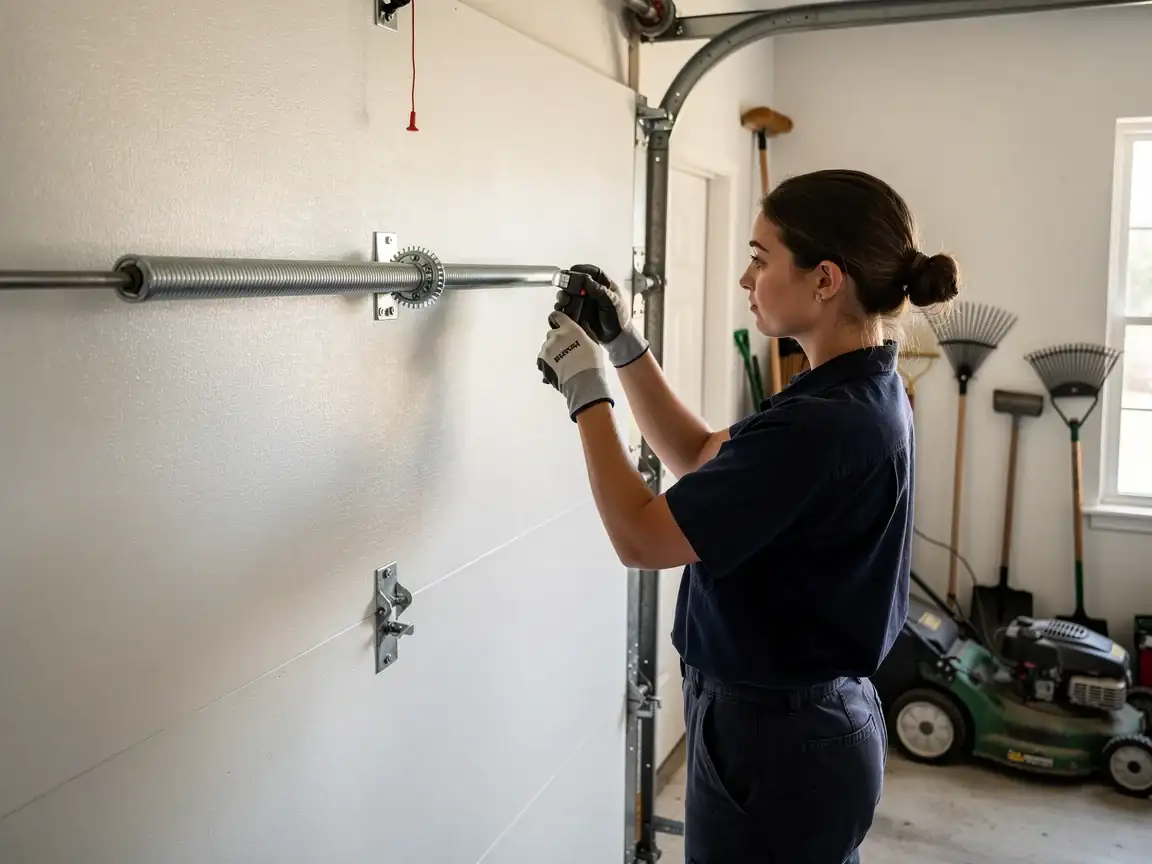
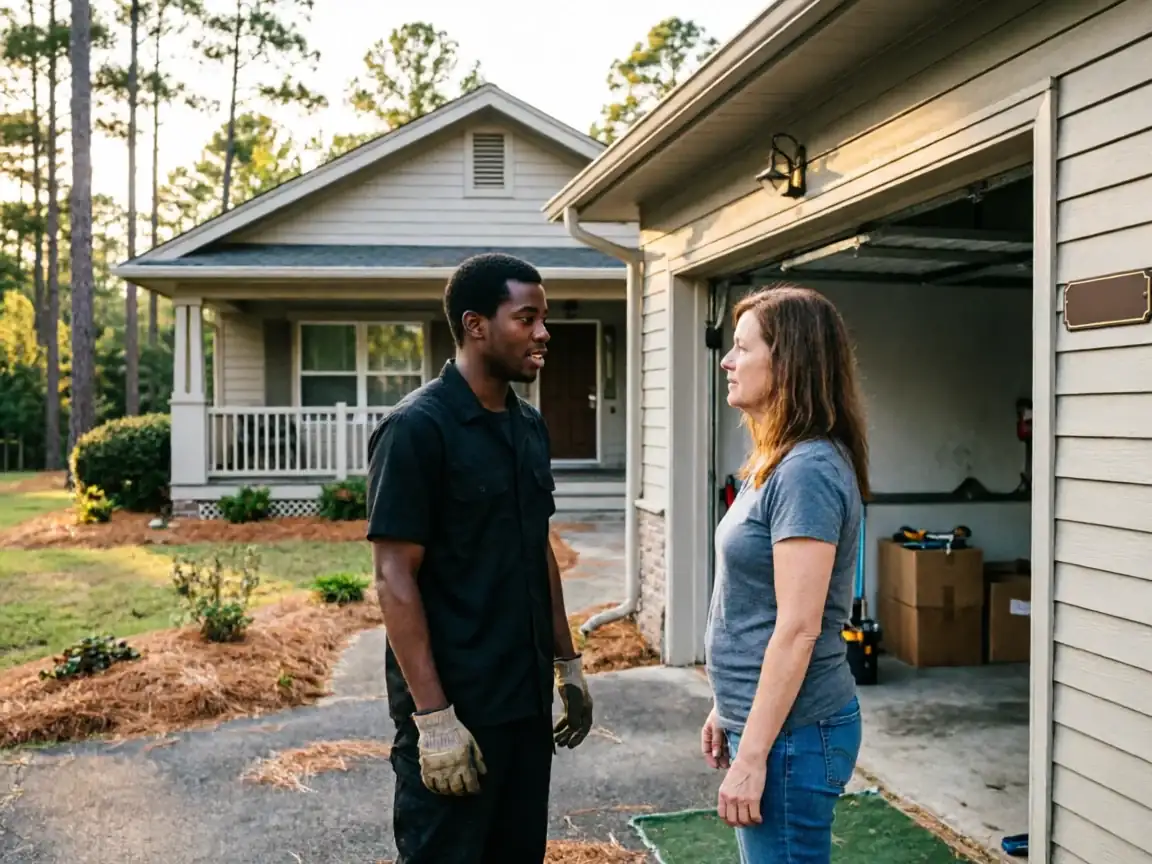
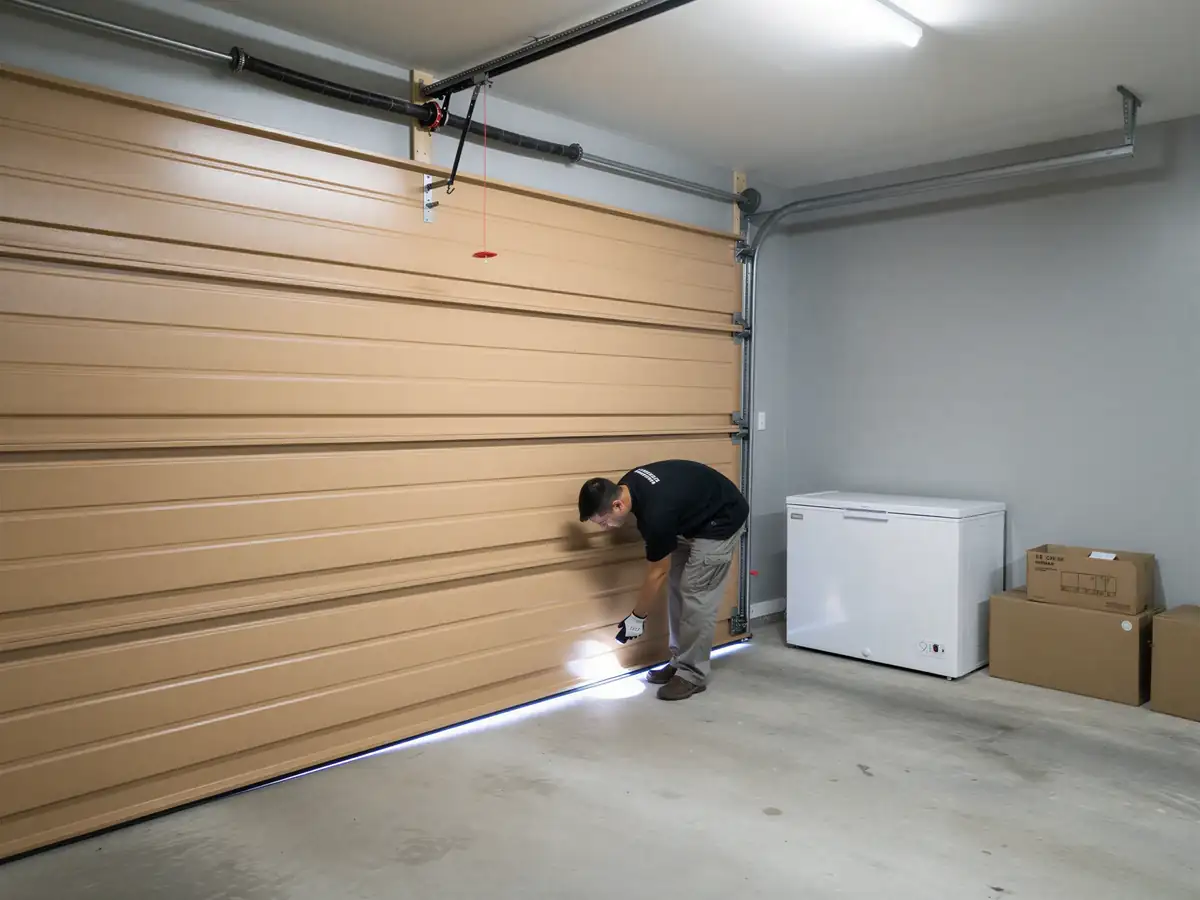
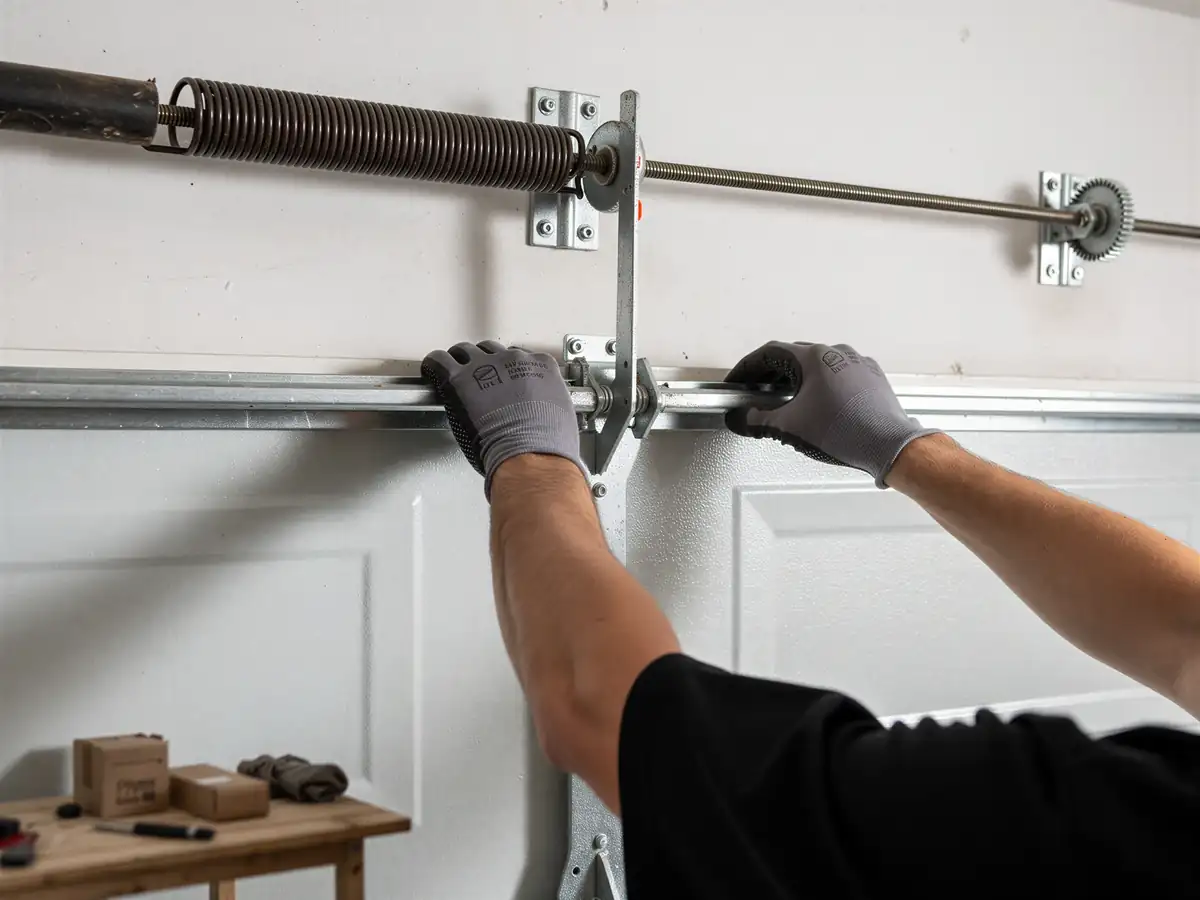
A straightforward opener repair - bad logic board, dead capacitor, misaligned safety sensors - usually runs under an hour once the tech is on site with the right part in hand. What takes longer in Westport specifically is travel: six miles from Cornelius isn't far, but it's not zero either, and if the job turns out to need a part we didn't bring, that's a second trip rather than a quick run back to a local stockroom. We try to narrow that down on the phone call before we ever head out. Smart openers with Wi-Fi modules or app pairing can add fifteen or twenty minutes just for setup and testing after the mechanical repair is done, since we want the app actually working before we leave, not just the door closing.
The Symptom
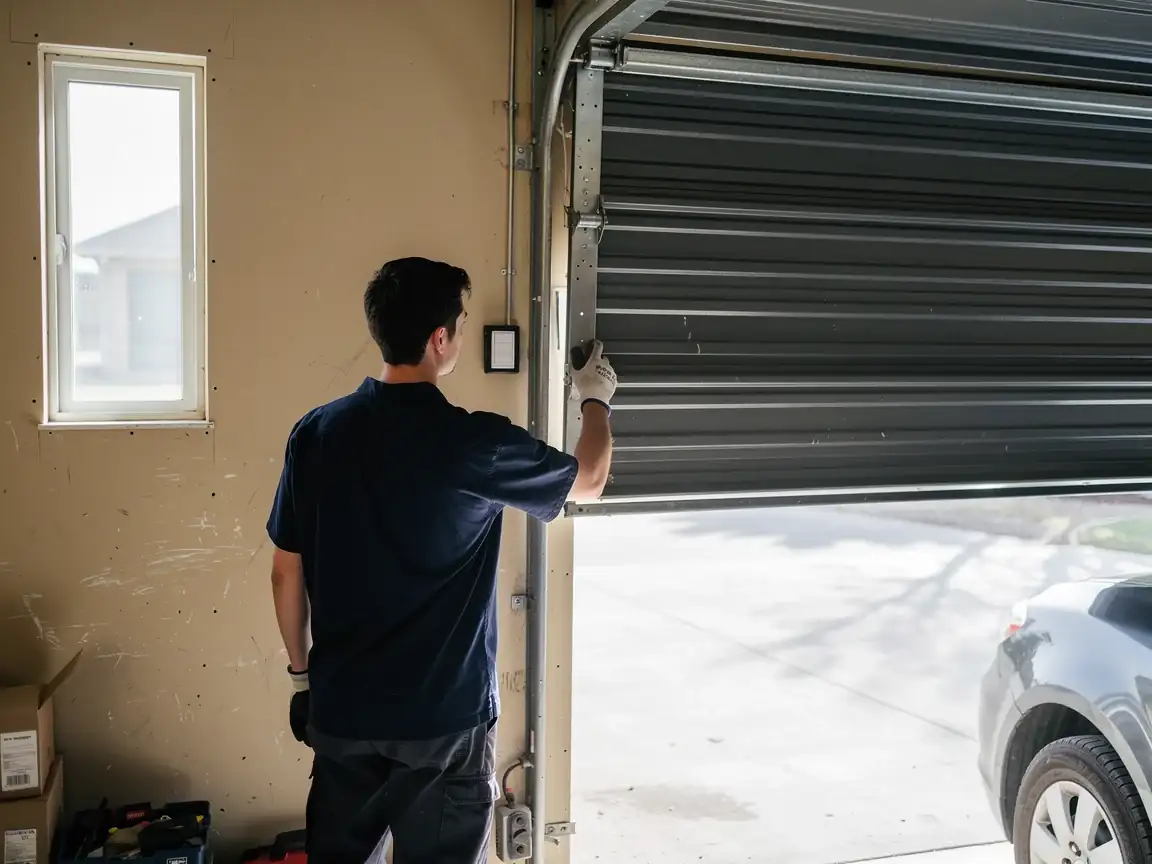
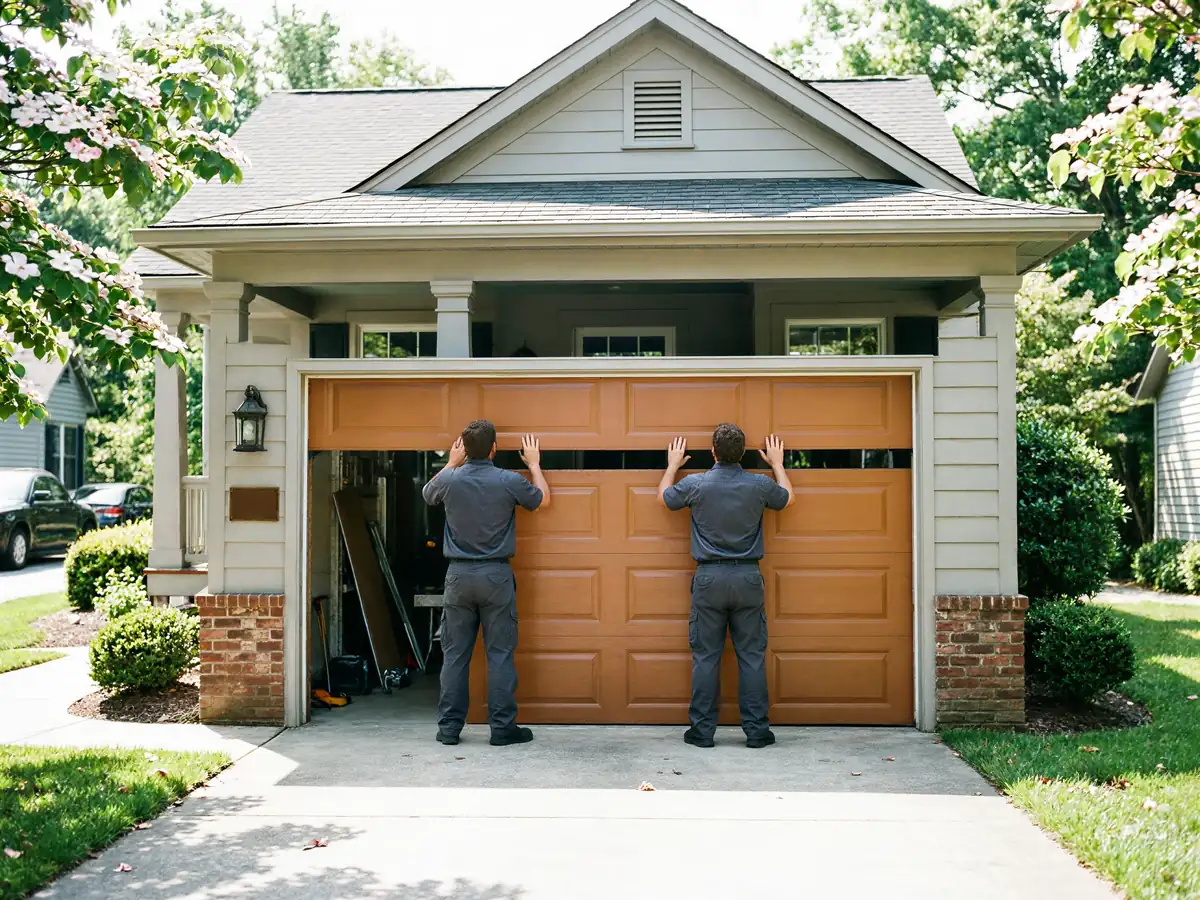
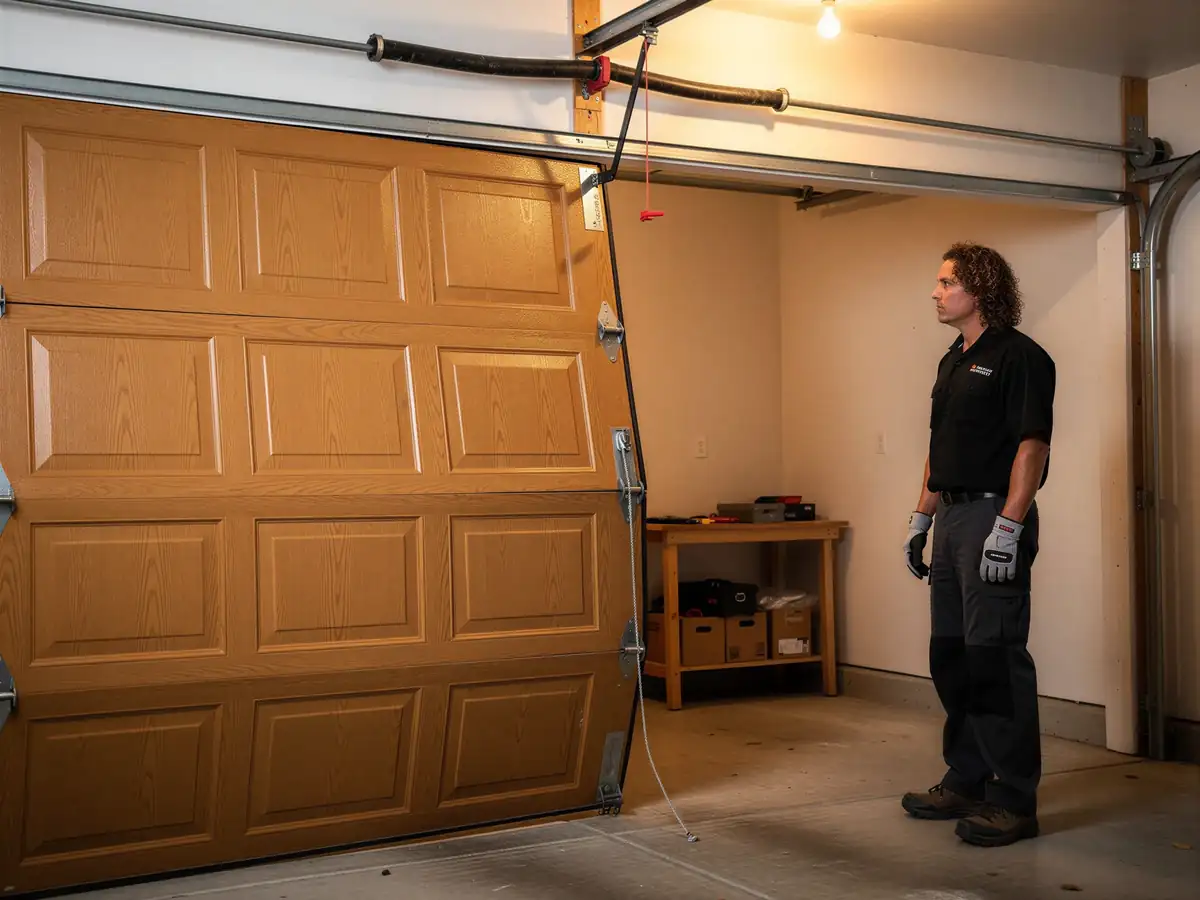
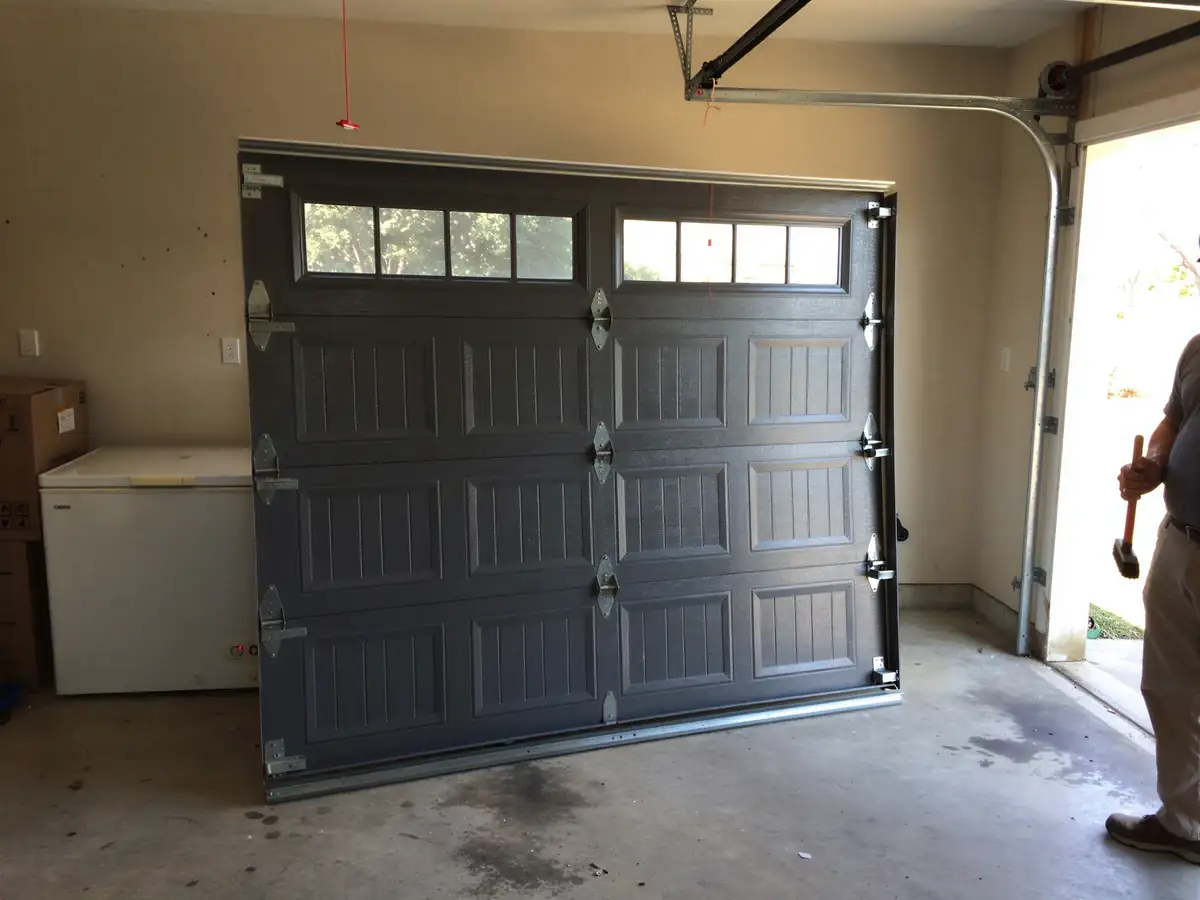
The most common call we get out of Westport is a door that won't move, but the opener motor hums or the wall button lights up like it's getting power. That pattern usually points to a stripped drive gear or a capacitor that's lost its charge, not the door itself - and given the age of openers installed when these houses were built, that's about where we'd expect the clock to run out. Close behind that: a remote or keypad that's stopped working while the wall button still opens the door, which is almost always a dead sensor eye or a board that's dropped the wireless receiver, not a battery issue. Flashing lights on the motor unit are usually the opener telling you which of those two it is, if you know the brand's blink code - we'll check that over the phone before we guess.