Why It Happens Here
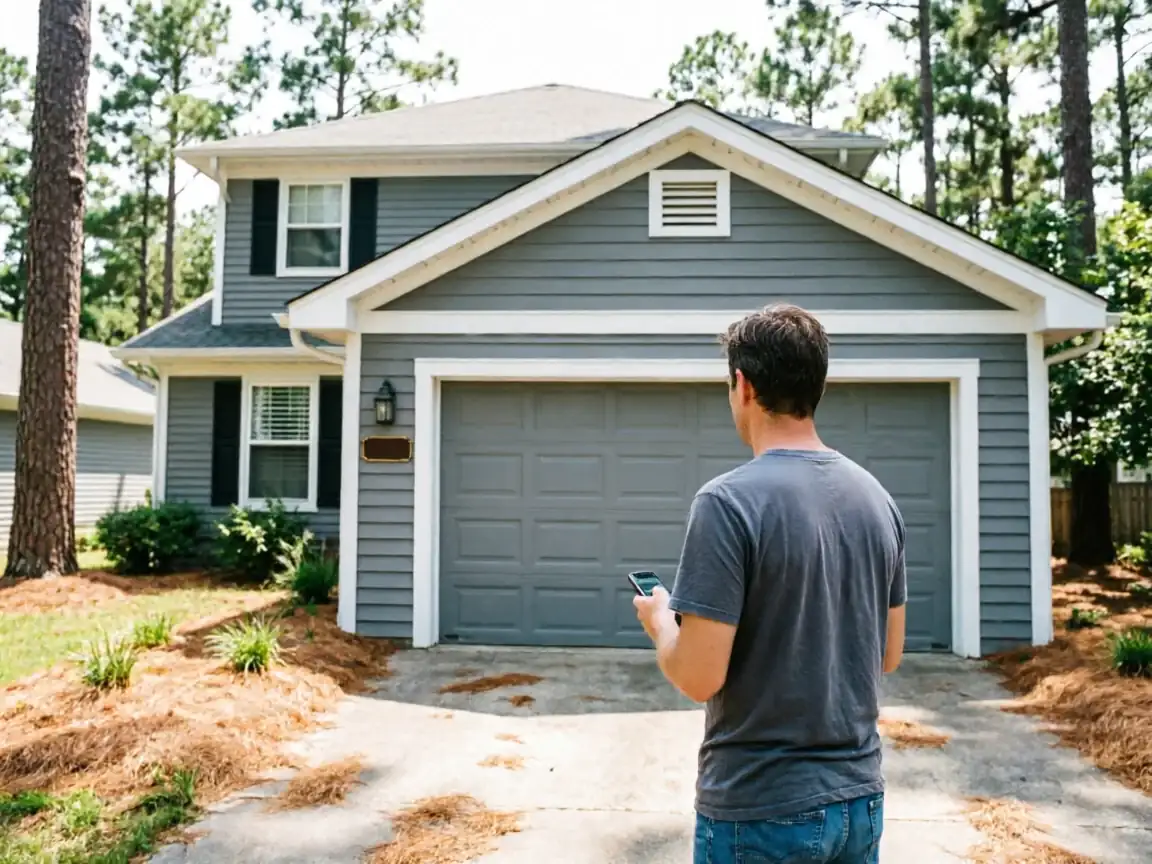
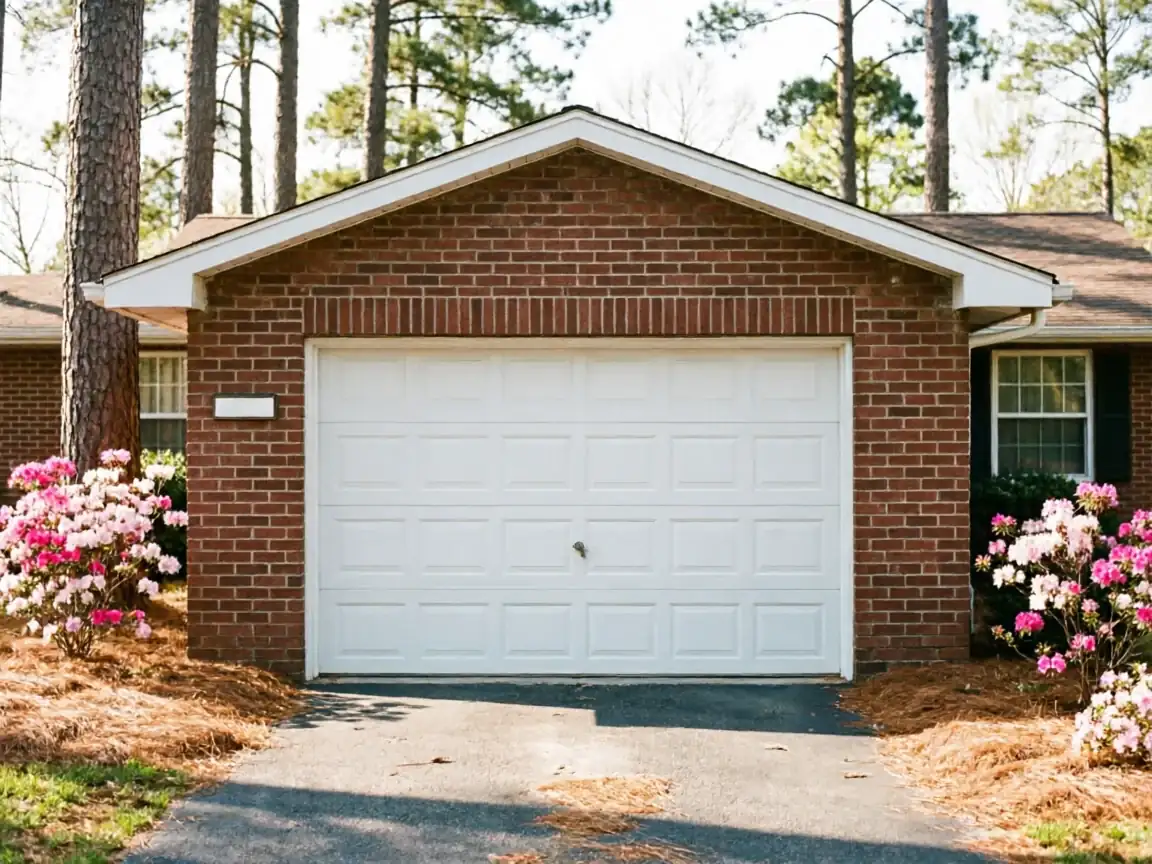
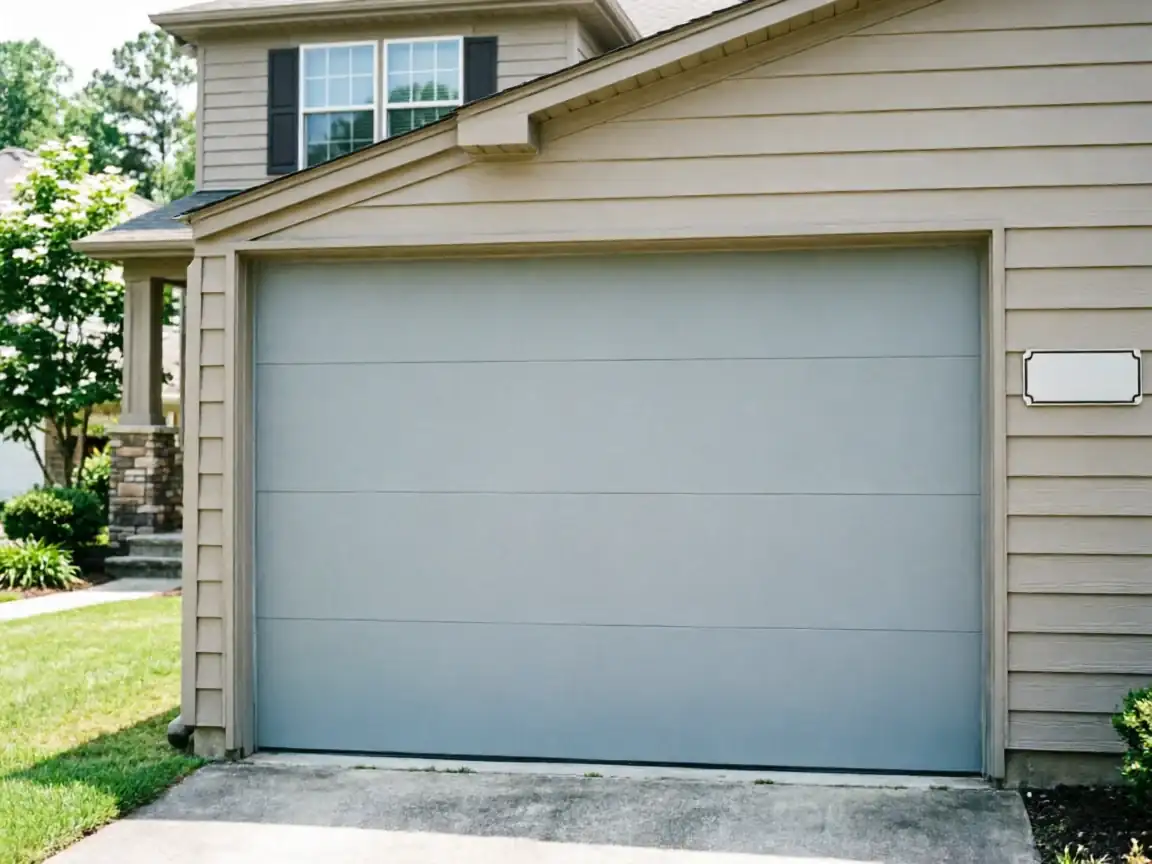
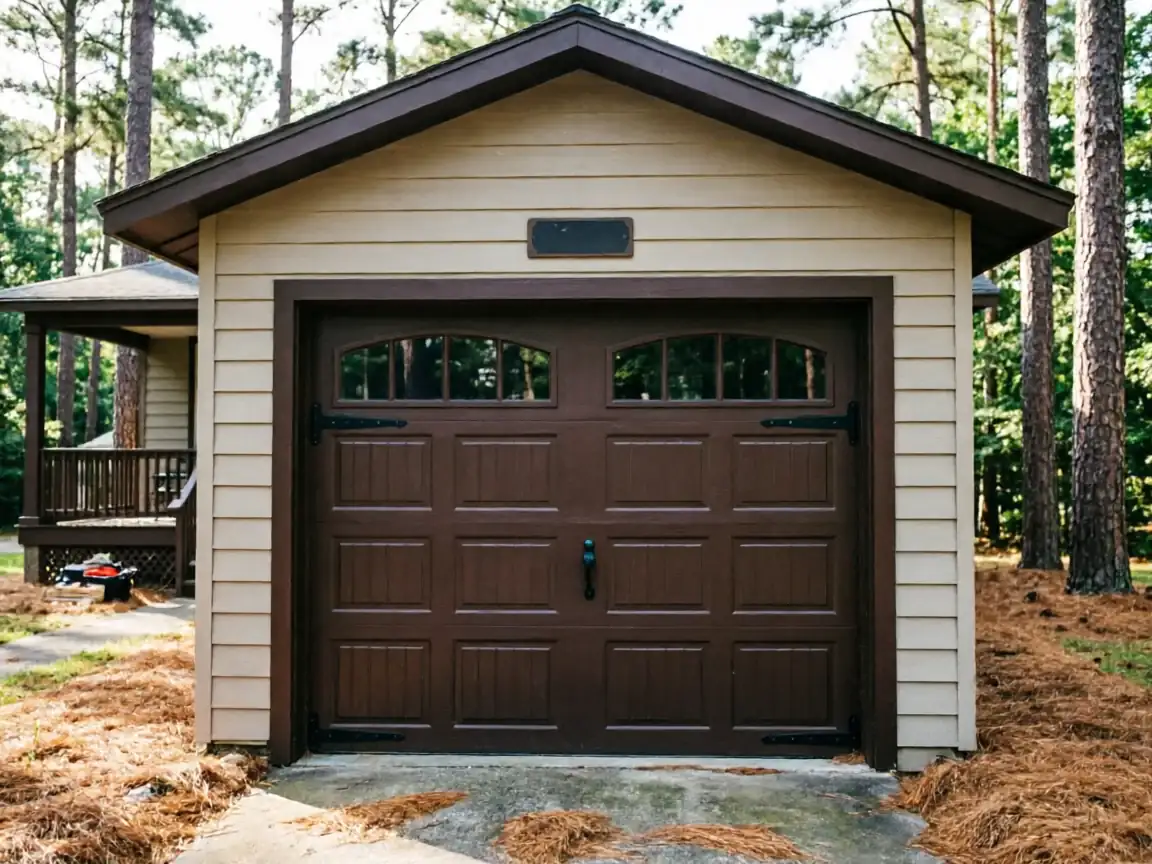
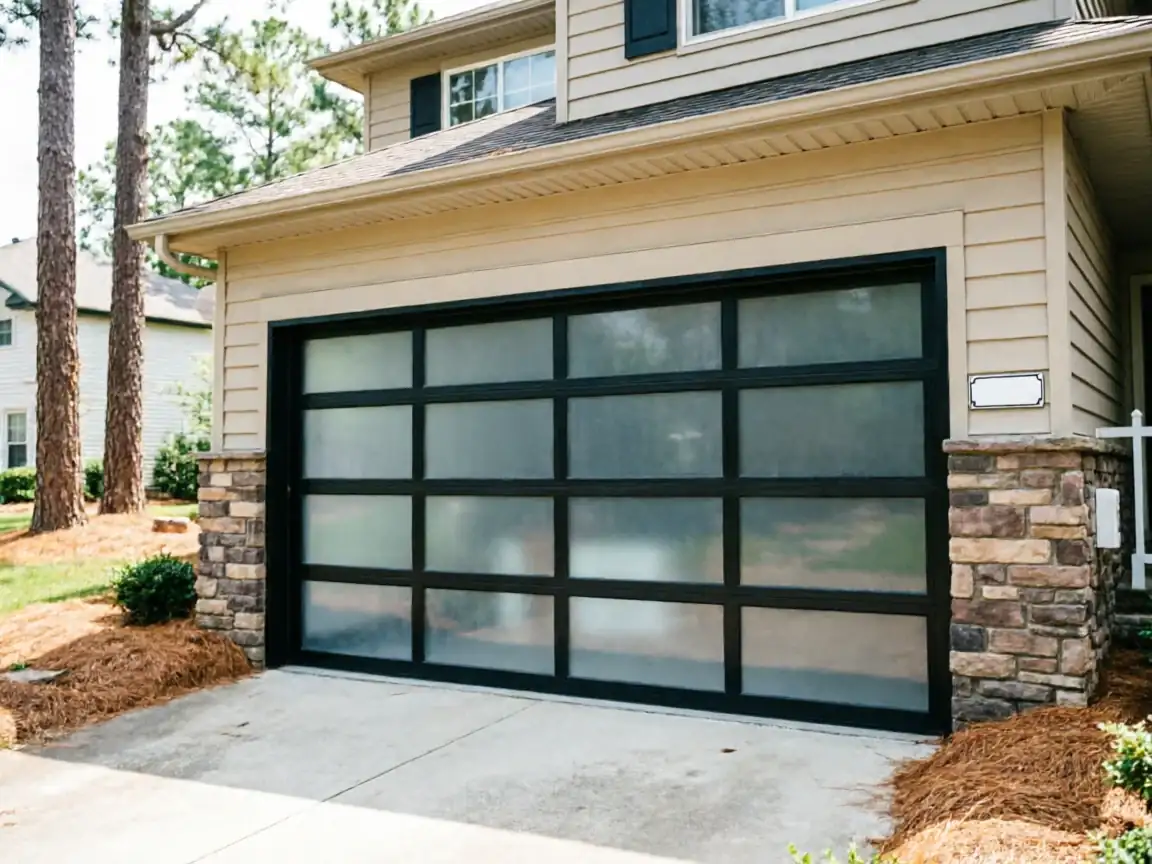
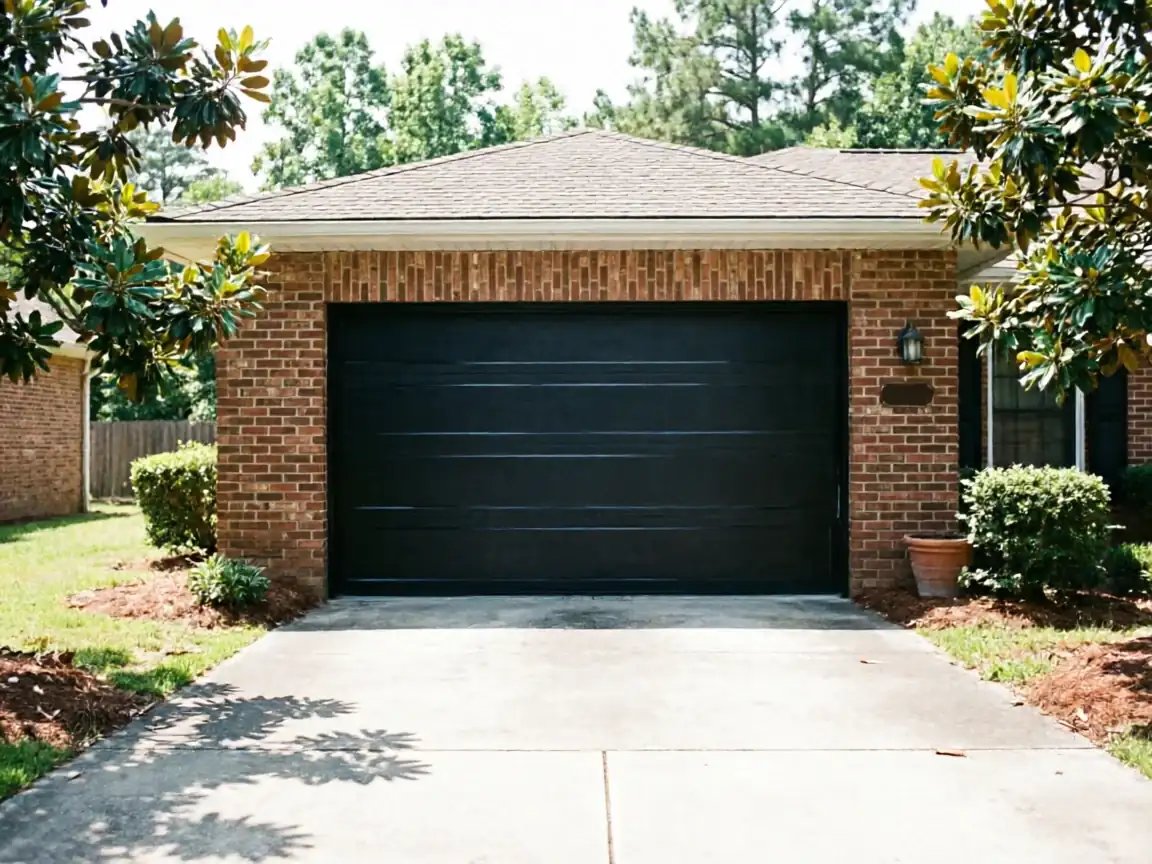
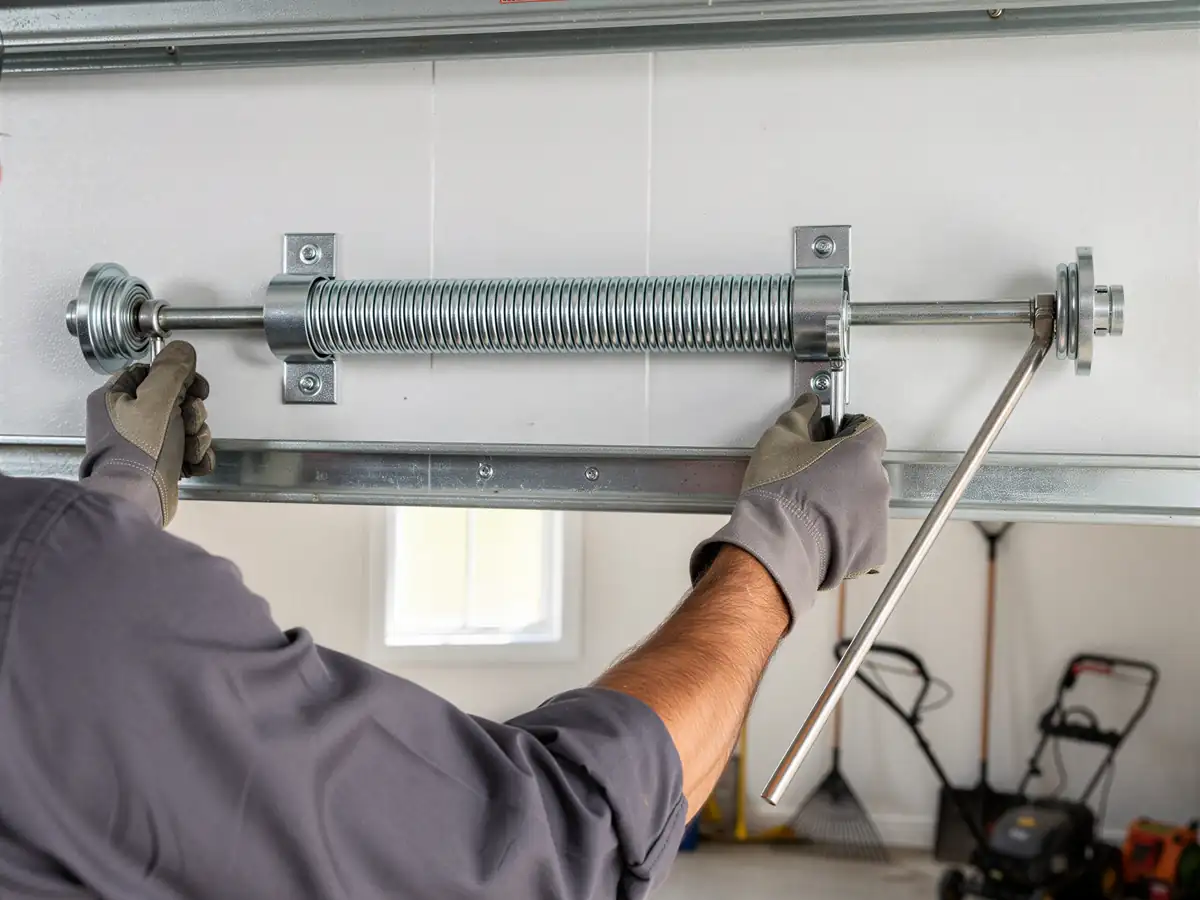
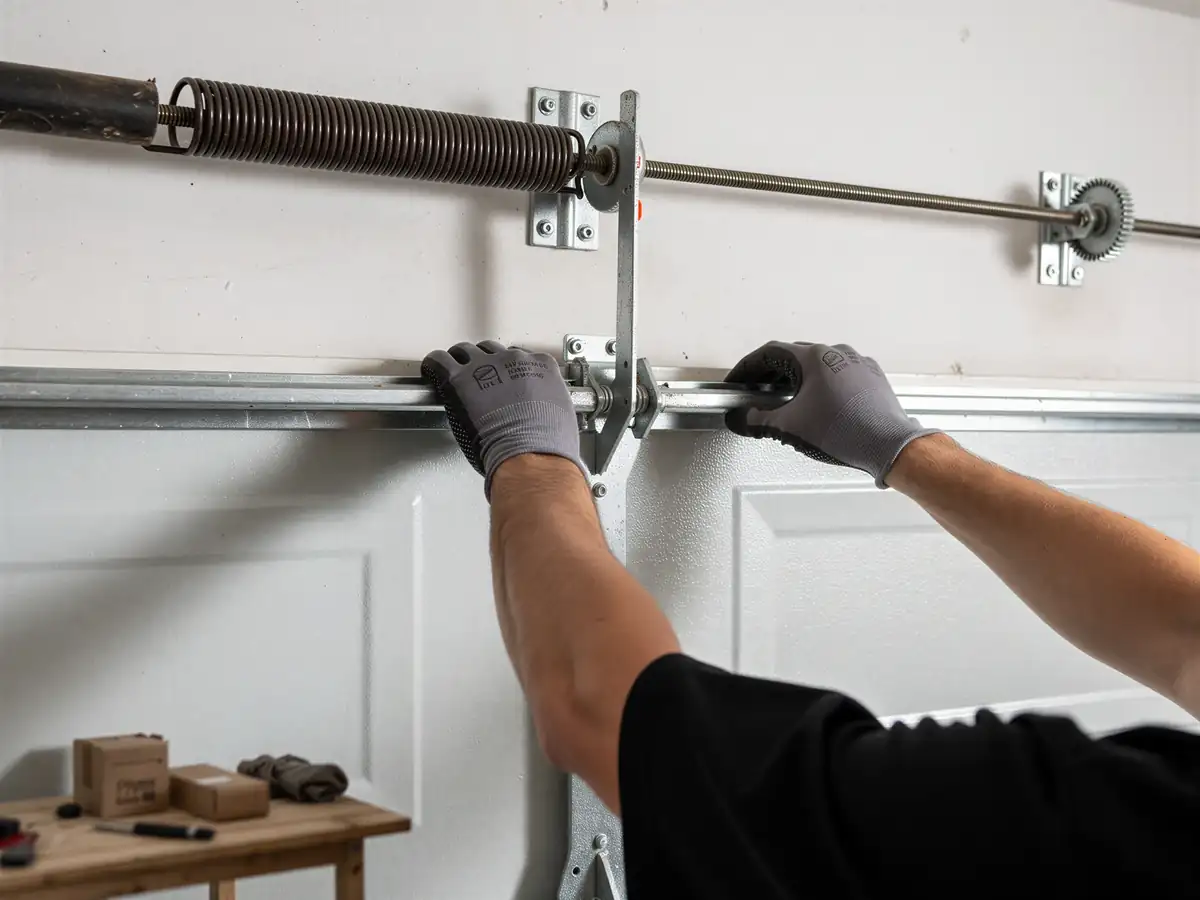
Westport's housing stock centers on a median build year of 2005, which puts it well inside the subdivision wave that filled out a lot of the territory between the late 1990s and mid-2000s. That matters for doors because builder-grade installs from that era leaned on lightweight steel panels and standard torsion springs sized for the minimum opening, not for anything oversized or insulated. Twenty years in, those springs are past their rated cycle count, and the foam-core panels - if the door has foam at all - start to separate at the seams where the door's been flexed by thousands of open-close cycles. With a median household income of $132,206 here, well above the $76,158 median across the rest of the service area, we see more owners asking to upgrade to a heavier door and torsion setup than just swap in a like-for-like replacement. The cold-moderate climate band this area sits in also means temperature swings stress the steel and the weatherstripping on these builder doors faster than a mild climate would, which shows up as warping at the bottom panel first.
Time on the Job
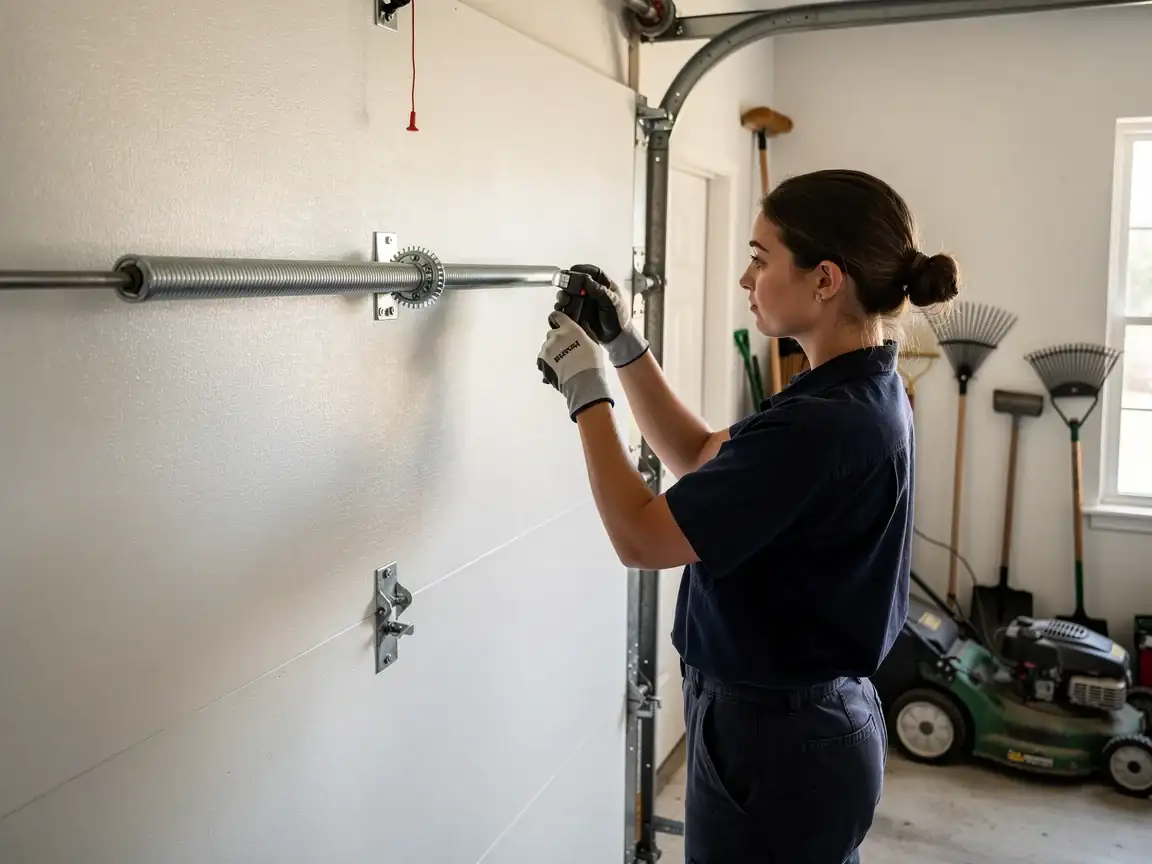
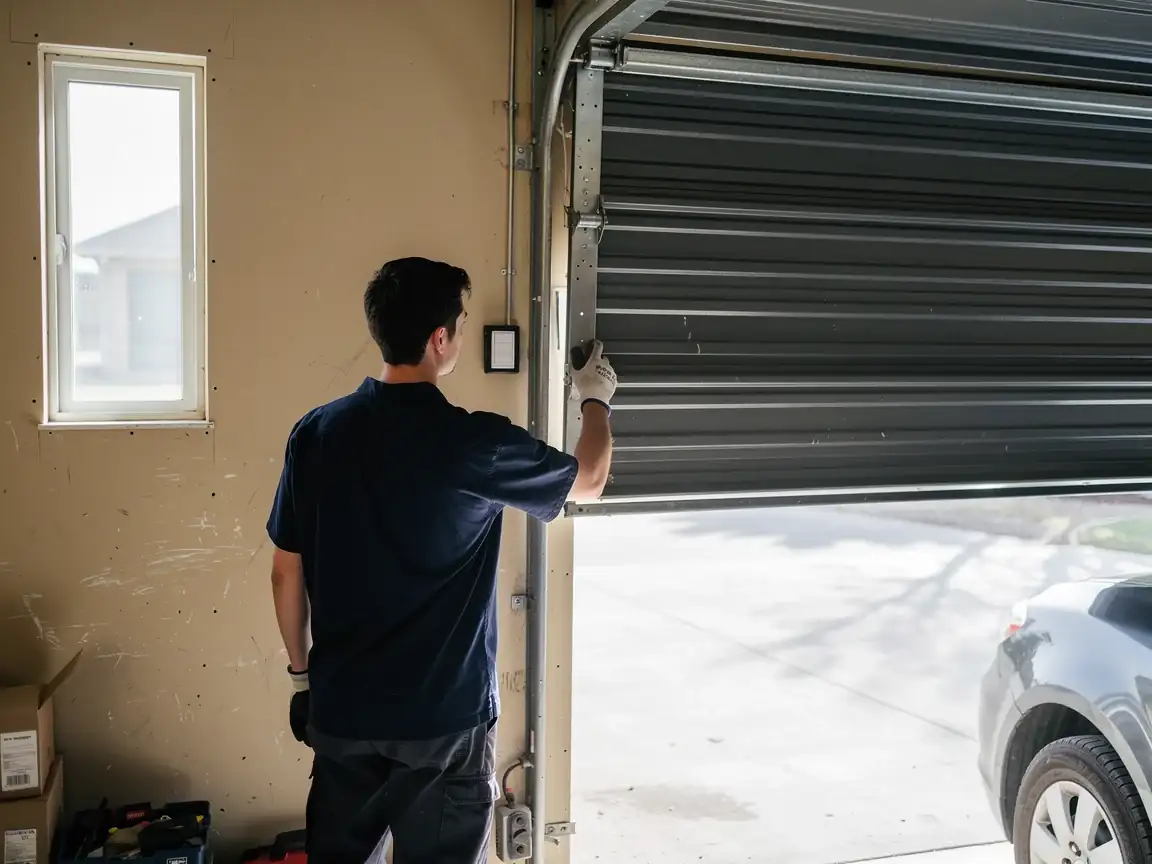
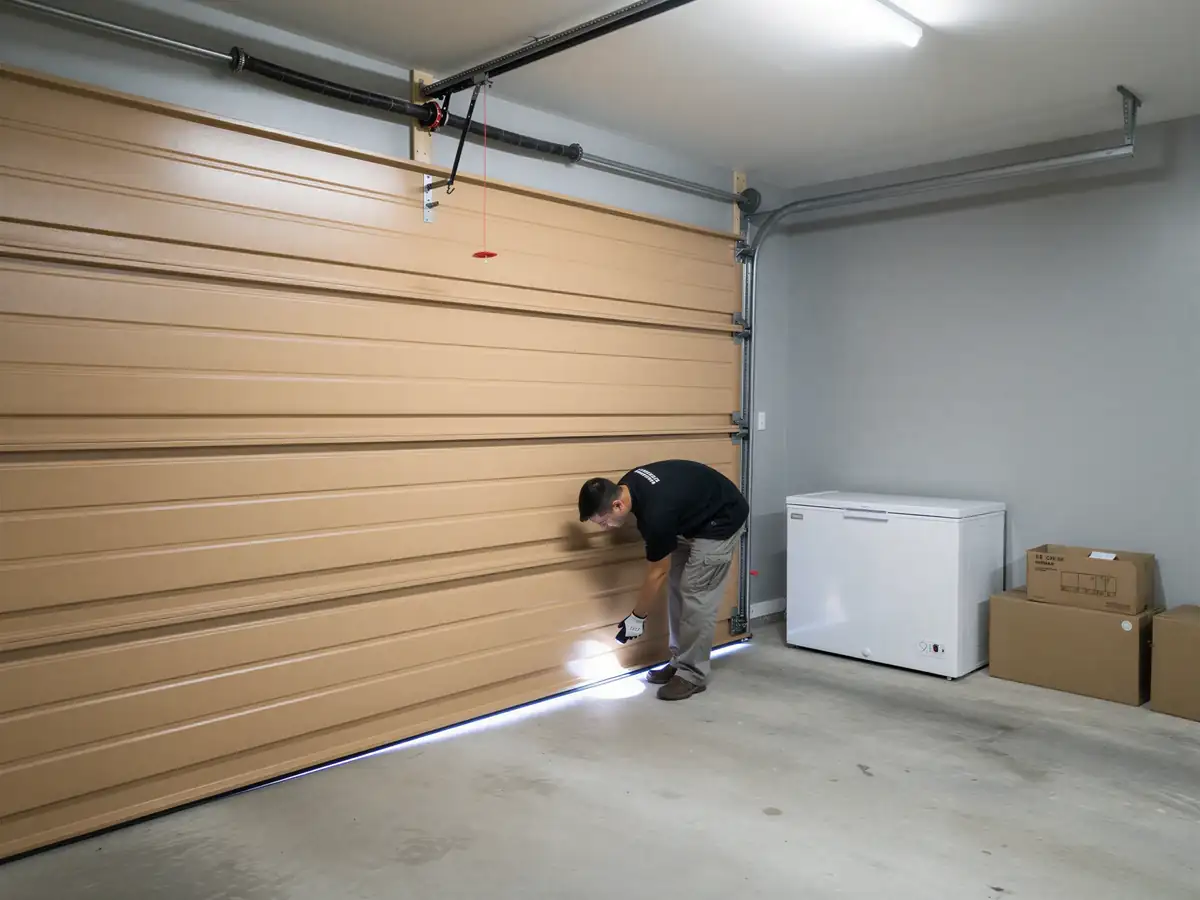
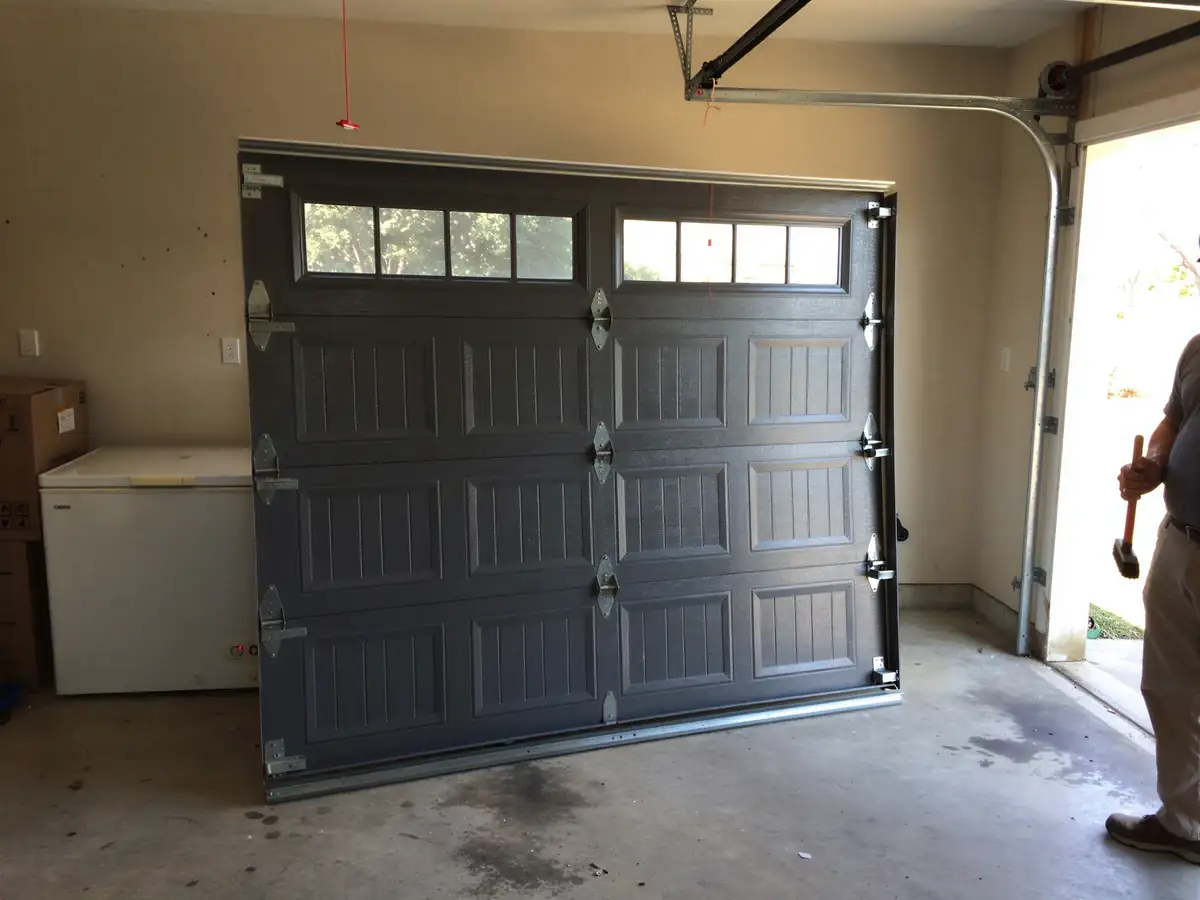
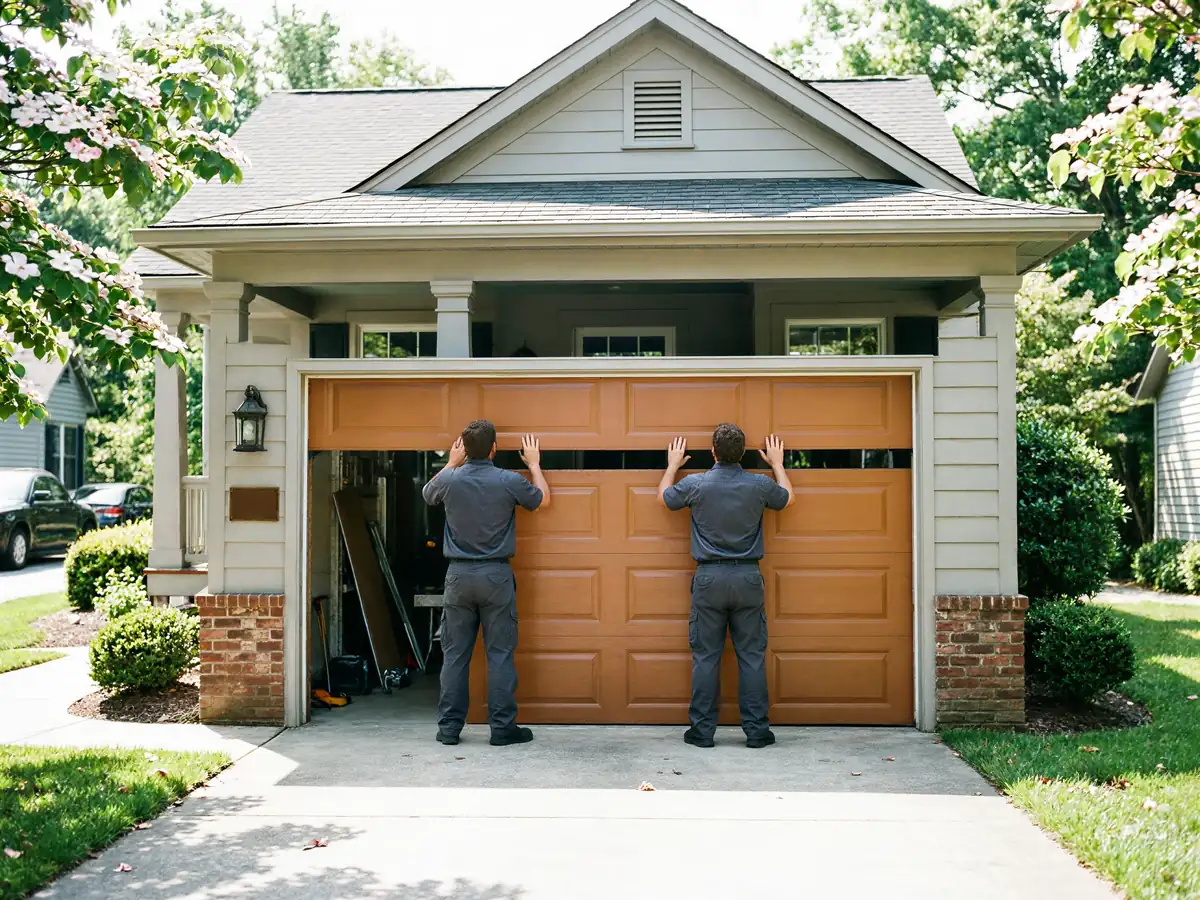
A straightforward single-door replacement on a Westport garage - pull the old door, hang new panels on existing track, set new springs - usually runs a half day once the door and hardware are on the truck. Double-door installs or jobs where we're upsizing the track and springs to handle a heavier insulated door take longer, closer to a full day, because the opener often needs a bracket adjustment or a stronger drive to handle the added weight. If the existing frame or header is out of square - which turns up more often than you'd think on builder-grade construction from the 2000s boom - we have to shim and re-square before the new door goes in, and that adds time we can't always quote over the phone. We'd rather look at the opening in person before committing to a number than guess and come in short.
The Symptom
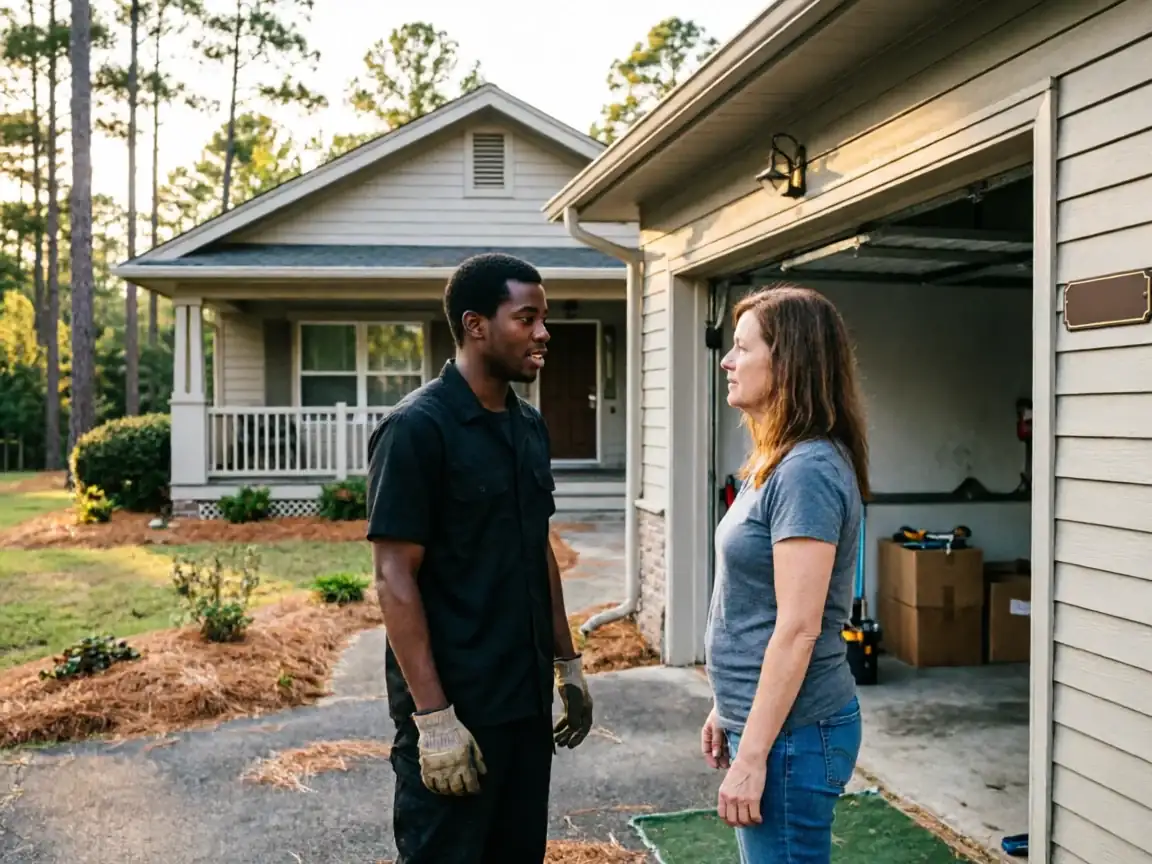
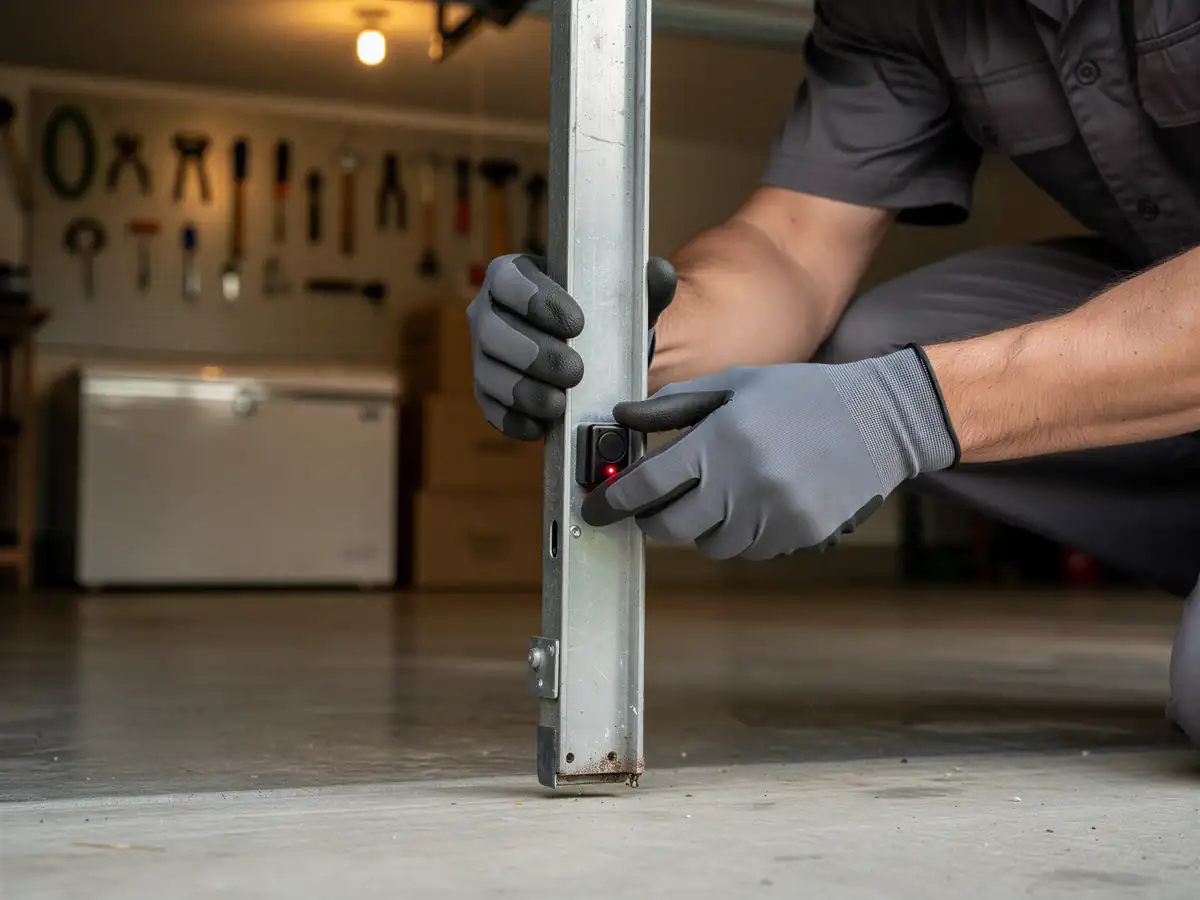
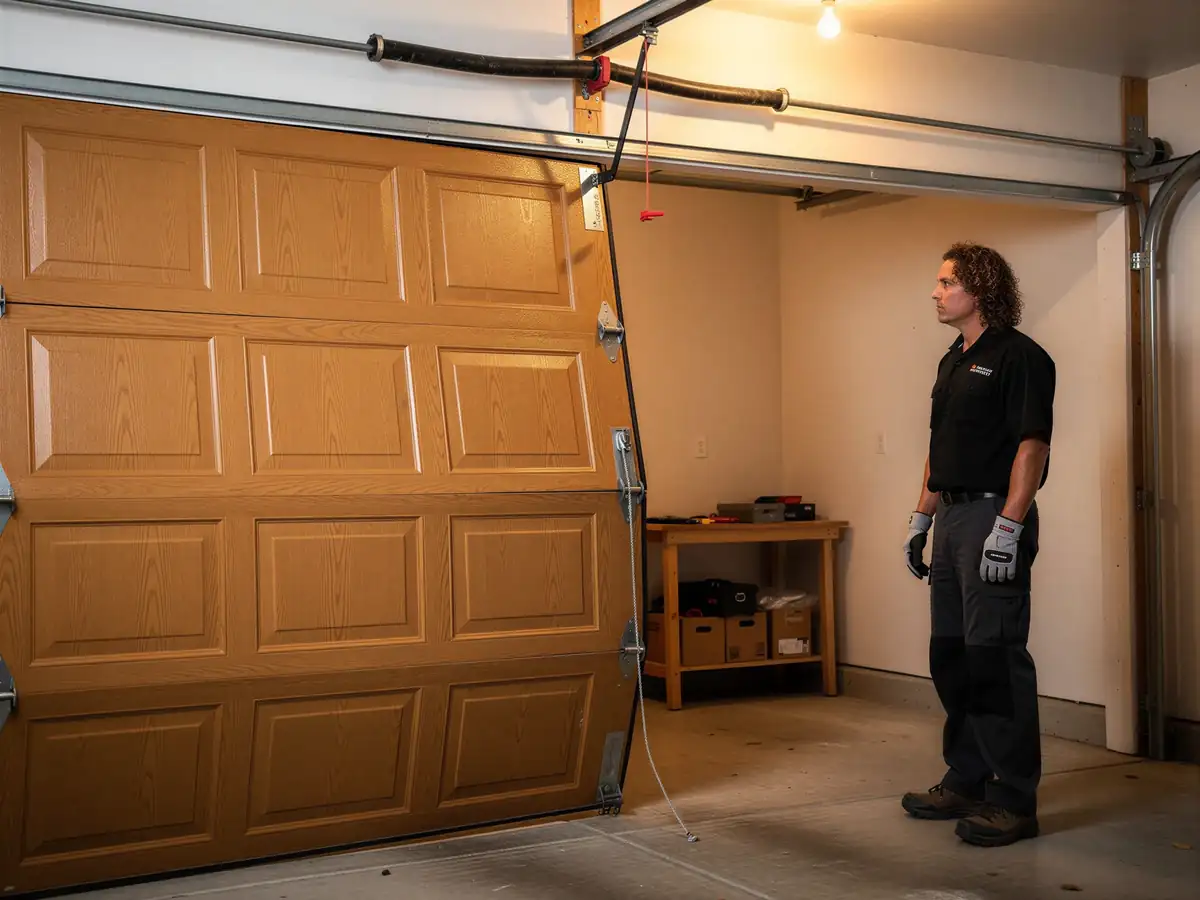
The door that brings people to us in Westport usually isn't broken yet - it's loud, or it sags a half inch at the bottom corner when it's down, or the opener strains visibly on the way up. Those are springs and panels aging out together, right on schedule for a neighborhood built around 2005. A door that's merely noisy can often be serviced rather than replaced, and we'll say so if that's the honest answer - full replacement isn't the right call just because a door is loud. But once a panel is visibly bowed or the spring has already let go, repair stops making financial sense against a new install, especially with a heavier, better-insulated door available for the upgrade.