Why It Happens Here
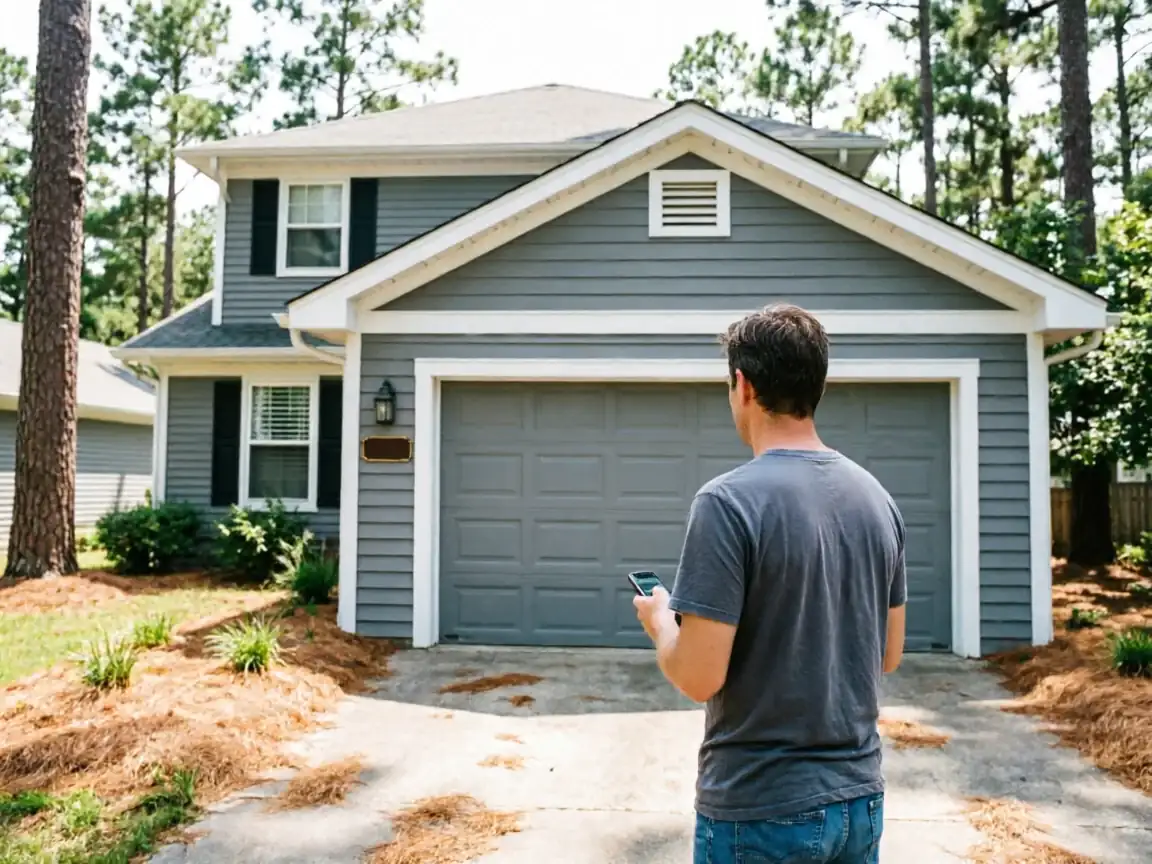
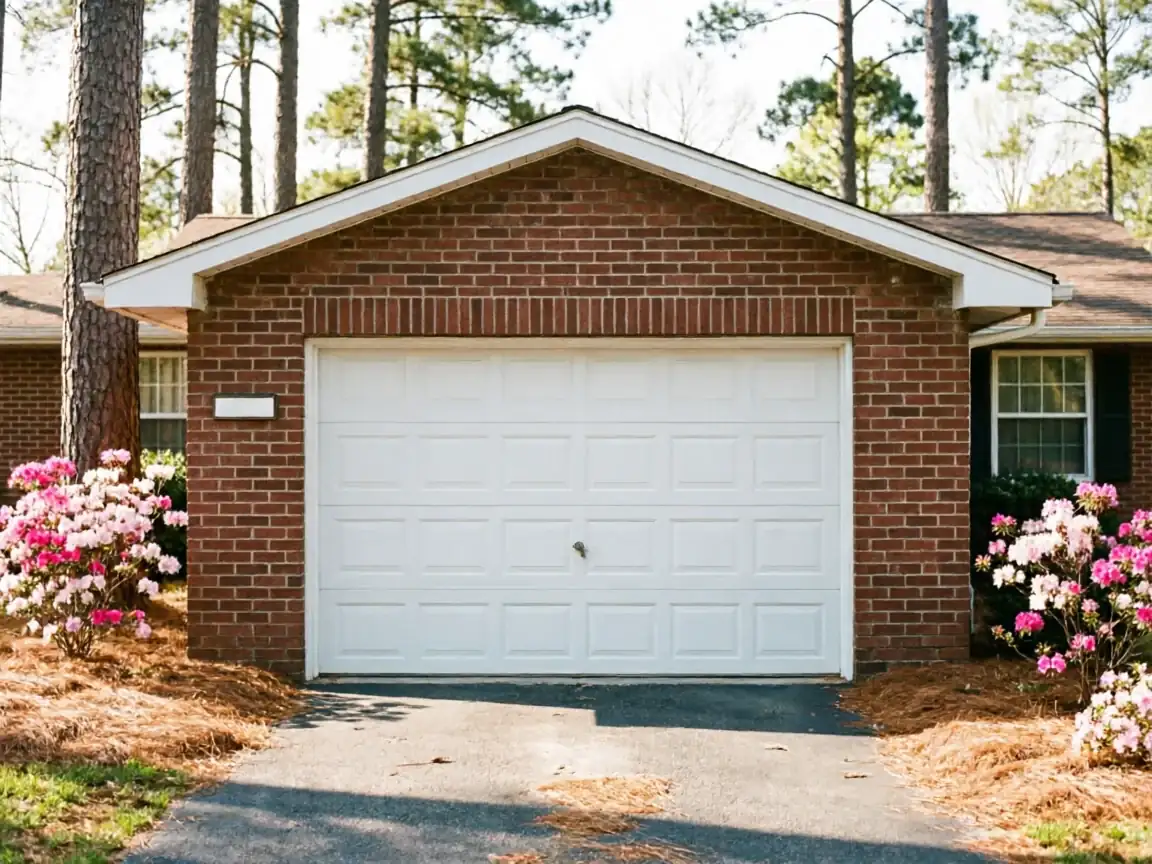
Denver's housing didn't go up all at once like some older grids closer to the lake - the 1996 median build year puts most of this stock squarely in the 1980s-90s wave that F2 flags across the wider area. Doors from that period are now 25 to 45 years old, and cables are consumable parts, not lifetime parts. A cable that's never been touched since the house was framed is well past its working life regardless of how it looks. The cold-moderate climate band this area sits in also plays a role: freeze-thaw cycling on exposed cable strands and drum ends accelerates fraying at the point where the cable wraps the drum, which is usually where we find the failure, not in the middle of the run.
What It Costs
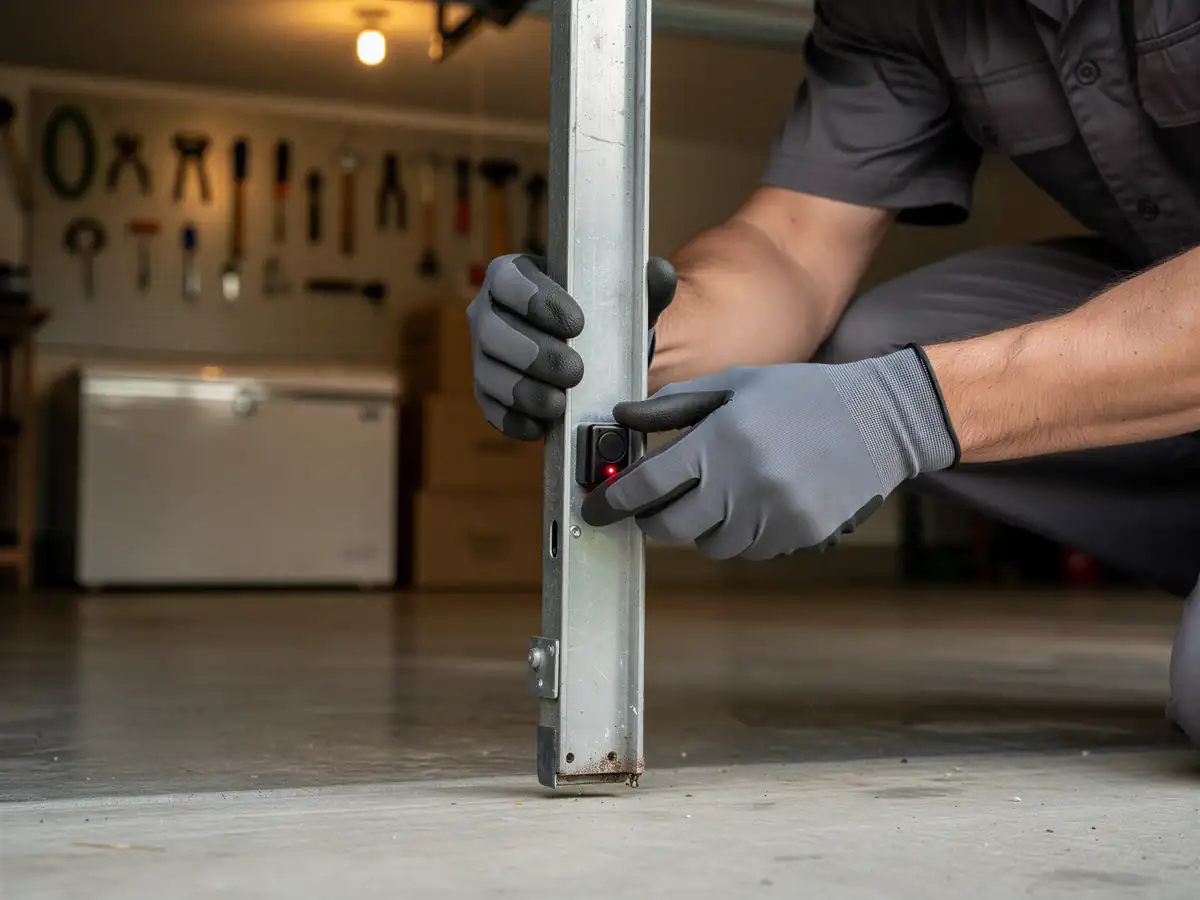
We don't have a posted price for Denver calls specifically, and we're not going to invent one. What we can tell you is what drives the number: whether one cable broke or both, whether the drum or spring also needs attention because of how the door came down, and whether the opener's safety sensors took any damage on the way. A single snapped cable on a balanced door is the simplest version of this job. A door that dropped unevenly and bent the track is a different estimate. We'll give you a number for your specific door after we look at it, not before.
The Complications
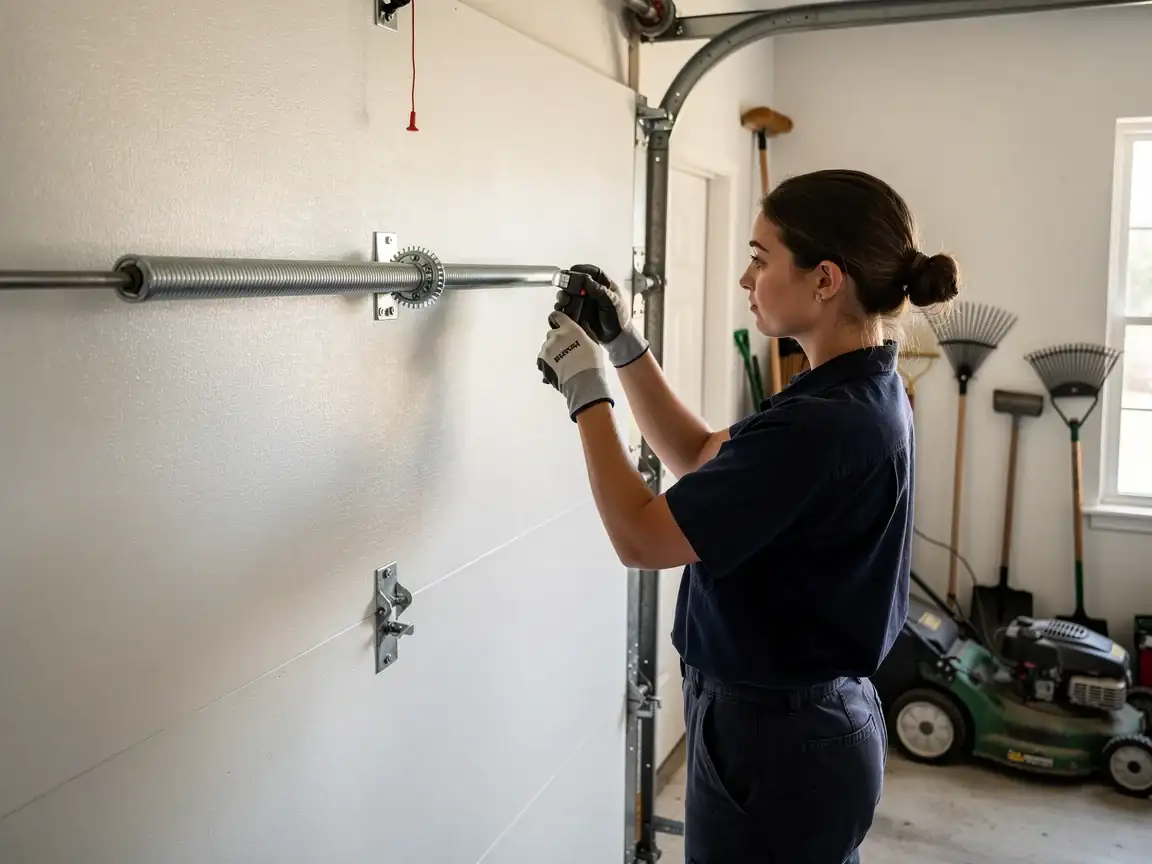
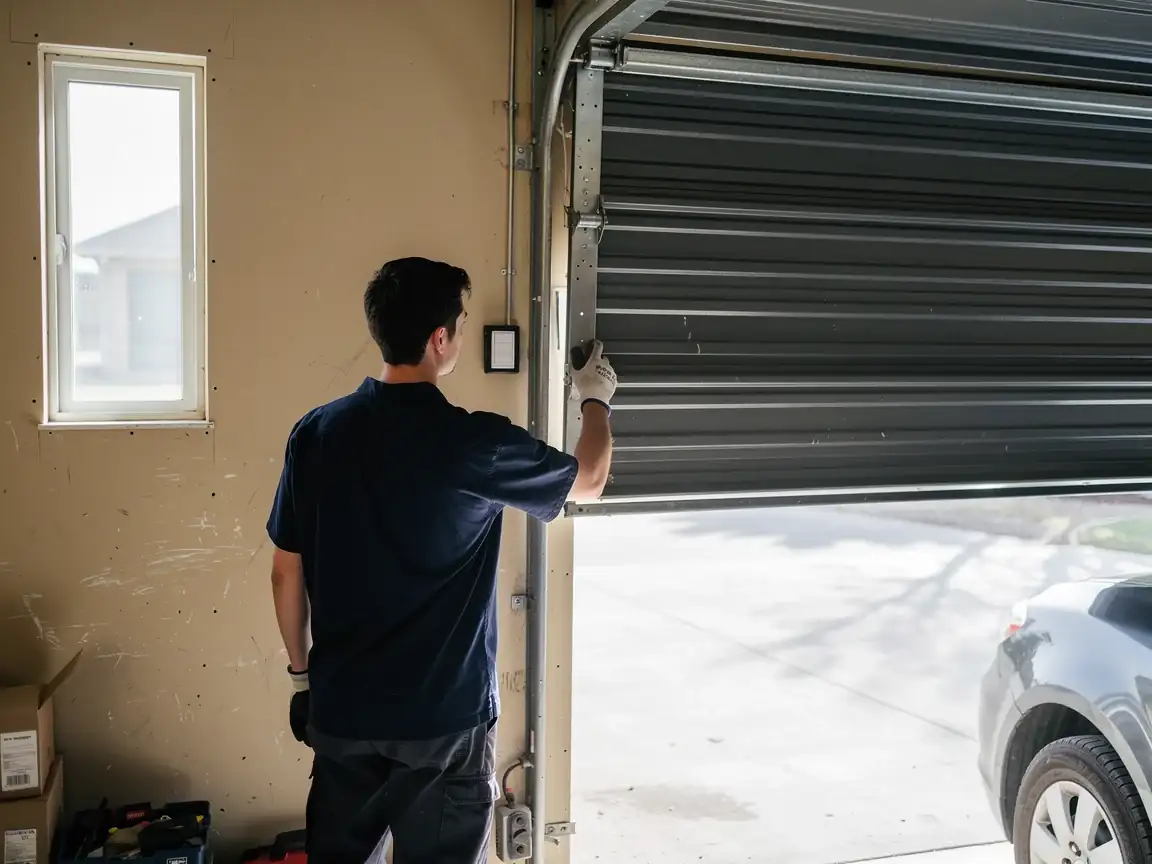
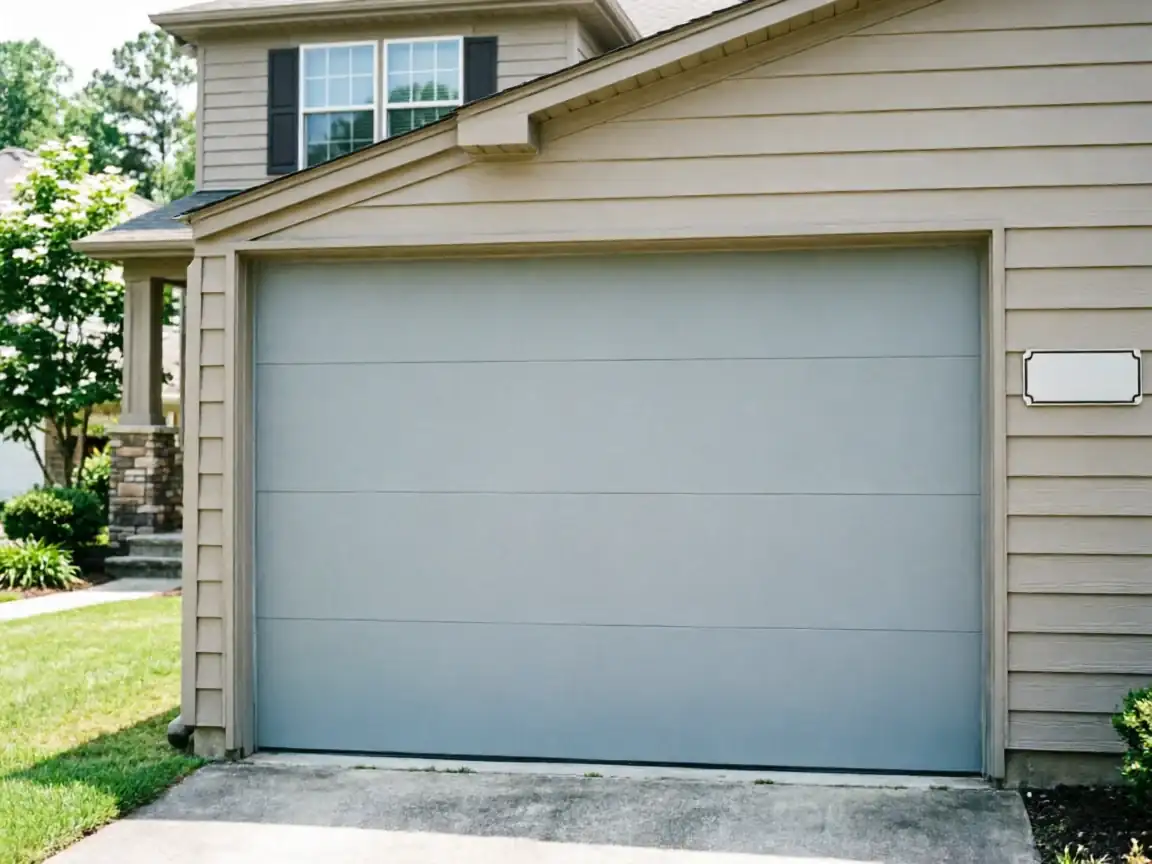
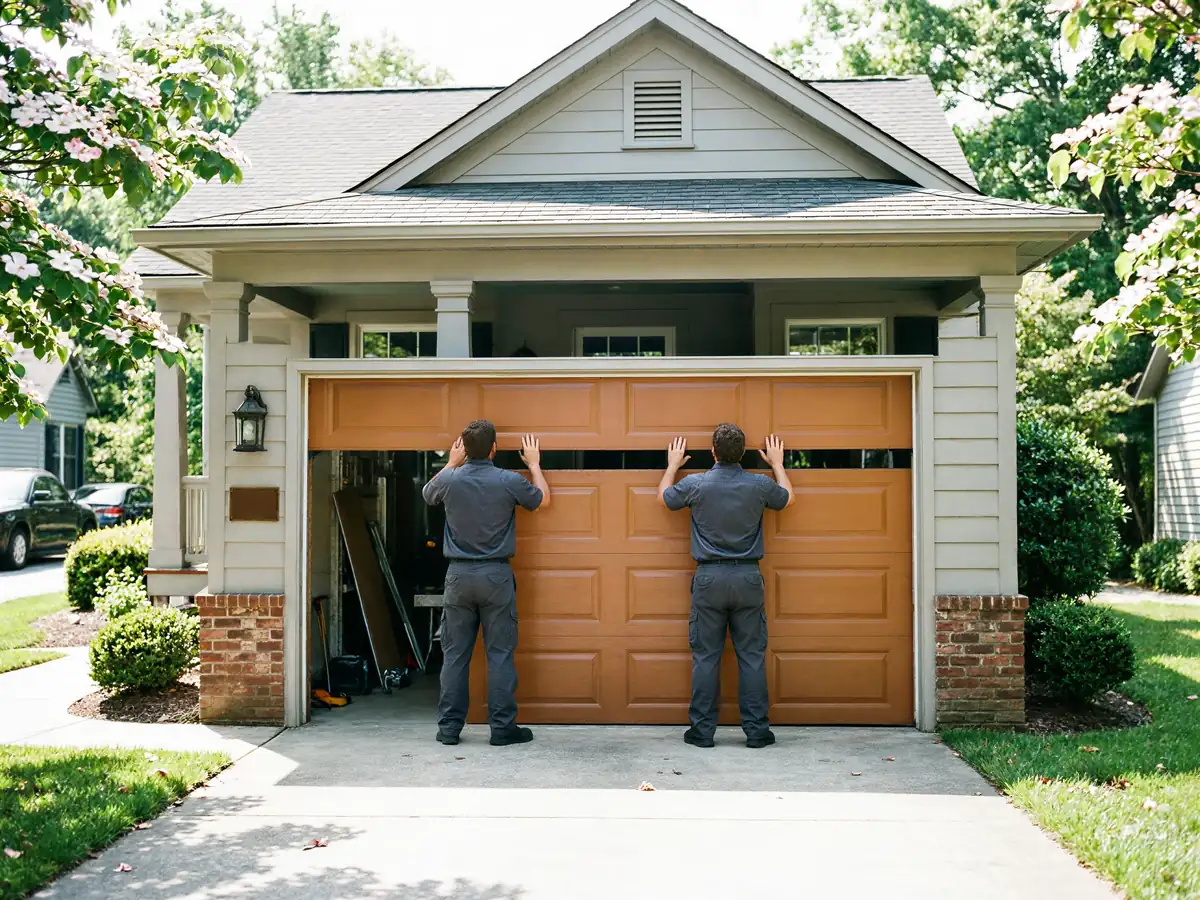
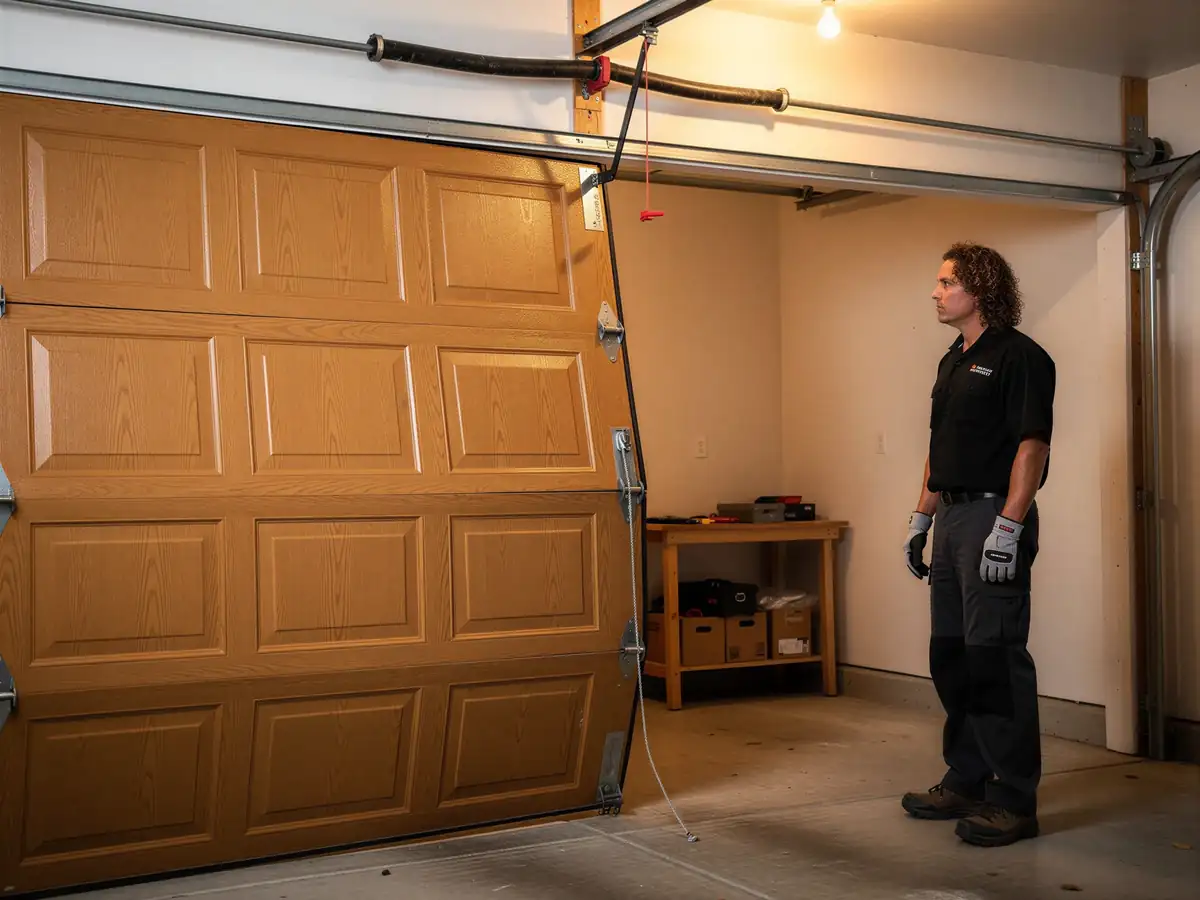
A broken cable on a double door built in the mid-90s rarely travels alone. When a cable snaps, the door often comes down crooked, and a crooked drop can tweak the track, dent a bottom panel, or stress the opener's drive gear trying to compensate. On 986 households' worth of garage doors in this area, we see the same pattern often enough to check for it every time: one side's cable goes, the door racks sideways a few degrees, and now the complaint isn't just 'the cable broke,' it's 'the door won't sit flush.' We check both cables, both drums, and the track alignment on every call, not just the side that failed, because the other cable from the same installation is usually close behind it.
The Symptom
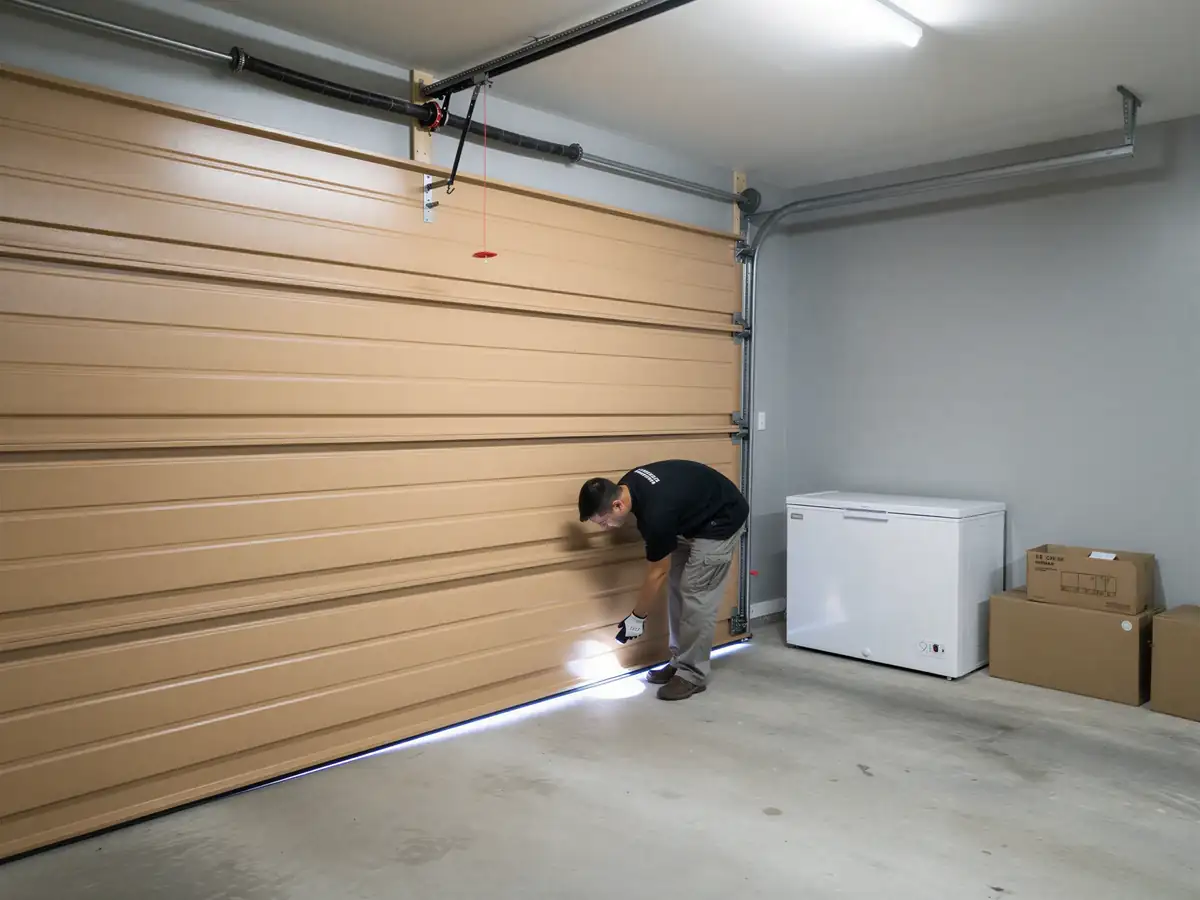
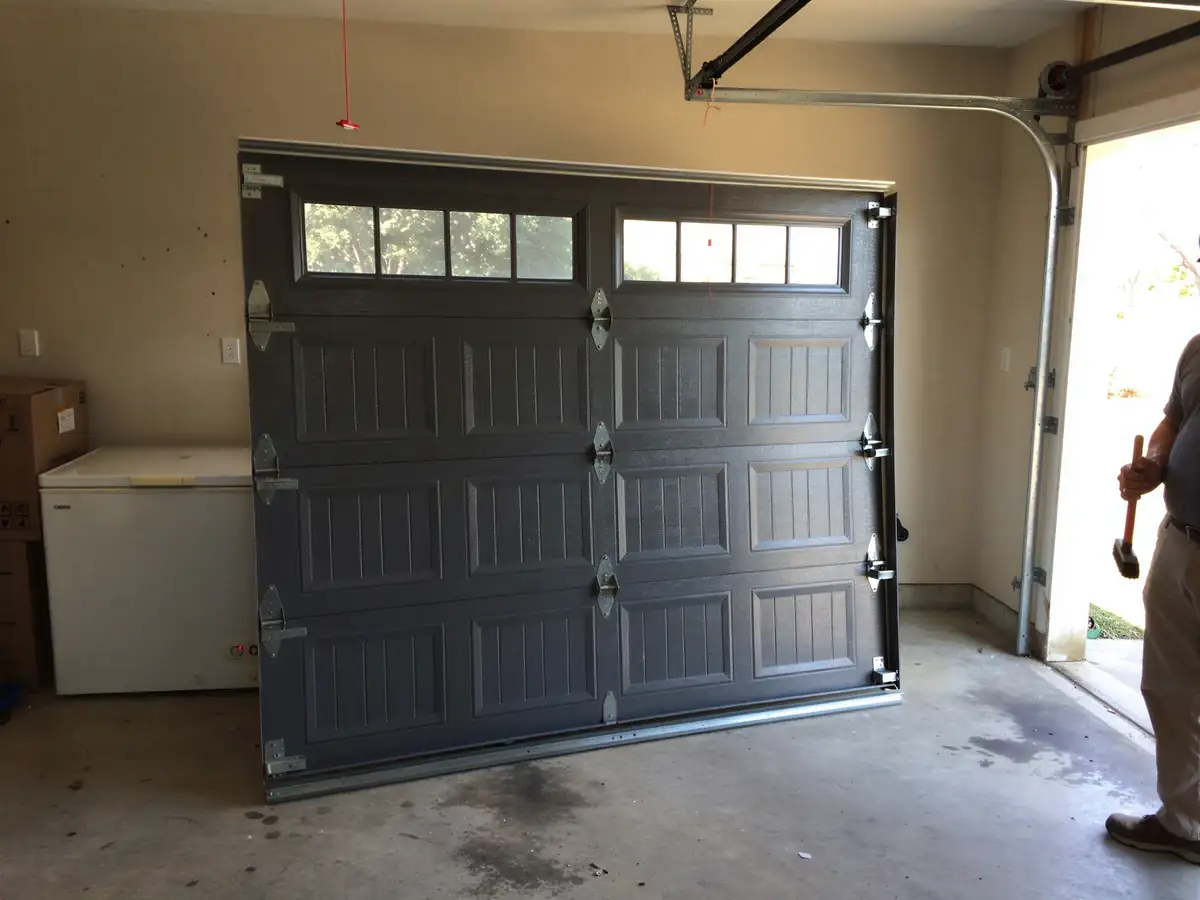
You'll usually know before we tell you: one side of the door hangs lower than the other, or the door won't move at all and the opener strains against it. Sometimes it's a loud bang followed by the door refusing to budge - that's a cable letting go under tension, not a mechanical jam you can force past. With median household income in Denver at $73,393, a lot of homeowners here try the DIY route first, which is fine for some jobs, but a cable under spring tension is not one of them. If you see a frayed cable, slack cable at the bottom bracket, or a door sitting at an angle, stop using the opener and call before anyone gets near it.