What Is on the Truck
For a maintenance call in Denver, the truck carries what a door built around 1996 actually needs
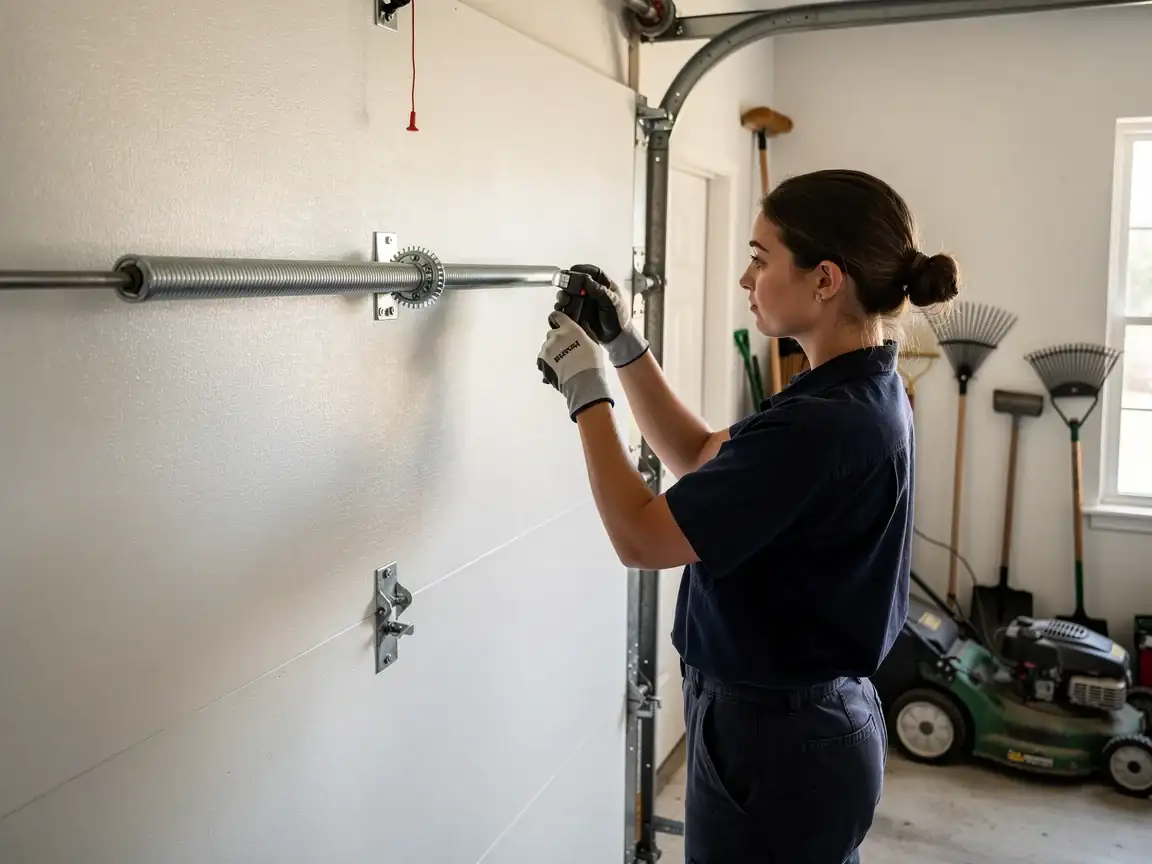
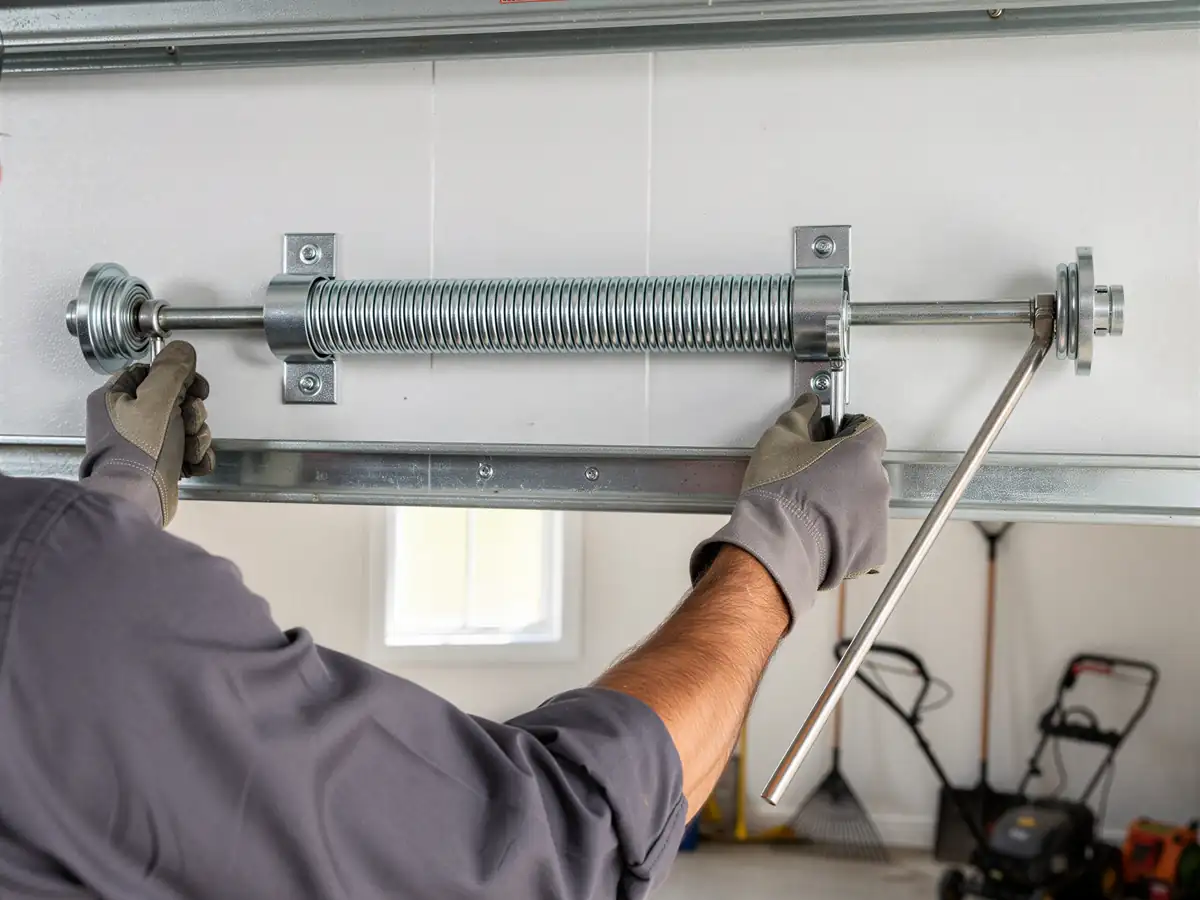
Torsion springs sized for the standard 7-foot sectional doors that went up through that build era, steel rollers and nylon rollers both, lubricant rated for the cold-moderate swings this area gets, and replacement cables for the fraying that shows up on doors pushing past the 25-year mark. We also carry limit switches and safety sensor brackets, since openers from the mid-90s to early 2000s are the ones most likely showing wear in those parts right now.
What we don't carry is a guess
If a part on a Denver door turns out to be a discontinued size - which happens more on doors from the late 1990s than on newer stock - that's a special order, not a same-visit fix. We'll tell you that on the spot rather than pretend otherwise.
Why It Happens Here
Denver's housing centers on a median build year of 1996, which puts a lot of doors and openers in that 25-to-30-year window where springs are near the end of their cycle count and chain-drive openers start grinding instead of running quiet. That's distinct from a neighborhood built mostly in the 2000s or 2010s, where the same inspection turns up different problems - newer belt drives, newer torsion hardware, fewer rollers needing replacement.
With roughly 986 households in Denver, a lot of these doors came in during the same few years of a single building push, which means the same spring fatigue and the same opener wear show up on a lot of driveways at once, not spread evenly across decades the way it might in an older or newer town. Add in the cold-moderate climate swings this part of the region sees, and metal fatigue on springs gets a modest push from temperature cycling on top of age.
What It Costs
We don't have a flat rate to quote you here, and we won't pretend one exists. What we can tell you is what tends to drive the number on a Denver maintenance visit: whether the springs are original to a 1996-era door (near end of life and due for replacement rather than just lubrication), whether rollers are steel versus the nylon that wears faster, and whether the opener's safety sensors need realignment or replacement.
Denver's median household income sits at $73,393, a bit under the wider service area's $76,158, and most of our maintenance customers here are weighing a tune-up against full spring replacement rather than a full door swap - the door itself usually still has life left even when the hardware doesn't.
Time on the Job
A standard maintenance visit
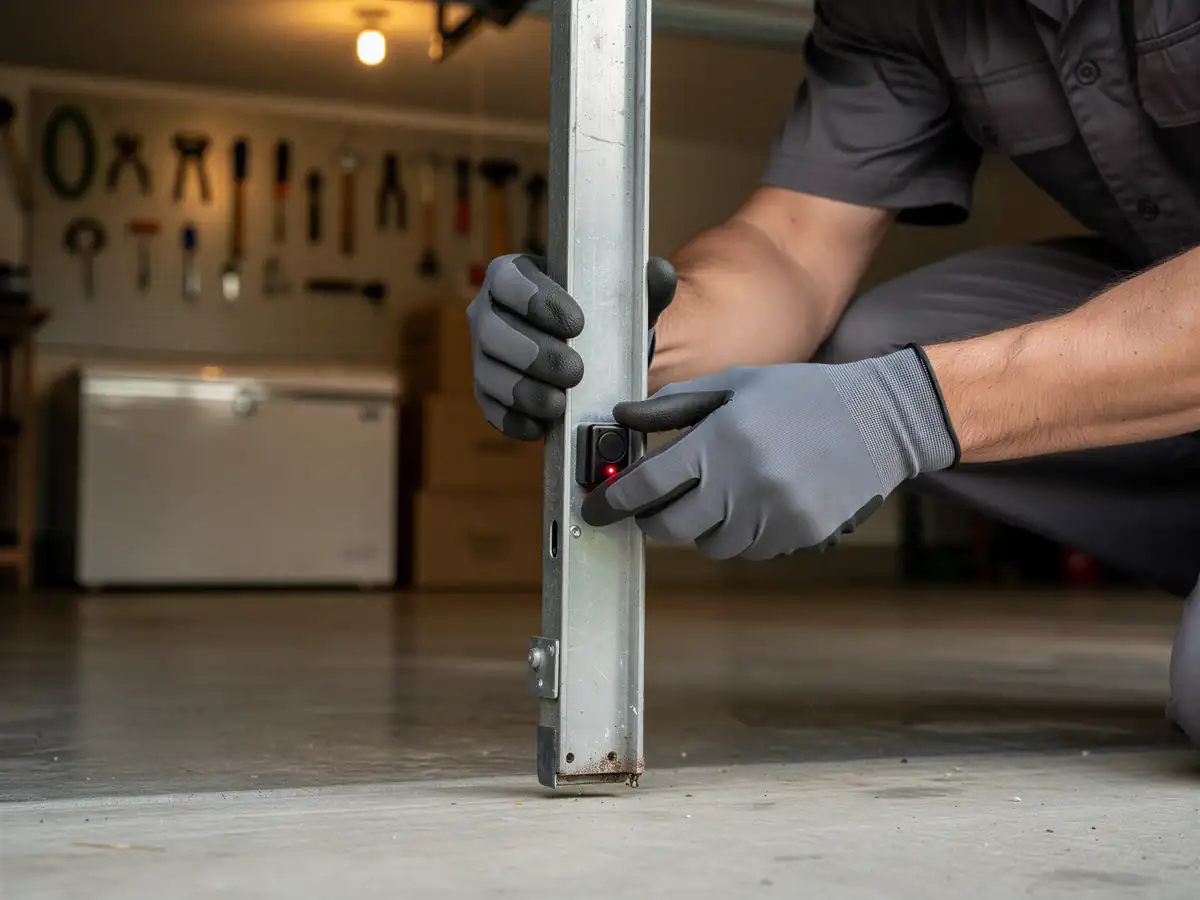
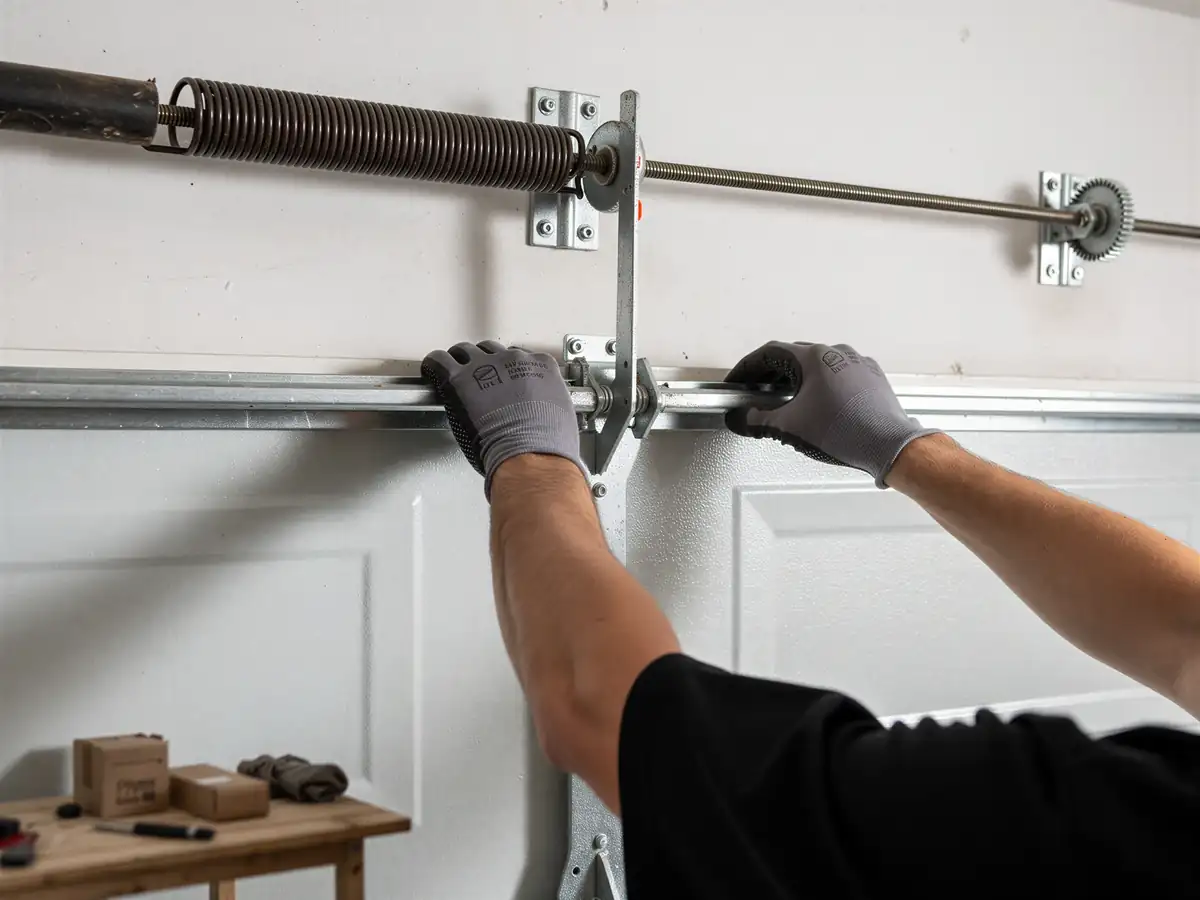
Lubrication, hardware check, spring tension check, roller inspection, opener sensor alignment - usually runs under an hour once the truck is on site. Where it runs longer in Denver specifically is when a 1996-era torsion spring turns out to be past safe adjustment and needs full replacement instead of a tune-up; that adds time for setup, tensioning, and a safety check on the cable drums, which wear alongside springs that old.
We're coming from Cornelius, about 10 miles out
So travel time to Denver is part of scheduling a visit, but it isn't part of the job itself once we're there.
- 10 miles
The Complications
The complication we run into most in Denver is a door and opener that were installed together around 1996 and have never been serviced since - which means lubrication has dried out, the opener's force settings are off from accumulated wear, and the springs are carrying more cycles than they were rated for. Fixing one piece without checking the others is how a maintenance visit turns into a return trip.
The honest limitation: if a part on an older Denver door is discontinued or a nonstandard size for that era, we may need to special-order it rather than complete everything in one visit. We'll flag that up front rather than string a job along.
The Symptom
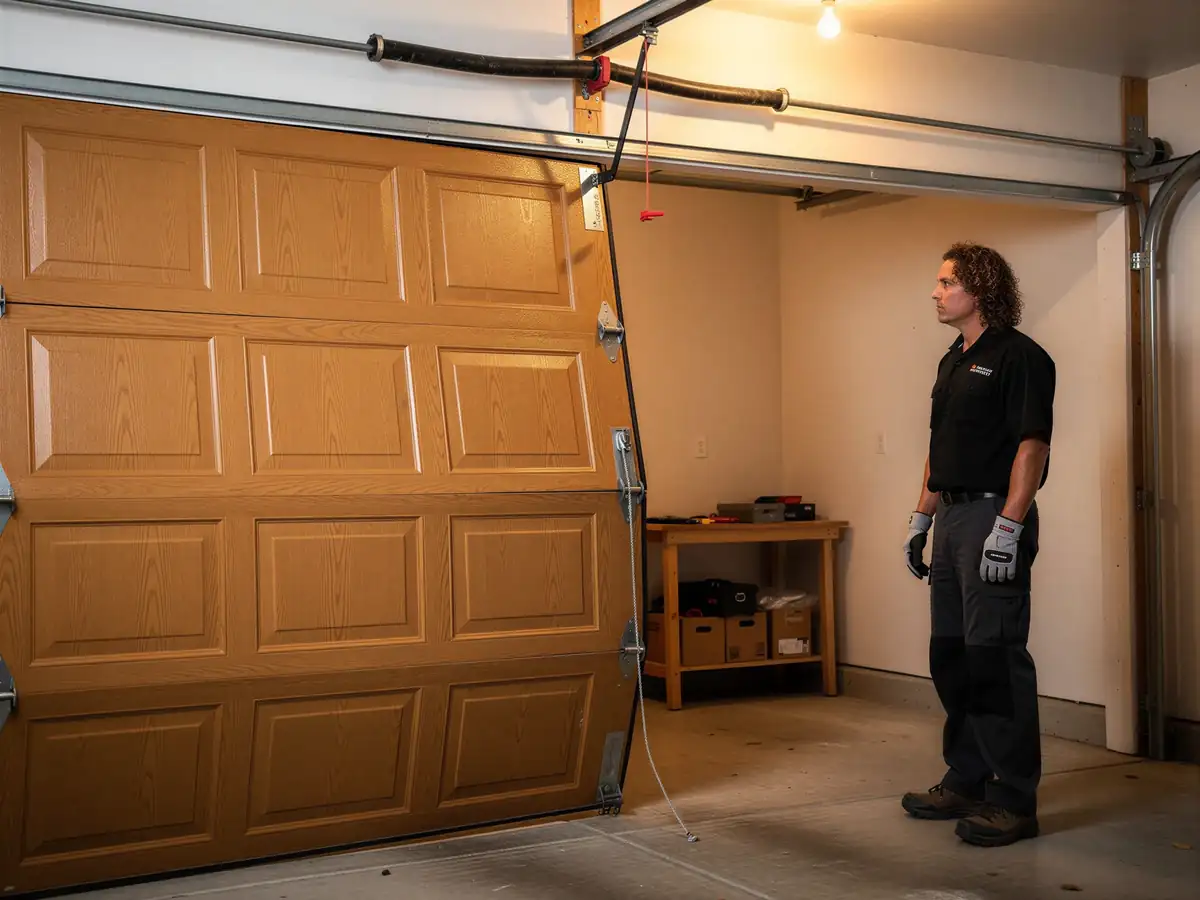
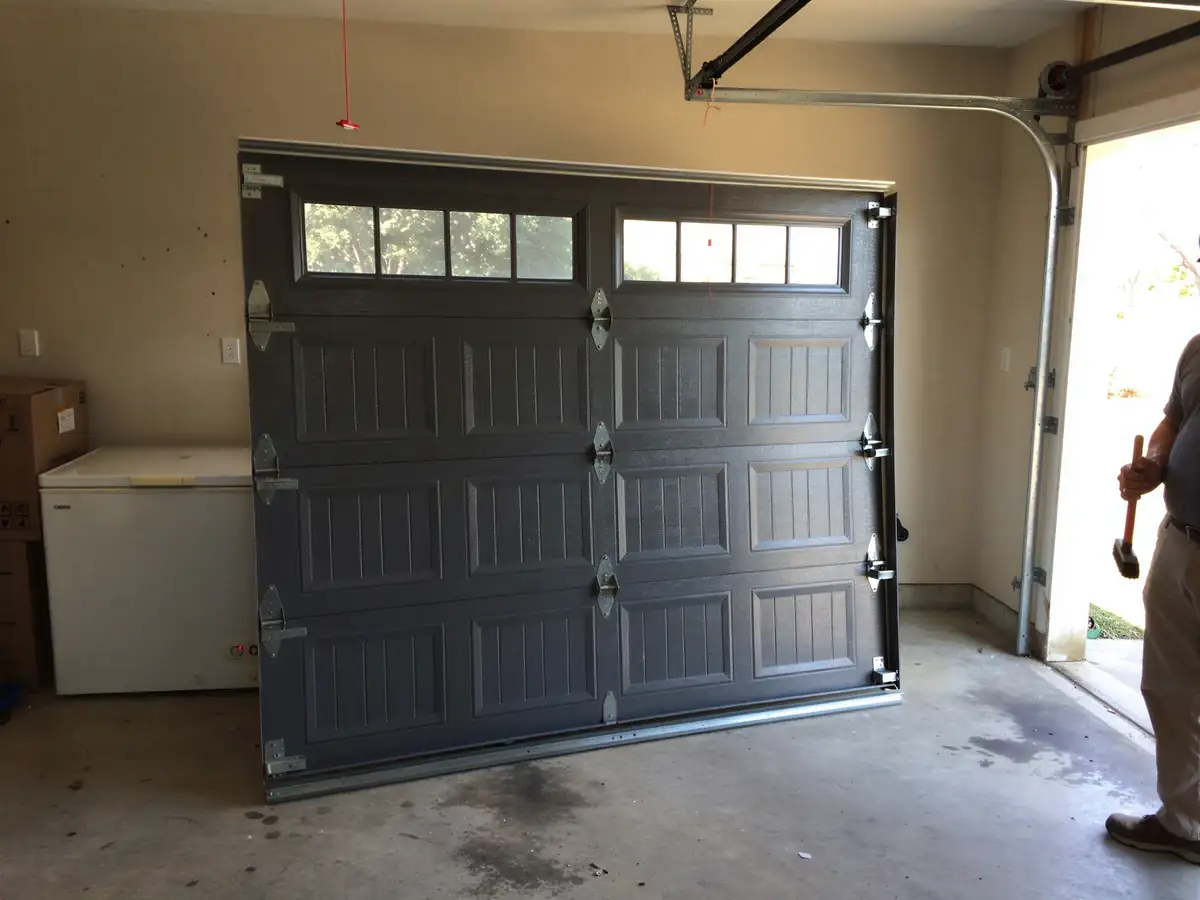
The door that groans going up, hesitates partway, or reverses without explanation. On a Denver house from the 1996 build era, that's usually not a mystery - it's a spring that's lost tension, rollers that have worn out of round, or an opener sensor that's drifted out of alignment after years of vibration. None of those get better with time, and all three are routine maintenance work, not emergency replacement, if they're caught before a cable snaps or a panel takes damage from an unbalanced door.