Why It Happens Here
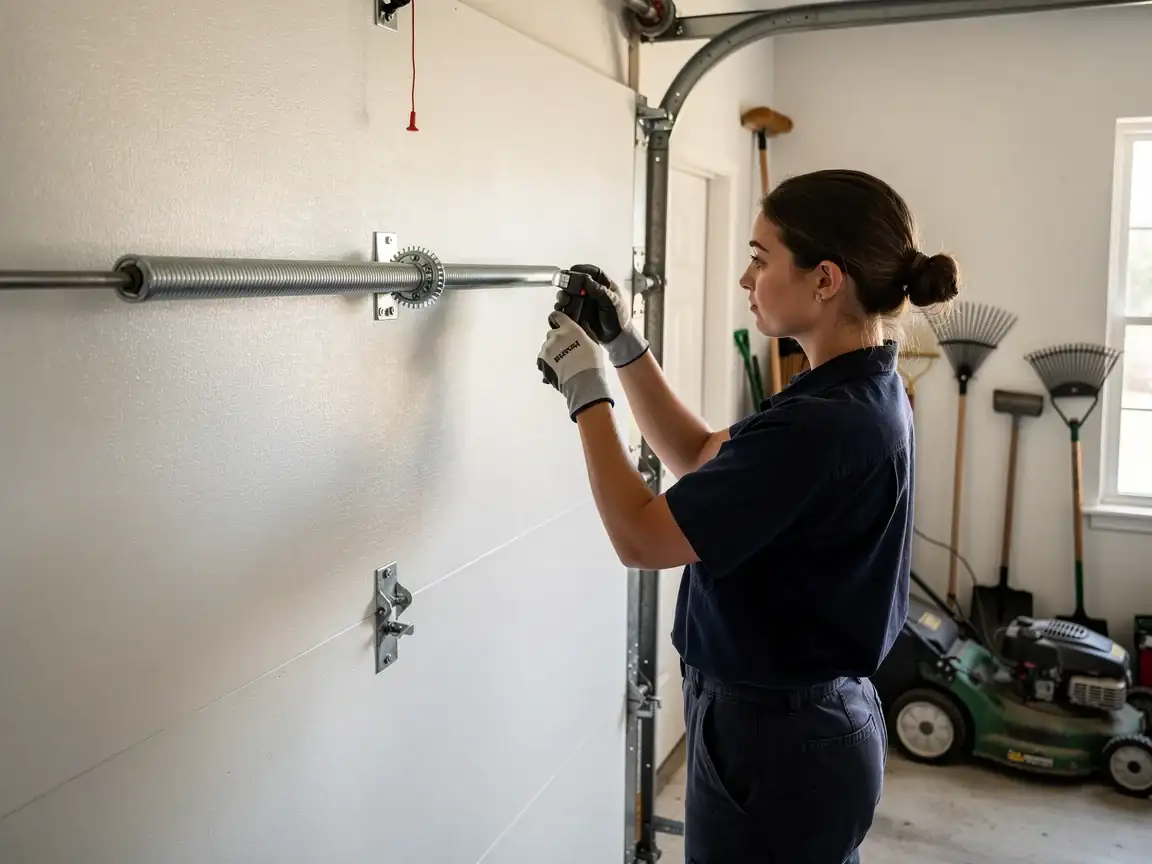
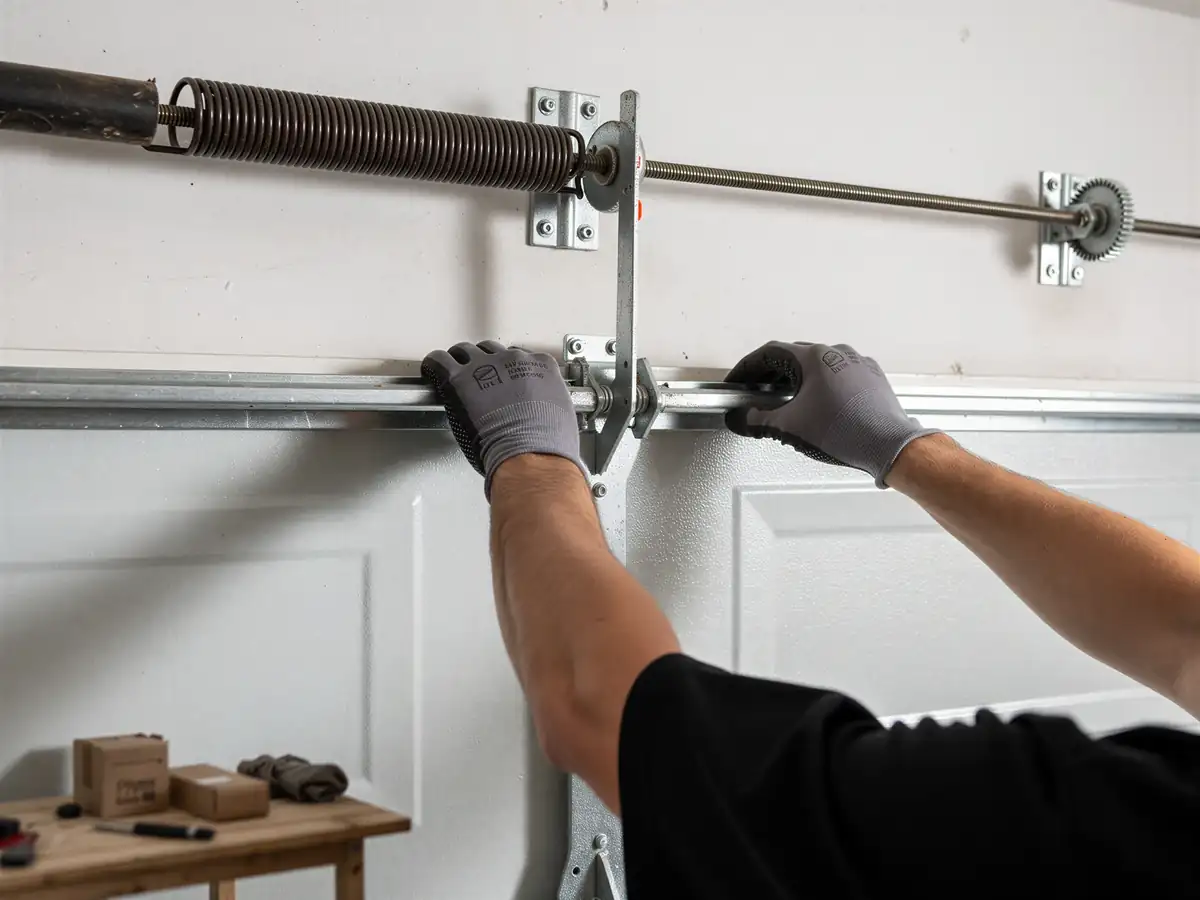
A torsion spring is rated for a number of open-close cycles, not a number of years, and most residential springs are good for somewhere around 10,000 cycles under normal use. A house built in 1996 has had nearly thirty years of door cycles running through its hardware. Even at modest daily use, that math catches up with a spring eventually, and it usually fails on a cold morning because cold steel is more brittle and the metal has less give left in it after decades of flexing. Denver sits in the same cold-moderate climate band as the rest of this service area, so winter mornings are when we see the call volume shift toward snapped springs rather than opener faults. If your spring is original to a 1996-era build, it isn't a question of if it breaks, it's which winter.
What It Costs
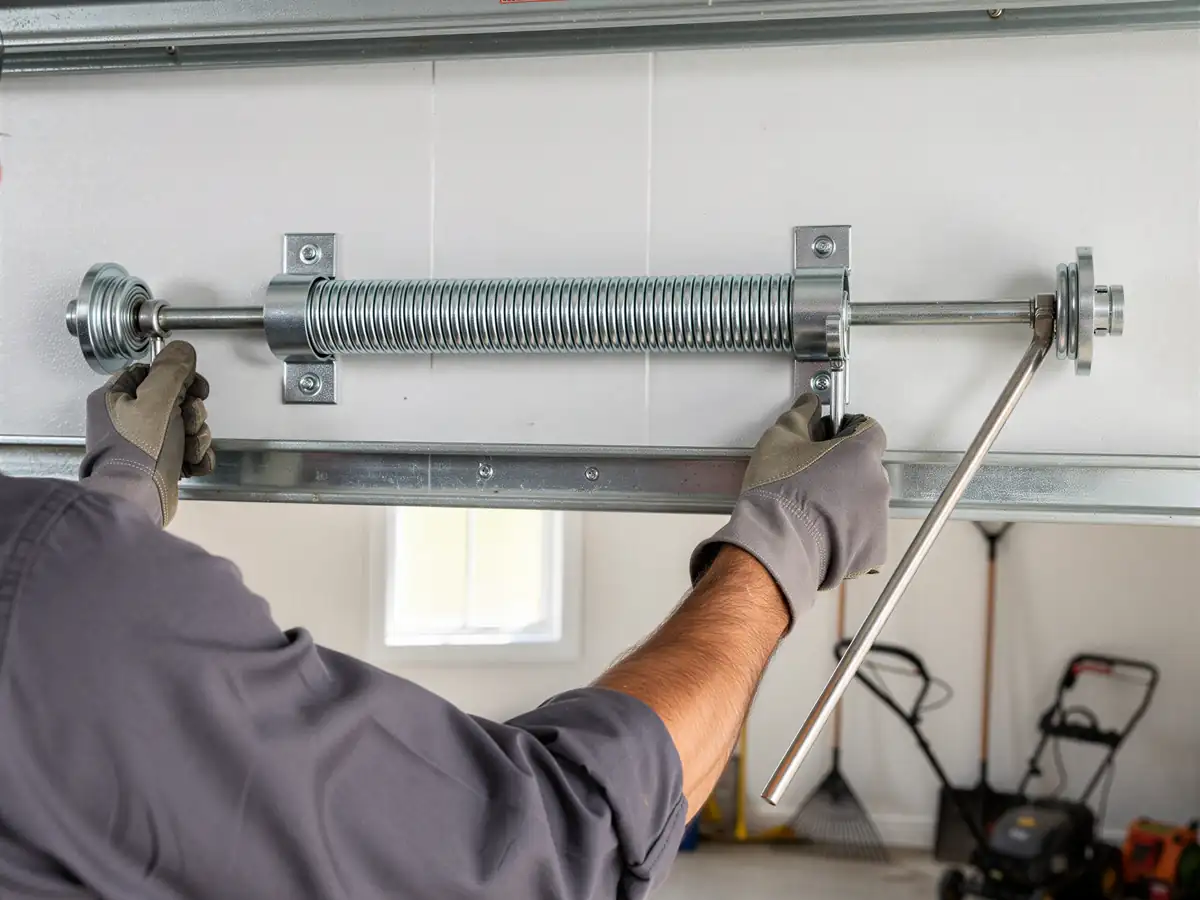
We don't have a flat number to quote in writing here because spring jobs vary with the door's weight, whether it runs one spring or two, and whether the drums or cables need replacing alongside the spring itself - a single-spring failure on a lighter door is a different job than a dual-spring setup on a heavier insulated panel. What we can tell you is that replacing both springs at once, even when only one has broken, tends to cost less in the long run than paying for a second truck trip when the other one lets go a few months later, which is common when both springs are the same age. We price the job after we see the door, not before.
The Complications
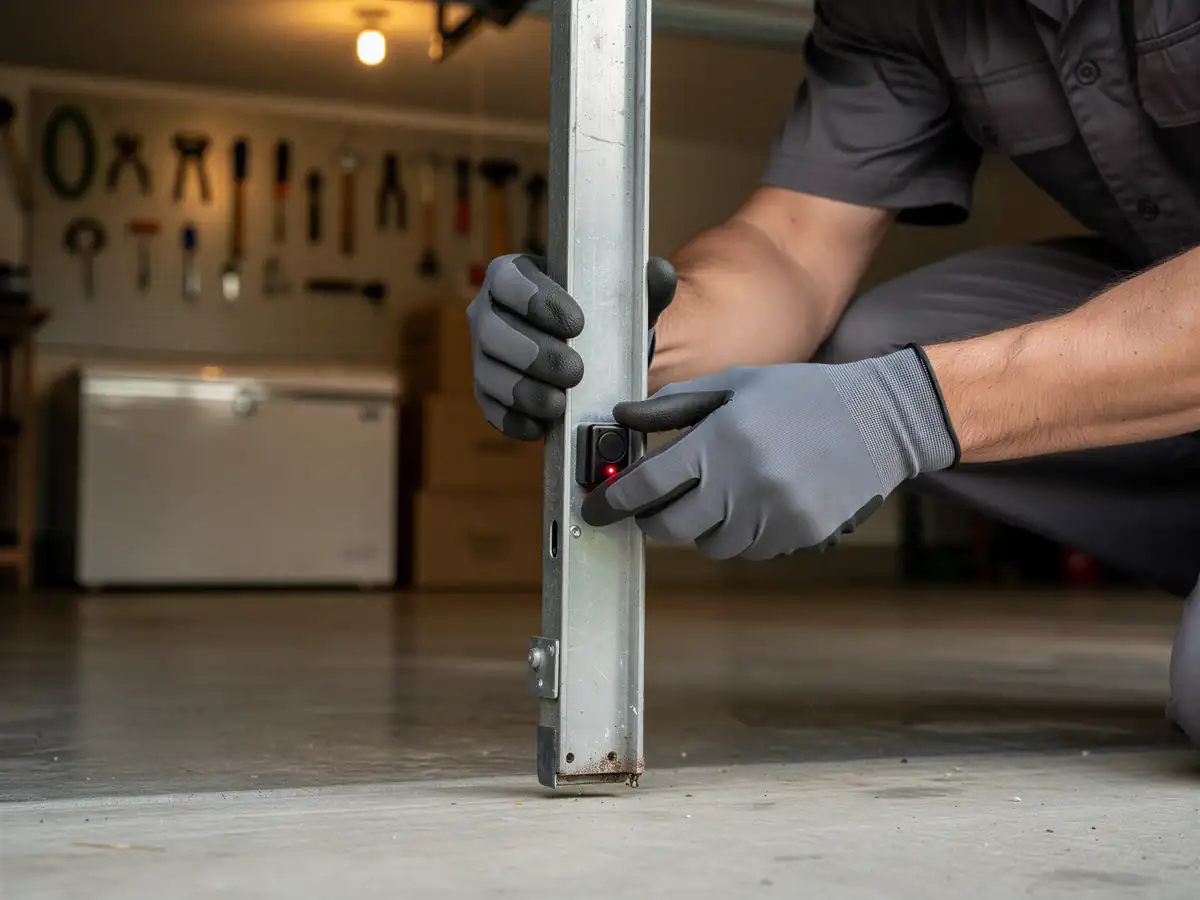
Denver's households sit at a median income of $73,393, a bit under the $76,158 median across the broader area we cover, and across the service area there are roughly 29,472 owner-occupied houses out of 45,713 households total. That mix matters for spring jobs because older owner-occupied houses are more likely to still have their original opener wired straight to an aging spring system, with no safety sensor upgrades done in between. When a spring finally lets go on a setup like that, we often find the opener's travel limits and force settings were never adjusted after the original install, which means a spring swap alone won't fix a door that's also slamming or reversing oddly. We flag that separately rather than bundling it into the spring repair quote, since it's a different fix.
The Symptom
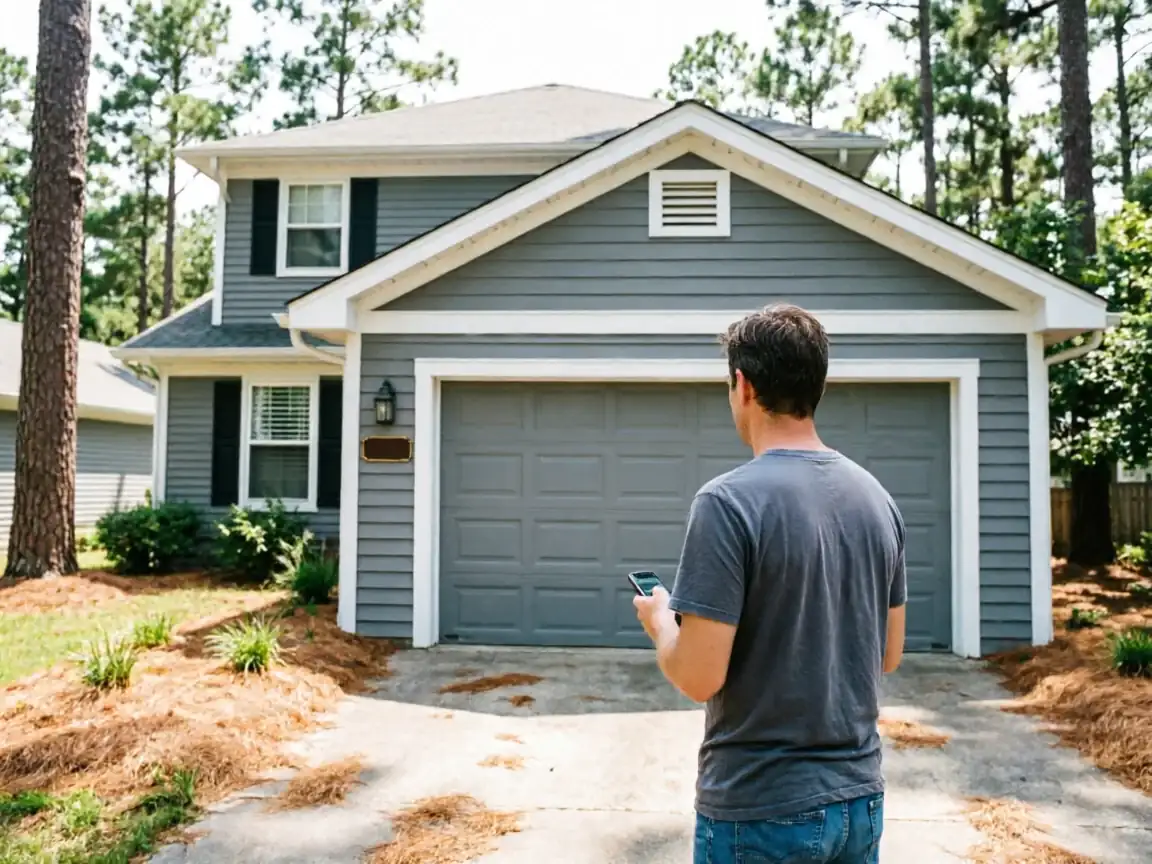
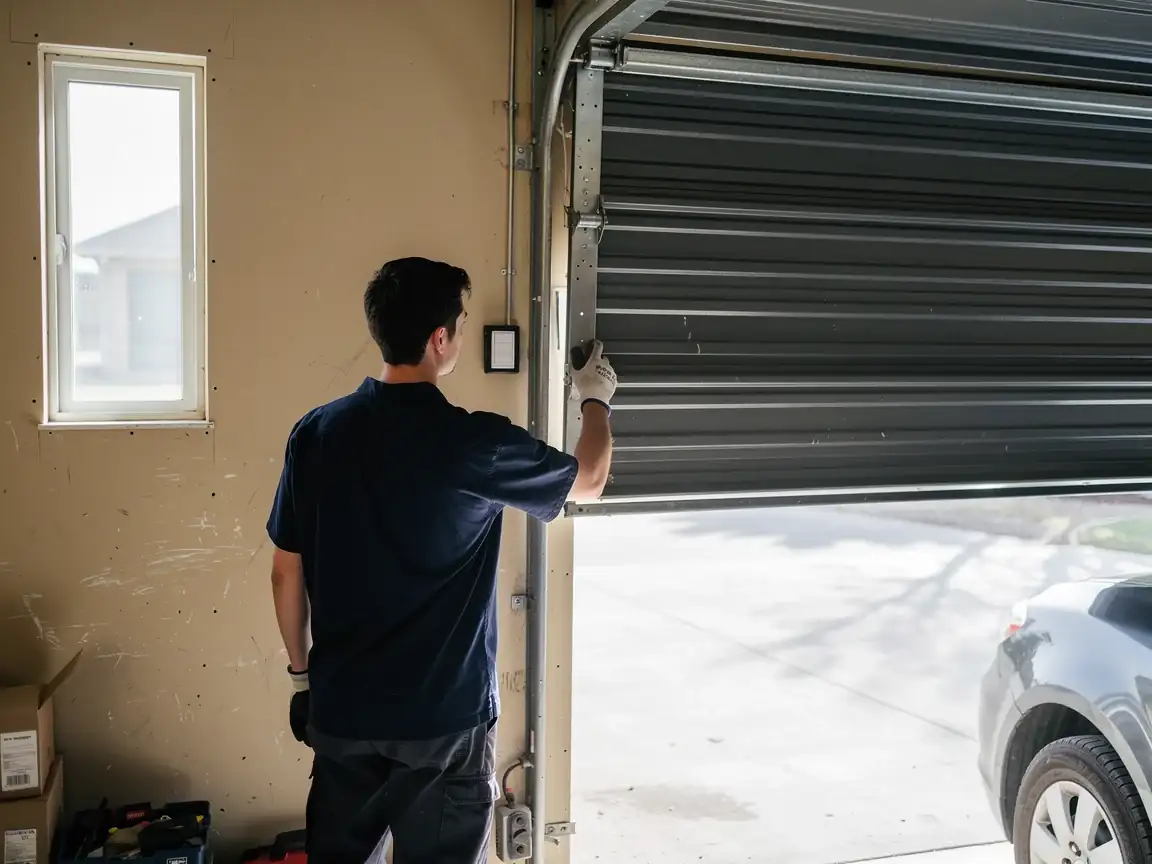
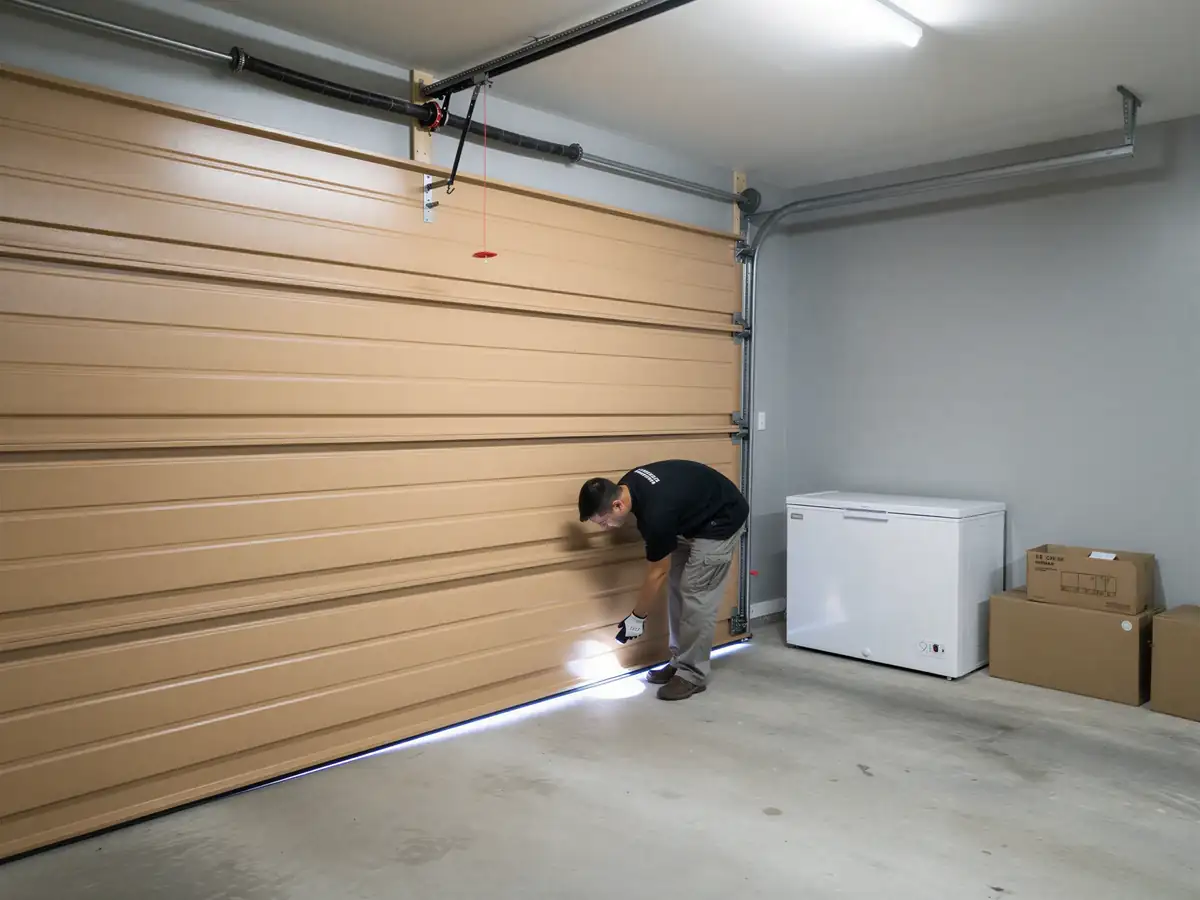
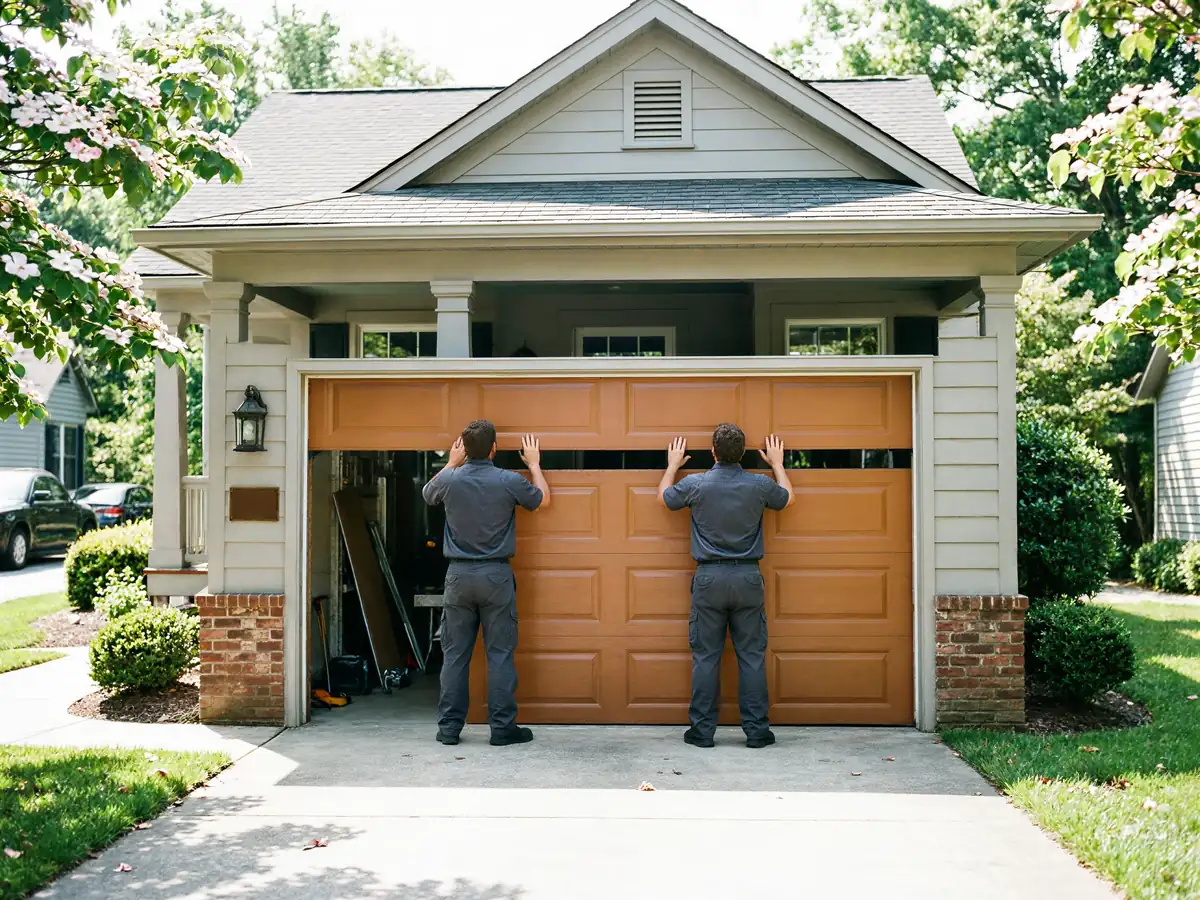
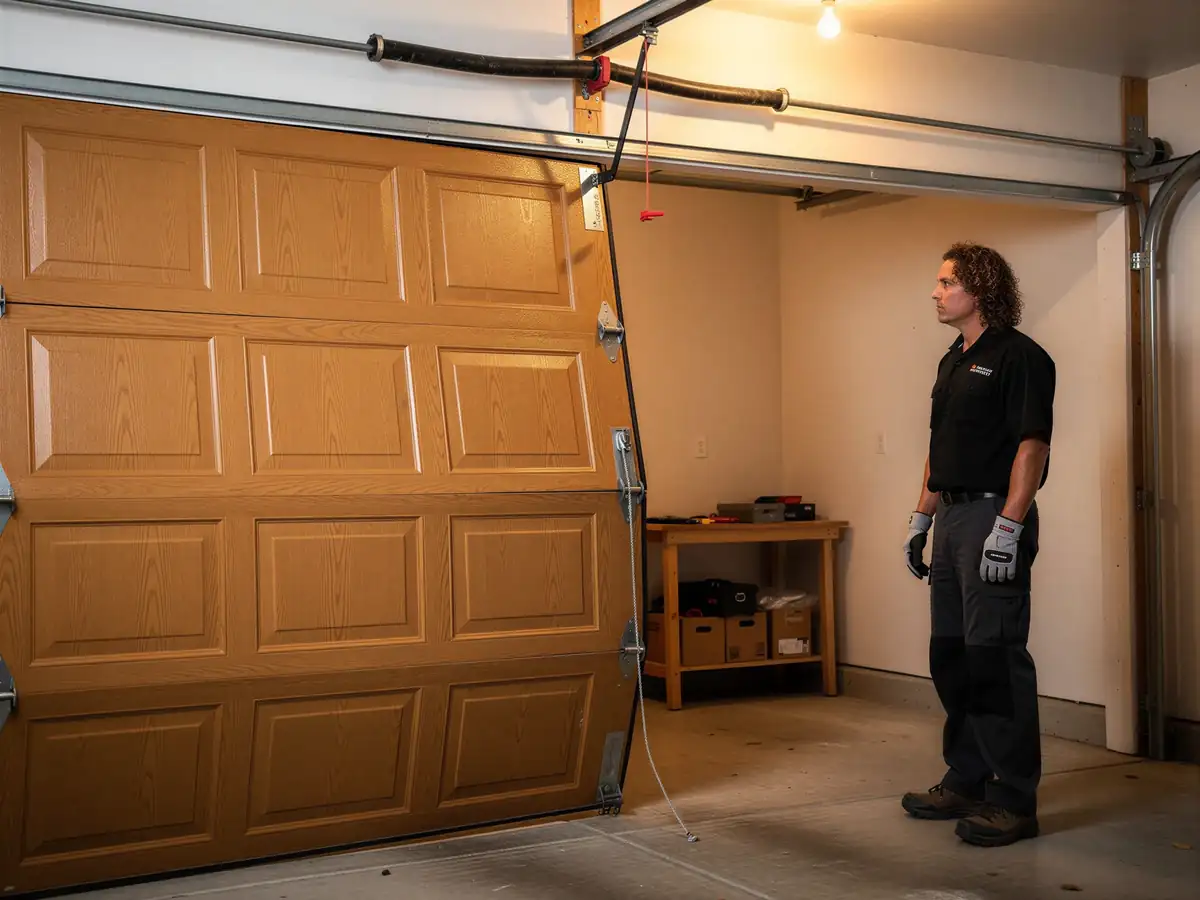
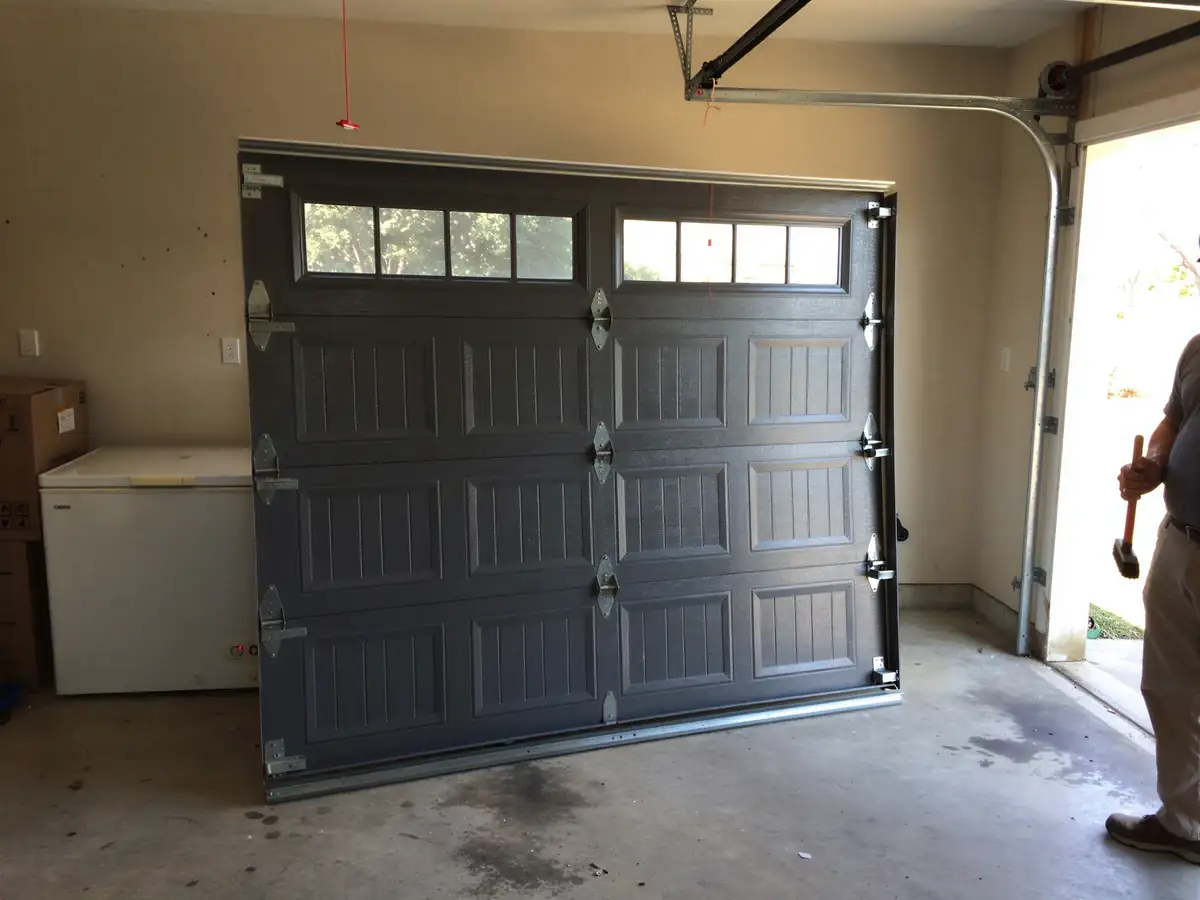
The most common call we get from Denver is a door that won't budge, or one that slams down the last foot of travel with a loud bang. Both point to a torsion spring that's lost its tension or snapped outright - you'll often see a visible gap in the coil if you look up at the spring above the door. A door that opens fine but feels heavier than it used to, or that an opener strains to lift, is usually a spring losing tension gradually rather than snapping all at once. Don't try to force a door up by hand when this happens; a spring under partial tension is more dangerous to work around than one that's fully broken, since it can still release suddenly.