What Is on the Truck
Before we talk about the door itself, talk about the money
Denver's median household income sits at $73,393, a notch below the $76,158 median across the rest of the area we cover out of Cornelius. That gap matters on an install call, because it's usually the number that decides whether a homeowner wants the budget steel door or the insulated model with better hardware. We don't push one over the other - we bring both options on the truck and let the number on your income statement, not ours, make the call.
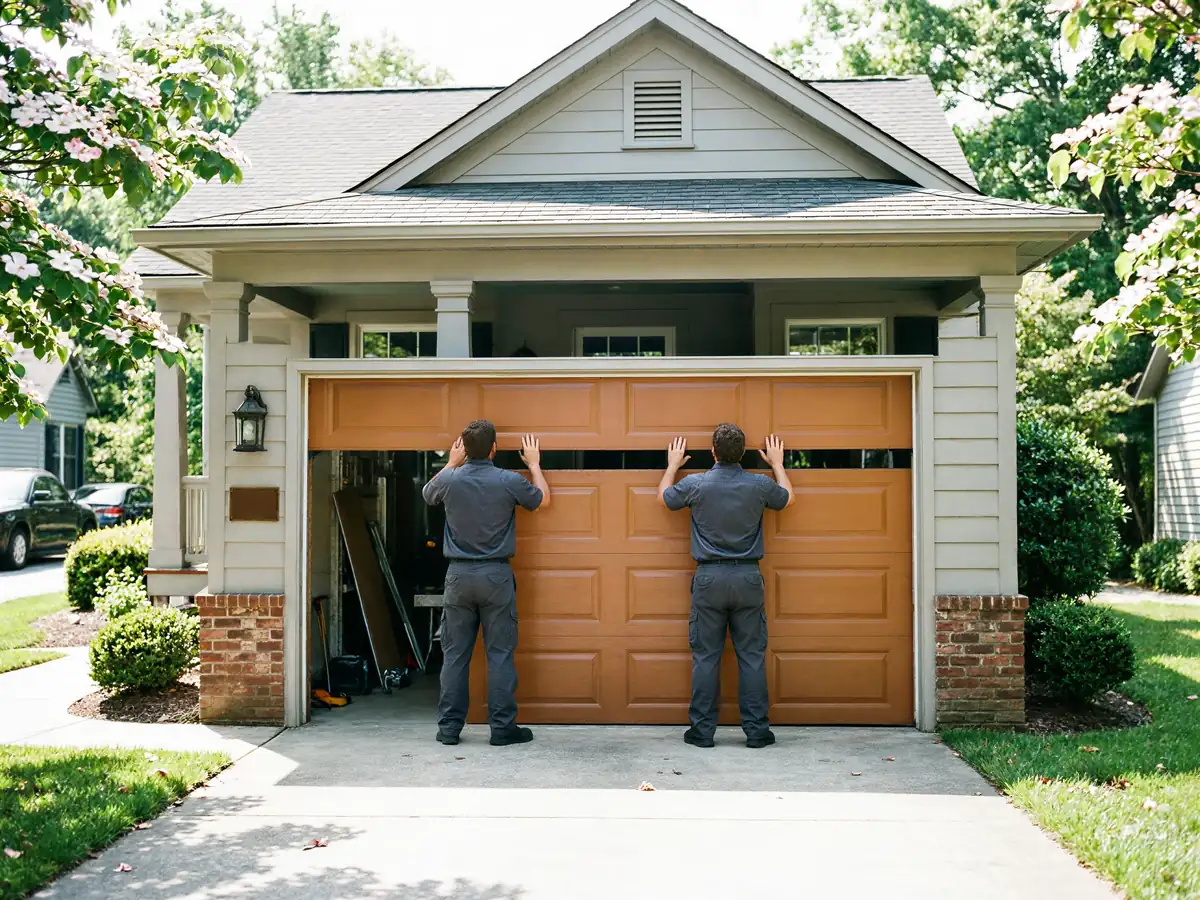
For a new install, that means we're carrying short-panel steel doors in standard widths
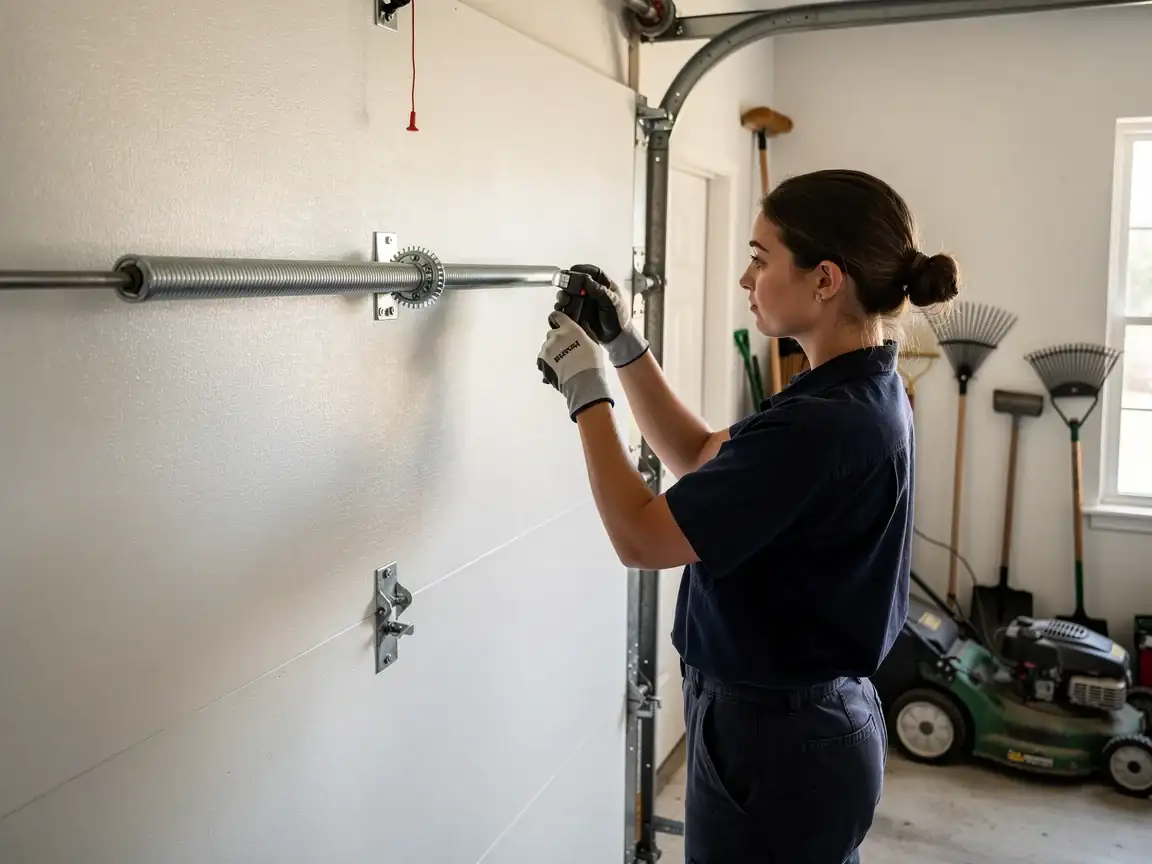
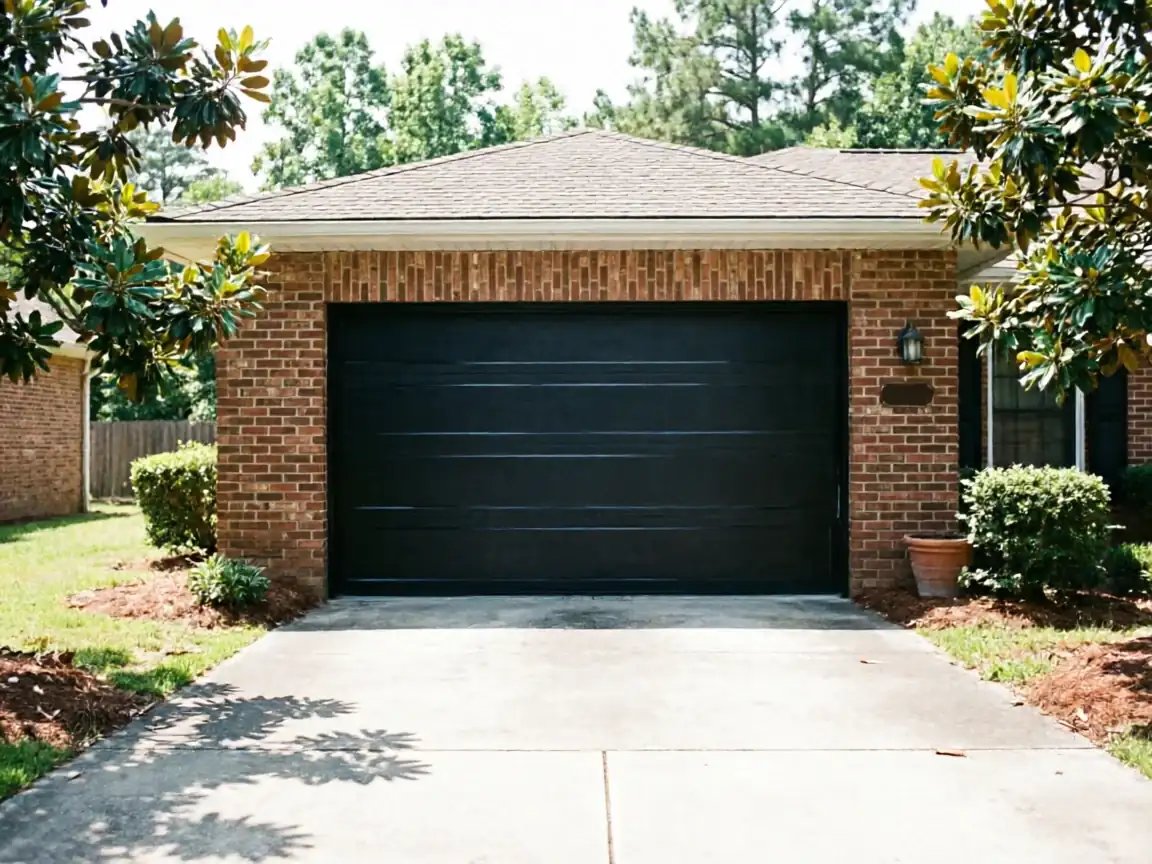
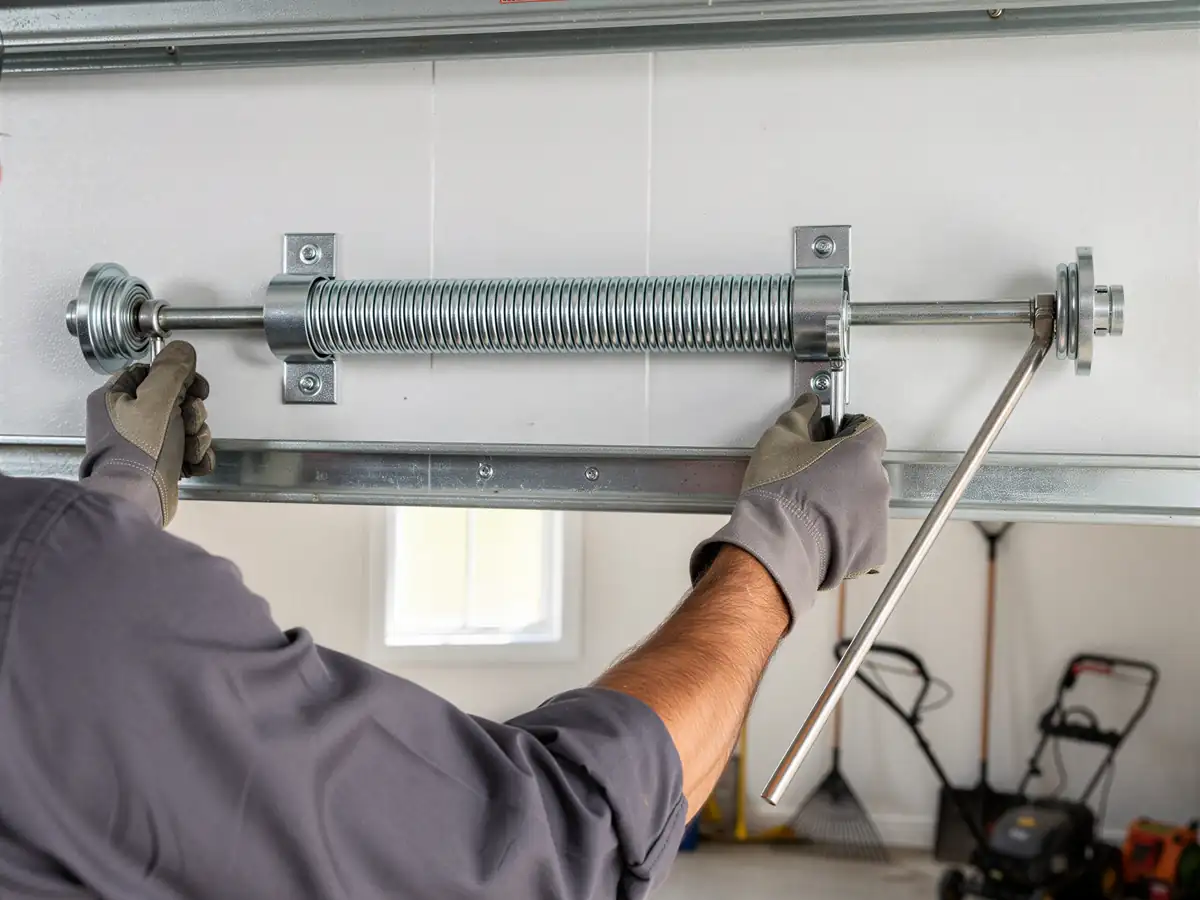
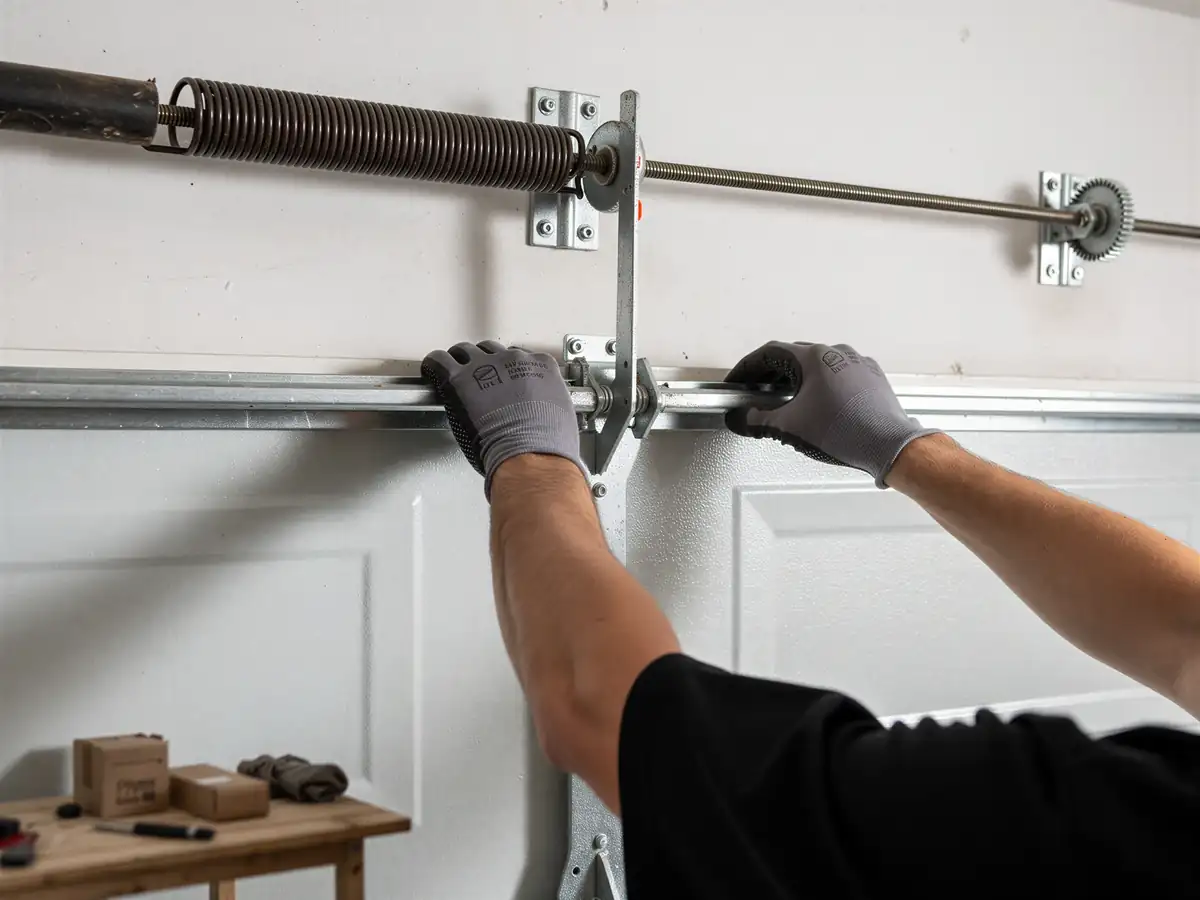
Torsion spring kits sized for the wider single-car and double-car openings common in houses built in the mid-1990s, and both belt-drive and chain-drive openers. Denver's median year built is 1996, which puts most openings at standard builder-grade width - not the oversized bays you see in newer construction, and not the narrow pre-1980 openings either. We size the door to the opening we find, not the one we guessed at from the truck.
Why It Happens Here
A door doesn't need to be broken for a homeowner to call about replacement - it just needs to be old enough that every repair feels like throwing money at something with no years left in it. With a median build year of 1996, a lot of Denver's garage doors are now closing in on 30 years of daily cycles. That's past the design life of the springs that came with the house, even if the door panel itself still looks fine.
Denver sits in the same cold-moderate climate band as the rest of the area we serve, so the failure pattern isn't dramatic weather damage - it's the slow kind. Steel panels built in that era weren't always insulated to a standard anyone would spec today, and the rollers and hinges that shipped with a 1996 build are the kind nobody carries parts for anymore. When a customer asks why we're recommending a full install instead of another repair, the house's age is usually the honest answer.
What It Costs
We don't post a flat number for Denver because the two things that move the price - door insulation level and opener type - are choices you make, not facts about the town. What we can tell you is where the decision usually lands. At Denver's median household income of $73,393, most homeowners we talk to split close to down the middle between a standard steel door with a basic chain-drive opener and a step up to an insulated door with a belt-drive opener, rather than going all the way to the premium end of either line.
If your current door is original to a 1996-era build, repair costs on old torsion hardware can climb close to replacement cost once you factor in a service call plus parts that are getting harder to source. That's the point where we'll tell you straight that a new install is the better spend, even though a repair would technically get the door working again for a while.
Time on the Job
We run this job out of Cornelius, about 10 miles from Denver
So the drive is part of the day, not an extra stop tacked onto someone else's route. A standard single-door install, once we're on site with the door and hardware already matched to your opening, is an afternoon's work. A double door, or a job where we're also swapping the opener and running new wiring to a wall panel, takes longer.
- 10 miles
We don't give a same-day promise for Denver specifically
We're not based there, and travel time is a real part of scheduling the crew. What we will do is tell you honestly on the phone whether today's slate allows for the drive out, rather than quoting a window we can't hit.
The Complications
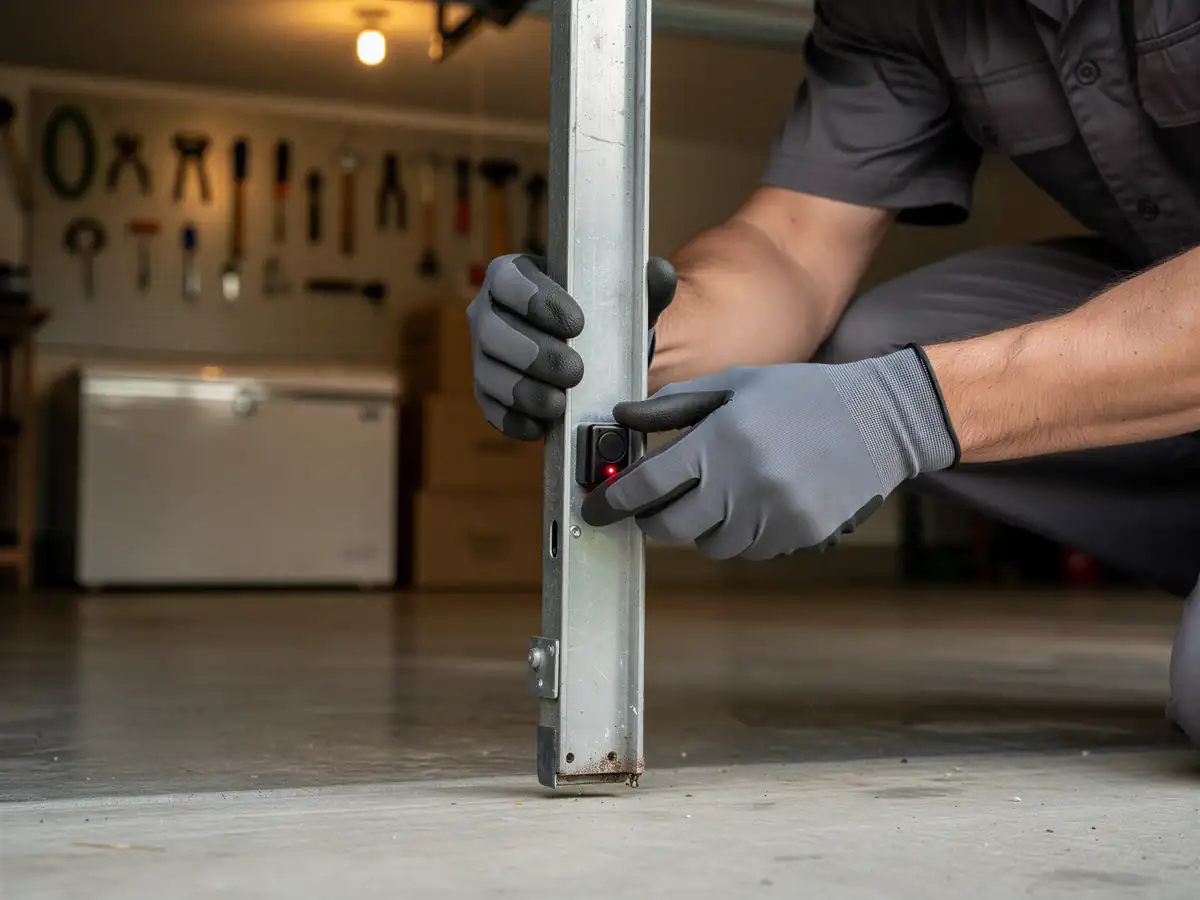
The main complication on a 1996-era Denver house is headroom and track clearance. Openers from that build era were often mounted with less overhead clearance than modern openers want, especially if the garage ceiling has since been finished or insulated. We measure before we quote rather than after, because a standard opener bracket that works in a newer build sometimes doesn't fit the framing in an older one without an extension kit.
The other complication is less about the house and more about honesty: if your existing opening is non-standard - hand-framed wider or narrower than code called for at the time - a stock door won't fit, and we're looking at a custom order with a longer lead time than a standard replacement. We'll tell you up front if that's what we're seeing, rather than installing something that doesn't sit right in the frame.
The Symptom
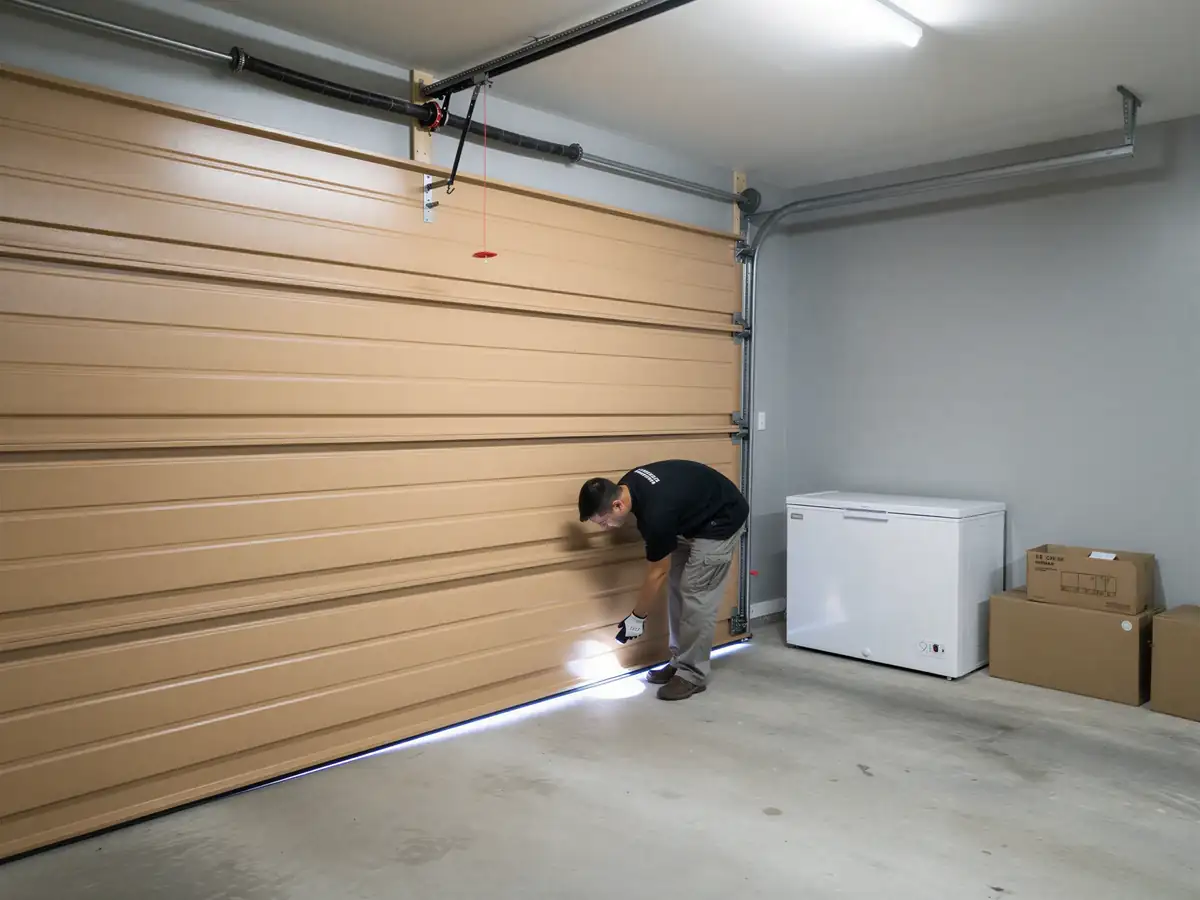
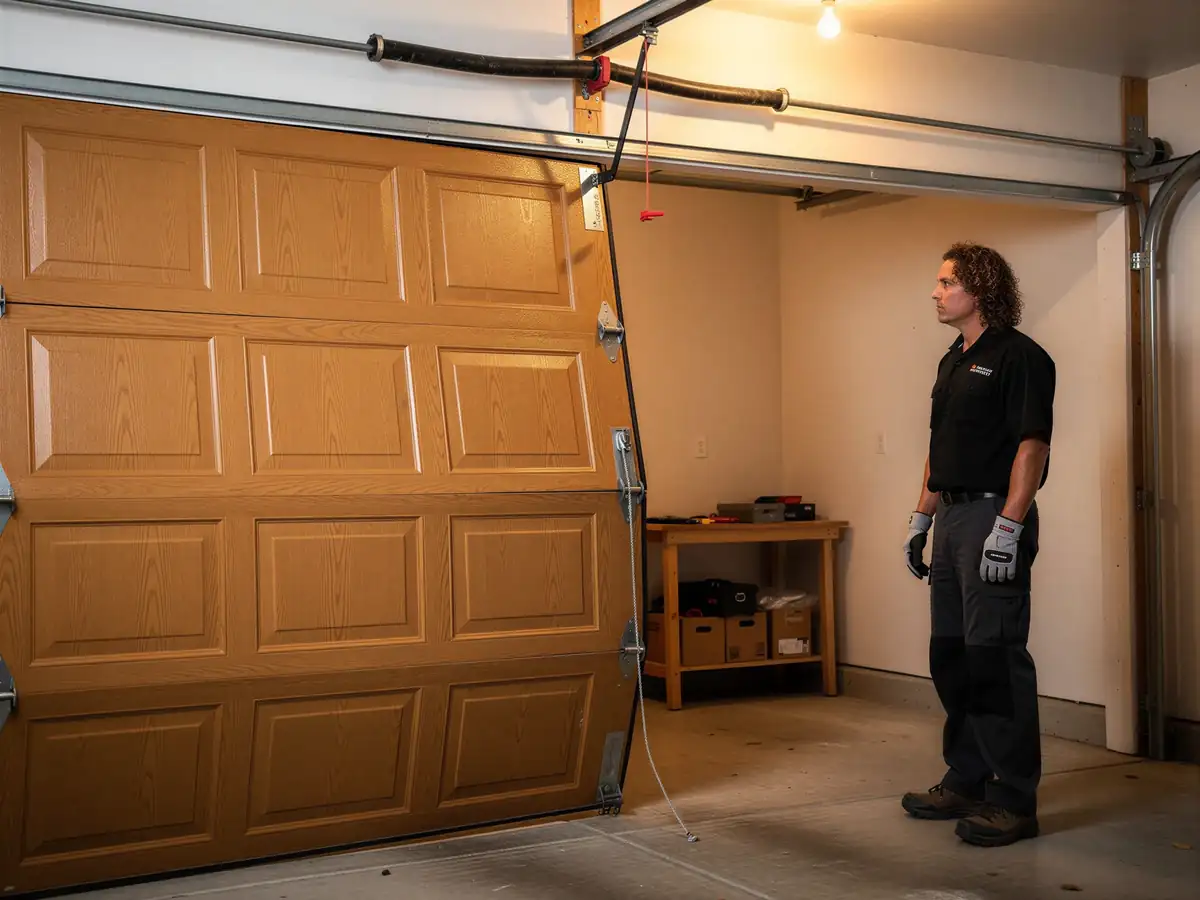
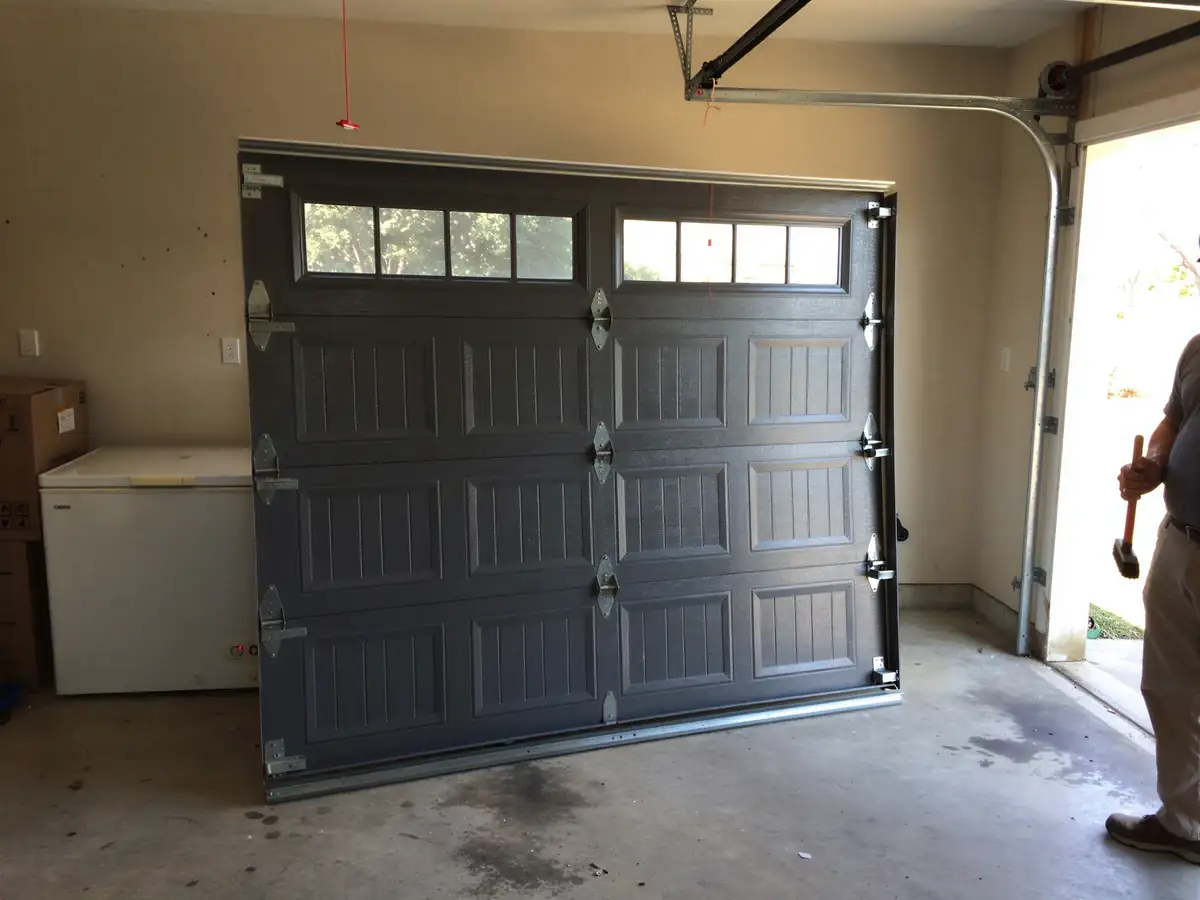
Most Denver calls for a new install don't start as install calls. They start as a repair call on a door that's sagging at one corner, an opener that's started grinding partway through its cycle, or a spring that's already let go on a door nobody's touched since the house was built. Given the median build year of 1996, that's not surprising - the original hardware on most of these houses has had close to three decades of daily cycles on it.
If you're calling about a specific symptom rather than a planned replacement, it's worth describing exactly what the door does and doesn't do before we come out. A door that won't open versus a door that opens crooked points to two different problems, and knowing which one we're dealing with before the truck leaves Cornelius saves time on both ends.