What Is on the Truck
Denver sits ten miles out from our Cornelius base, which changes how a call here actually runs
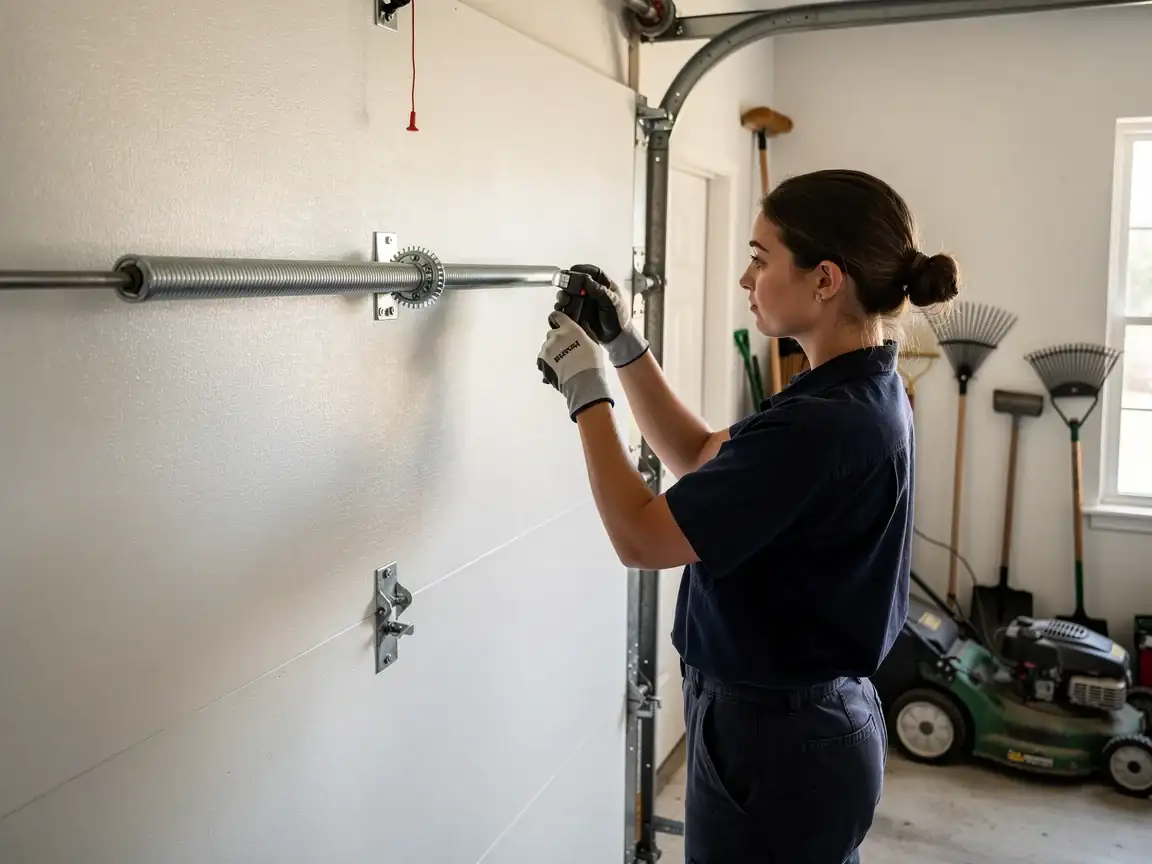
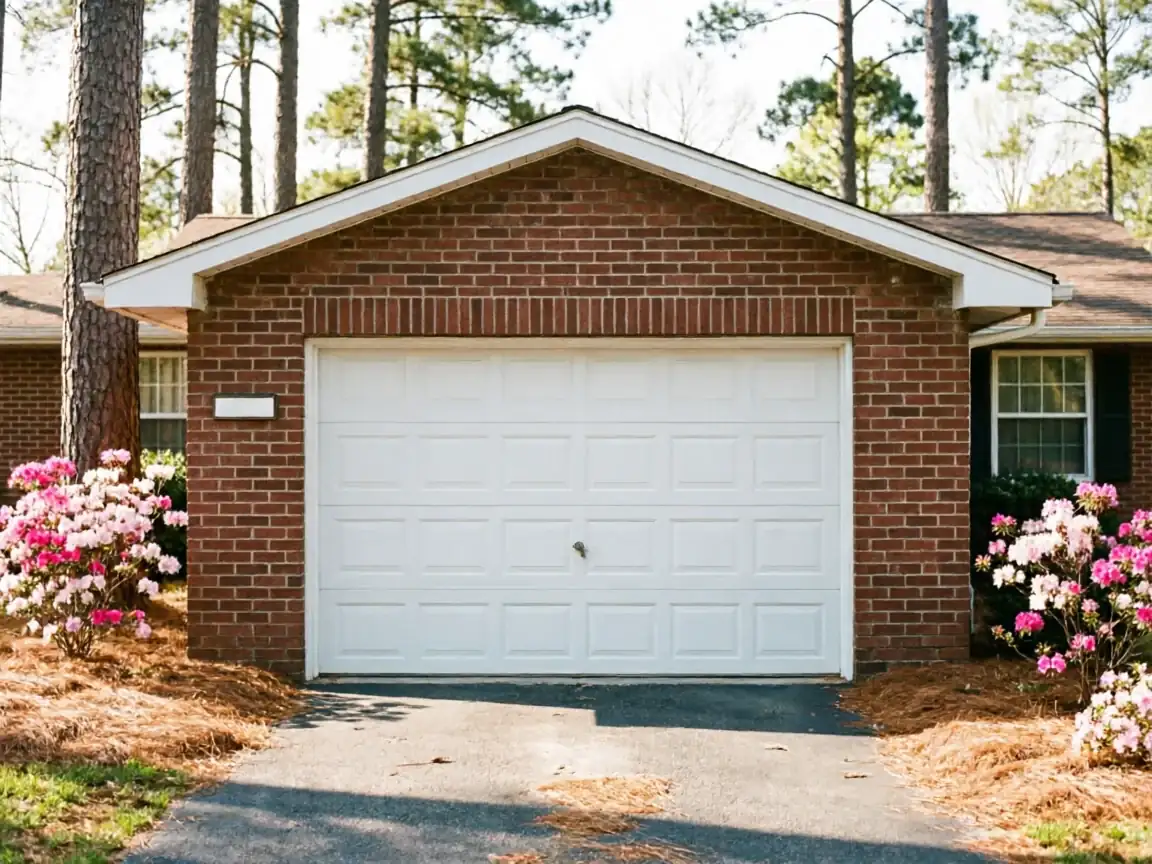
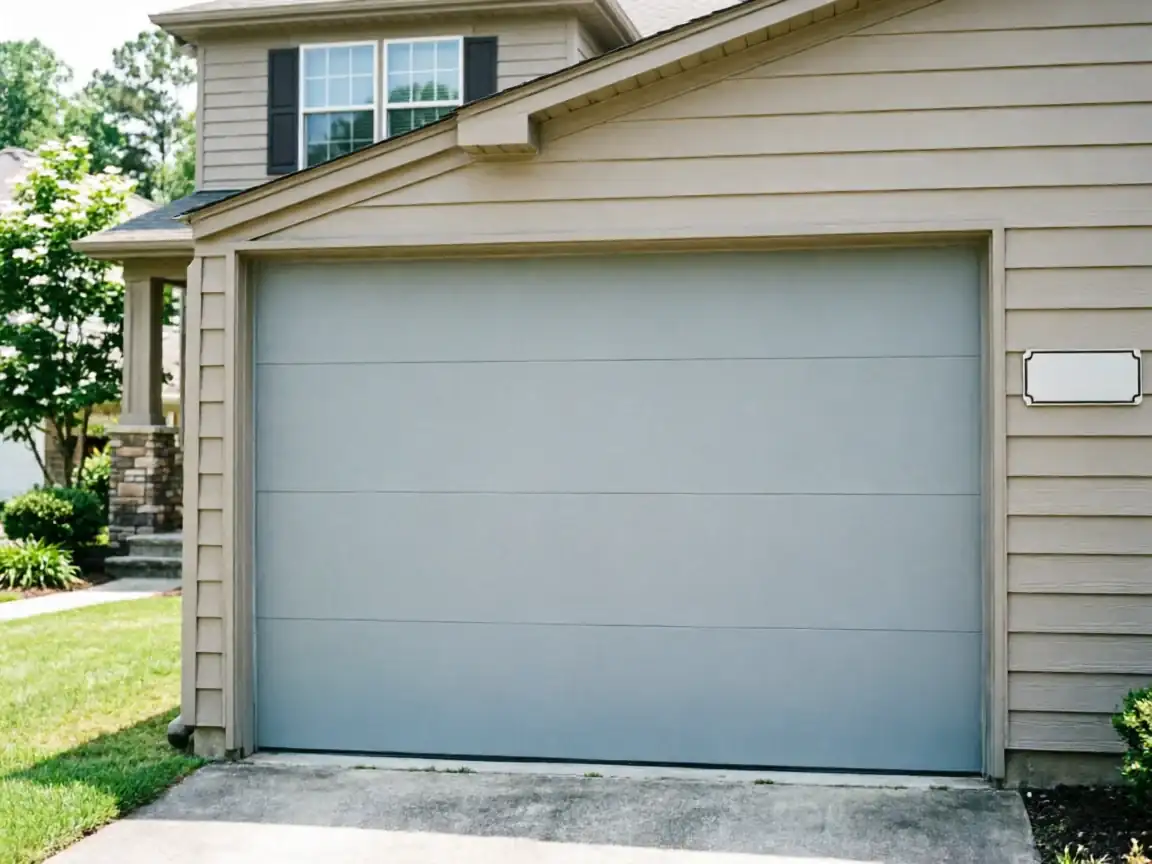
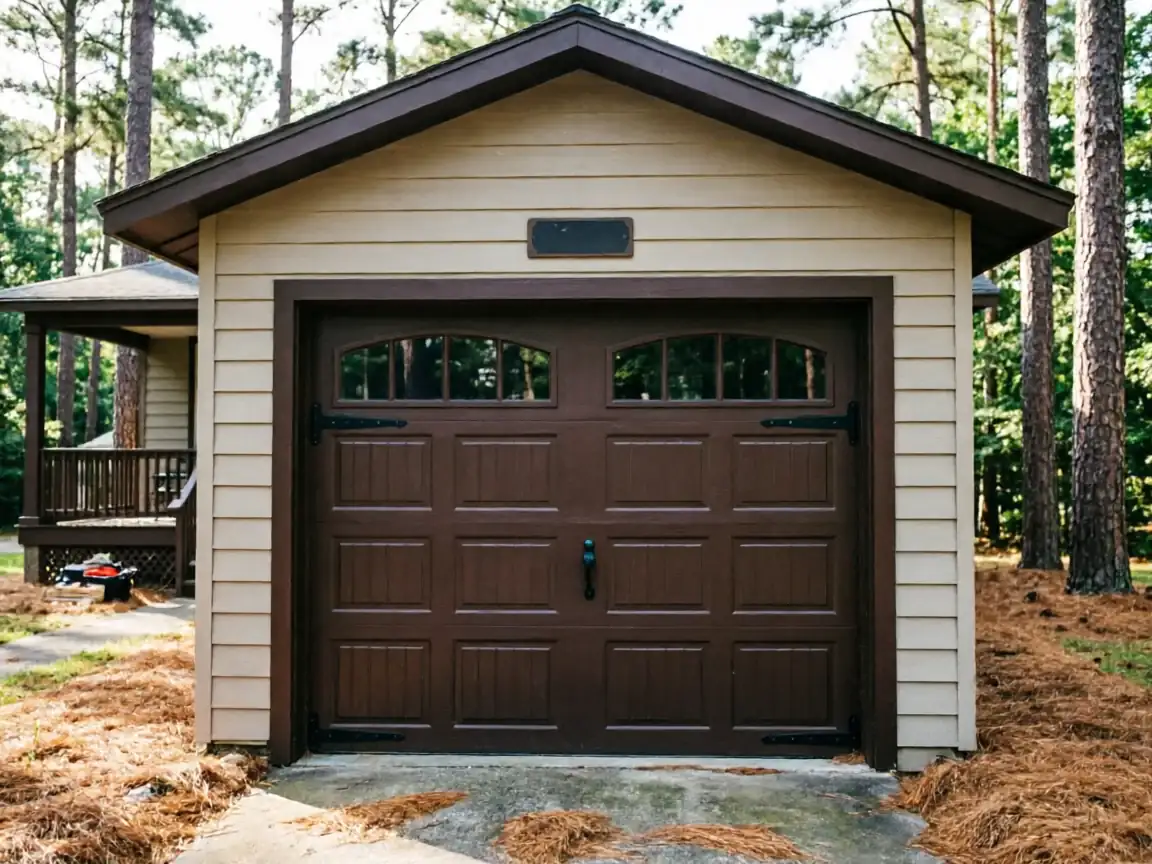
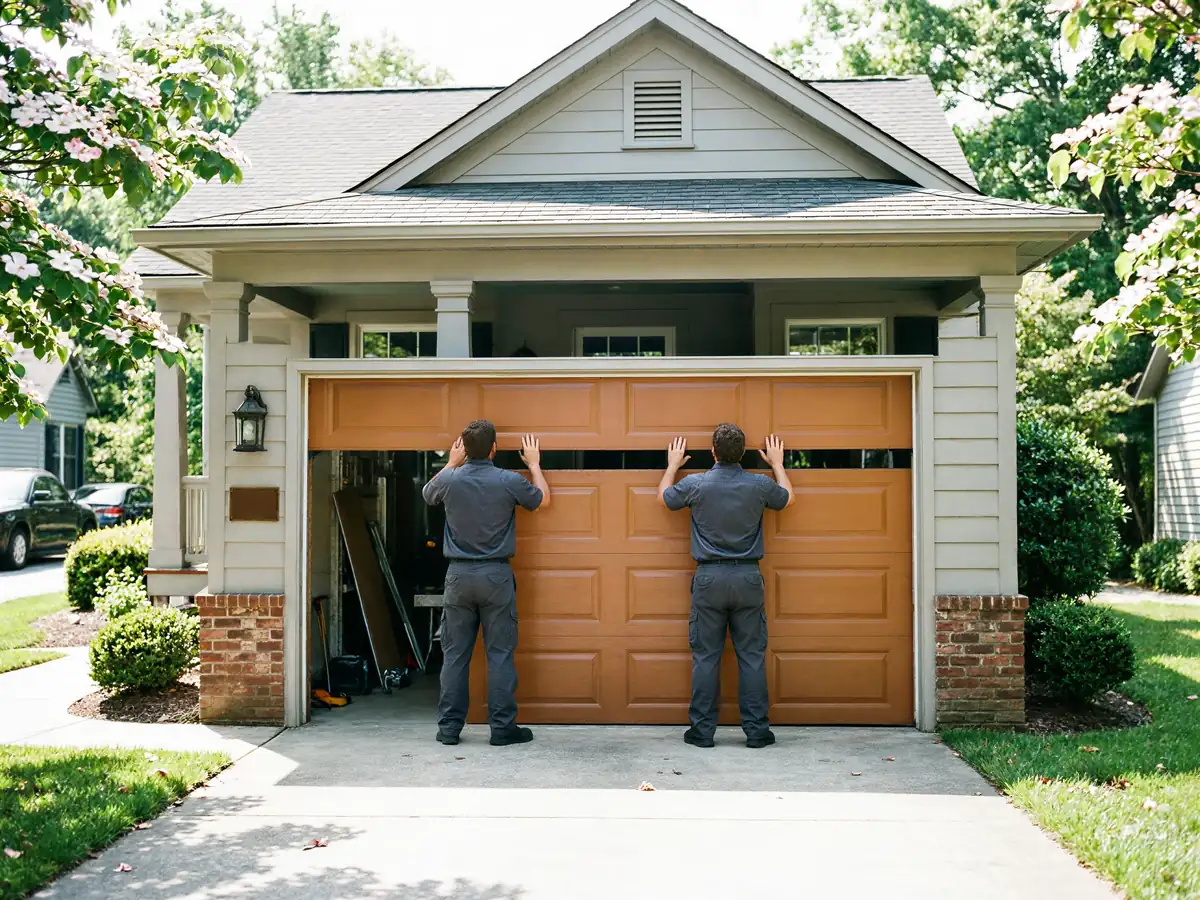
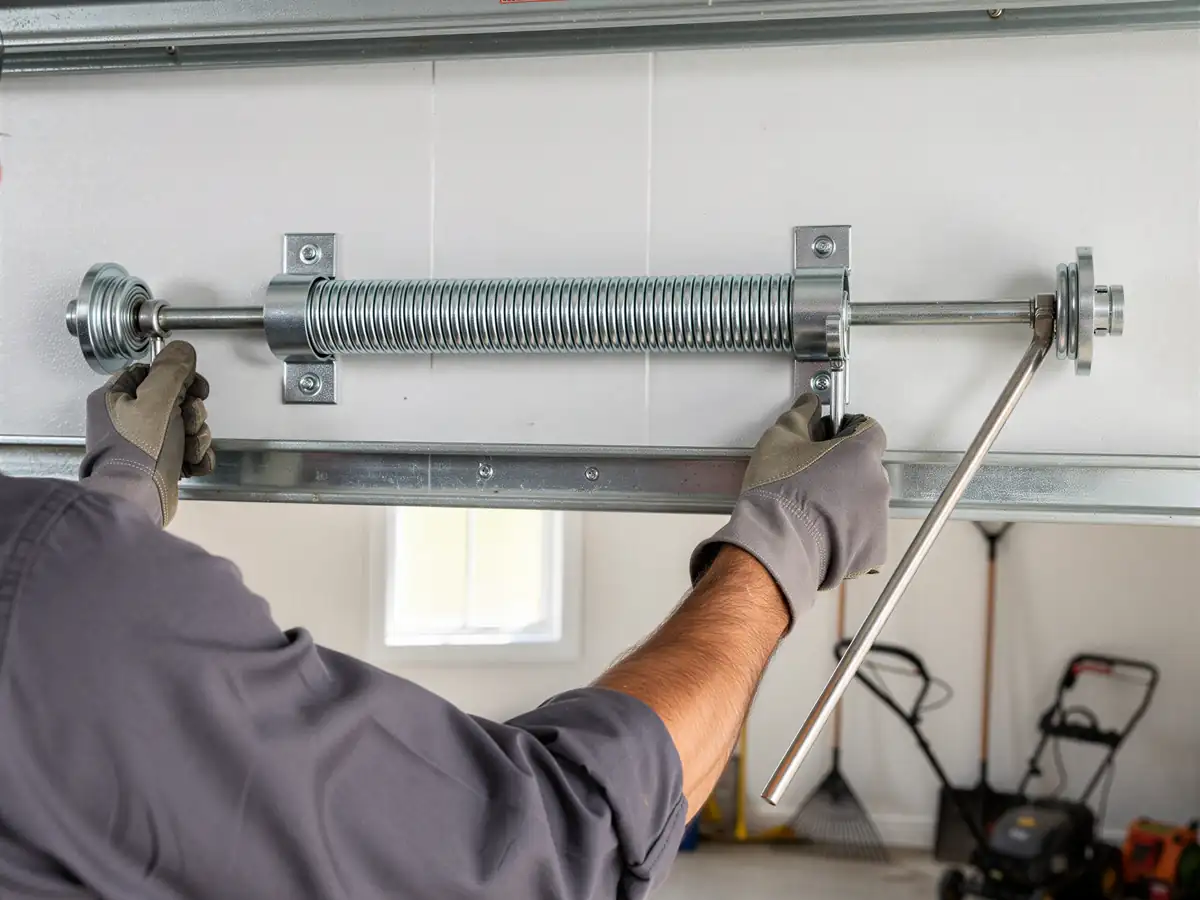
It's far enough that we load the truck with a wider spread of parts before we leave rather than counting on a second trip - extension and torsion springs in common sizes, a couple of standard openers, rollers, hinges, and cable. On a street like the ones through Denver, built mostly in the mid-1990s, that means parts sized for 7-foot sectional doors on torsion hardware, not the older low-headroom setups you'd carry for a neighborhood from the 1960s. We don't stock everything for every era, so if a job turns out to need a discontinued panel or an odd-width door, we'll tell you that on site rather than promise a fix we can't do that day.
The 10-mile drive also means we batch Denver calls where we can
So the time quoted for arrival accounts for the run itself, not just shop-to-door inside Cornelius. It's not a branch and not a same-town response - it's a trip we plan for.
Why It Happens Here
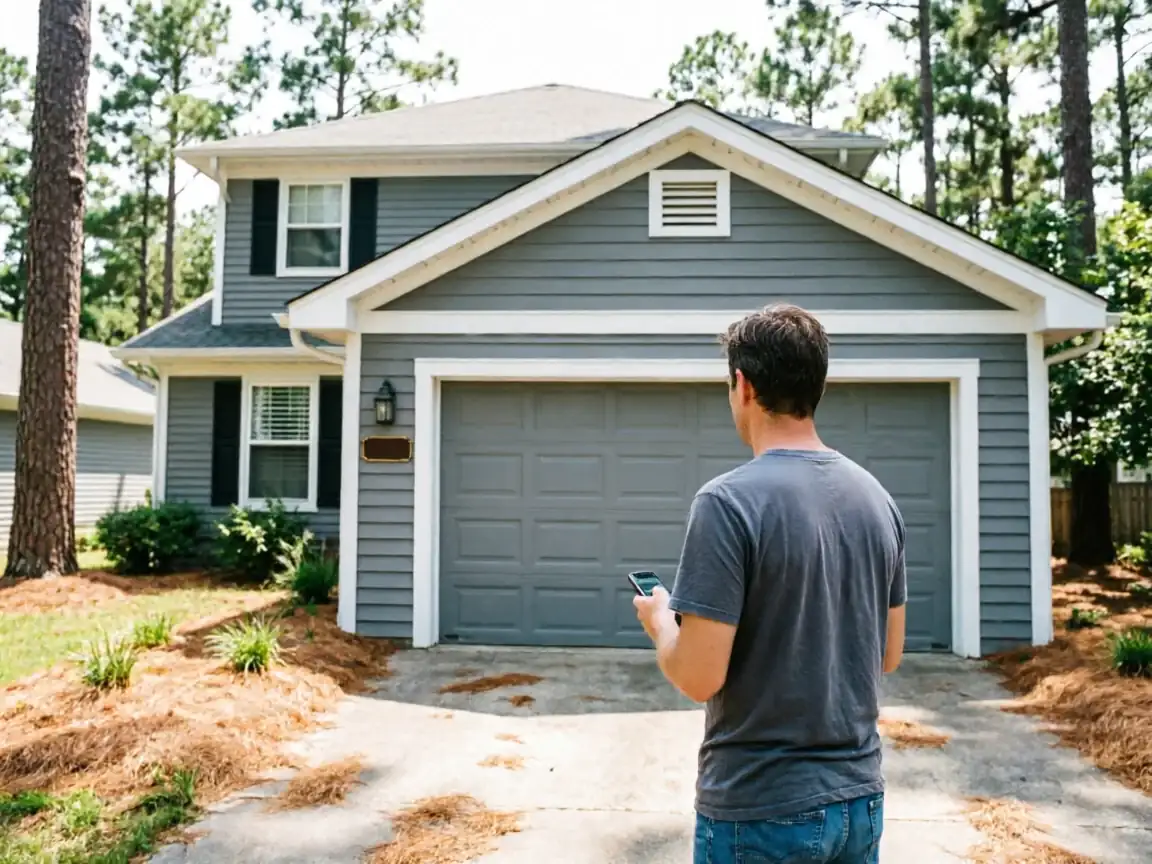
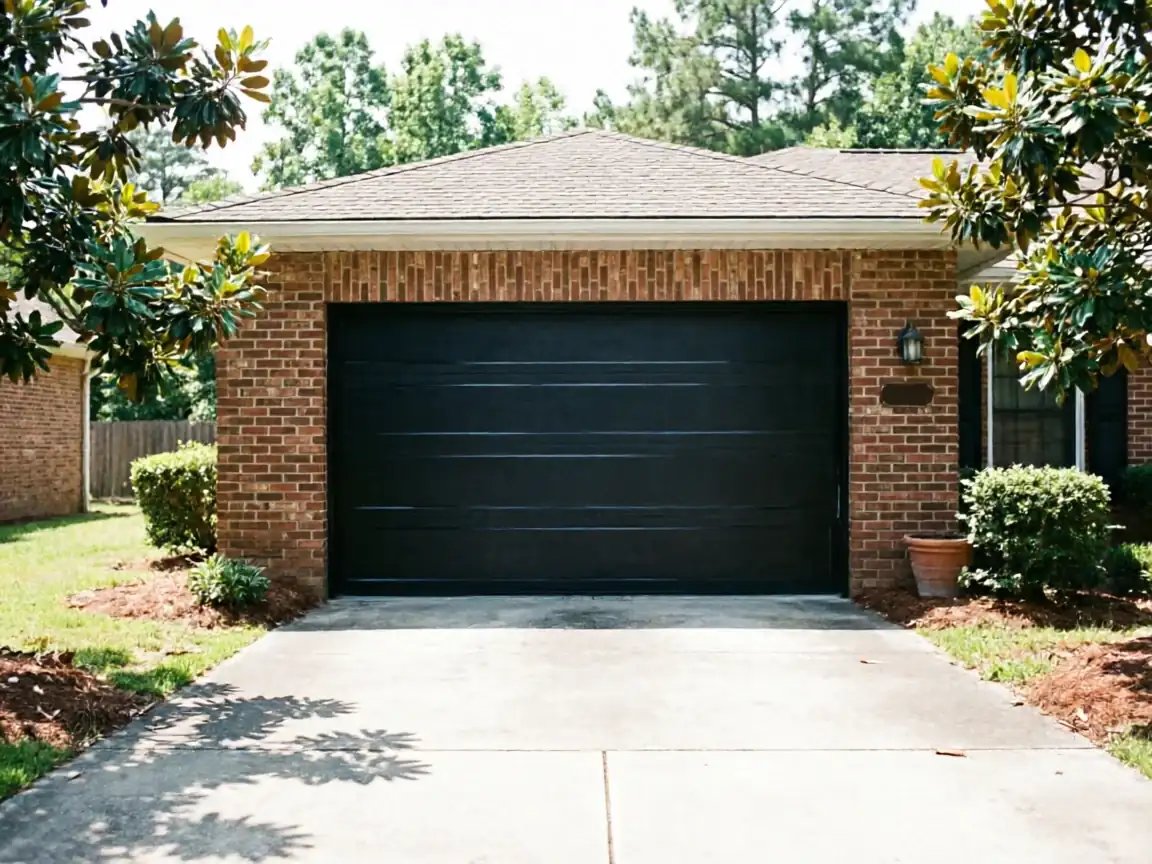
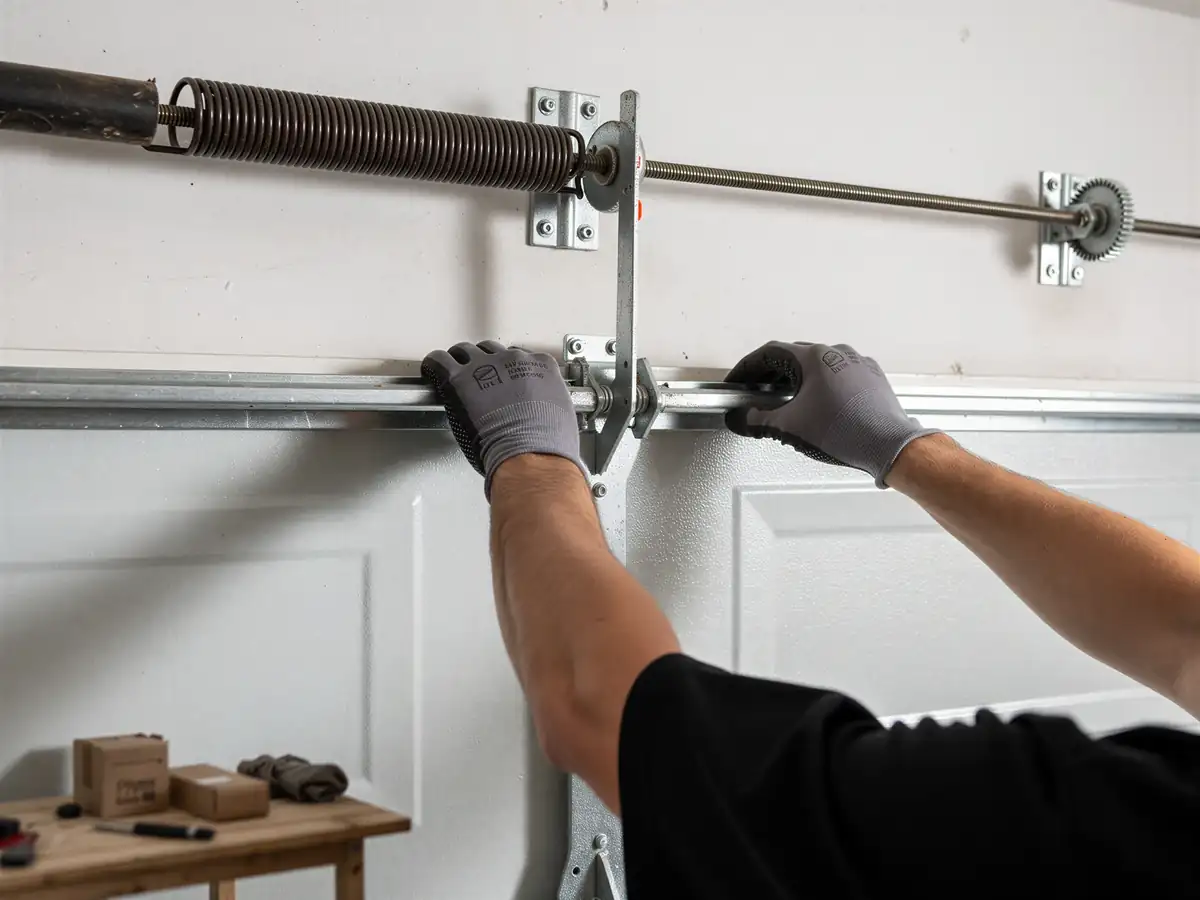
Houses around Denver cluster around a median build year of 1996, which puts most garage doors and openers here at roughly thirty years old - old enough that the first opener motor has usually already failed once, and old enough that factory torsion springs are near or past their cycle life. That's different math than a neighborhood built in the 2000s, where the first spring failure is still a few years off, and different from an older 1960s block where you'd be dealing with legacy hardware instead.
The climate here runs cold-moderate, with winter swings that stiffen grease in rollers and hinges and make a spring that's already near the end of its life more likely to let go on a cold morning than a mild one. That's the pattern we see on calls from this part of the service area: a 25-to-30-year-old torsion spring, winter-stiff hardware, and an opener that's been straining against both for longer than it should.
What It Costs
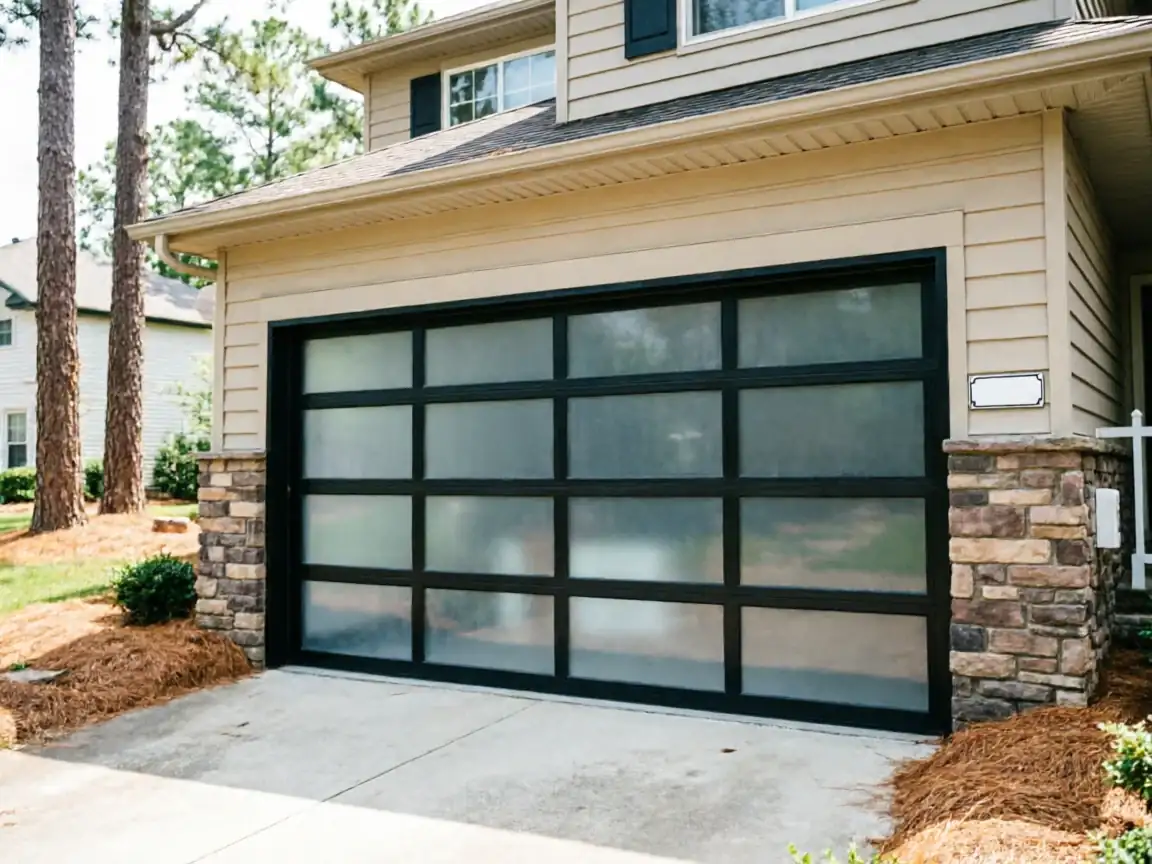
We don't have a published price list to quote here, and giving you a number without seeing the door would be a guess dressed up as a fact. What we can say is that household income in this part of the service area runs a median of $73,393, a bit below the wider area's $76,158, which is useful context if you're deciding between repair and replacement on an aging door - most owners here are weighing cost carefully rather than defaulting to a full replacement. A straightforward torsion spring swap on a standard double door costs less than an opener replacement, and an opener replacement costs less than a full door-and-track job. Where your repair lands depends on what's actually broken, which we check before we talk numbers.
Time on the Job
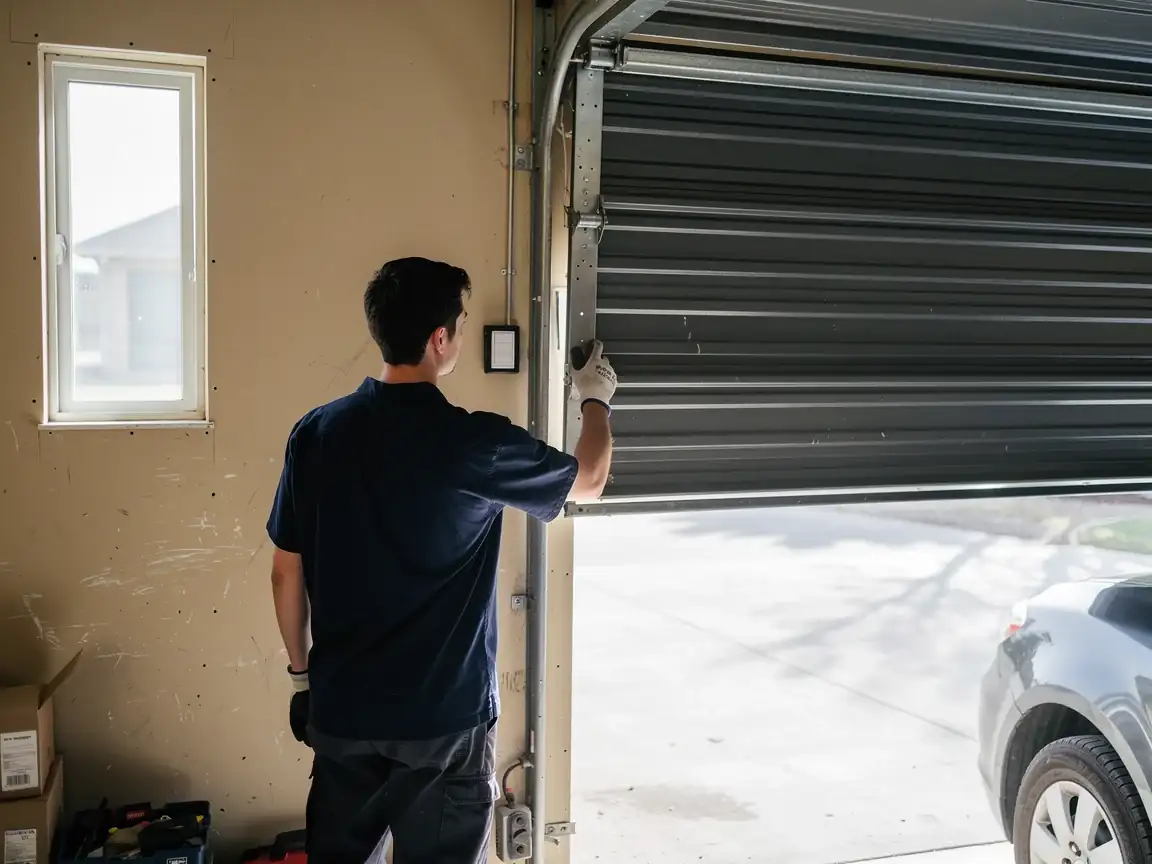
Most single-spring or opener jobs on a standard door run under two hours once we're on site
Parts permitting. The variable for Denver isn't the repair itself - it's the drive. A ten-mile trip from Cornelius adds real time to the front and back end of a visit that a call five minutes from the shop wouldn't carry, so when we schedule Denver work we build that into the window we give you rather than padding the repair time itself.
If a job needs a part we don't carry on the truck
An odd-size panel, a discontinued opener board - that's a second trip, and the same ten miles apply going back. We'd rather tell you that up front than promise a one-visit fix and come up short.
The Complications
With roughly 986 households in this part of the service area and most of the housing clustered around that mid-1990s build window, a lot of these doors are original sectional units on torsion hardware that's now been through two or three winters' worth of wear beyond what the springs were rated for. That's a fairly uniform situation - not a mix of eras like you'd find in an older, more built-out town - which actually makes diagnosis faster in most cases.
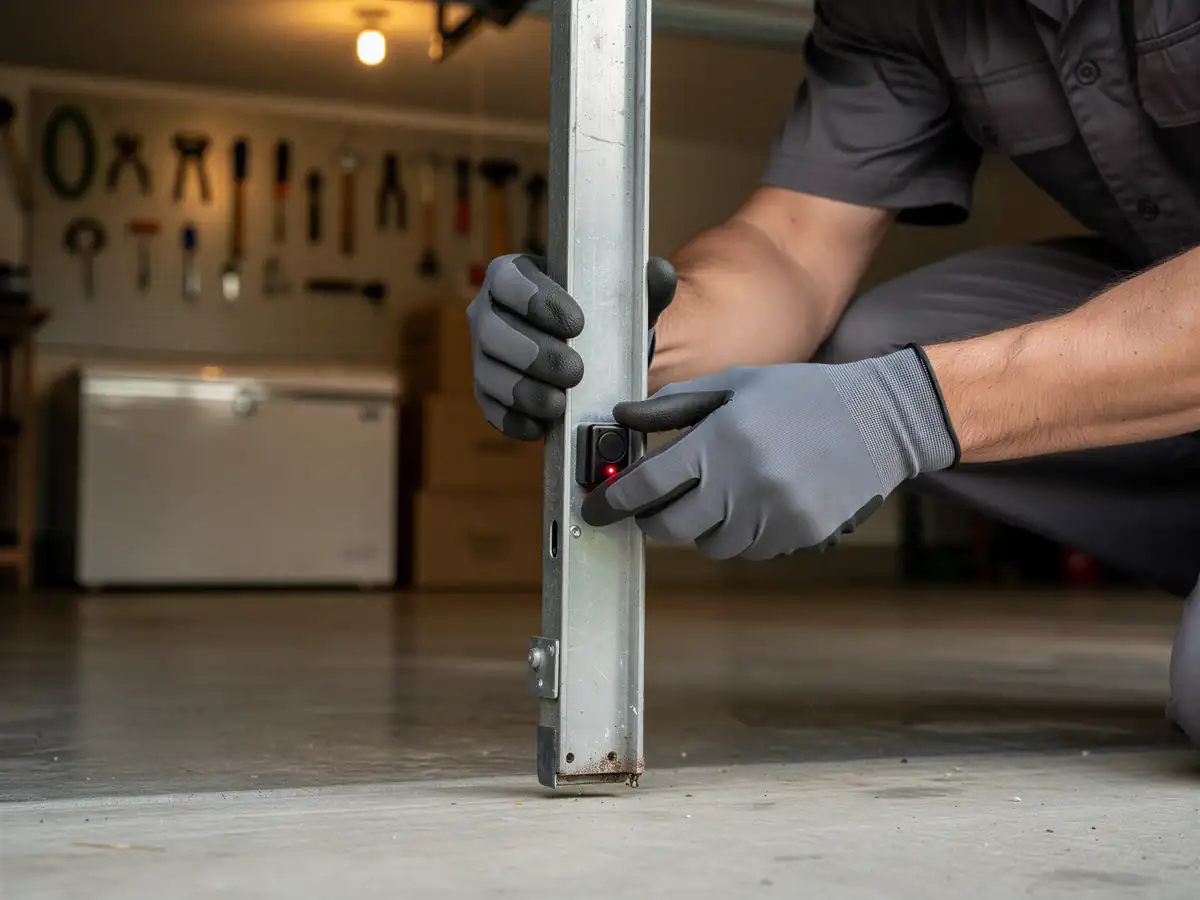
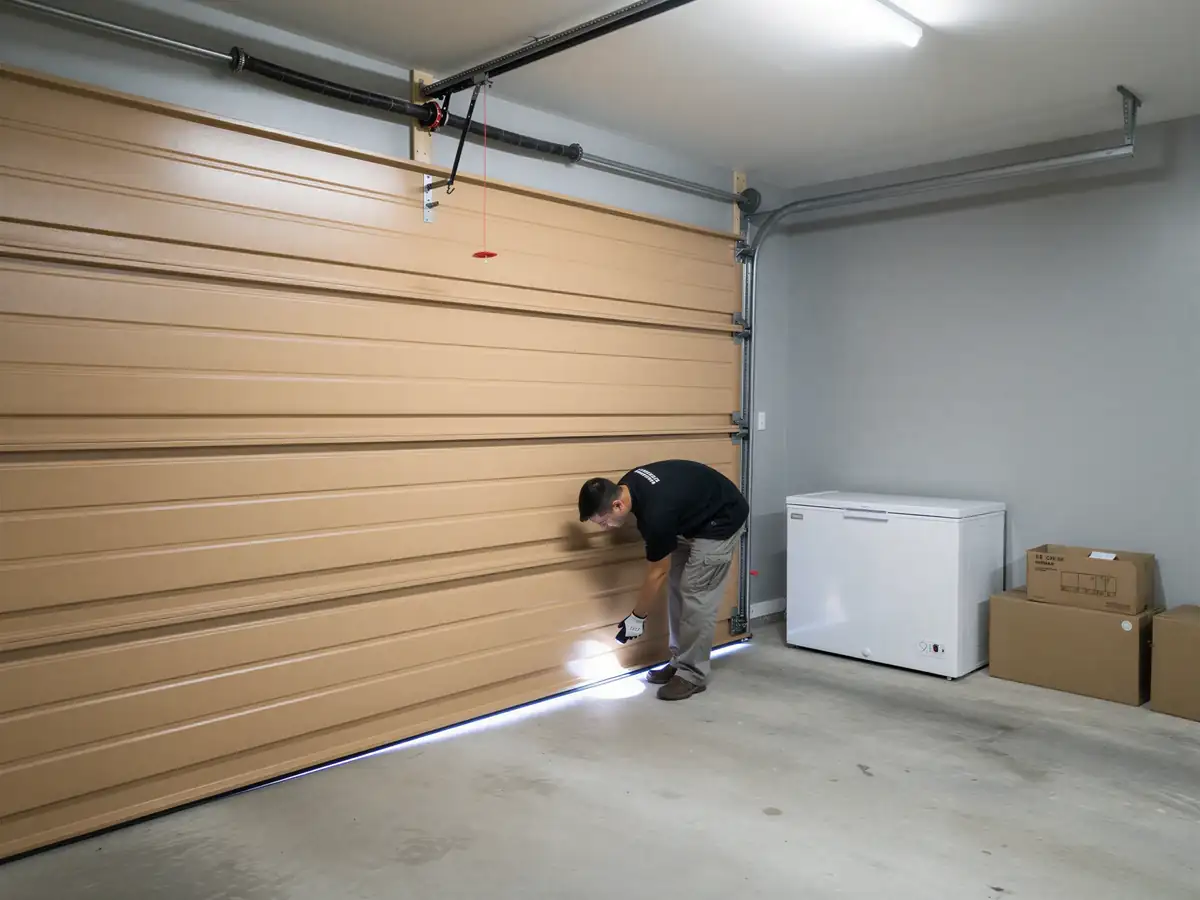
The complication shows up when a door has had one piecemeal repair already - a mismatched opener swapped in at some point, or a spring replaced with the wrong wind - because that's when a simple spring job turns into sorting out what a previous repair got wrong before we can finish the one you called about.
The Symptom
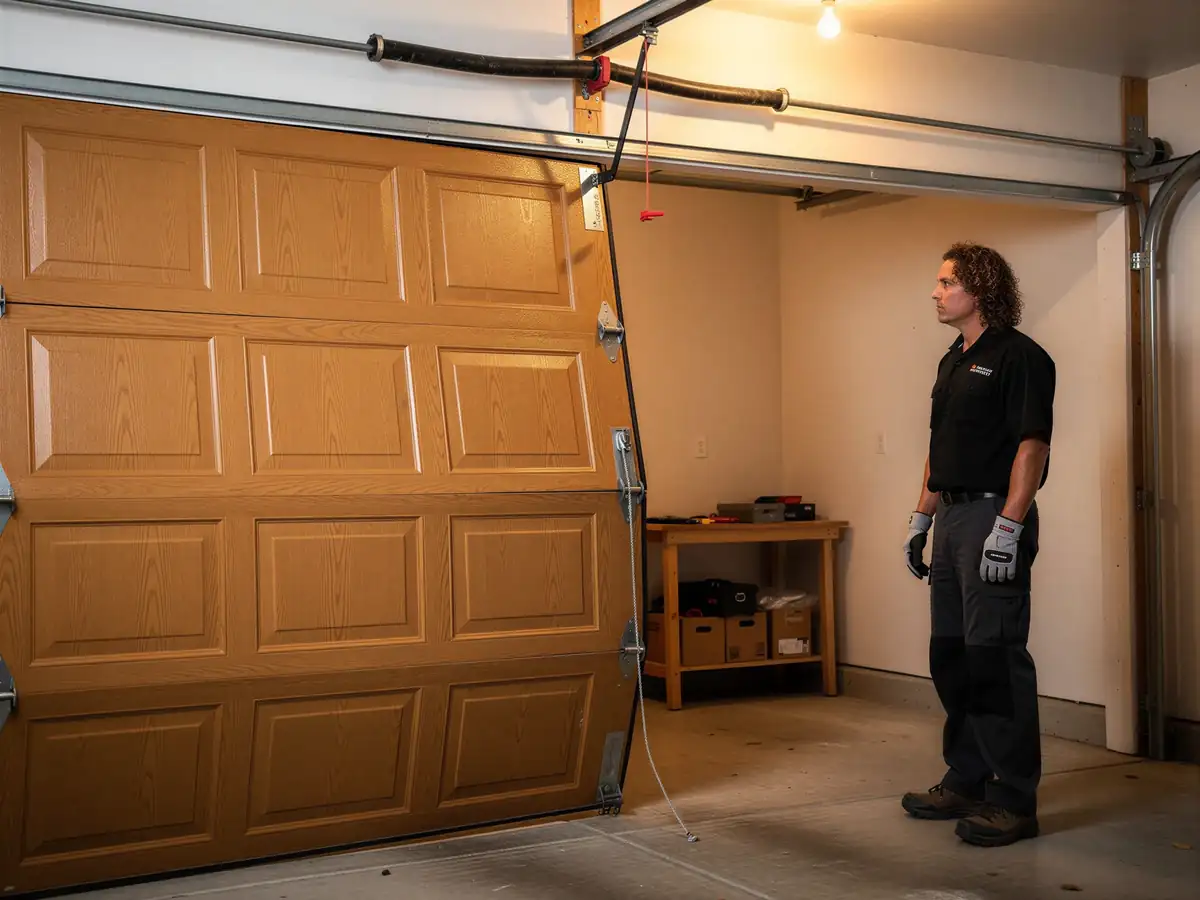
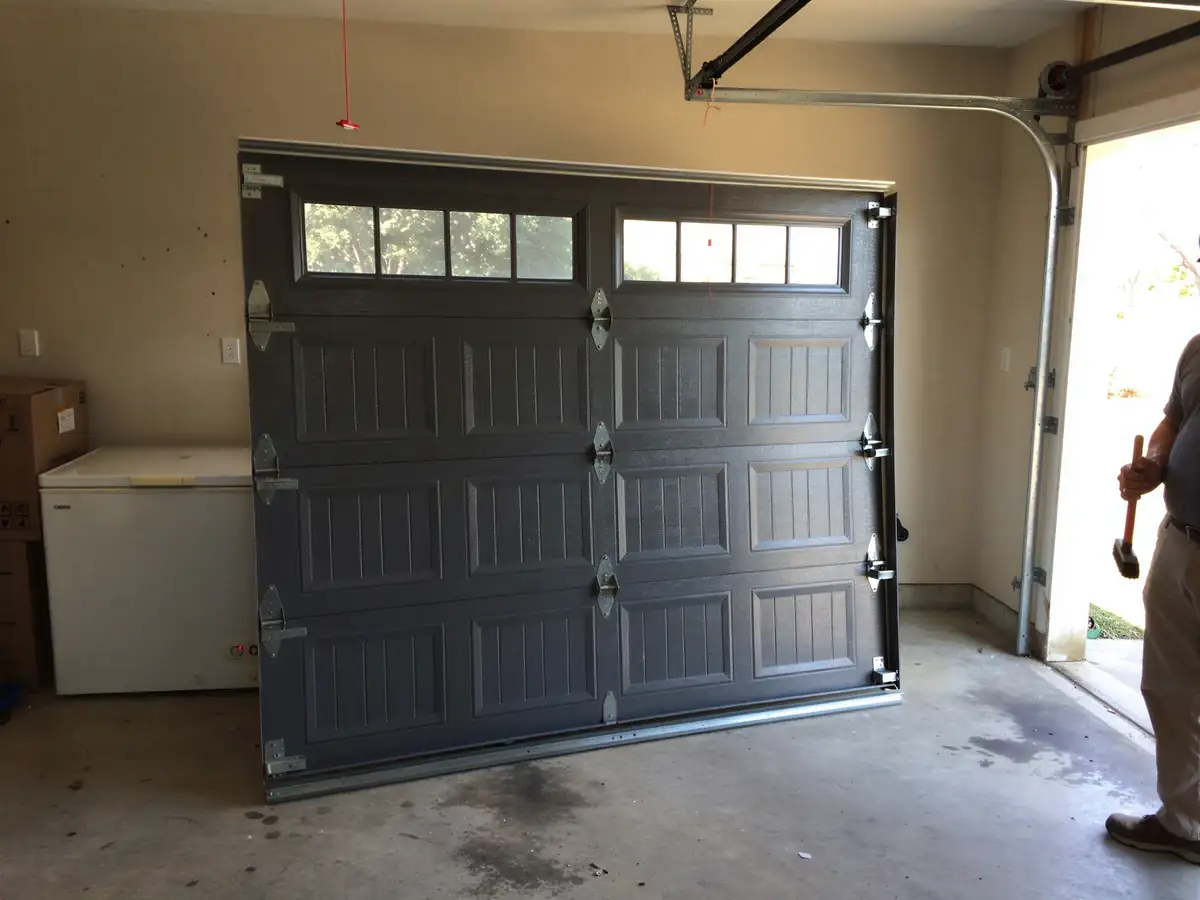
The call we get most from this part of the service area is a door that won't open at all, or one that opens a few inches and stops - both classic signs of a torsion spring that's given out on a door roughly as old as the house around it. Given the 1996 median build year here, that's exactly the age range where original springs are reaching the end of their rated cycles. A door that slams down instead of lowering slowly is the same failure caught earlier, before the cable or opener gear takes damage from compensating for it. Either way, don't run the opener trying to force it - that's usually what turns a spring job into a spring-and-opener job.